
China and Russia identify 21 tigers and 27 leopards recorded in both countries
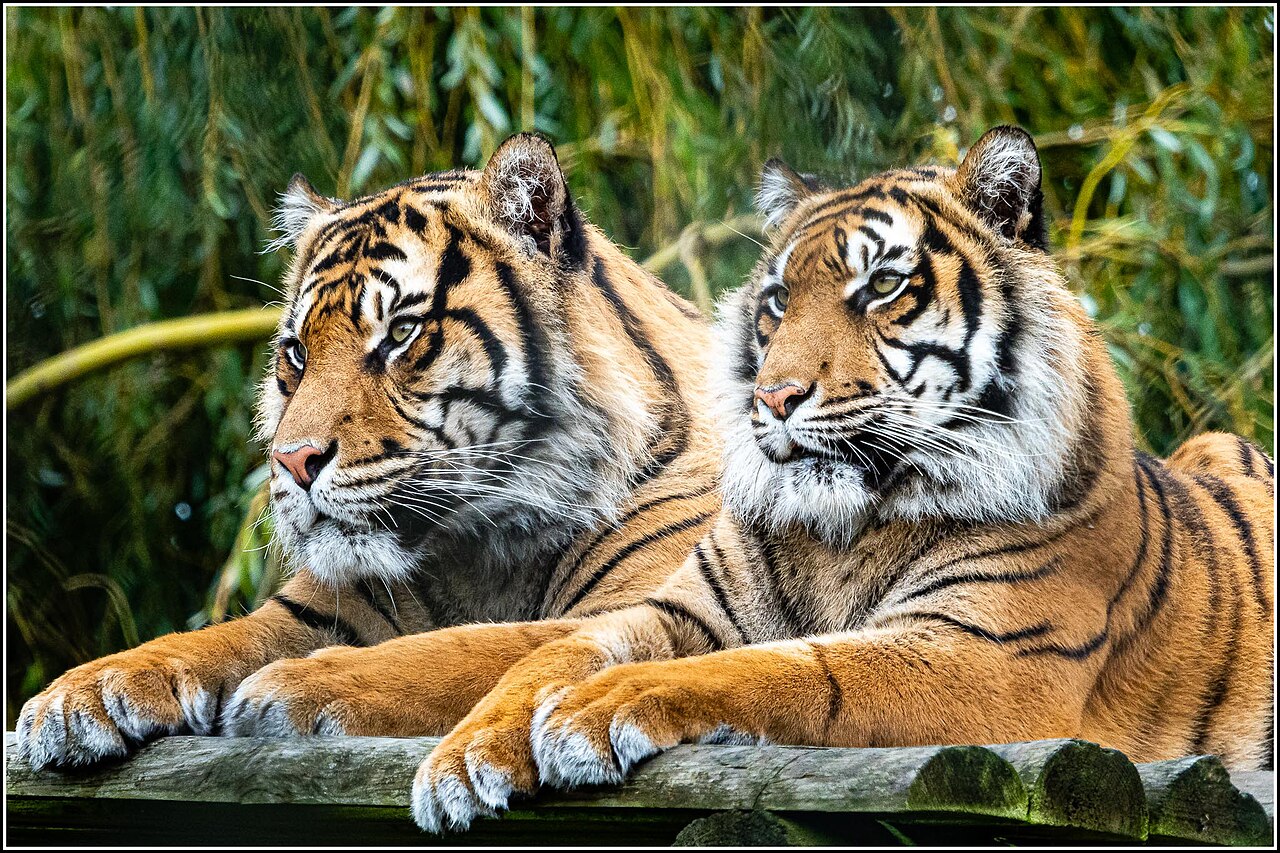
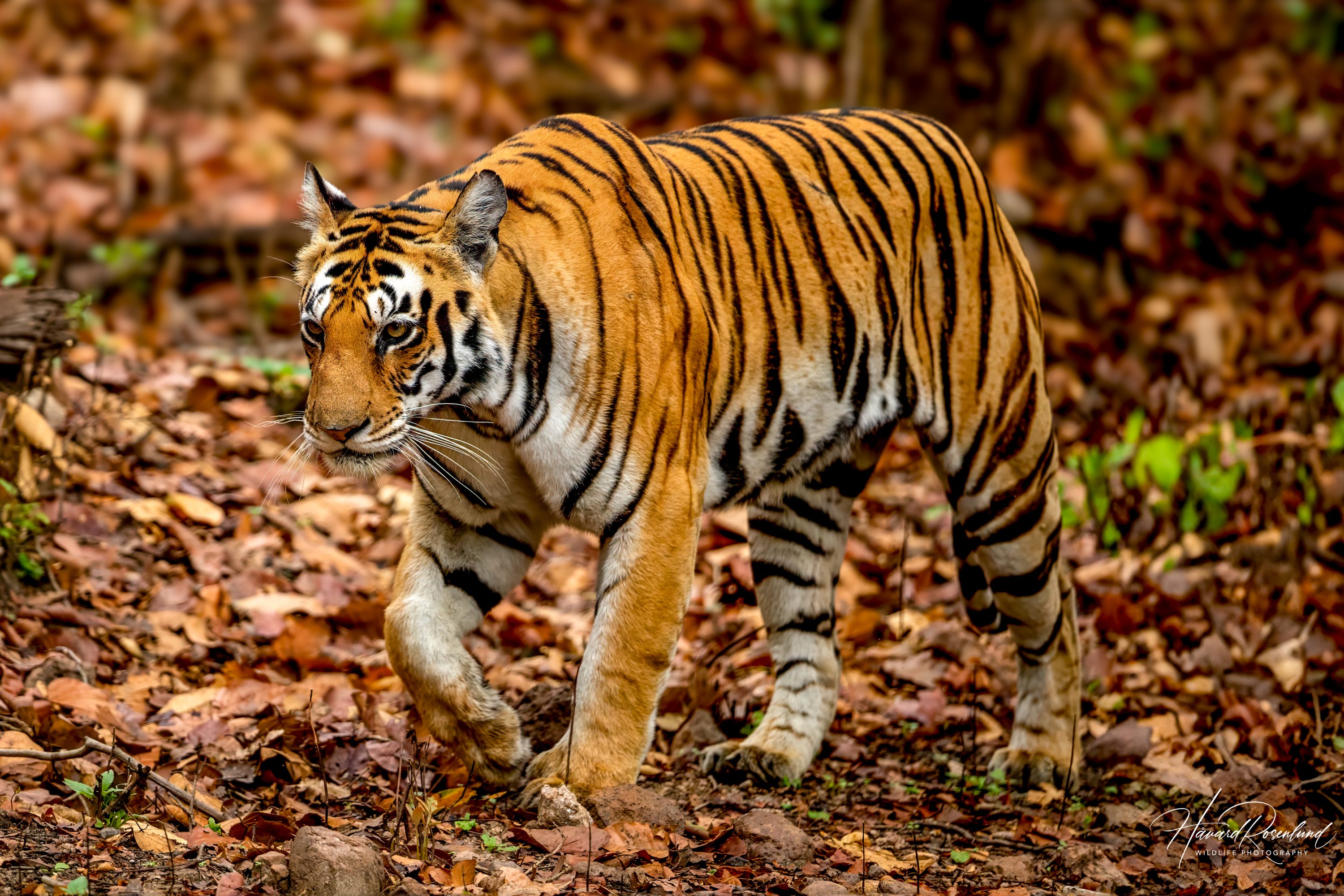
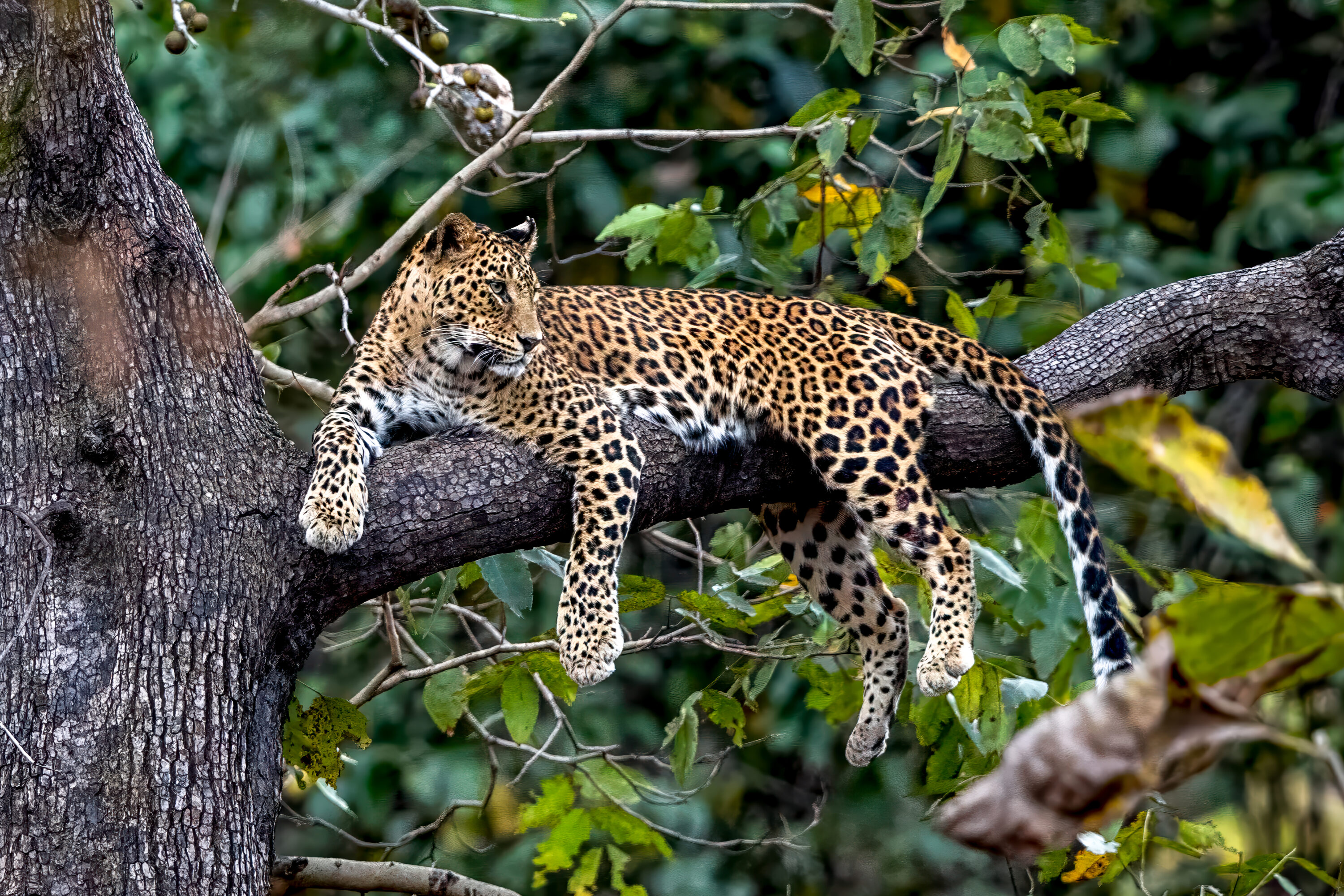
Wild Amur tigers (Panthera tigris altaica, a subspecies of Panthera tigris) and Amur leopards (Panthera pardus orientalis, a subspecies of Panthera pardus) range through protected areas on both sides of the China–Russia border. To count them across the whole area, conservation teams must recognize animals recorded in both countries so they are not counted twice. On July 29, 2026, Russia and China announced their first joint assessment of the cats recorded in these connected protected areas.
The assessment reported at least 147 tigers, including adults and cubs: 72 were recorded in China and 96 in Russia, with 21 individuals recorded in both countries. For leopards, the total was at least 223, also including adults and cubs: 115 were recorded in China and 135 in Russia, with 27 individuals appearing in records from both sides. Subtracting those overlapping records gives the combined minimum counts. These figures apply to the protected areas surveyed, not to either species’ entire range. Officials also reported a female-biased sex ratio among the leopards, at 1.1 females per male, which they interpreted as a sign of population stability.
Matching field photographs across the border
Individual tigers and leopards can be distinguished by the characteristic arrangement of stripes and spots in their coat. Matching camera images across the border lets teams combine different sightings of the same animal and trace family groups without counting every photograph as a new individual. The resulting minimum is a confirmed tally of recognized animals in surveyed protected areas, not a complete estimate of all individuals in the wider region.
Experts from the two countries compared and repeatedly checked field photographs to identify individual tigers and leopards across national records. The joint surveys began in November 2025, and experts confirmed the results after nearly eight months of work.
One tiger family shows what the comparisons revealed. Russian records had suggested that a female crossing the border had one cub. After the teams compared their photographs, the Russian side confirmed that she had given birth to two cubs that year. Matching records therefore does more than prevent double-counting: it can also clarify what is known about individual animals and their families.
The protected areas are part of the cross-border Land of Big Cats reserve, agreed by China and Russia in 2024. It covers 1.8 million hectares and includes more than 280 kilometres of shared border. Cooperation also includes patrols, conservation meetings, nature education and tourism. In a November 2026 interview, Land of the Leopard director Victor Bardyuk praised China’s camera-trap monitoring and data-processing system and described Russian experience in capturing and relocating tigers involved in conflicts with people. The countries plan further joint research and regular data exchange—important for conservation teams tracking animals whose ranges cross a national boundary.
Management
Related news
Blood tests showed different signs of muscle injury in tigers and Indian leopards
In a field study in India, LDH was significantly higher in animals classified as affected in both species.…
Read story →
A Raspberry Pi prototype detects wildlife—but has not been tested in the field
WildShield detects elephant, wild boar, tiger and leopard in camera images and triggers an alert. The paper reports…
Read story →
A lion liver protein was a poor hepatitis B virus receptor—and a less efficient bile-acid transporter
Tests of NTCP proteins from cats, tigers and leopards supported hepatitis B virus binding, unlike lion NTCP, which…
Read story →SPECIES IN THIS STORY
Species in this story
Independent research and conservation news archive
Did you find this information useful?
Wildlife Vagabond is independently built and maintained. Voluntary support helps cover source verification, hosting and continued work on research and conservation news.
Support Wildlife VagabondThe news archive will remain freely available.