
Copper levels in wild boar differed across Slovak districts
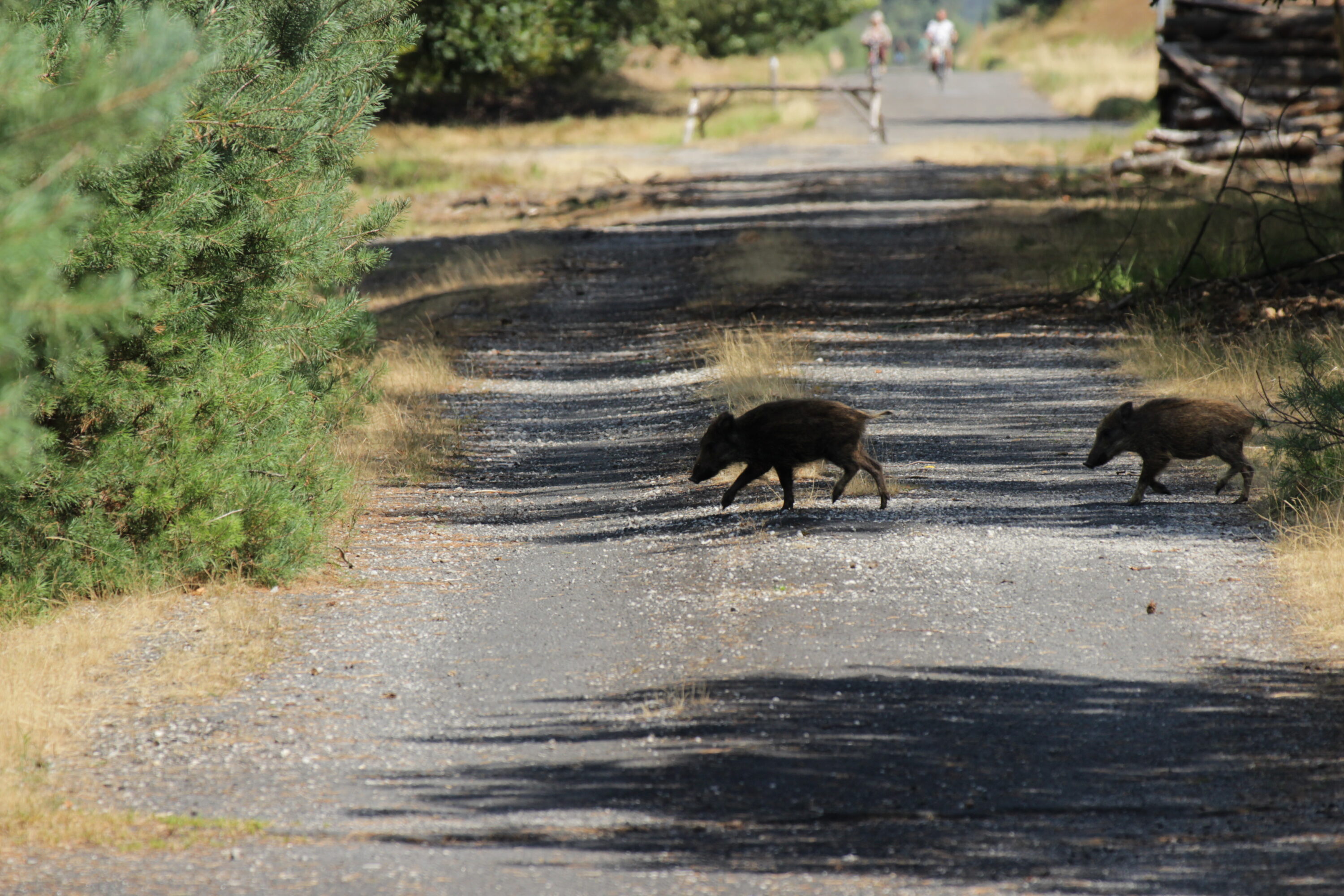
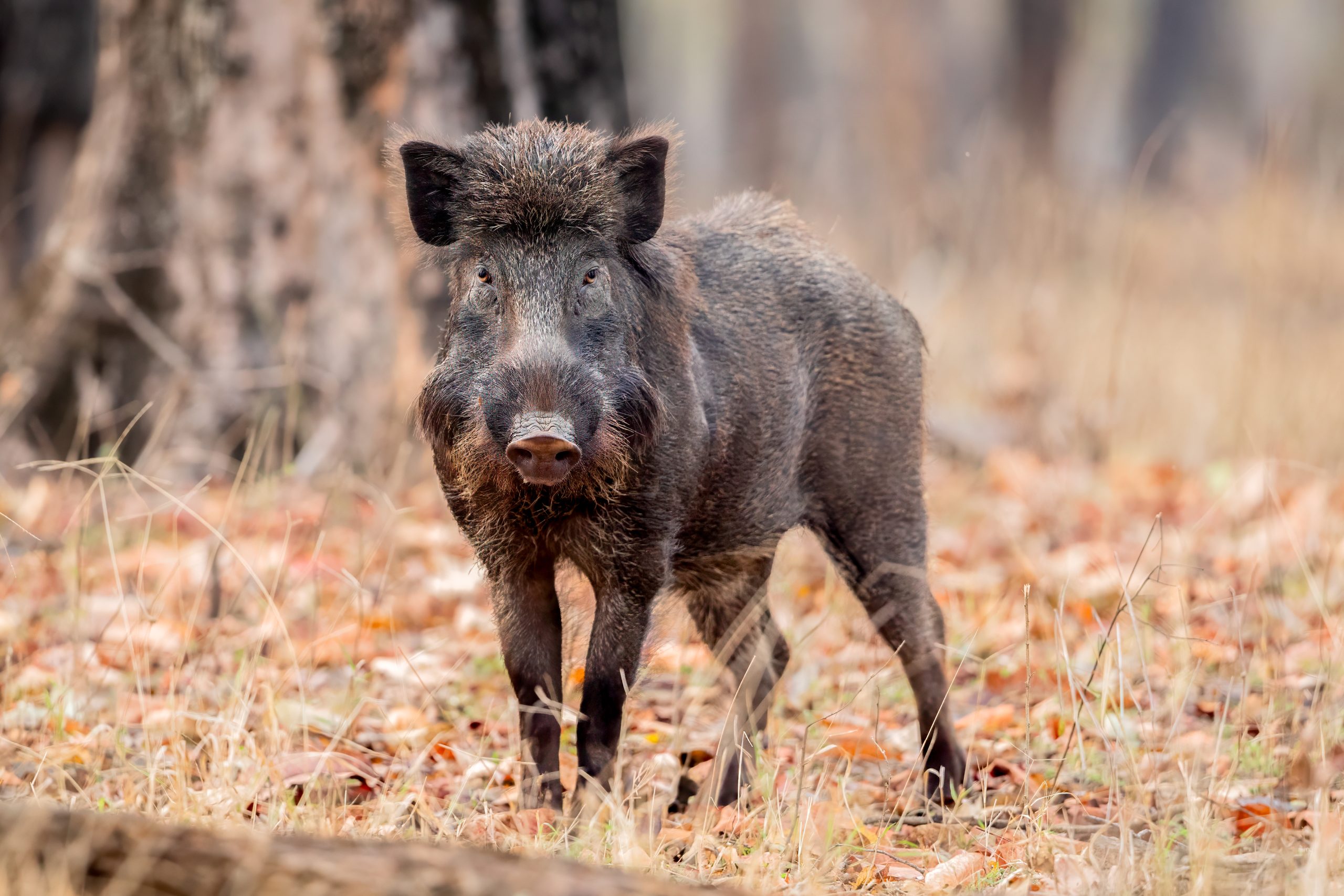
Wild boar can provide clues about the trace elements present in the environments where they live. A study in central and eastern Slovakia measured iron, copper and zinc in kidney, liver and muscle samples from 147 hunted wild boar (Sus scrofa). The researchers compared animals from four districts—Rimavská Sobota, Revúca, Rožňava and Košice—and also examined differences by age and sex.
The team measured the concentrations of the three elements in each tissue using flame atomic absorption spectrometry, a laboratory method for quantifying elements in samples. The districts have different histories and levels of agriculture, mining and industry, but the researchers did not measure element concentrations in local soil or vegetation.
Iron and copper were concentrated in the liver and kidneys
Across the samples, iron and copper concentrations were generally highest in the liver and kidneys and lowest in muscle. Zinc was distributed more evenly among the three tissues. Its mean concentration did not differ significantly among the four districts overall.
Copper showed clearer differences between districts. Wild boar from Revúca had higher mean kidney copper concentrations than animals from Košice and Rimavská Sobota. In muscle, the mean was higher in animals from Revúca than in those from Rožňava and Rimavská Sobota. The regional results did not follow one uniform pattern across all three elements and tissues.
Age patterns were clearest for iron
Concentrations tended to rise with age, most clearly for iron; age-related patterns for copper and zinc were weaker. The detailed results showed differences between age groups for particular elements, tissues and districts, rather than a significant increase in every comparison. The study found no overall statistically significant differences between males and females.
The authors interpret the regional patterns, particularly for iron and copper, as consistent with exposure in districts with histories of mining and metalworking. They suggest that wild boar could be useful as bioindicators—animals whose measured tissue concentrations can help indicate environmental conditions. However, the study shows associations, not that mining or industry caused the concentrations found. Because soil and vegetation were not sampled alongside the animals, the results cannot directly link tissue levels to local environmental concentrations. Pairing those measurements in future work could provide a more direct assessment.
Ecology
Related news
Roe Deer and Wild Boar Remained Key Wolf Prey as Diet Shifted Across North-western Italy
Wolf diet in north-western Italy remained dominated by wild prey from 2021–2025. Roe deer and wild boar were…
Read story →
Wild-Boar-Type Juvenile Stripes Were Linked to MC1R, KIT and Local TYRP1 Regulation
A study of 932 crossbred pigs linked the wild-boar-type juvenile stripe pattern to genomic regions containing MC1R and…
Read story →
Grazed and Non-Grazed Sites Had Similar Mammal Richness but Different Species Associations
Across 75 camera traps in four northern Israeli reserves, grazed and non-grazed areas had similar mammal richness and…
Read story →SPECIES IN THIS STORY
Species in this story
Independent research and conservation news archive
Did you find this information useful?
Wildlife Vagabond is independently built and maintained. Voluntary support helps cover source verification, hosting and continued work on research and conservation news.
Support Wildlife VagabondThe news archive will remain freely available.