
Parvovirus From Wild Coyote Pups in Mexico Was Closely Related to Dog CPV-2c Strains
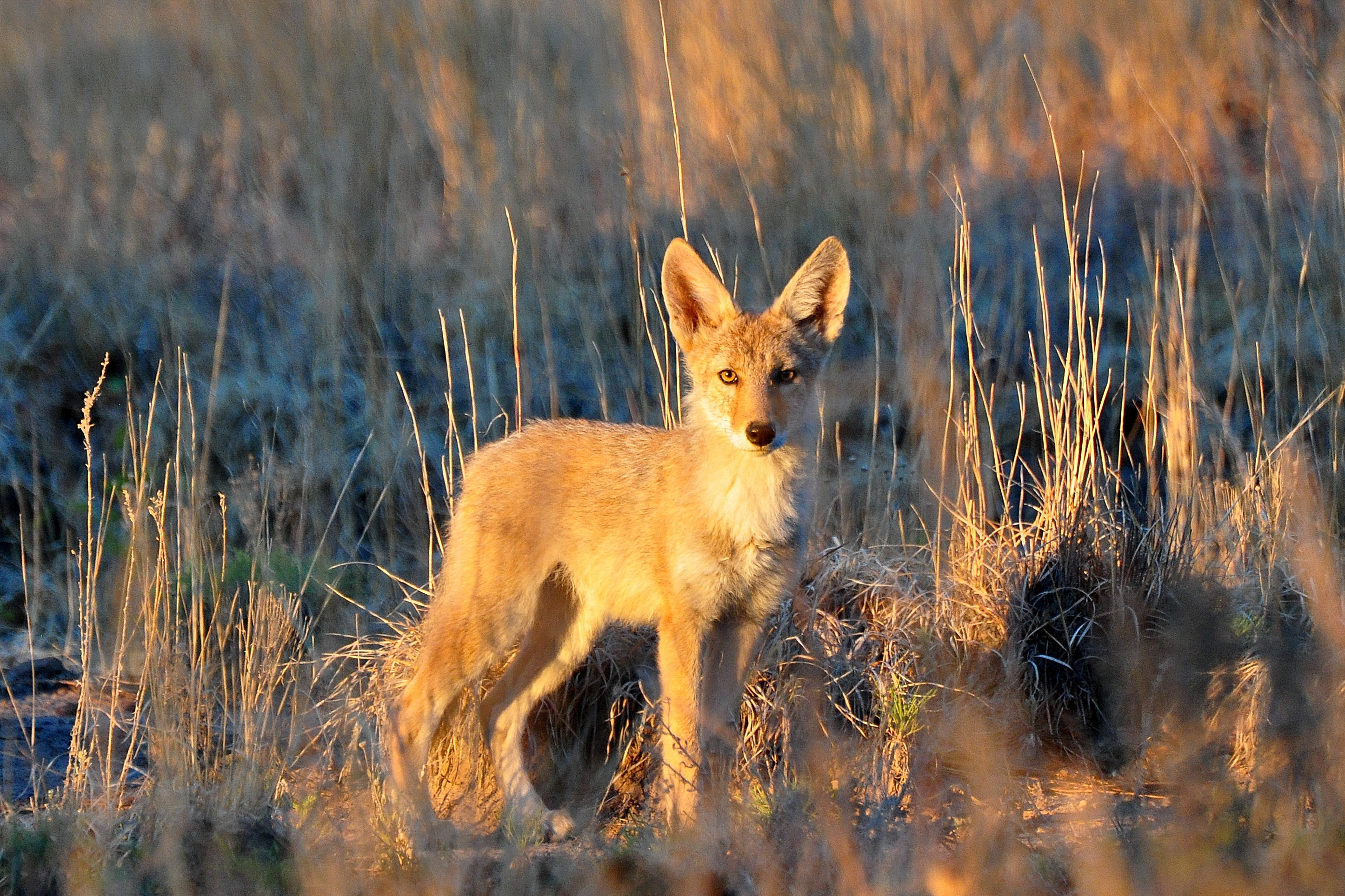
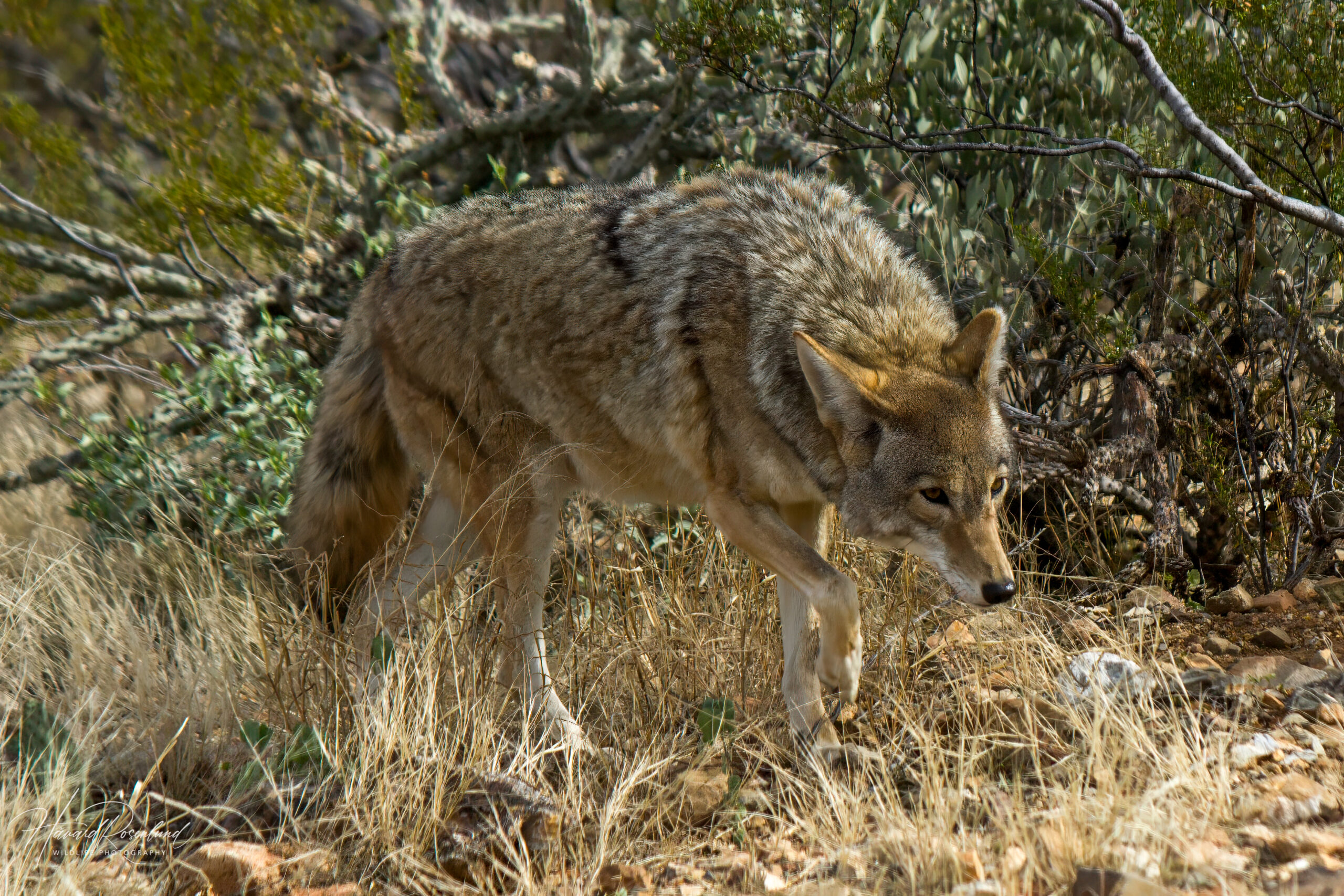
Three wild coyote (Canis latrans) pups with gastroenteritis in Nuevo León, northeastern Mexico, carried canine parvovirus type 2c (CPV-2c). Researchers isolated virus from all three animals and obtained complete viral genomes from two of them.
The pups were only about two to three months old and showed clinical signs including lethargy, fever and diarrhoea. Previous work had already detected CPV-2c in coyotes from the region; the new study extended this by analysing complete genomes from clinically affected wild animals.
The two genomes belonged to CPV-2c
Both sequenced viruses were classified as CPV-2c. The researchers identified several changes in viral proteins, including an L354V substitution in the helicase region of the NS1 protein in both genomes. NS1 is important for parvovirus replication, making the change biologically interesting, but the study did not show that it altered viral function or caused the pups’ clinical signs.
The coyote viruses were closely related to strains from dogs
Phylogenetic analyses placed the two coyote viruses close to CPV-2c strains circulating in domestic dogs (Canis lupus familiaris) in Mexico and the United States. The authors interpret this close genomic relationship as strong evidence of recent transmission across the domestic dog–coyote interface.
The genomes cannot show which direction the virus moved. Transmission may have occurred from dogs to coyotes or in the opposite direction, and the study does not identify the specific contact event responsible.
The authors describe the work as the first complete genomic characterisation of clinical CPV-2 infection in wild coyotes in Mexico. They argue that genomic surveillance of wildlife and domestic animals can help reveal how parvovirus variants move between hosts where wild carnivores and dogs share the same landscape.
Disease, parasites & microbiology
Related news
Coyotes Increased Across Illinois Over Four Decades, but County Trends Varied
Four long-running Illinois surveys together showed a statewide coyote increase from 1980–2023, while county-level populations followed more variable…
Read story →
Mange in Coyotes Varied With Urban Density and Habitat Connectivity Across North American Cities
Camera-trap data linked visible mange in coyotes to urban intensity and habitat connectivity at two spatial scales, while…
Read story →
Coyotes Chose Steep Slopes and Stable Soils for Dens in Elk Island National Park
A study of 42 coyote dens in Elk Island National Park found that steep slopes, stable soils and…
Read story →SPECIES IN THIS STORY
Species in this story
Independent research and conservation news archive
Did you find this information useful?
Wildlife Vagabond is independently built and maintained. Voluntary support helps cover source verification, hosting and continued work on research and conservation news.
Support Wildlife VagabondThe news archive will remain freely available.