
Deliberate Persecution Was Ruled Out After a Crowned Eagle Mother and Chick Died in Durban
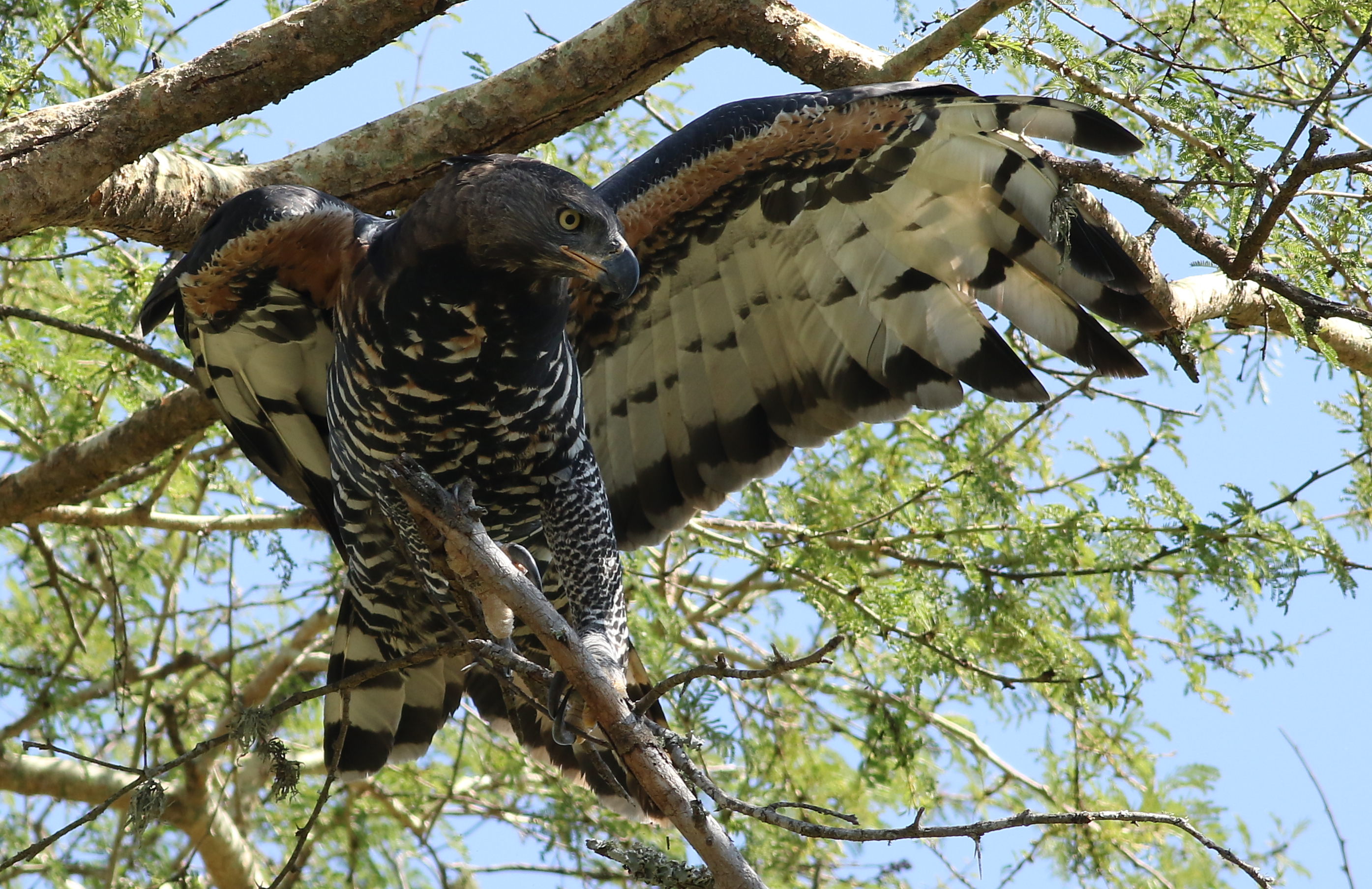
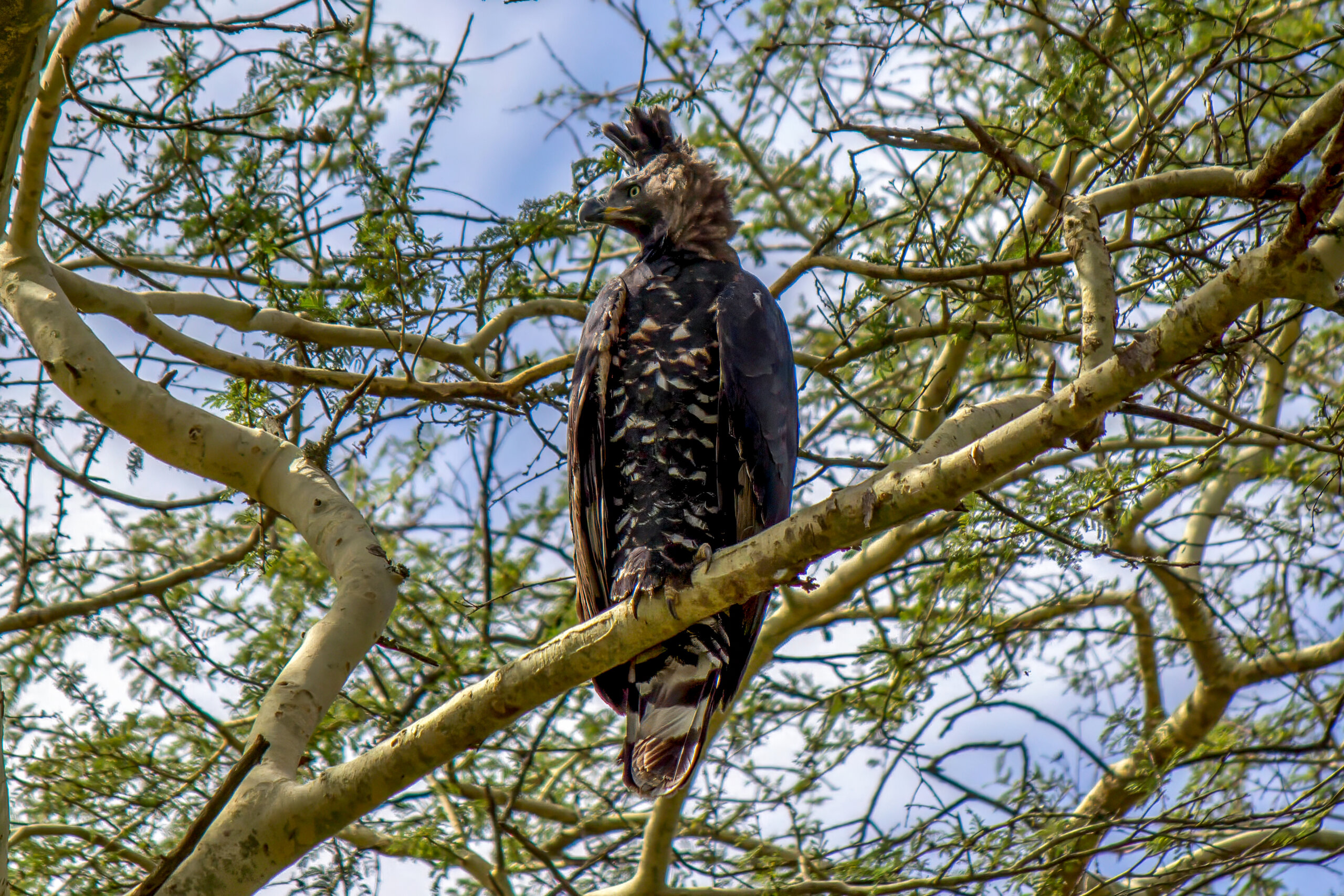
A tracked crowned eagle (Stephanoaetus coronatus) mother and her recently fledged chick died within days of each other in Durban, South Africa, after both were found unable to balance and showing paralysis-like signs. Follow-up testing ruled out deliberate poisoning and physical trauma, but did not identify the exact cause of death.
CO2 died first, followed by CUP
The birds were part of the Crowned Eagle Research monitoring programme in the Cowies Hill area. The chick, known as CO2, triggered concern on 28 February 2026 when tracking data indicated that it was positioned upside down. After an urgent search, it was found late that afternoon in a severely weakened state, unable to lift its head. It received veterinary treatment and was transferred to FreeMe Wildlife, but died overnight.
Attention then turned to the adult female, CUP. Tracking data showed that she had remained in one area in New Germany Nature Reserve after visiting the nest, and her transmitter later also indicated an abnormal upside-down position. A search team found her in very poor condition. She was taken for veterinary care but also died during the night.
Testing ruled out deliberate poisoning but not every possible cause
The similarities between the two cases raised immediate concern that the birds might have been exposed to a toxin or disease. Post-mortem examinations, or necropsies, found no evidence that they had been shot or suffered other physical trauma, and laboratory testing was used particularly to investigate whether deliberate poisoning or persecution was involved.
FreeMe Wildlife raptor specialist Tammy Caine later reported that the tests had ruled out deliberate poisoning. Both birds had been in good body condition and showed normal tracked movements until their sudden decline. They then developed similar neurological signs, including loss of balance and an inability to remain perched, and both died within about 24 hours of being found in distress.
The investigation did not establish a specific alternative cause. Caine stressed that other toxins and pathogens could not be excluded, and that the high cost of additional laboratory testing meant the non-profit organisation had to be selective about which possibilities could be tested. The conclusion was therefore narrower than identifying a cause: the investigation achieved its main aim of ruling out deliberate persecution.
Crowned Eagle Research project leader Shane McPherson said that distinguishing different causes of mortality is important because some human-related threats can be reduced once they are identified. The project has monitored Durban’s urban crowned eagles since 2012 to study their breeding, survival and interactions with a heavily modified landscape.
The laboratory findings were reported on 8 April 2026, following the deaths in late February and early March.
Threats
Related news
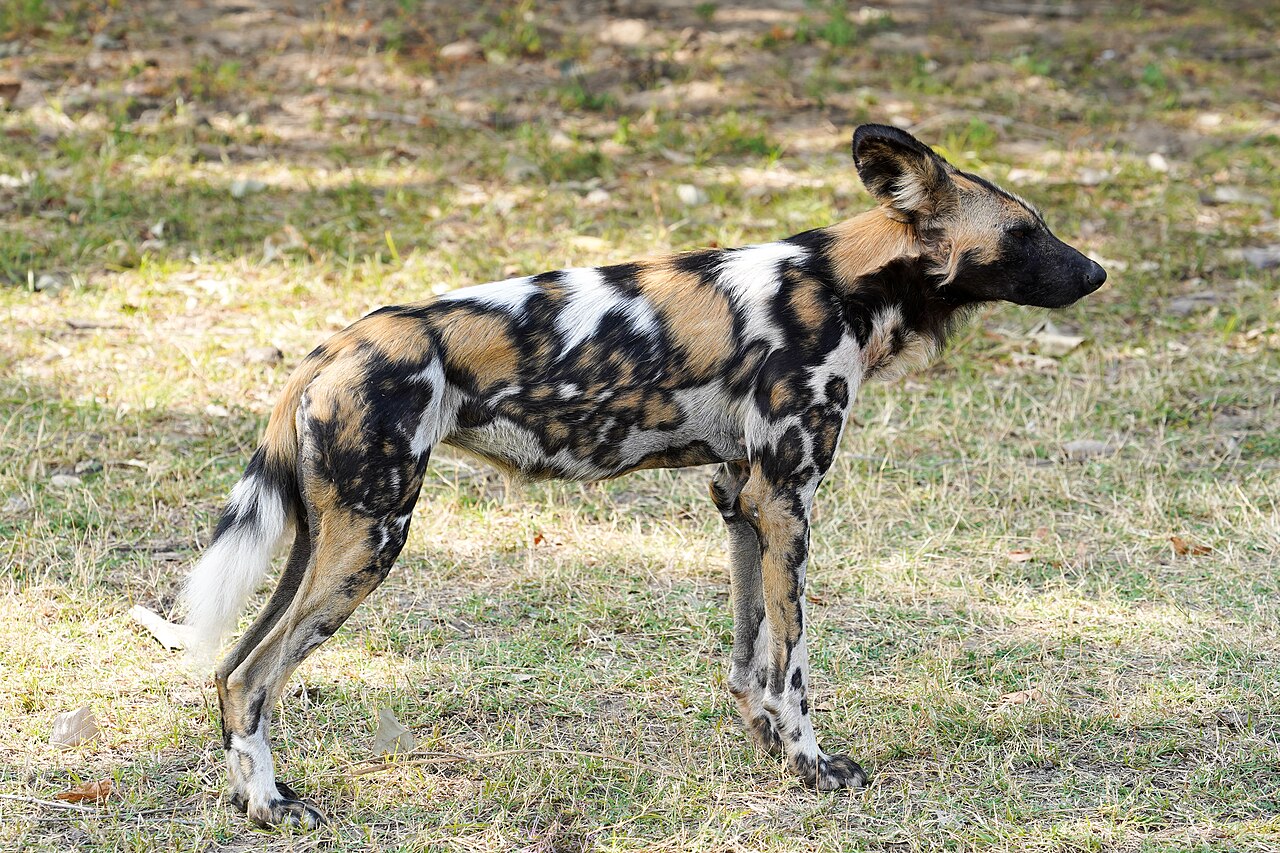
Four African Wild Dog Dispersals Totalled 9,863 km but Produced Little Genetic or Demographic Connectivity
GPS-tracked African wild dogs from Zambia crossed protected and human-dominated landscapes, including one journey of more than 2,300…
Read story →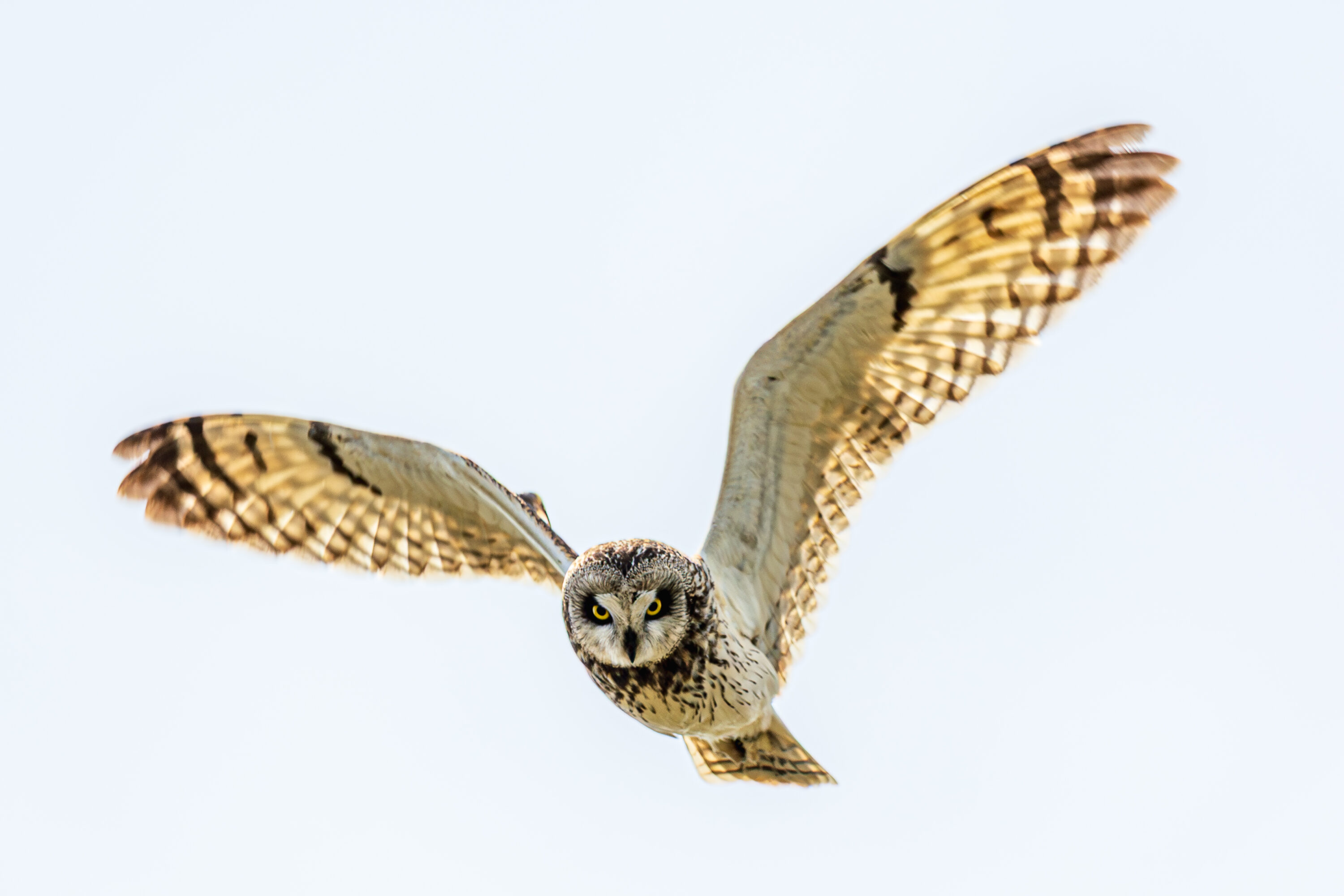
Western Finland’s Short-eared Owl Breeding Population Fell More Than 50% as Grassy Habitat Shrunk 46%
Over 47 years in western Finland, the local Short-eared Owl breeding population fell by more than 50% while…
Read story →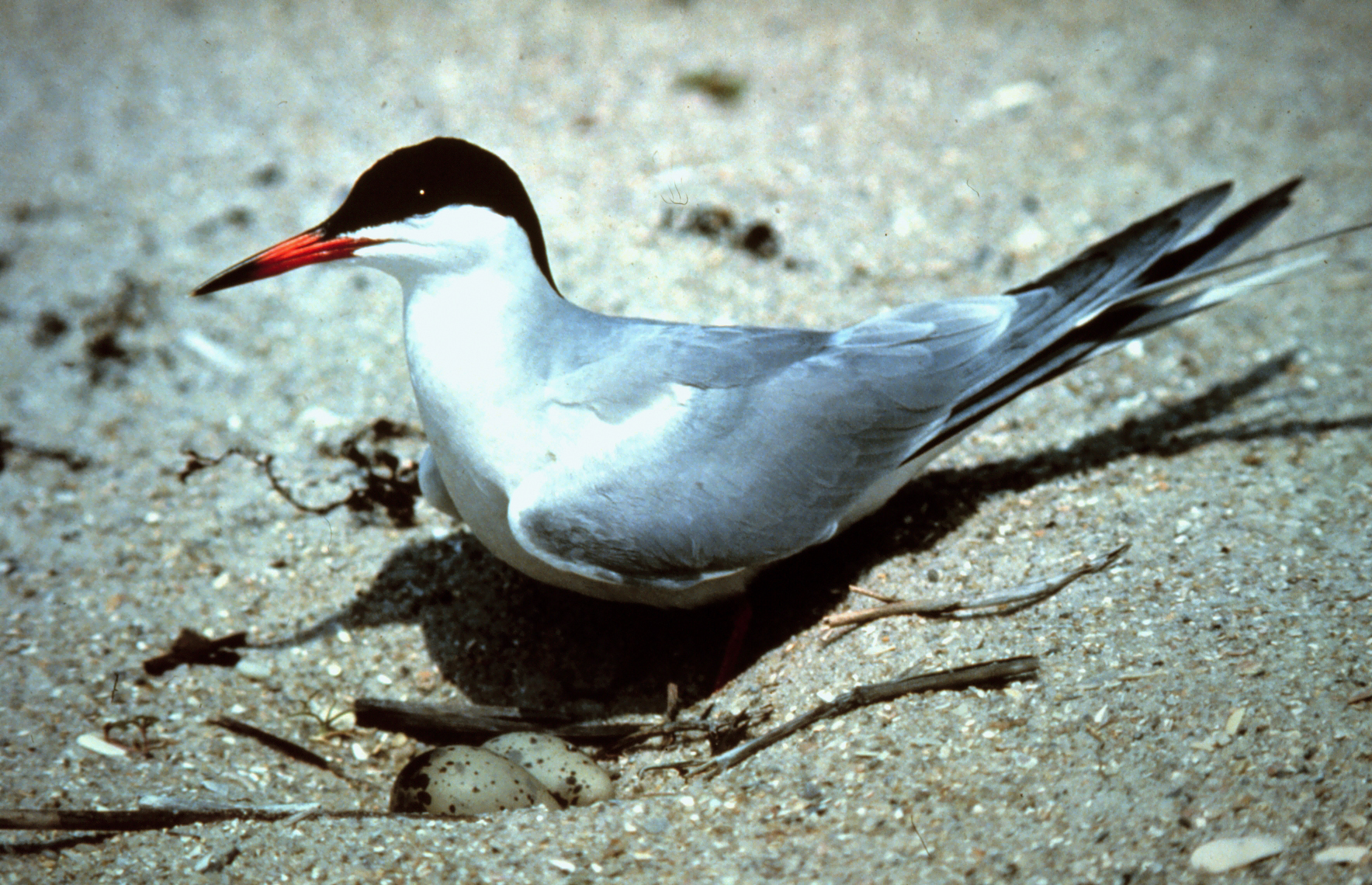
Common Tern Eggs Had More PCBs, HCB and Mercury Than Oystercatcher Eggs in 40-Year Wadden Sea Study
Monitoring from 1981–2023 found higher PCB, HCB and mercury levels in common tern eggs than in Eurasian oystercatcher…
Read story →SPECIES IN THIS STORY
Species in this story
Independent research and conservation news archive
Did you find this information useful?
Wildlife Vagabond is independently built and maintained. Voluntary support helps cover source verification, hosting and continued work on research and conservation news.
Support Wildlife VagabondThe news archive will remain freely available.