
Crowned Eagles in the City Prefer Forest
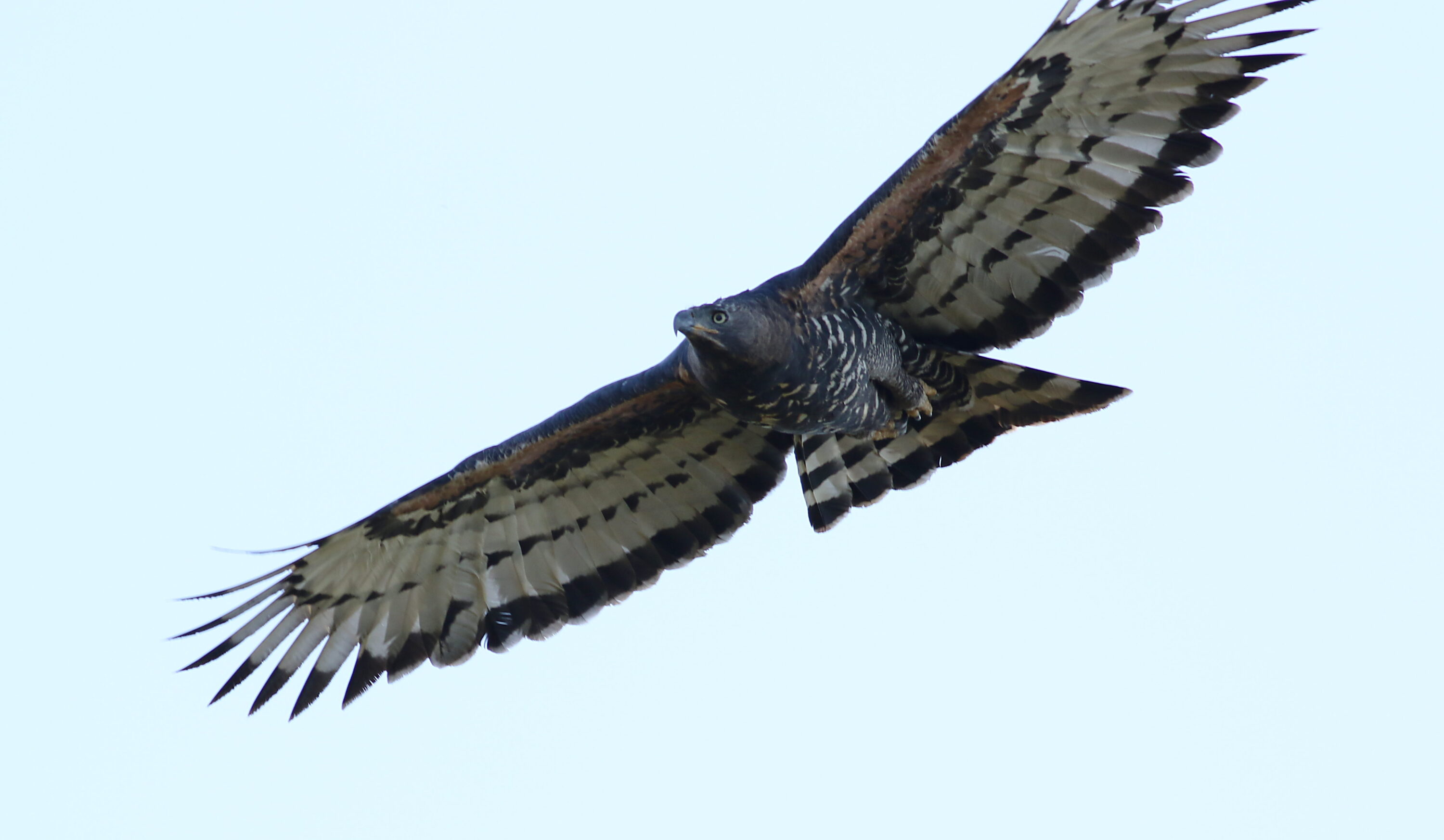
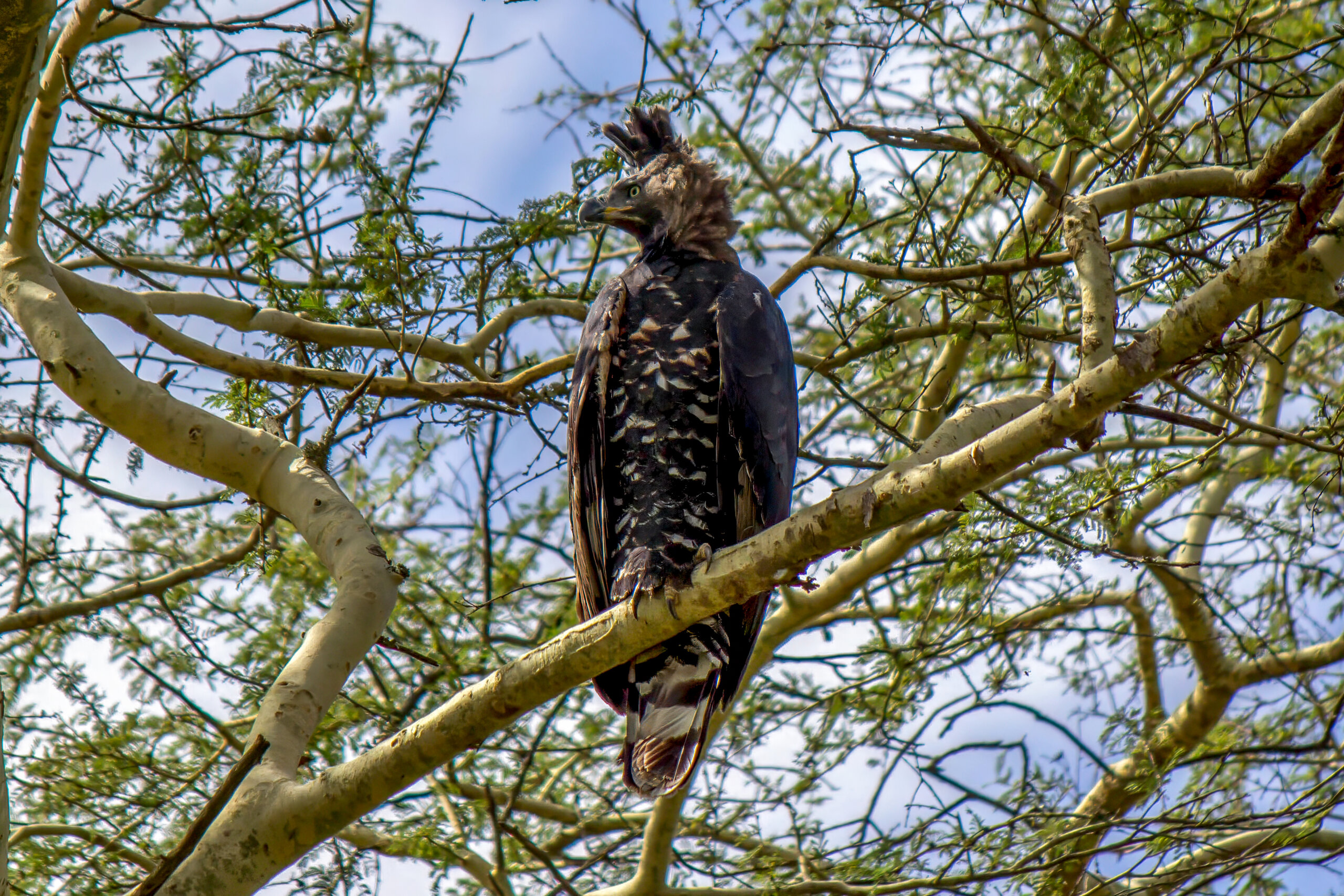
Crowned eagles (Stephanoaetus coronatus) can breed in a major city, but forest remains important to them. Five adults tracked in Durban, South Africa, preferred forest to built-up areas. Their movements also suggested that activity among buildings required more energy.
Durban supports an unusually dense breeding population of this large, forest-adapted raptor. The eagles live among forest patches, homes and roads. Researchers wanted to understand both which parts of that landscape they used and how demanding those places were.
Three males and two females carried GPS tags and accelerometers, sensors recording body movements. Movement intensity provided an indirect measure of energy expenditure. Linking it to locations allowed the team to compare activity in forest and built-up areas.
Different ranges, the same preference for forest
The eagles used very different-sized areas, ranging from about 1.4 to 16.4 km². Yet all five selected forest over built-up land after the researchers accounted for how much of each habitat was available.
Why activity in built-up areas appeared more energetically costly remains unresolved. The researchers suggest that encounters with people, vehicles and domestic animals could trigger more escape responses. Fewer suitable perching and resting sites could also require more movement between forest patches.
Crowned eagles are adapted to hunting in forest, with relatively short wings for their large bodies. Powered flight costs much more than gliding. The researchers therefore suggest that flight behaviour may help explain the higher energy expenditure outside forest.
Green space means more than a line on a map
Many forest patches belong to D’MOSS, the city’s green-space network. This is not one continuous forest: it also contains development, and only a small part is formally protected.
Movement measurements suggested increasing energy expenditure farther from the network’s boundary, both inward and outward. The researchers propose that greater hunting activity could explain the increase within green spaces, while disturbance and demanding movement could contribute outside. High activity may therefore have different meanings in the two settings.
The study of five breeding eagles underlines the importance of preserving forest patches and the connections between them. For a large raptor living in a city, available habitat is also about the energy required to move, rest and find food.
Ecology
Related news
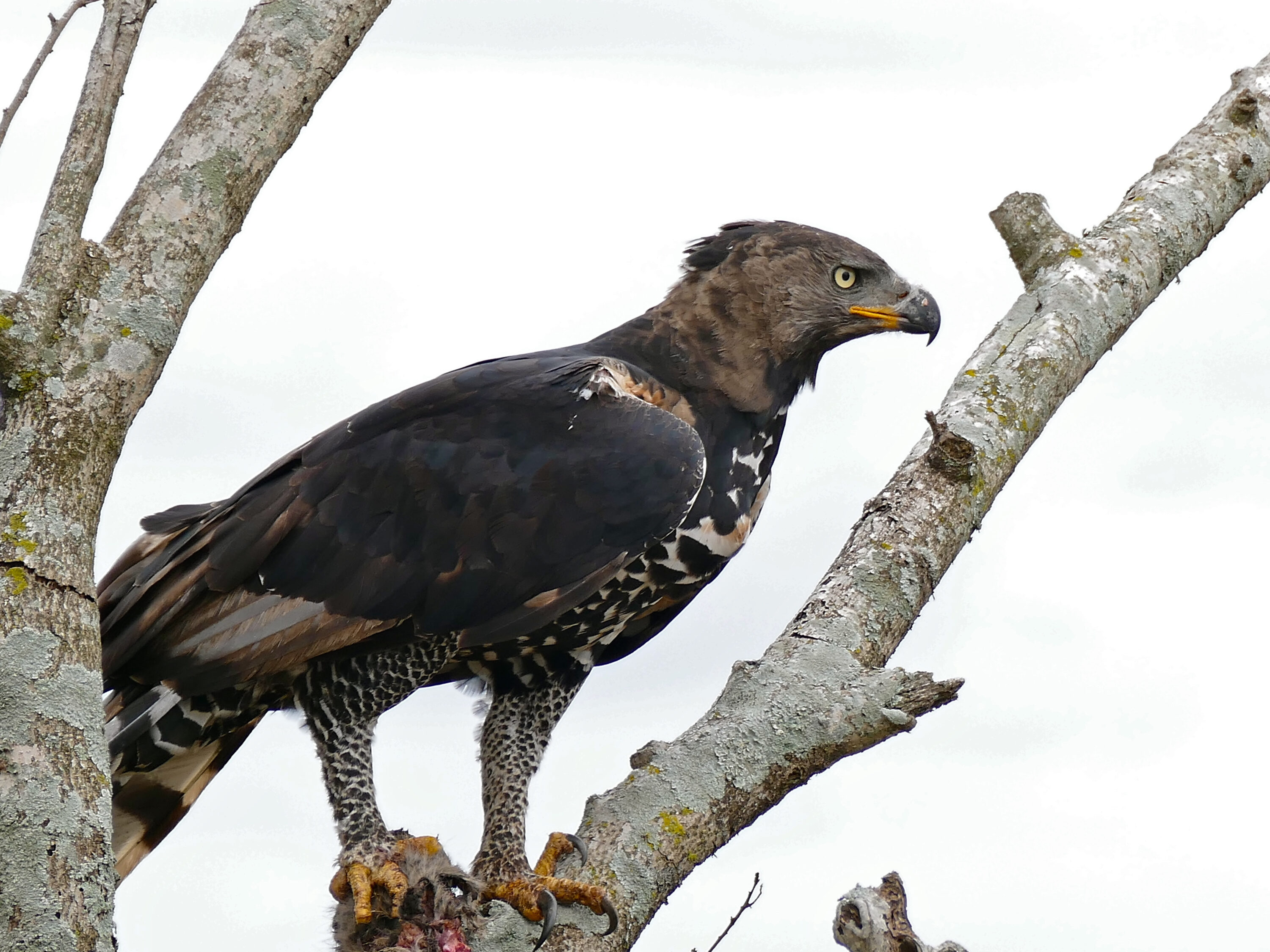
Crowned Eagle Incubated Two Egyptian Goose Eggs Alongside Its Own
A crowned eagle in South Africa incubated a mixed clutch containing its own egg and two Egyptian goose…
Read story →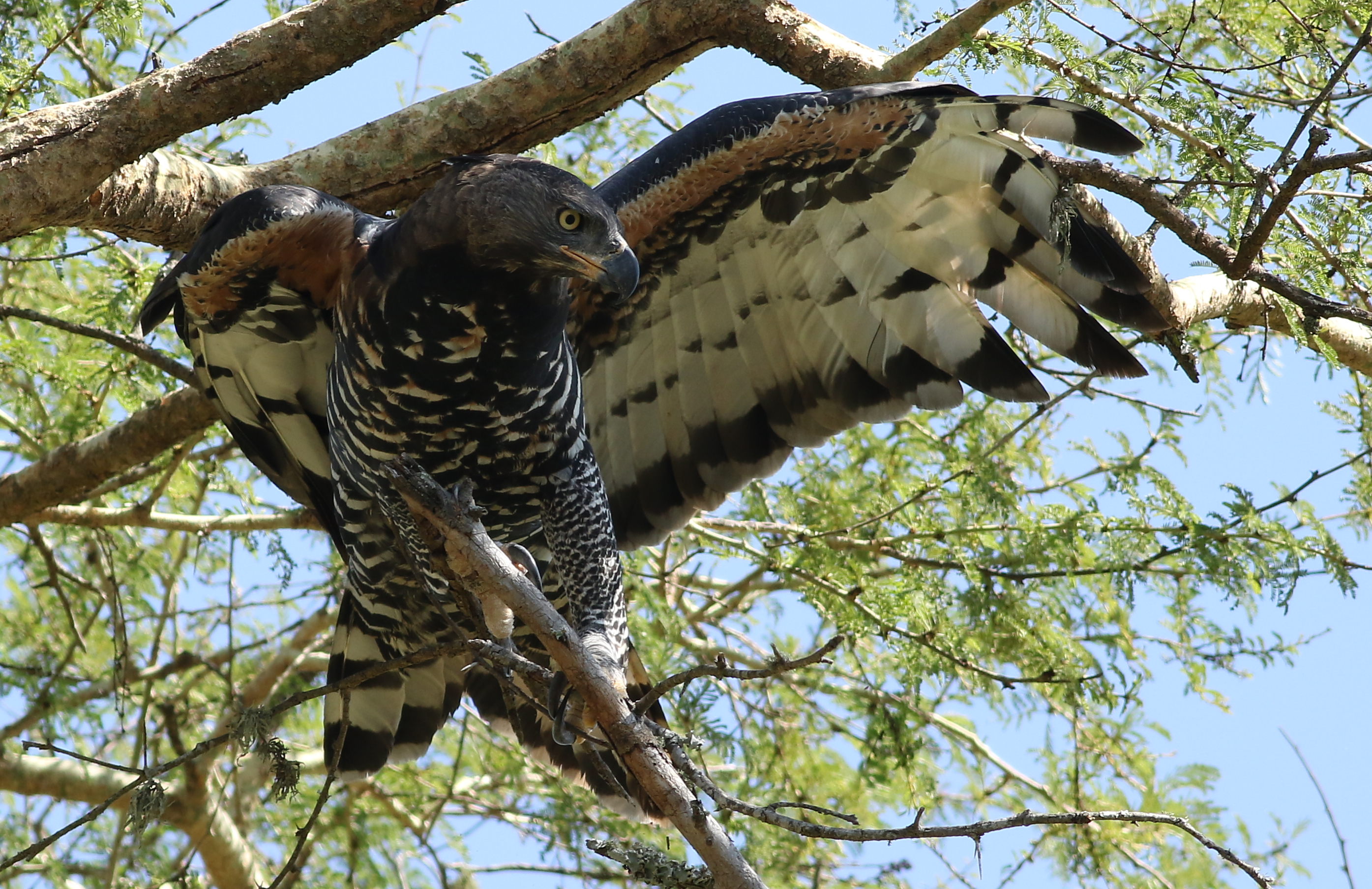
Deliberate Persecution Was Ruled Out After a Crowned Eagle Mother and Chick Died in Durban
A tracked crowned eagle mother and her recently fledged chick died within days in Durban after both developed…
Read story →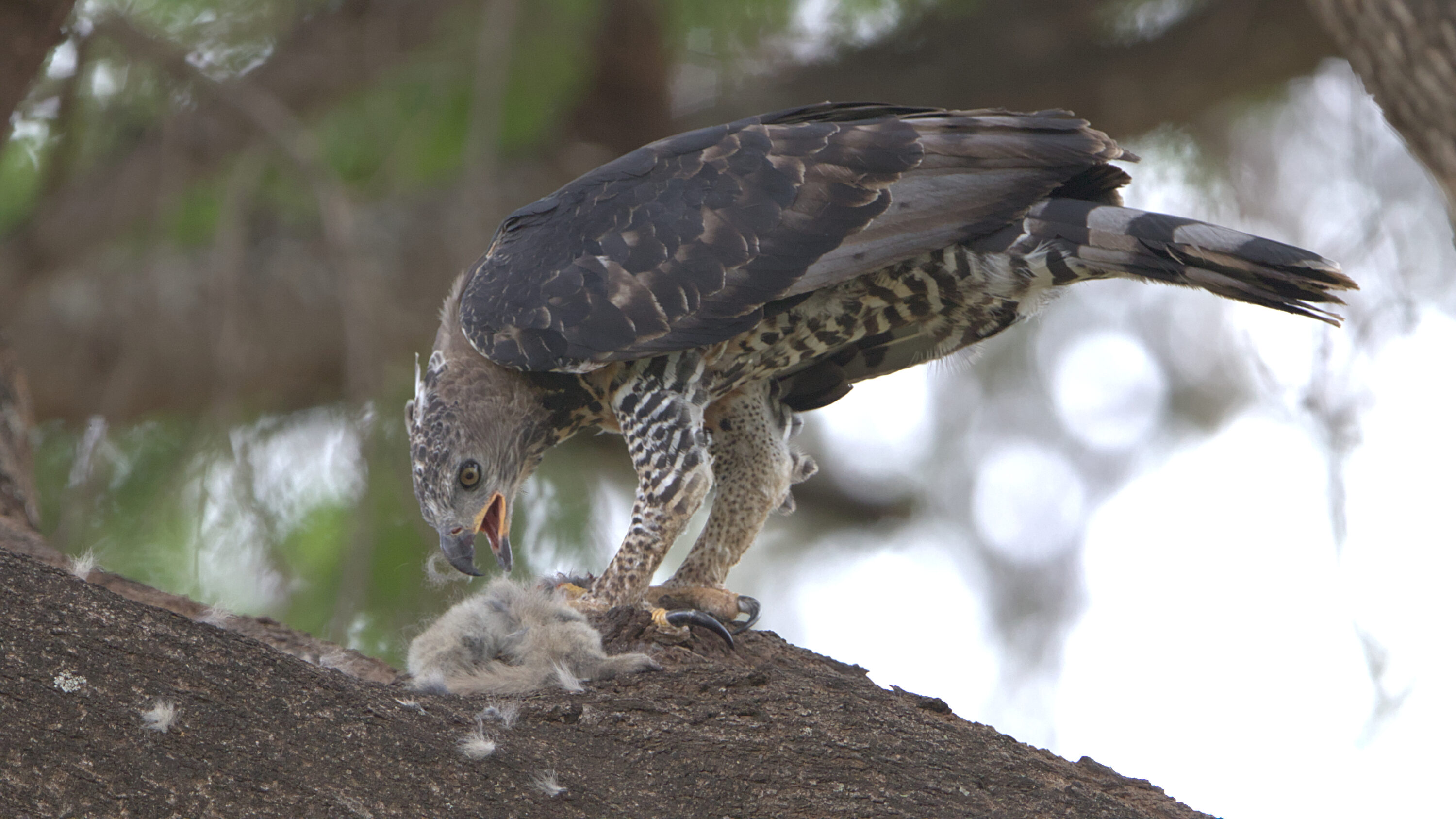
Urban Crowned Eagles Used More Energy Near Roads and Green-Space Boundaries in Durban
GPS and accelerometer data from crowned eagles in Durban showed substantially higher energy expenditure in transformed habitats, particularly…
Read story →SPECIES IN THIS STORY
Species in this story
Independent research and conservation news archive
Did you find this information useful?
Wildlife Vagabond is independently built and maintained. Voluntary support helps cover source verification, hosting and continued work on research and conservation news.
Support Wildlife VagabondThe news archive will remain freely available.