
Dew, Wind and Cloud Cover Influenced Pheasant Brood Detection Across 11 US States
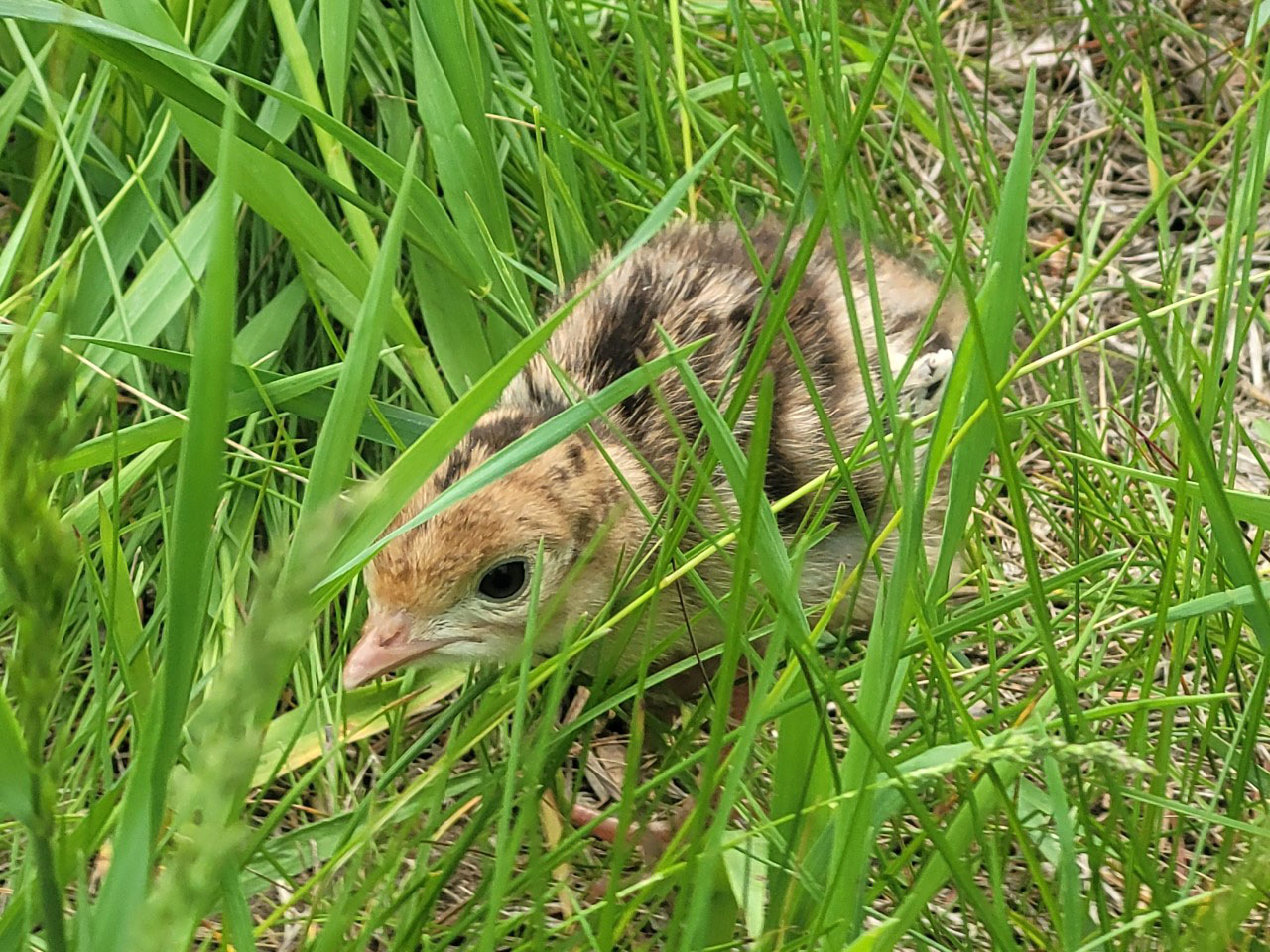
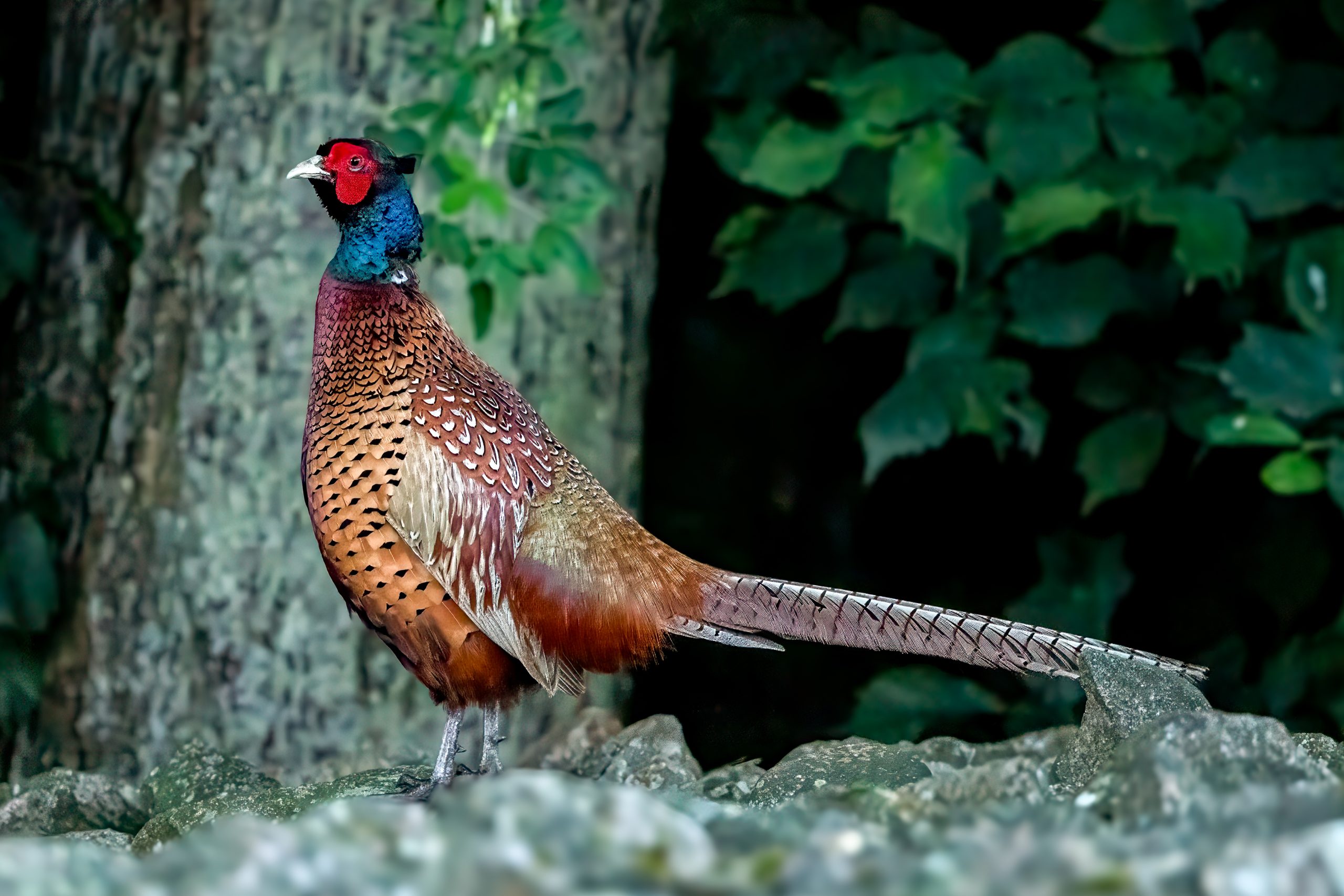
A large-scale study of common pheasant (Phasianus colchicus) brood surveys across the United States found that weather and ground moisture affected how likely observers were to detect family groups. The researchers analysed 1,000 replicated roadside surveys conducted on 92 routes in 11 states between 2019 and 2021, covering 174 route-by-year combinations.
Observers recorded 2,629 pheasant broods. At average environmental conditions, the model estimated a median brood-detection probability of 0.10. Dewpoint depression had the strongest effect: mornings when air temperature was closer to the dewpoint, and therefore generally dewier, produced higher detection probabilities. Greater wind speed and cloud cover reduced detection, while higher soil moisture increased it. Temperature had comparatively little influence.
Weather changed how reliably brood counts reflected pheasant productivity
The study focused on brood counts because these surveys are widely used as an index of pheasant productivity and population status. Environmental conditions varied among routes, years and regions, meaning that direct comparisons of uncorrected counts can partly reflect changing detection conditions rather than only changes in brood abundance.
The authors recommend conducting surveys on mornings with few clouds, low wind and favourable dew conditions where possible. They also show how replicated surveys or model-based detection estimates can be used to account for imperfect detectability when comparing monitoring results across years and large geographic areas.
Other research
Related news
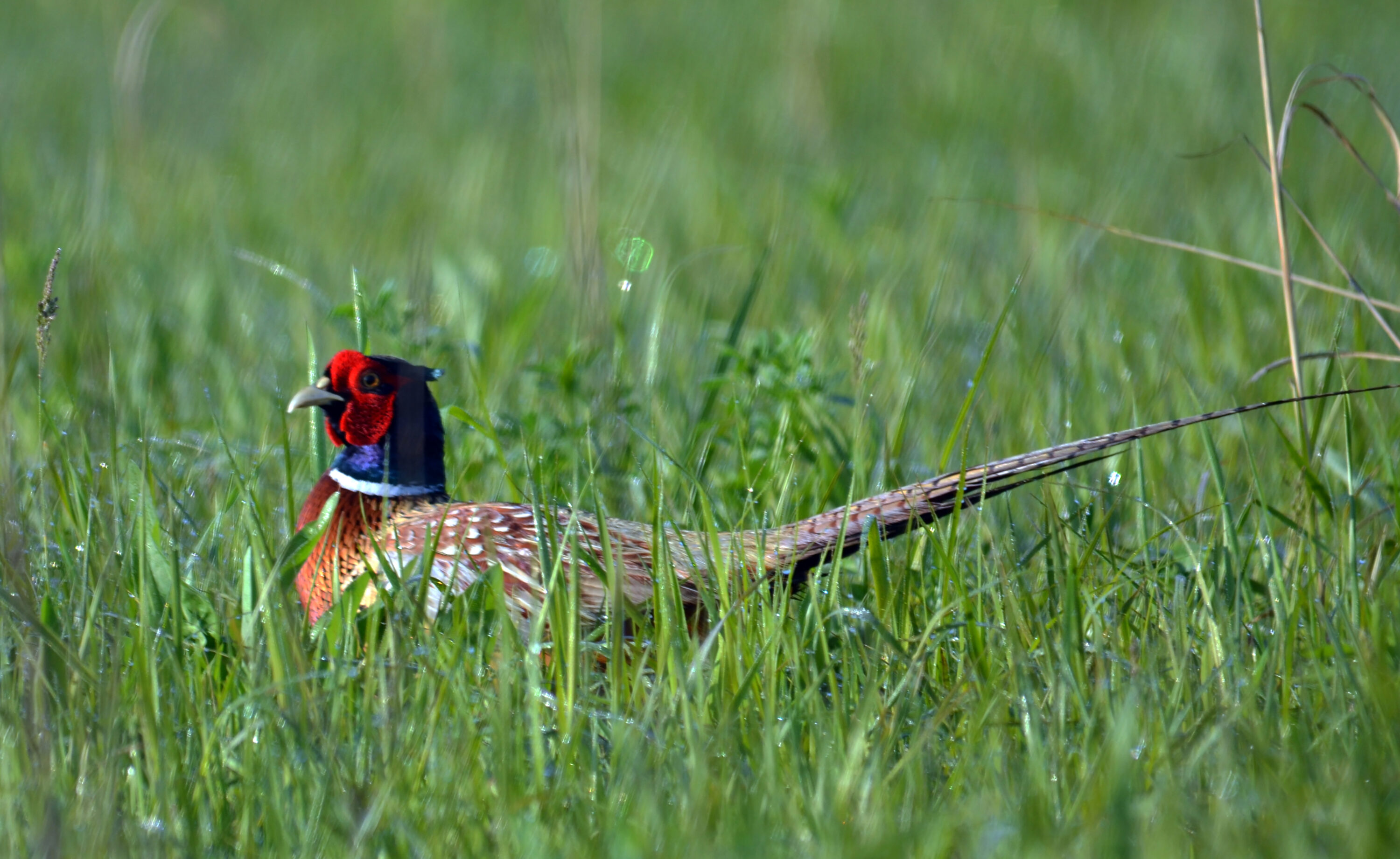
Iowa’s Pheasant Roadside Index Fell 17% From 2025 but Stayed Above the 10-Year Trend
Iowa’s 2026 August roadside survey averaged 22.6 pheasants per comparable 30-mile route, down 17% from 2025 but still…
Read story →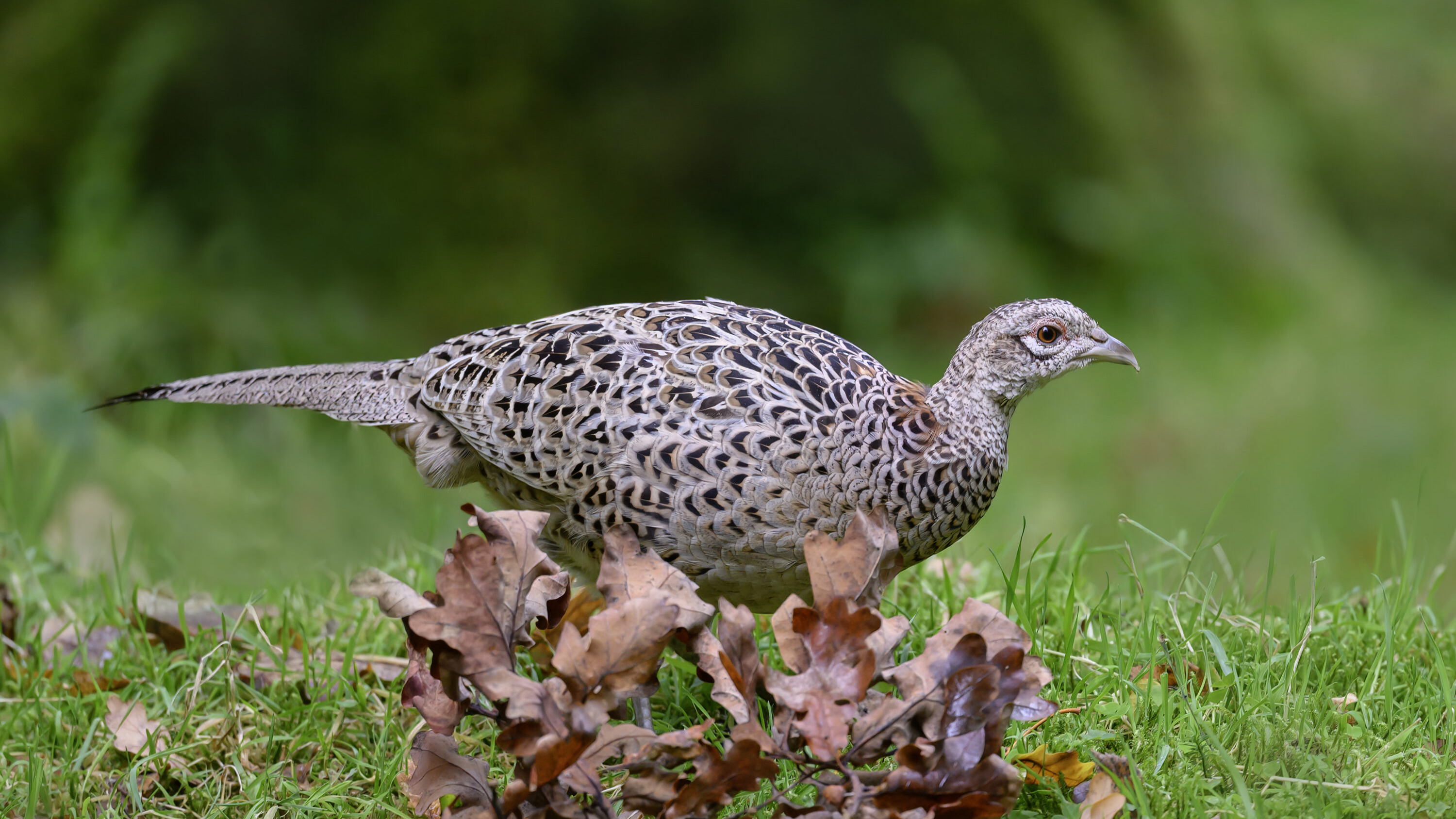
Common Pheasants Were Not More Abundant in English Survey Squares With More Protected Land
BTO atlas data from 3,793 survey squares in four English counties found no evidence that common pheasants were…
Read story →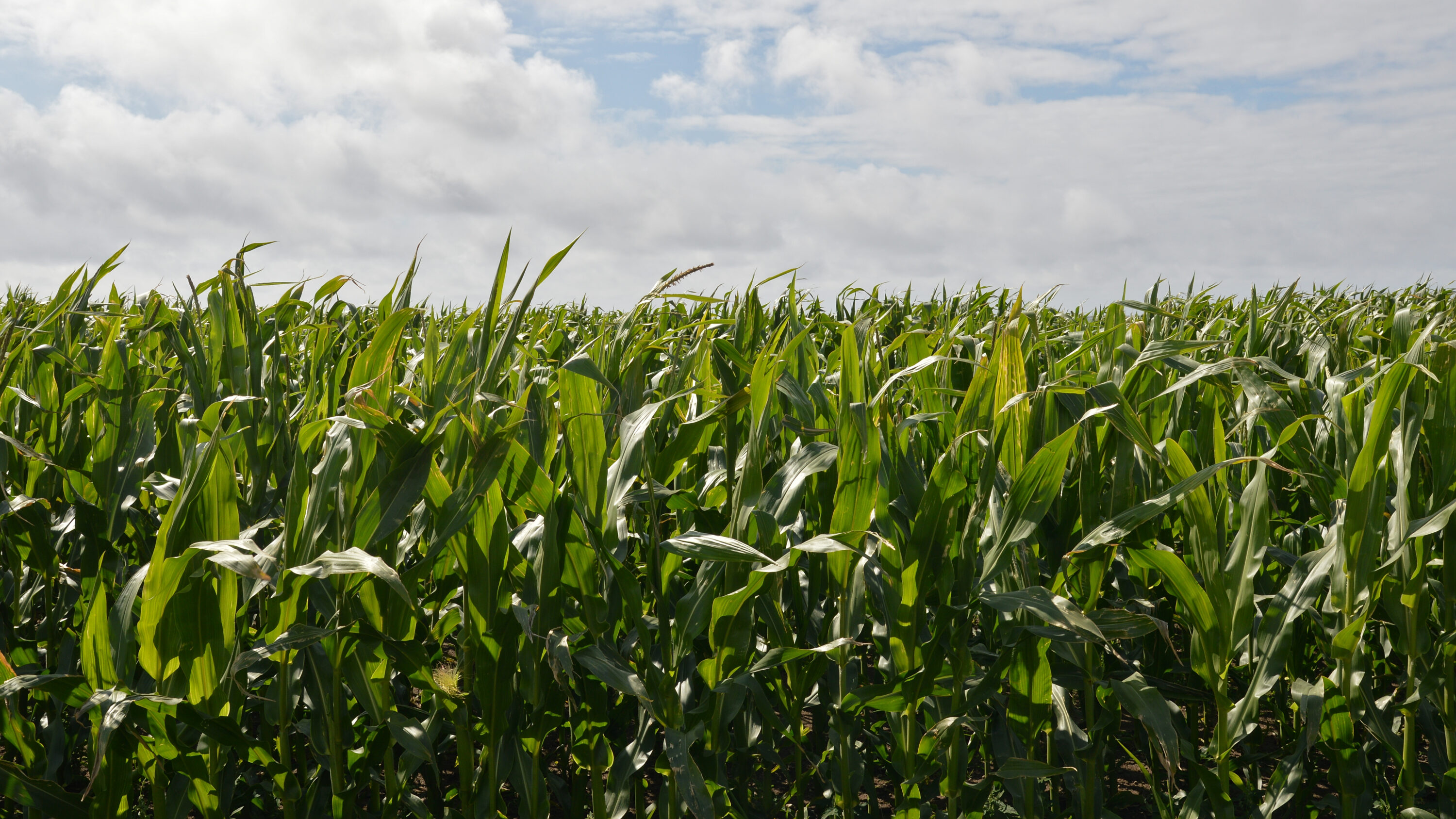
Polish Maize Fields Had Fewer Breeding Bird Species and Lower Bird Density
Across 122 plots in Poland, maize fields had fewer breeding bird species and lower bird density than mosaics…
Read story →SPECIES IN THIS STORY
Species in this story
Independent research and conservation news archive
Did you find this information useful?
Wildlife Vagabond is independently built and maintained. Voluntary support helps cover source verification, hosting and continued work on research and conservation news.
Support Wildlife VagabondThe news archive will remain freely available.