
Three Down-feather Traits Distinguished Common From Scaly-sided Merganser Samples
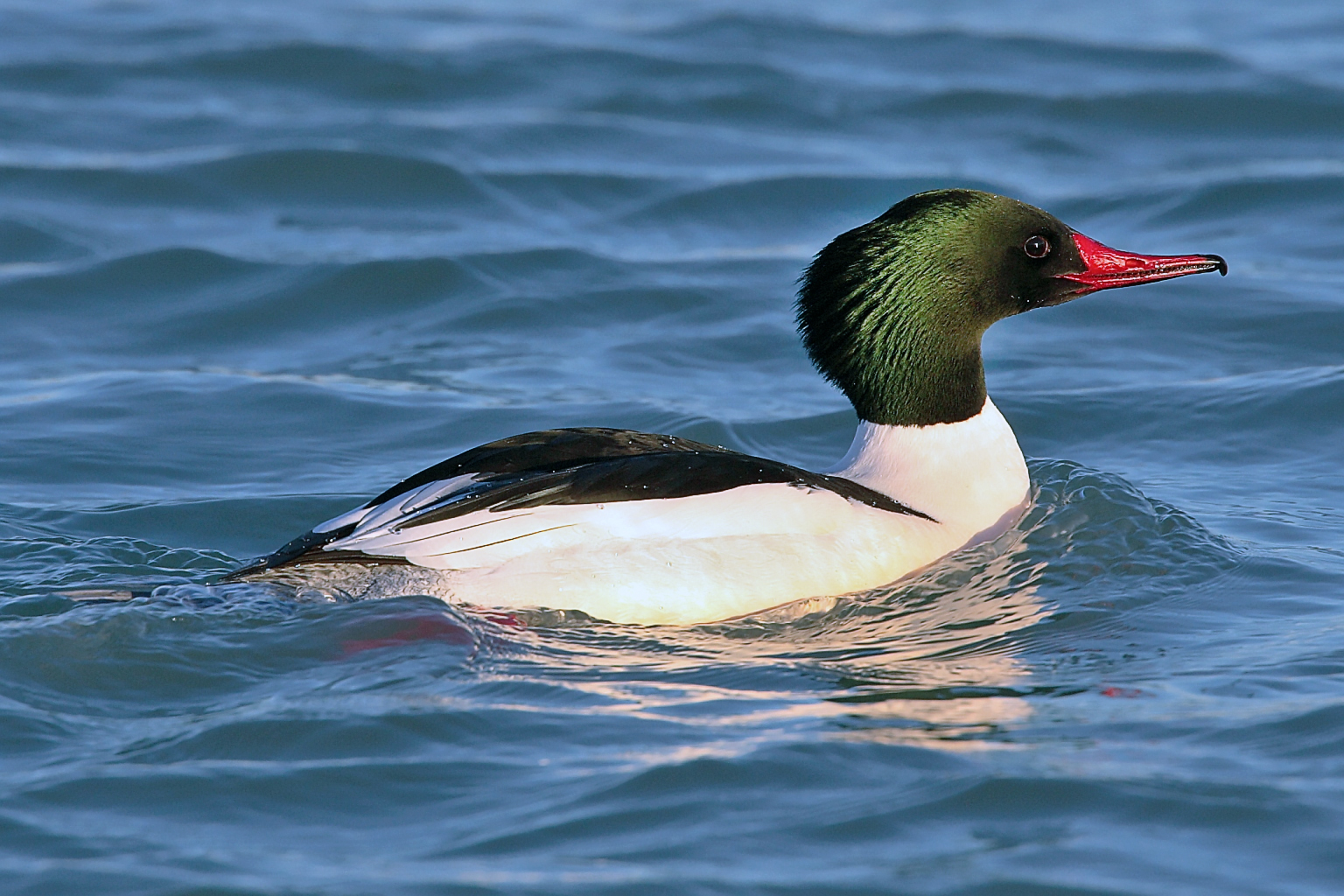
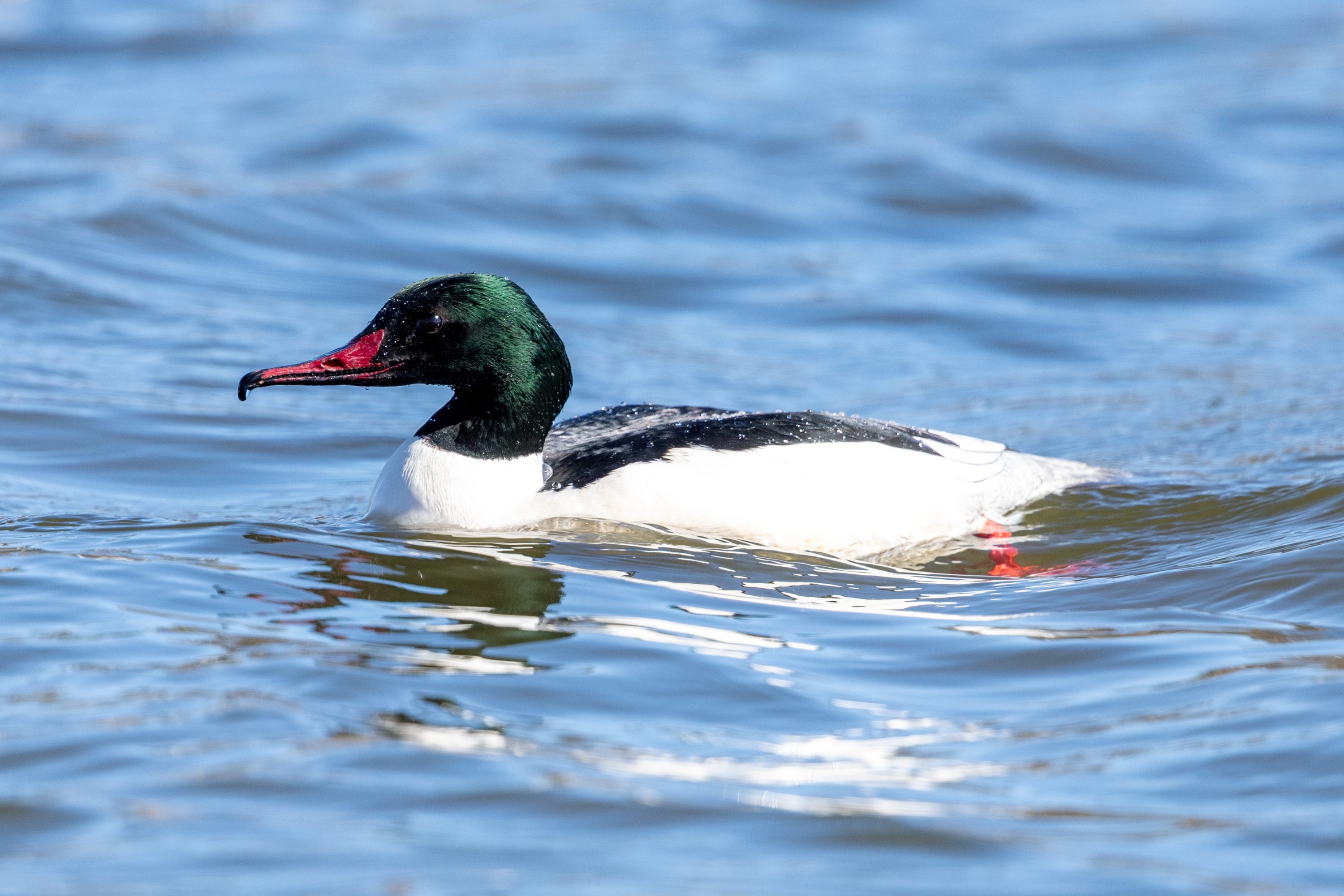
Three microscopic features of down feathers correctly separated Common Merganser (Mergus merganser) and Scaly-sided Merganser (Mergus squamatus) samples in a study published in January 2026. Researchers used scanning electron microscopy to compare contour feathers, tail feathers (rectrices) and down feathers from the two closely related species and tested which measurements were most useful for identification.
The study examined 120 feathers, with 20 contour feathers, 20 rectrices and 20 down feathers from each species. The material represented at least five Scaly-sided Mergansers and three Common Mergansers. Scaly-sided Merganser feathers were collected after a flock of more than 20 birds had left a wintering site at Longhu Mountain in Jiangxi, China. Common Merganser material came from preserved specimens and supplied feathers from Jilin, Liaoning and Fujian provinces.
Down feathers gave the clearest identification
Contour-feather microstructure was relatively weak for identification: a model using barbule base length correctly classified 56.9% of the selected samples. In rectrices, hooklet number and prong length raised the classification rate to 91.3%. Down feathers provided the clearest separation. Their barbules — the fine side branches of a feather barb — carry small expanded nodes along their length. A model combining barbule length, number of nodes and distance between nodes correctly classified 100% of the selected samples in the study dataset.
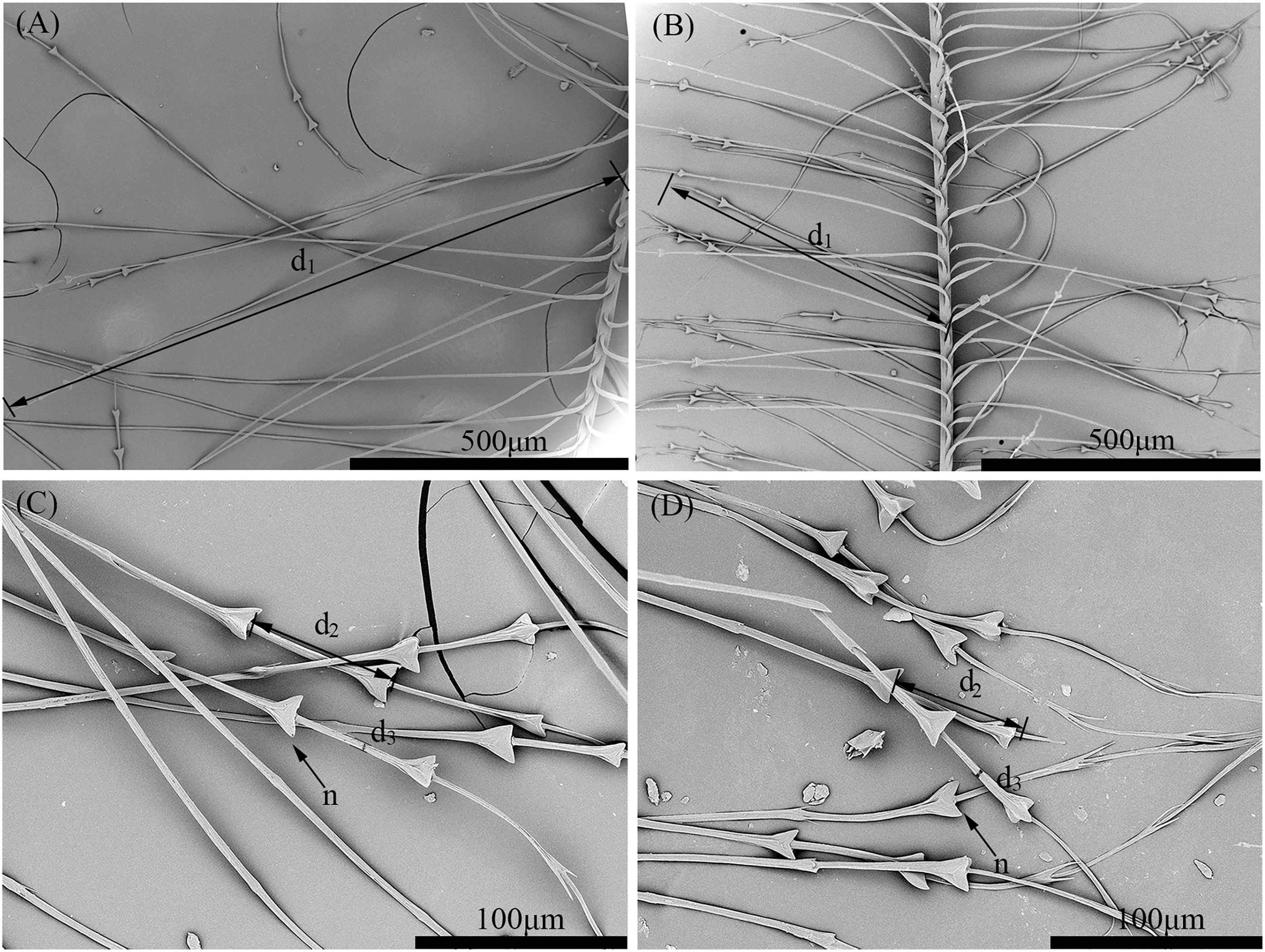
The authors suggest that the contrast between feather types may reflect their different functions. Contour feathers and rectrices are strongly shaped by demands such as flight and display, which could favour similar structures in related species, whereas down feathers are primarily involved in thermoregulation and may retain more species-specific microstructural information. The study did not directly test this proposed mechanism.
Broader validation is still needed
The authors describe these down-feather characters as potentially useful morphological markers, but the sampling also limits how broadly the 100% classification result can be applied. Age and source-individual information were incomplete, and the exact body regions of the down feathers were not recorded. Feather microstructure can also vary within species, so the result is strongest as evidence for a useful combination of traits rather than a universal diagnostic from any single measurement.
Anatomy & morphology
Related news
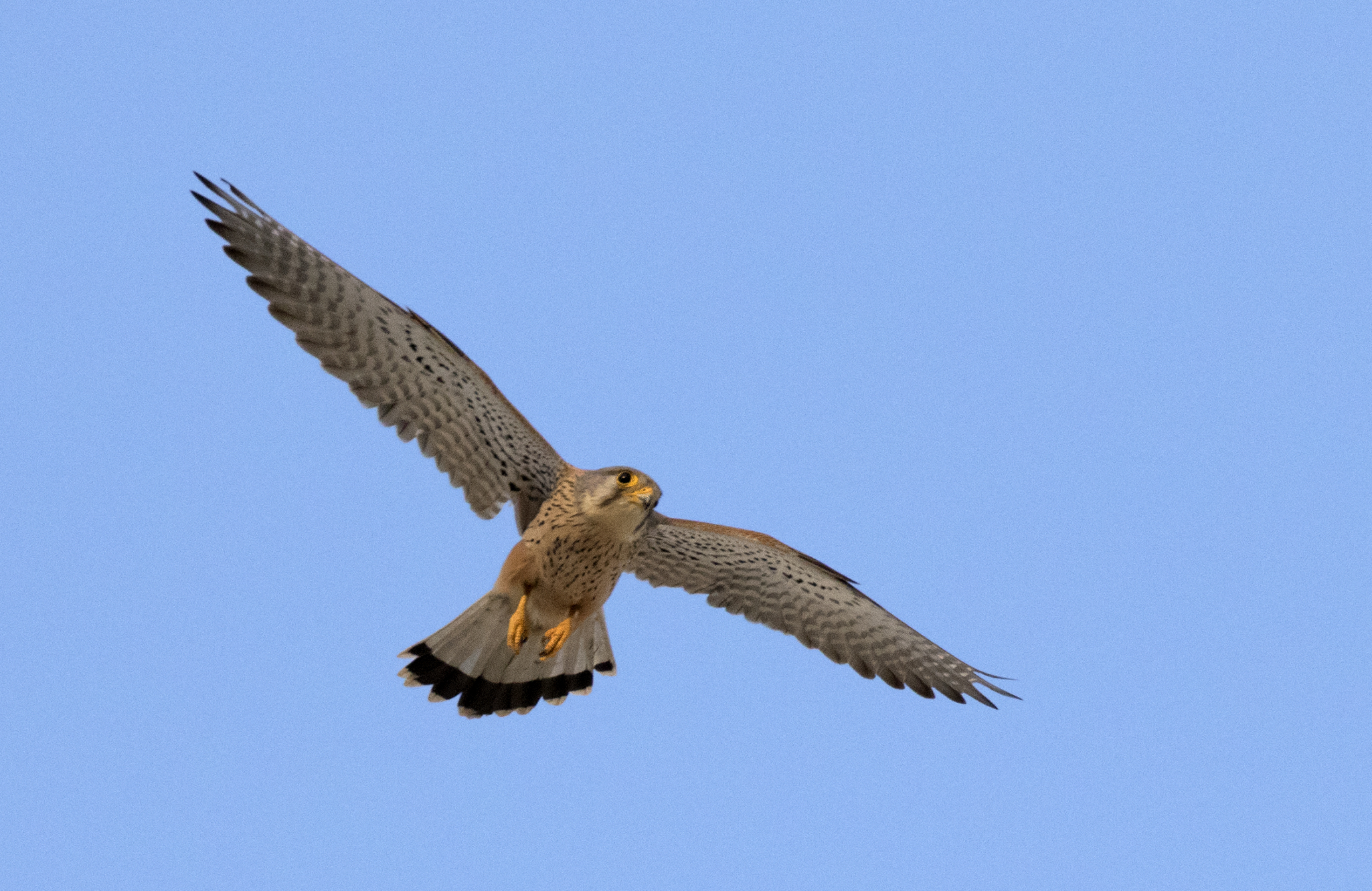
Common Kestrels Had About Twice the Tracheal Mucous-Gland Density of White Storks
A comparative study of three adult males from each of three bird species found 11.32 tracheal mucous glands…
Read story →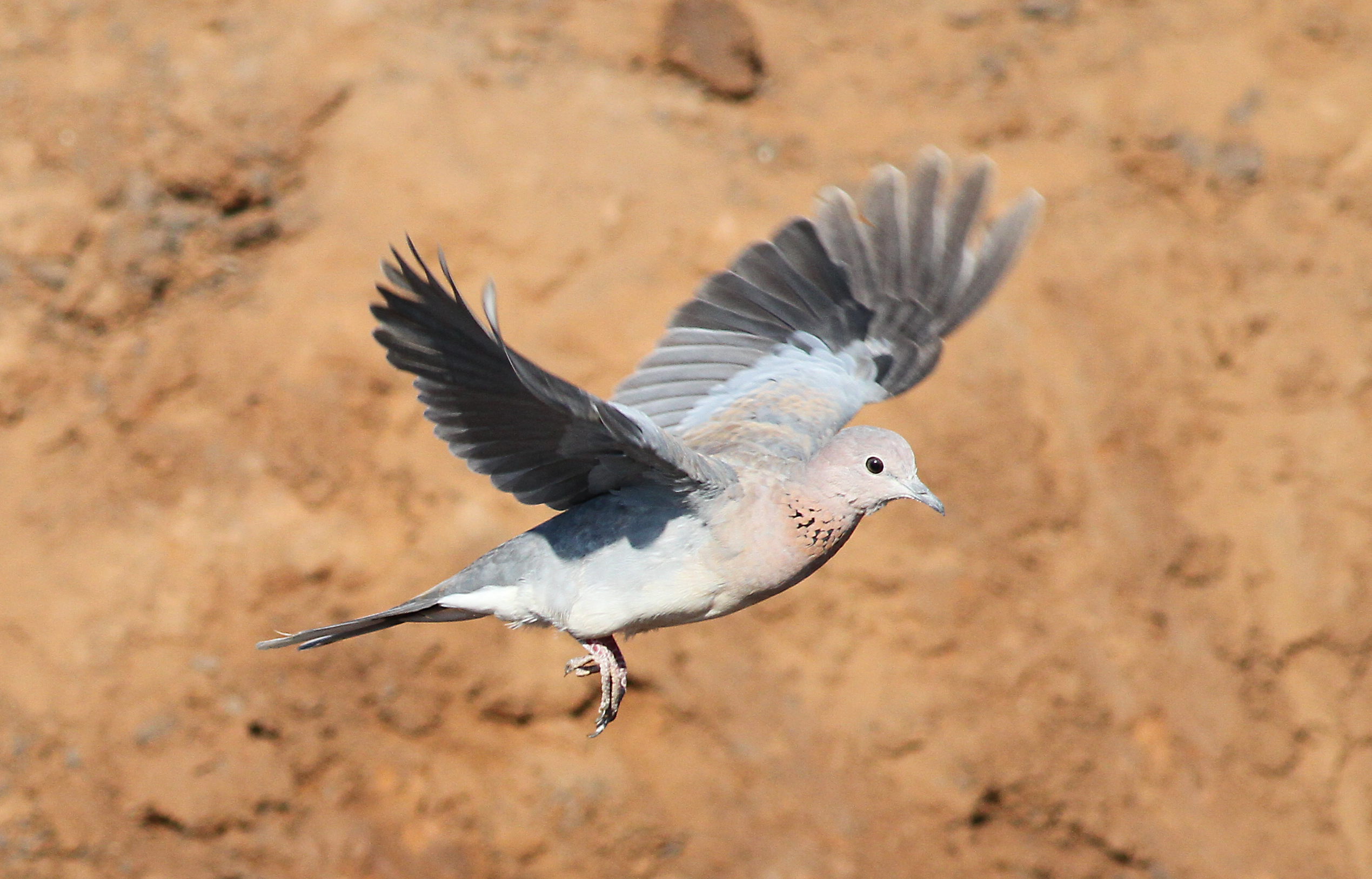
Laughing Dove Eye Pecten Mapped From 12–13 Pleats to Cell Markers
Researchers mapped the pecten oculi, a vascular structure unique to bird eyes, in the laughing dove. Its 12–13…
Read story →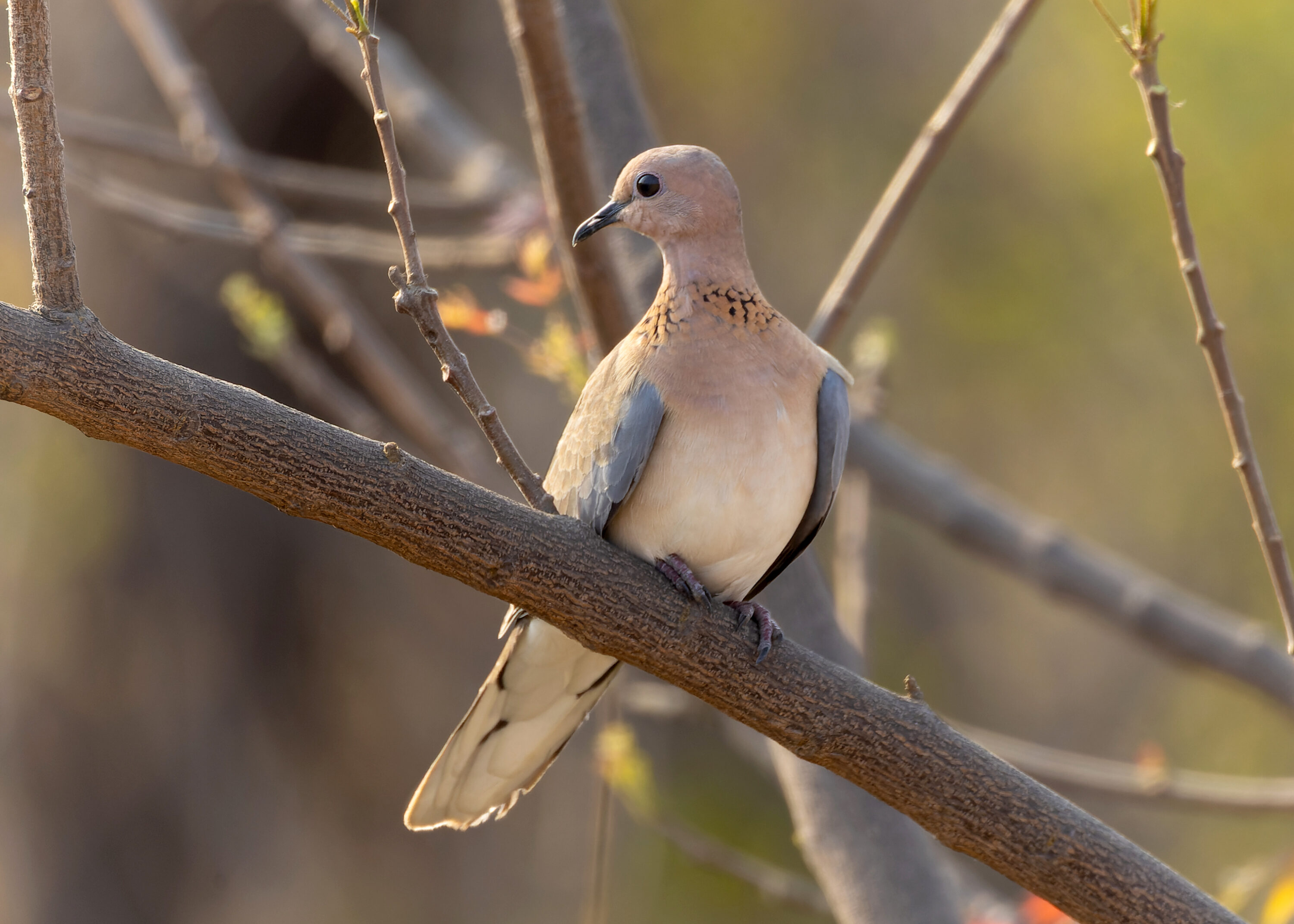
Progressive Greying Recorded in a Laughing Dove in Asia for the First Time
An adult laughing dove photographed in Karnataka, India, had localised white feathers on the head and shoulder region.…
Read story →SPECIES IN THIS STORY
Species in this story
Independent research and conservation news archive
Did you find this information useful?
Wildlife Vagabond is independently built and maintained. Voluntary support helps cover source verification, hosting and continued work on research and conservation news.
Support Wildlife VagabondThe news archive will remain freely available.