
Dutch Wild Boar Showed Evidence of West Nile Virus Infection Before First Human Cases
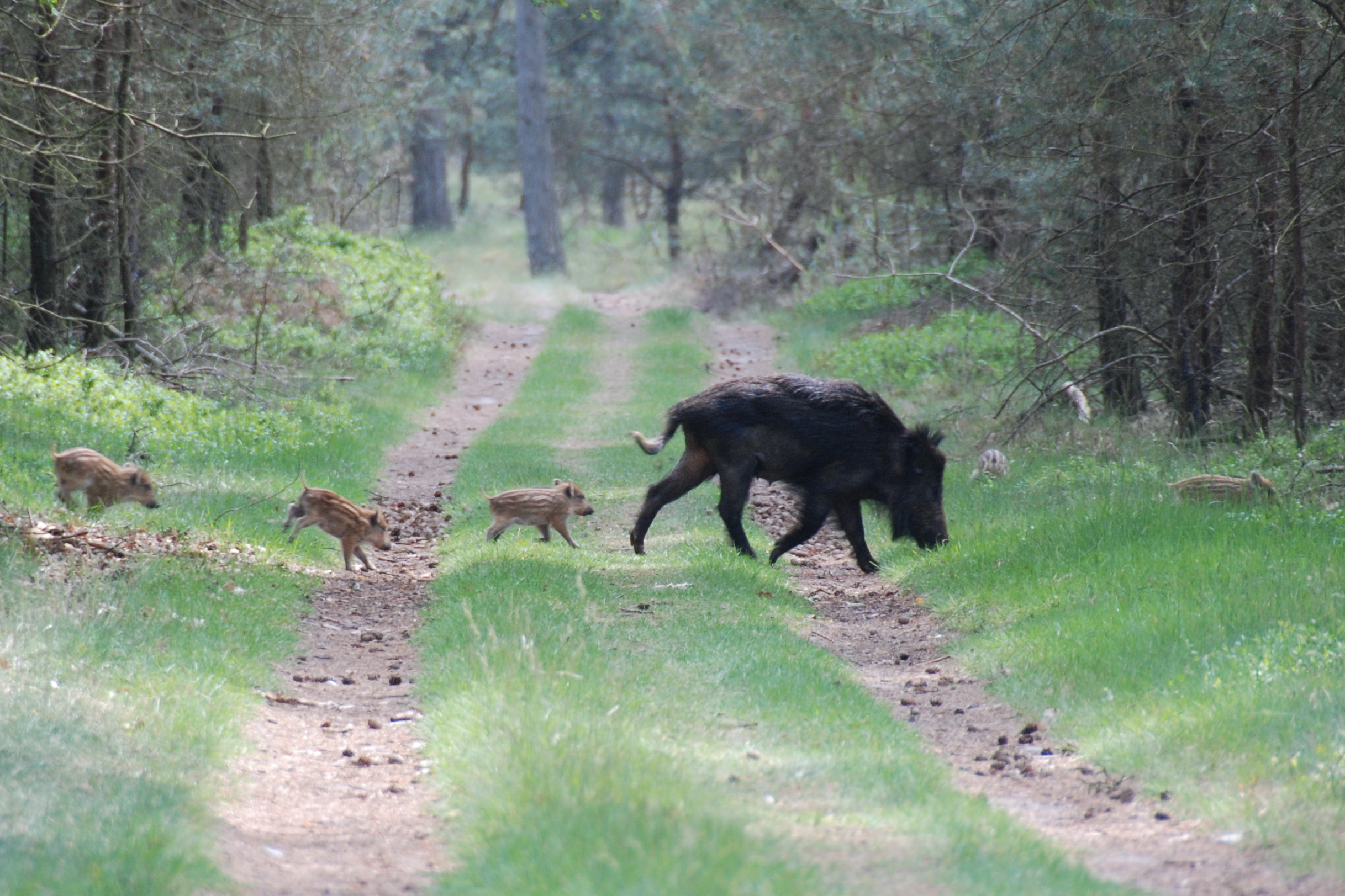
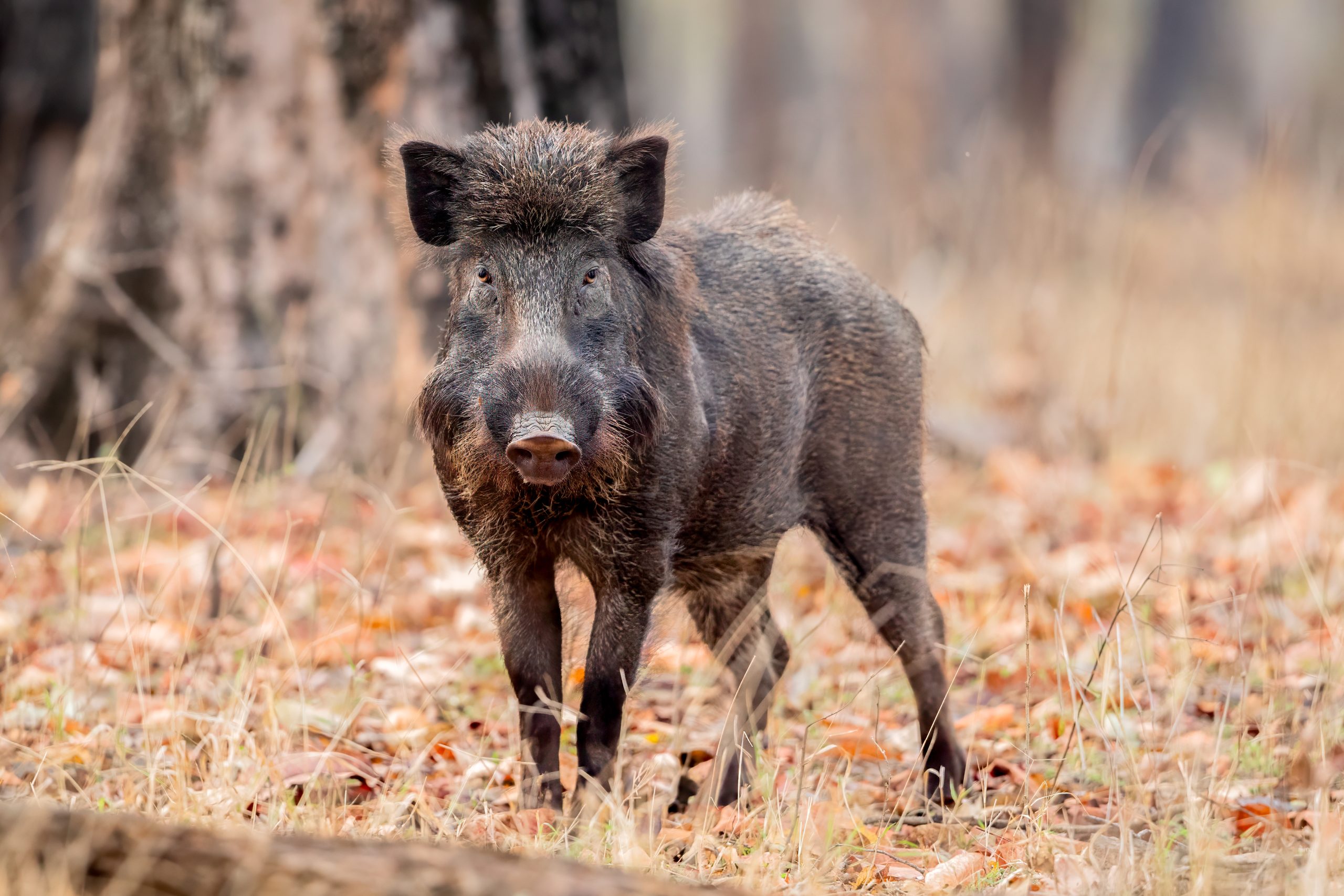
Serological evidence from Dutch wild boar (Sus scrofa) indicates that West Nile virus was circulating in the Netherlands in or before 2018, two years before the country detected its first human cases in 2020. The study also examined Usutu virus. Both are mosquito-borne orthoflaviviruses maintained mainly in transmission cycles between birds and mosquitoes. Antibodies record a past immune response to infection or exposure; they do not mean that an animal still had an active infection when its blood was sampled.
Cross-reactive antibodies complicate the picture
Researchers analysed 1,504 serum samples collected through Dutch wild boar surveillance from 2018 to 2021. The samples were first screened with ELISA and positive or doubtful samples were examined with virus-neutralisation tests. Because West Nile and Usutu viruses are closely related, antibodies to one can cross-react with the other and make serological results difficult to interpret. The researchers therefore used a three-level Bayesian hierarchical model to estimate past infection probabilities while accounting for direct antibody responses, cross-reactivity and measurement error.
WNV evidence preceded the first human cases
The model found evidence of West Nile virus infection throughout the four-year period. Estimated probabilities of past infection ranged from 7.8% in 2020 to 13.0% in 2019. For Usutu virus, the estimated probability fell from 24.0% in 2018 to 5.4% in 2021. The authors stress that these modelled probabilities should not be read as direct seroprevalence estimates: cross-reactivity cannot be eliminated completely, and because viral RNA was generally not detected, the exact timing of infection remains uncertain.
Wild boar can act as sentinels
Wild boar are dead-end hosts and do not contribute to onward transmission of these viruses, but that makes their antibodies useful in another way. Their exposure to mosquitoes, relatively limited home ranges and inclusion in existing wildlife surveillance mean they can act as sentinel animals for past virus circulation. The authors conclude that adding orthoflavivirus serology to wild-mammal surveillance could improve early detection and risk assessment for West Nile and Usutu viruses.
Disease, parasites & microbiology
Related news
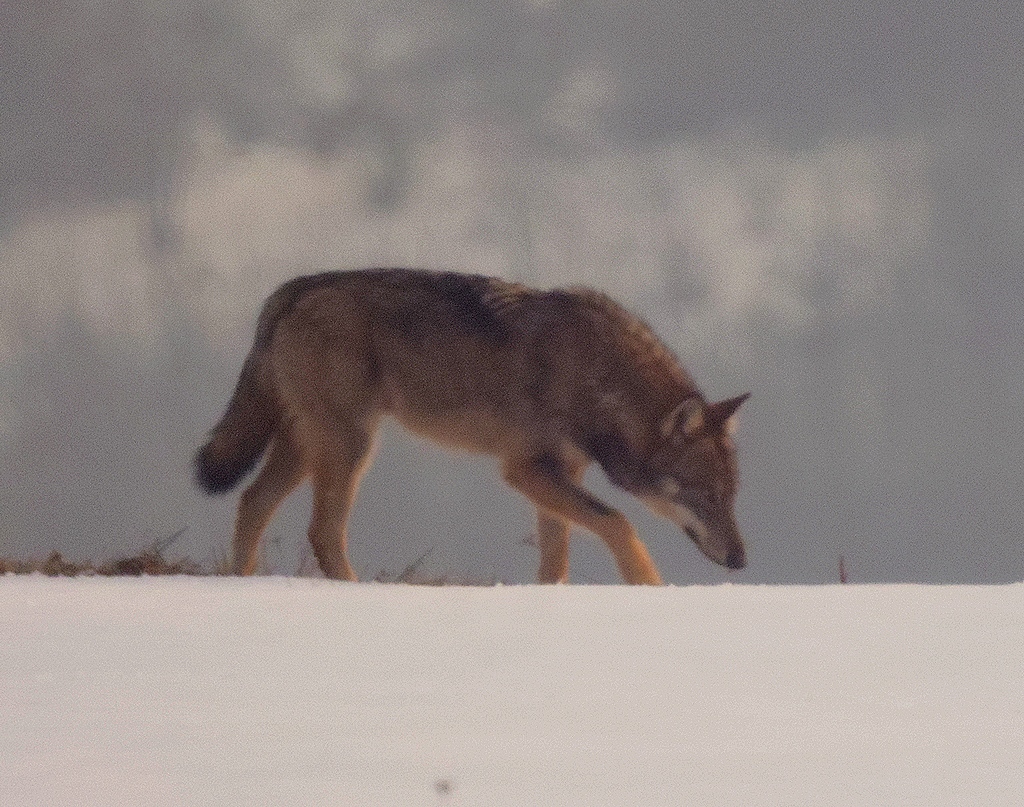
Roe Deer and Wild Boar Remained Key Wolf Prey as Diet Shifted Across North-western Italy
From 2021 to 2025, wolves in north-western Italy continued to feed mainly on wild prey. In the Po…
Read story →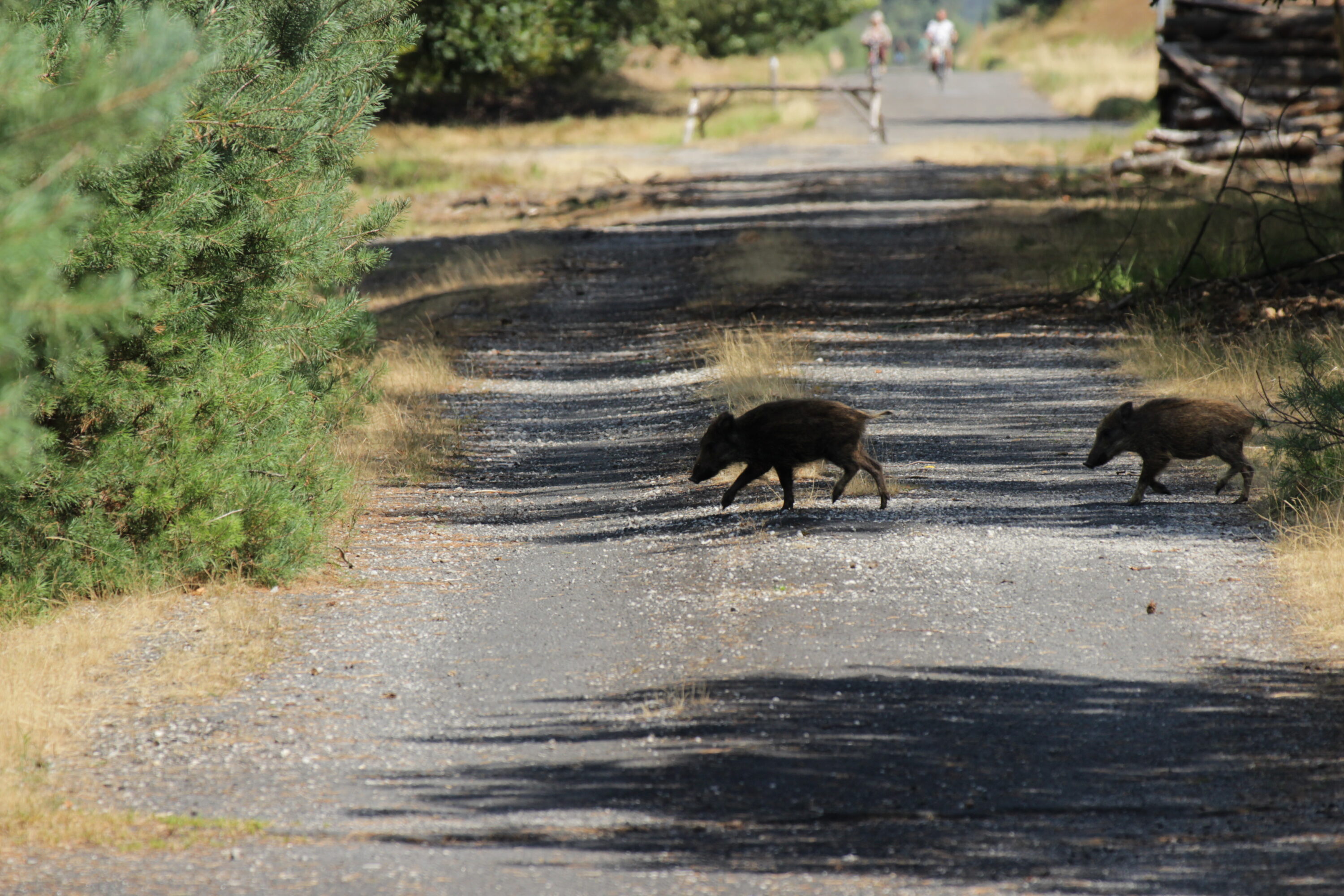
Copper levels in wild boar differed across Slovak districts
An analysis of kidney, liver and muscle from 147 wild boar in four districts found that iron and…
Read story →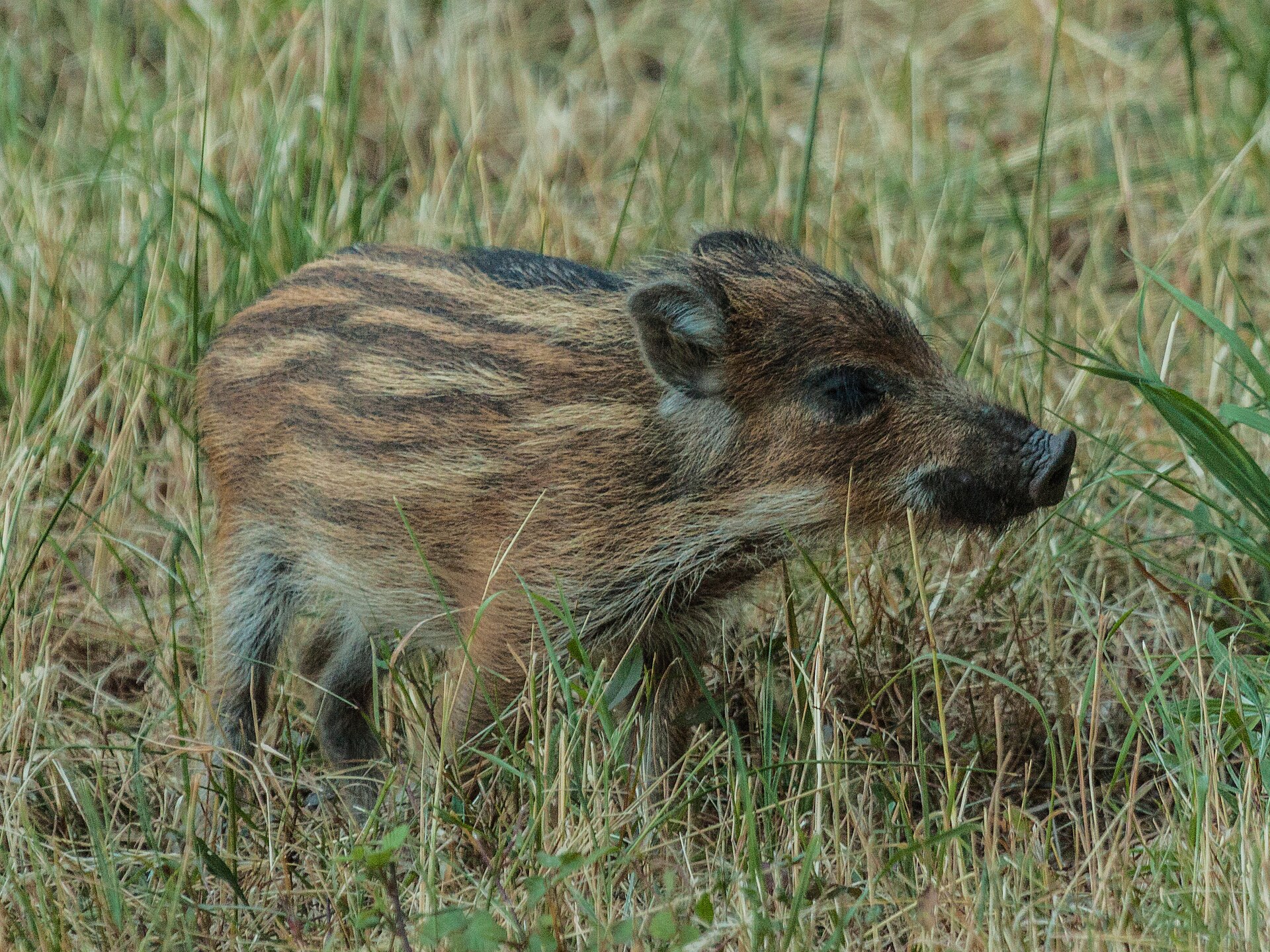
Genes Linked to the Stripes of Wild Boar Piglets
Genetic analysis of a 932-piglet breeding population and skin from three striped newborn hybrids implicated MC1R, KIT and…
Read story →SPECIES IN THIS STORY
Species in this story
Independent research and conservation news archive
Did you find this information useful?
Wildlife Vagabond is independently built and maintained. Voluntary support helps cover source verification, hosting and continued work on research and conservation news.
Support Wildlife VagabondThe news archive will remain freely available.