
Early and late infection reveal different virulence patterns in House Finches
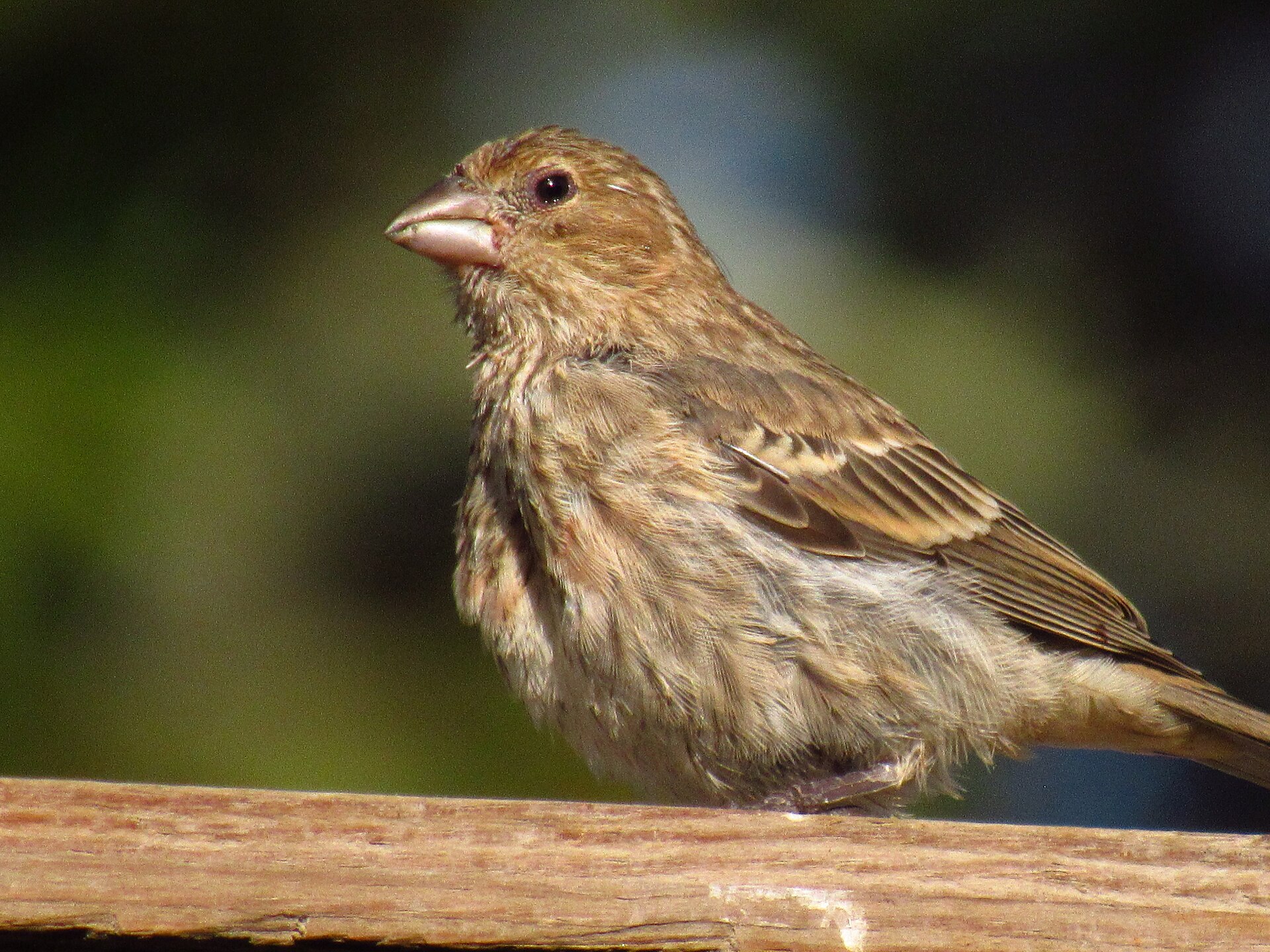
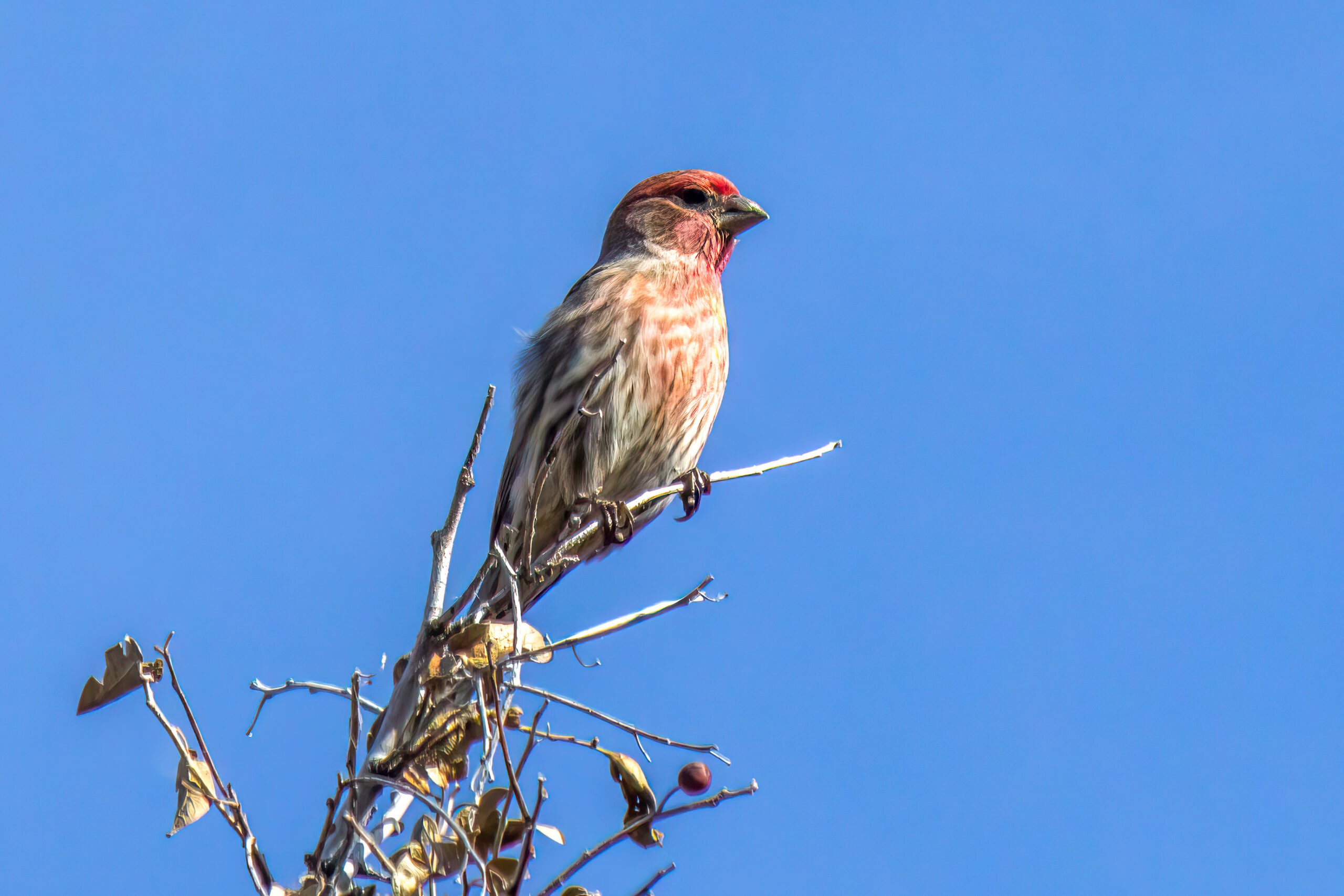
What makes an infection harmful can depend on which part of the infection is examined. In House Finches (Haemorhous mexicanus) experimentally infected with the bacterium Mycoplasma gallisepticum, a reanalysis of existing data found that different components of virulence followed distinct evolutionary trajectories in early and later infection. The bacterium causes mycoplasmal conjunctivitis, an eye infection that can swell the eyelids and impair vision; severely affected birds may struggle to feed or escape predators.
Virulence is the harm an infection causes its host. It can arise in different ways: a pathogen may build up to a higher level inside its host, or each pathogen may cause more harm. Researchers call the first process pathogen exploitation and the second per-parasite pathogenicity (PPP). The host also matters. Resistance limits the amount of pathogen in the body, while tolerance means sustaining less harm at a given infection level.
Different phases revealed different patterns
The researchers separated an early phase, dominated by innate immune responses, from a later phase when the adaptive immune response was fully activated. Their framework combined conventional virulence decomposition with disease-space analysis, which follows how infection level and host health relate across the course of disease. This let them examine how pathogen exploitation, PPP and host resistance evolved across the two phases rather than treating the infection as one pooled measurement.
The three components had distinct evolutionary trajectories. The analysis found an evolutionary increase in PPP in this finch–bacterium system. By contrast, measurements pooled around peak infection had suggested an apparent evolution of increased host tolerance, but that pattern was not supported when the researchers analysed the phases separately. Looking across the infection therefore changed the mechanistic picture: the apparent change in how hosts coped with infection depended on when and how the measurements were combined.
Disease, parasites & microbiology
Related news
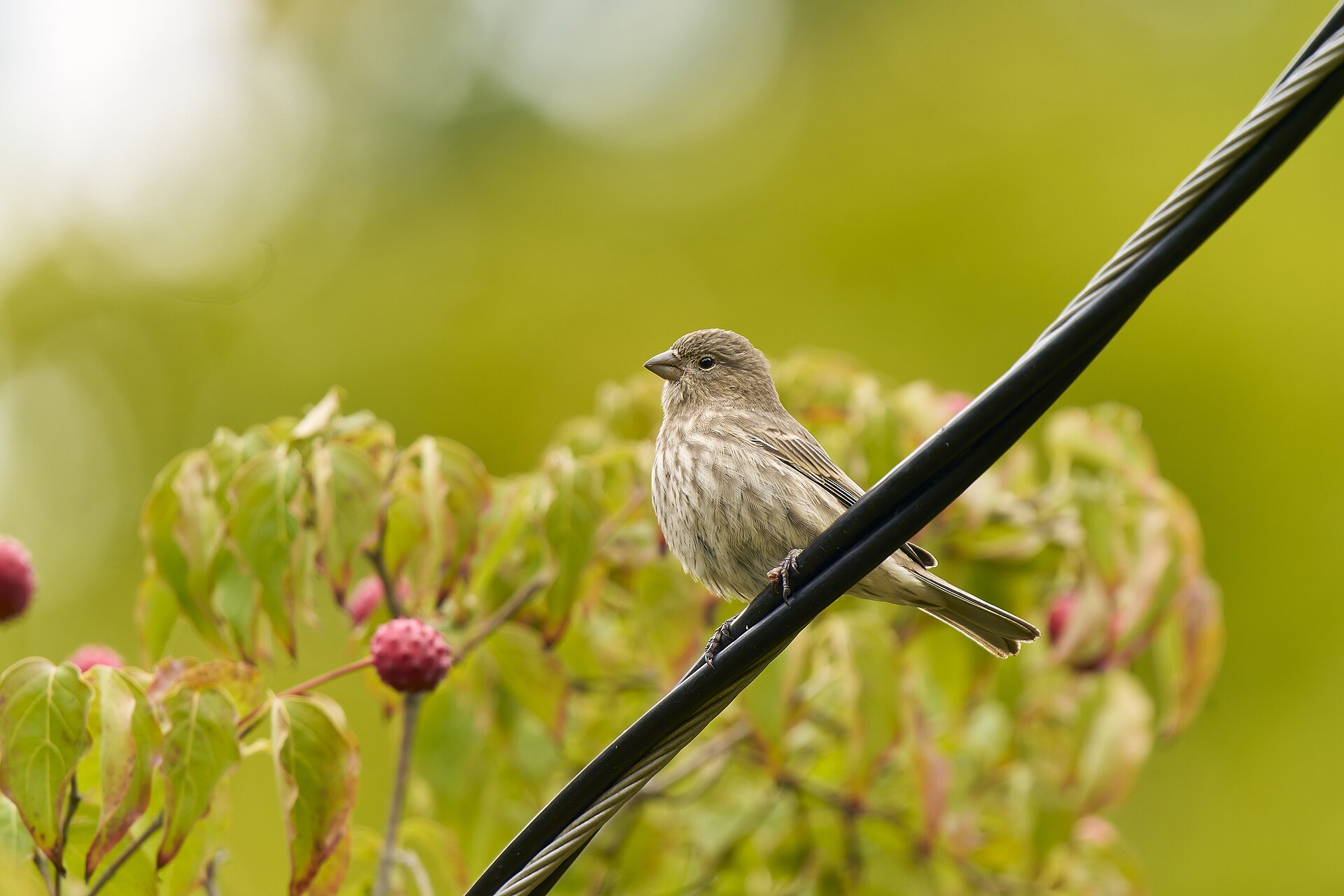
Social cues helped finches retain more body mass during food restriction, but House Finches lost more muscle
House Finches and nomadic Pine Siskins retained more body mass than uninformed controls during food restriction after watching…
Read story →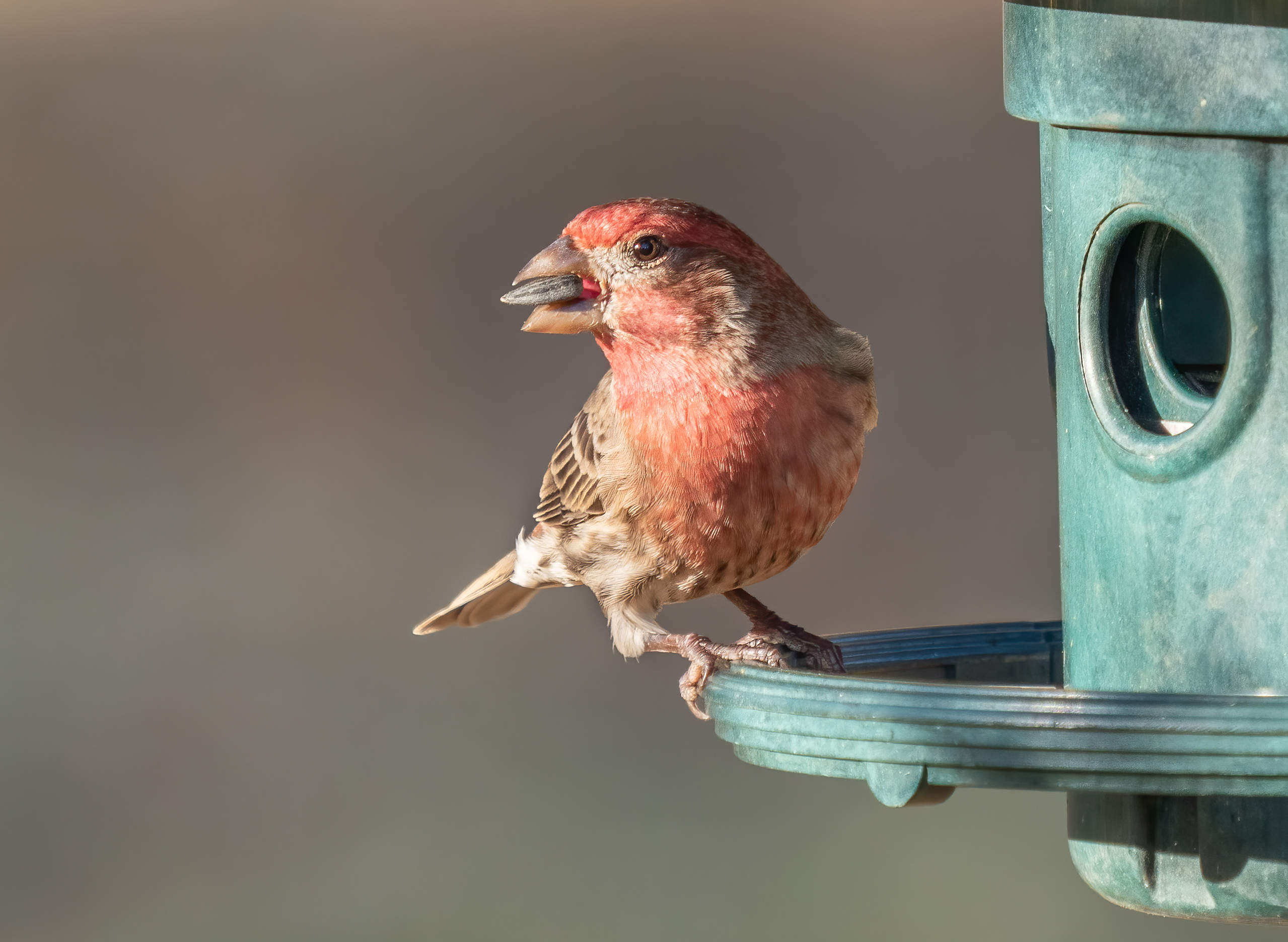
House Finch Reached a Record 667 in Alberta’s 2026 May Bird Count
Volunteers recorded 667 House Finches in Alberta’s 2026 May Bird Count, the highest total for the species in…
Read story →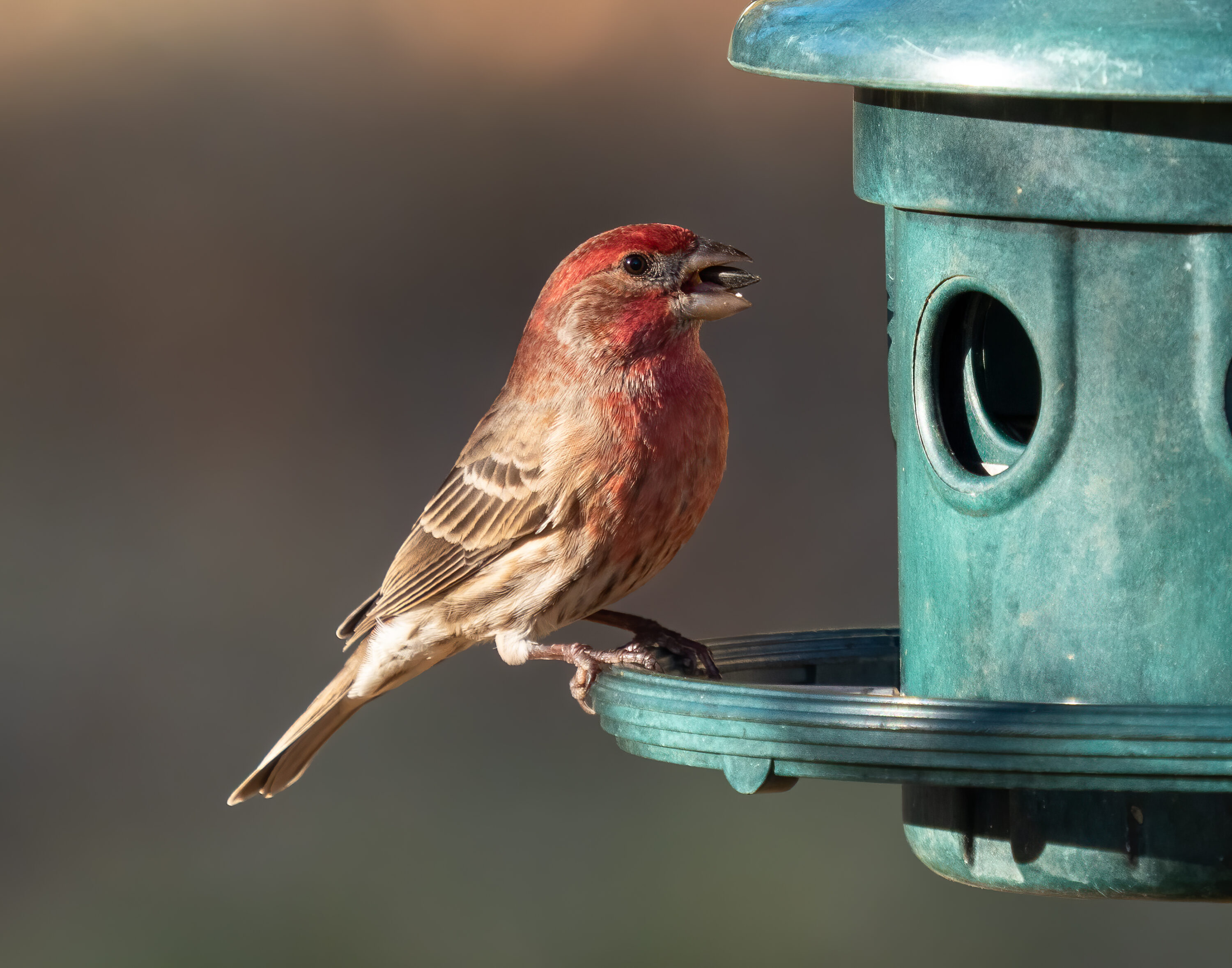
Ottawa finch illnesses prompt warning about house finch eye disease
Tests confirmed mycoplasmosis in more than a dozen finches after numerous birds with crusted, inflamed eyes reached an…
Read story →SPECIES IN THIS STORY
Species in this story
Independent research and conservation news archive
Did you find this information useful?
Wildlife Vagabond is independently built and maintained. Voluntary support helps cover source verification, hosting and continued work on research and conservation news.
Support Wildlife VagabondThe news archive will remain freely available.