
Ottawa finch illnesses prompt warning about house finch eye disease
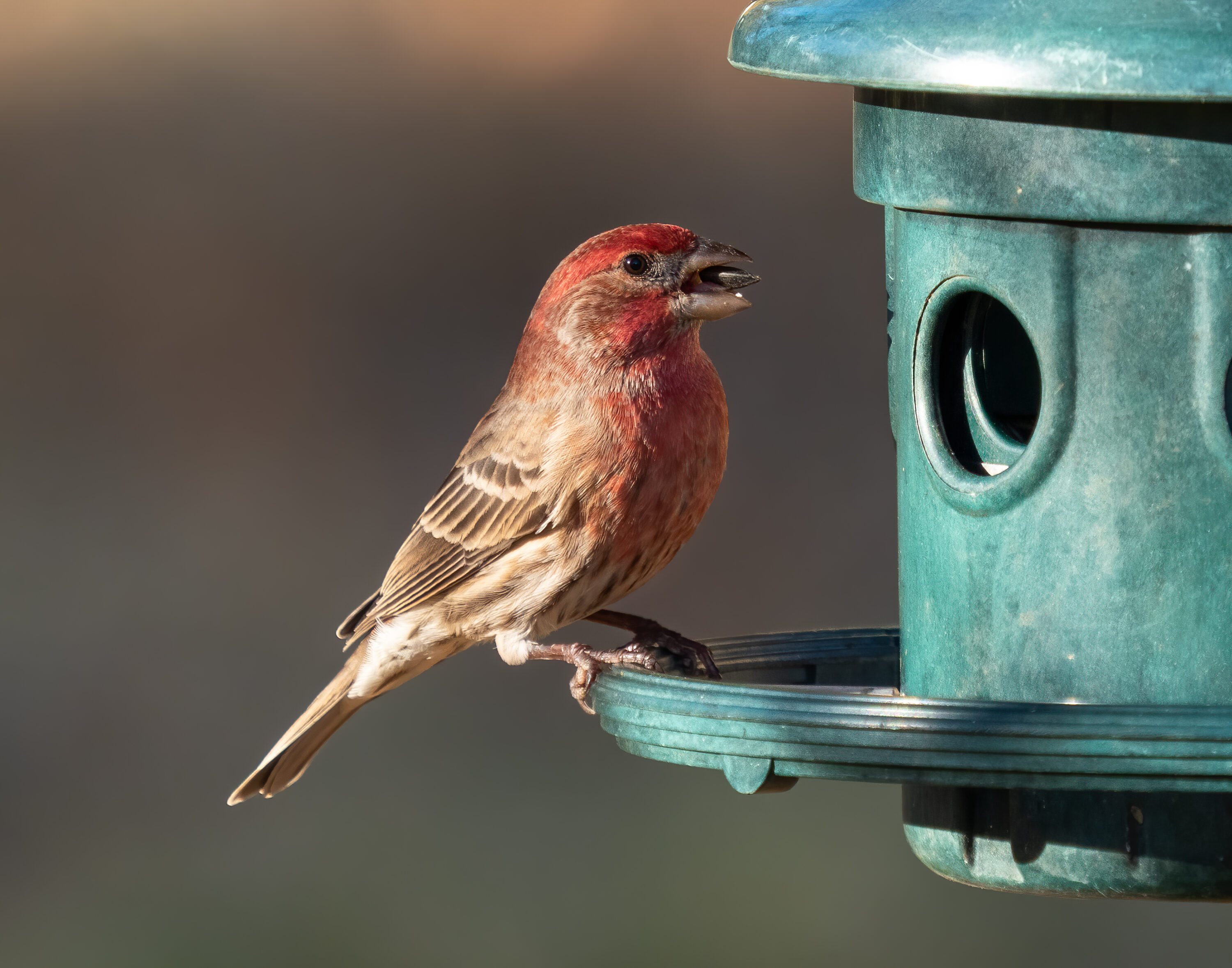
Laboratory testing confirmed mycoplasmosis in more than a dozen sick finches collected after a cluster of birds with inflamed, crusted eyes was reported in Ottawa, Canada. Mycoplasmosis is a bacterial disease, most commonly caused in wild birds by Mycoplasma gallisepticum, that can inflame the eyes and respiratory tract and in severe cases impair vision, feeding and survival. The Canadian Wildlife Health Cooperative described the event and issued prevention guidance on 1 May 2026.
The first reports reached the organization from a wildlife rehabilitator at the end of December 2025. Numerous finches had signs of conjunctivitis, including swollen and crusted eyes. The cooperative worked with the rehabilitator to collect birds for testing and confirmed mycoplasmosis in the submitted group.
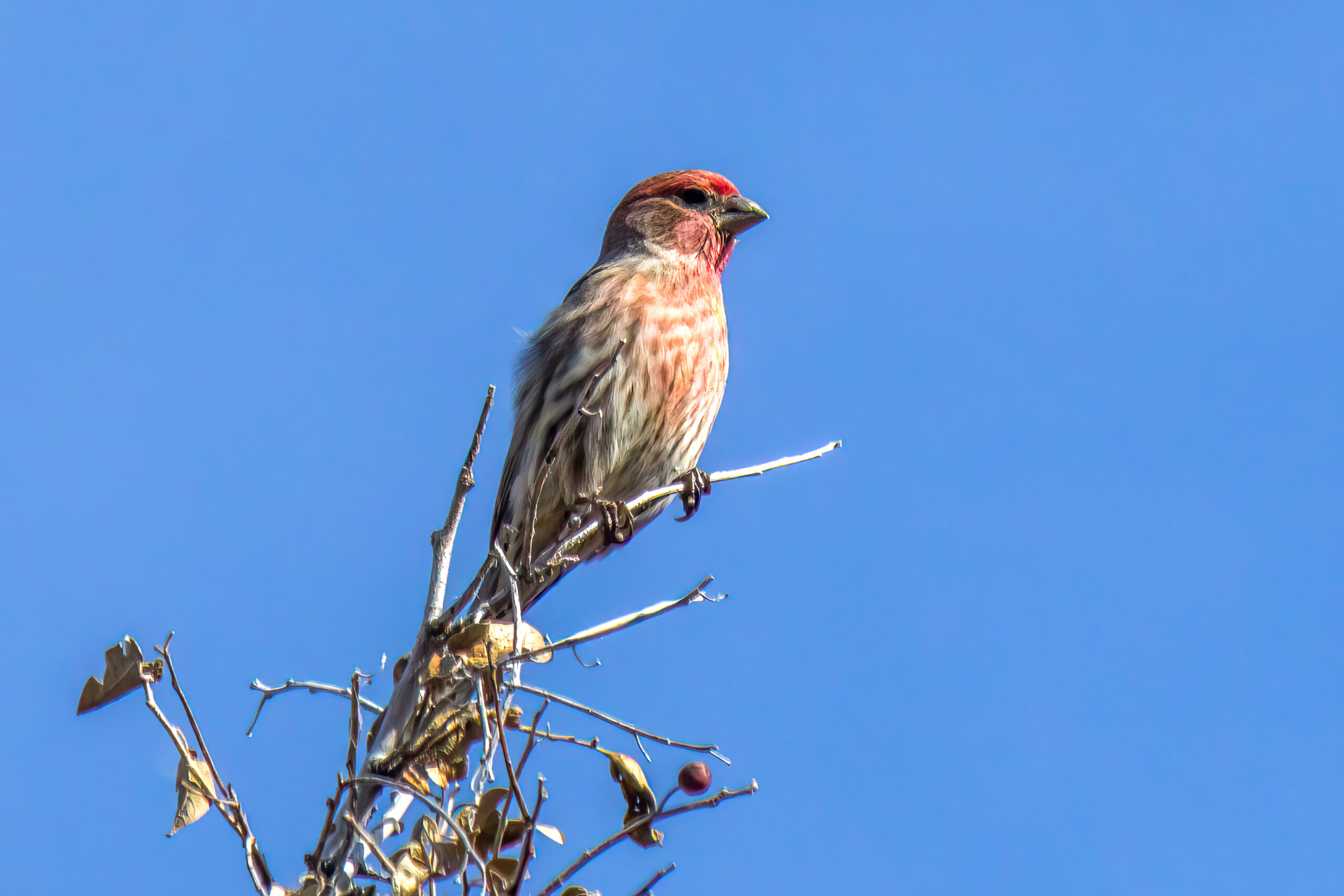
The warning is especially relevant to the house finch (Haemorhous mexicanus). A strain of M. gallisepticum emerged in wild house finches in the eastern United States in the 1990s and produced the condition widely known as house finch eye disease. The pathogen has since been detected in several other finches and grosbeaks. CWHC notes that outbreaks can reduce affected finch populations by as much as about 40%.
The Canadian report did not publish a species-by-species breakdown of the Ottawa birds, so the tested individuals cannot all be identified as house finches.
Eye disease can impair feeding and predator escape
Visible symptoms usually begin around the eyes. Red and swollen eyelids may produce a clear discharge, while more severe infections can form crusts and close the eyes. Nasal discharge can wet and mat feathers around the face. Affected birds may also move and feed less, lose weight and become unusually easy to approach.
Damage to vision creates several risks at once. A bird that cannot see properly may struggle to locate food, avoid obstacles or escape predators. Severe cases can end in starvation, exposure, predation or death from the infection’s wider effects.
Shared feeders can facilitate transmission
M. gallisepticum spreads through contact with eye and nasal secretions. The bacterium does not remain viable for long outside a host, but feeding stations create repeated opportunities for transmission. Many birds touch the same perches and feeding ports, and contaminated material can be transferred when individuals crowd together.
Cleaning and temporary feeder removal can reduce spread
The cooperative recommends cleaning bird feeders and birdbaths every one to two weeks. Its procedure uses a solution of one part chlorine bleach to nine parts cool water, followed by thorough rinsing and complete air-drying. Gloves and brushes used for the task should be reserved for feeder cleaning.
Feeder design and maintenance also matter. Feeders that prevent birds from standing directly in the seed are preferred over platform or tray designs. Wet seed should be discarded, and fallen seed should be removed from the ground below. Fresh water and clean surfaces reduce opportunities for pathogens other than mycoplasma as well, including bacteria that cause salmonellosis.
If a bird has crusted eyes, wet facial feathers, fluffed plumage or lethargic behaviour, the guidance is to remove feeders temporarily for at least two weeks. Dispersing the congregation reduces close contact while equipment is cleaned. If sick birds return when feeding resumes, feeders may need to remain down until the next season.
Dead birds can also contribute to surveillance. The cooperative asks people in Canada to report dead wildlife through its national submission system. Similar public observations have been important throughout the history of house finch eye disease, allowing researchers to follow an epidemic over a continent rather than at only a few field sites.
Threats
Related news
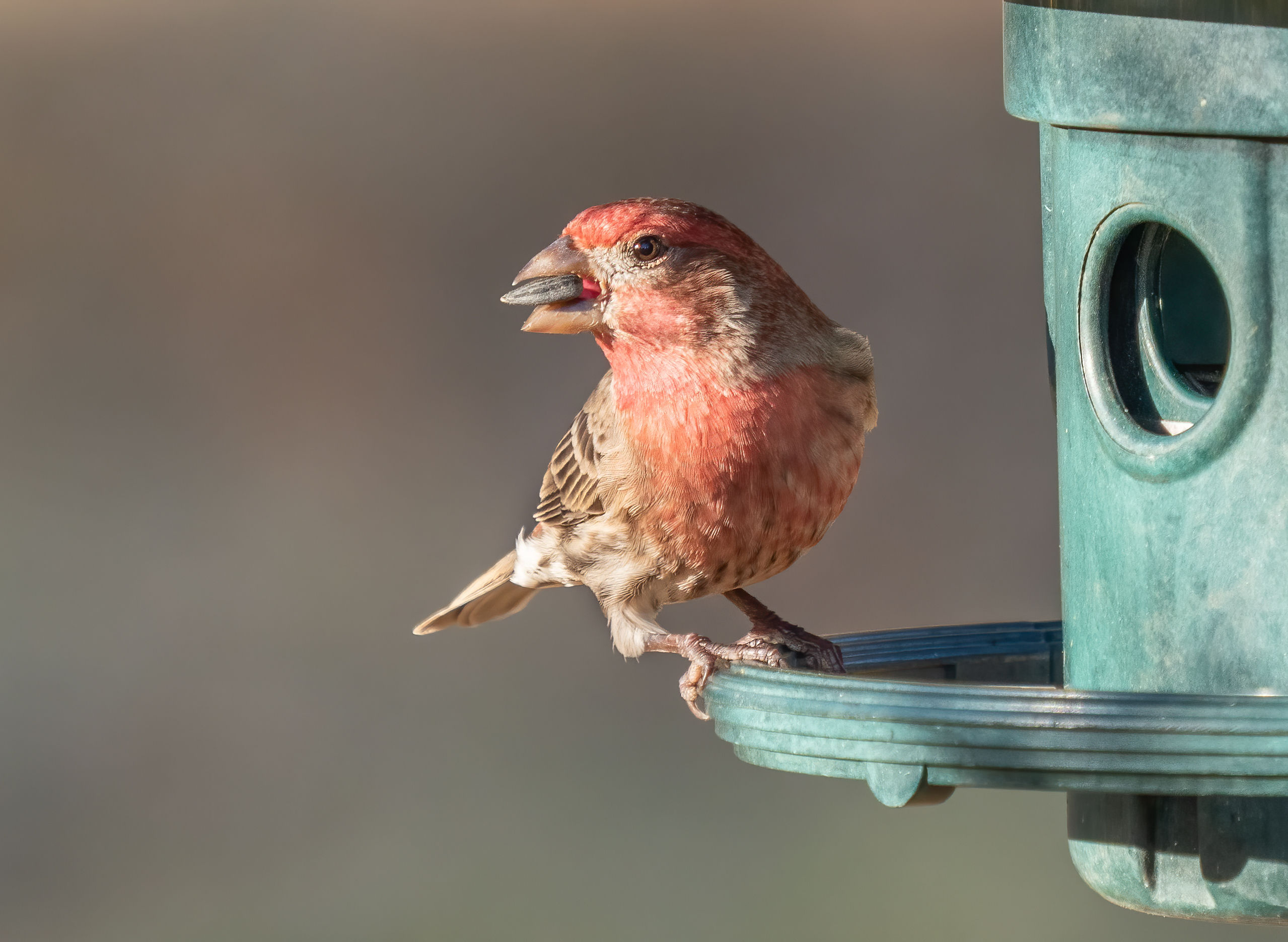
House Finch Reached a Record 667 in Alberta’s 2026 May Bird Count
Volunteers recorded 667 House Finches in Alberta’s 2026 May Bird Count, the highest total for the species in…
Read story →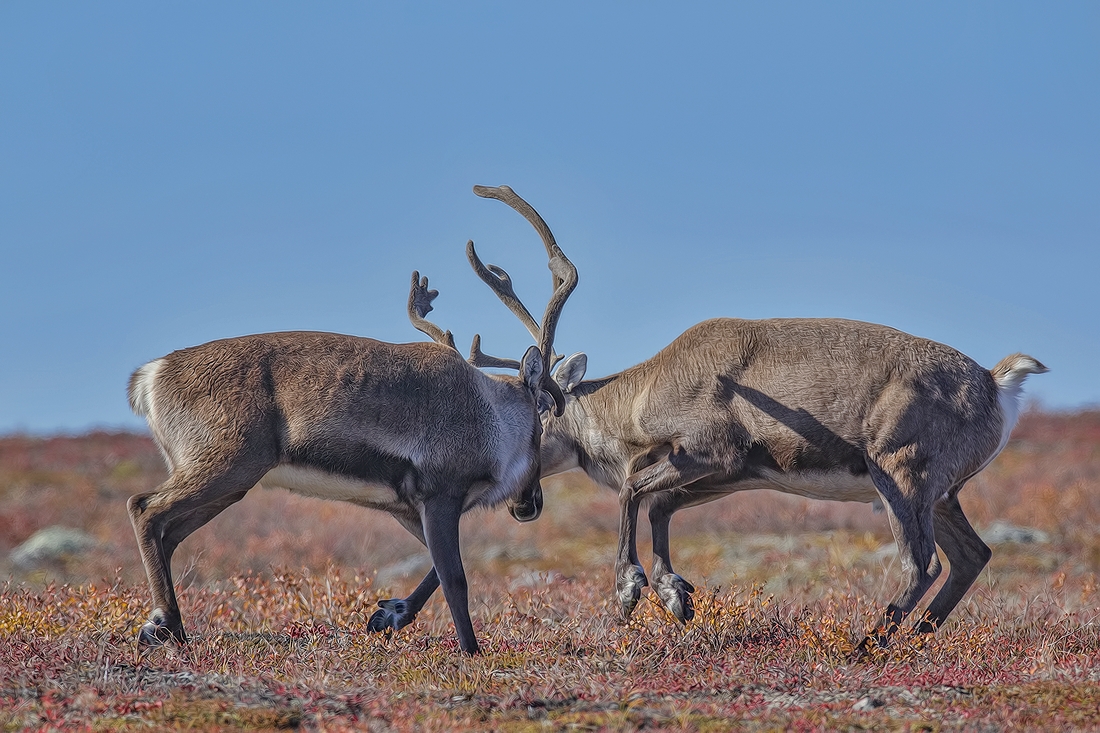
Inuit harvesters help detect an emerging parasitic disease in Arctic caribou
Near Kugluktuk in Nunavut, Inuit harvesters reported unusual tissue changes in caribou. Tests found DNA from two parasitic…
Read story →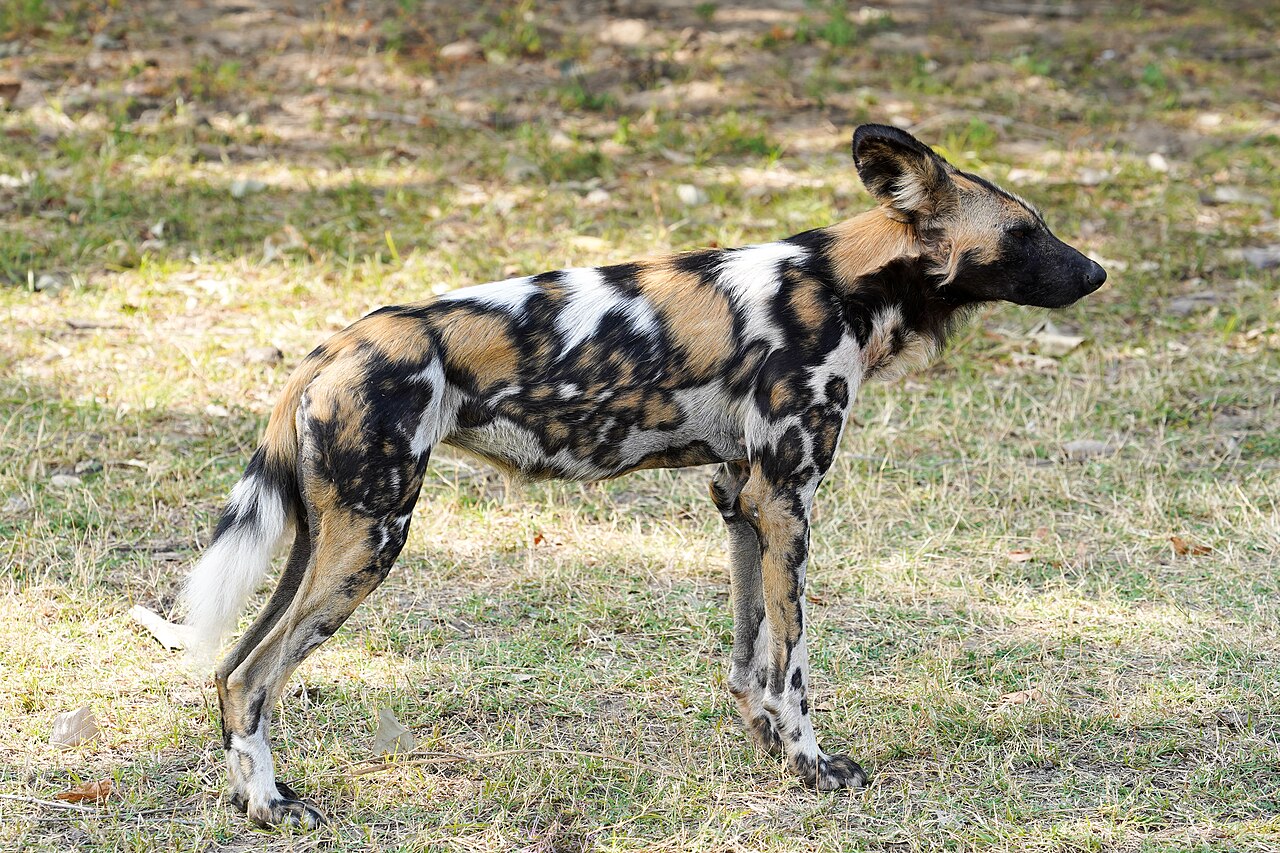
Wild Dogs Travelled Thousands of Kilometres in Search of a Mate
GPS tracking in Zambia shows how African wild dogs can cross enormous distances between populations. But snares and…
Read story →SPECIES IN THIS STORY
Species in this story
Independent research and conservation news archive
Did you find this information useful?
Wildlife Vagabond is independently built and maintained. Voluntary support helps cover source verification, hosting and continued work on research and conservation news.
Support Wildlife VagabondThe news archive will remain freely available.