
Early-Migrating Robins Carried More Ticks Than Late Migrants
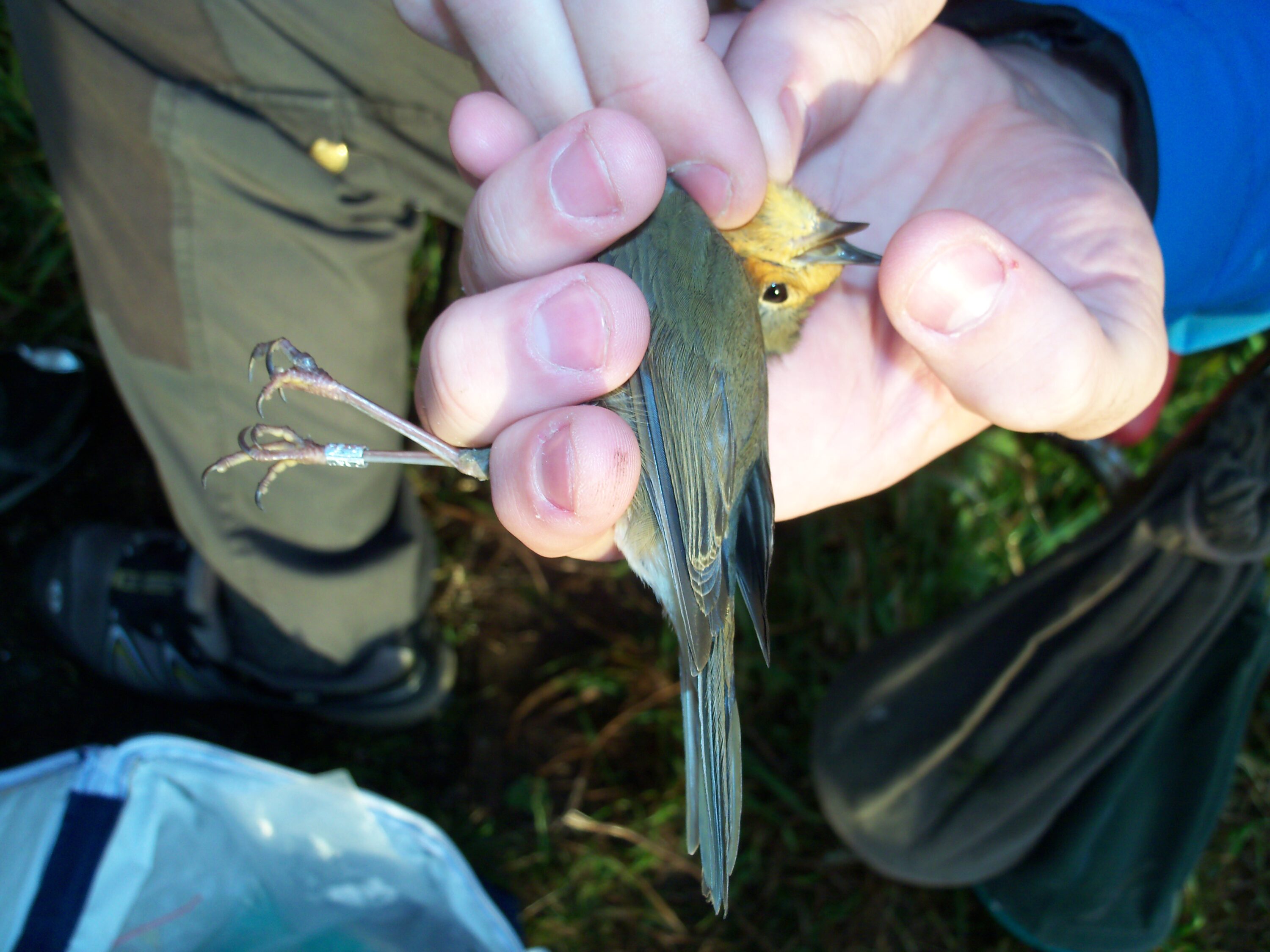
Researchers examining European robins (Erithacus rubecula) during autumn migration on the Baltic coast of northern Poland found that birds passing through early in the season carried significantly more ticks than later migrants. The study, first published on 29 May 2026, examined 198 robins and also tested whether small differences between the lengths of the birds’ left and right legs were associated with tick infestation.
Ticks were found on 49.5% of the robins. Here, prevalence means the proportion of birds carrying at least one tick, whereas tick load refers to the number of ticks carried by an individual bird. Of the ticks that could be identified, 98.5% were the castor bean tick (Ixodes ricinus), a widespread European species that parasitizes many vertebrates. When the researchers modelled tick abundance, migration period was the only variable with statistical support for predicting how many ticks a bird carried: early migrants had higher tick loads than birds captured later in autumn.
Body asymmetry did not explain tick load
The study was designed partly to test a proposed link between developmental instability and susceptibility to parasites. The researchers measured both tarsi and used the small left–right difference as a measure of fluctuating asymmetry. Such random differences between the two sides of the body can be used as an indicator of how consistently an animal developed, although they are not a direct measure of health or stress. They found no association between this asymmetry and either total tick load or the side of the body on which ticks occurred.
The authors describe the results as correlative. They conclude that moderate asymmetry in leg morphology may not influence susceptibility to ticks in migrating robins, while noting that other factors such as body condition, sex, age and length of stopover could still influence infestation.
Seasonal timing stood out
The strong relationship with migration period points instead towards seasonal processes in the host–parasite system. Tick activity, exposure before arrival at the study site and differences among birds moving through at different stages of the season could all vary through autumn. The study does not identify a single mechanism behind the higher tick loads of early migrants, but it establishes migration timing as the clearest pattern in this sample.
Disease, parasites & microbiology
Related news
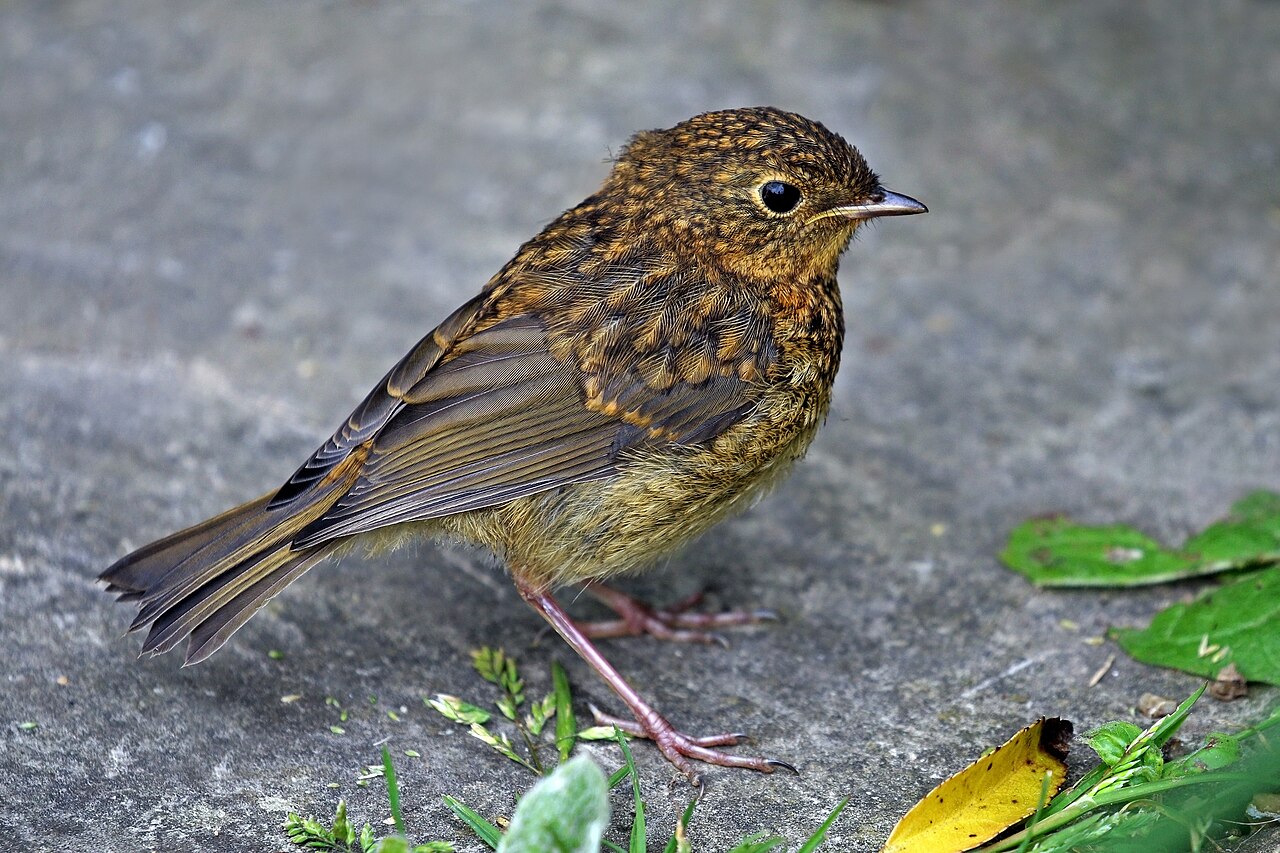
Shorter Days Altered Migratory Restlessness in Juvenile Robins but Not Garden Warblers
In a Lund experiment, juvenile robins exposed to a southern-France photoperiod showed a weaker rise in nocturnal migratory…
Read story →
European Robin Retina Study Mapped Transducin Subunits and Found No Gtγ10 in Photoreceptors
A molecular study of retinal tissue from European robins captured near Oldenburg, Germany, mapped the transducin subunits present…
Read story →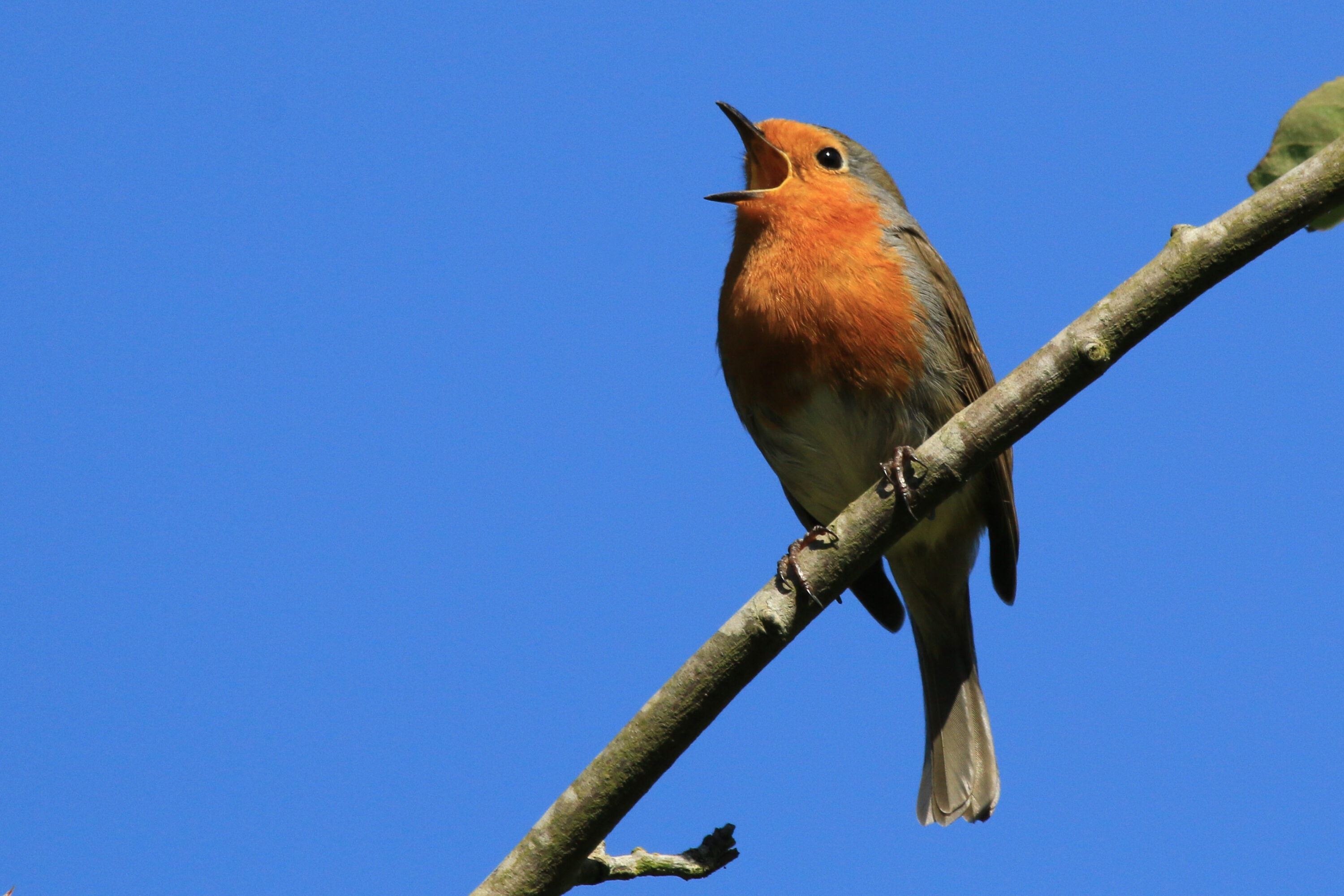
Site-Specific Thresholds Improved Robin Detection Precision by 15–29 Percentage Points
A 2026 protocol using European robin recordings improved automated detection precision by about 15–29 percentage points across three…
Read story →SPECIES IN THIS STORY
Species in this story
Independent research and conservation news archive
Did you find this information useful?
Wildlife Vagabond is independently built and maintained. Voluntary support helps cover source verification, hosting and continued work on research and conservation news.
Support Wildlife VagabondThe news archive will remain freely available.