
Lower Pesticide Levels in Songbirds Were Linked to Organic Farming and Distance from Treated Fields
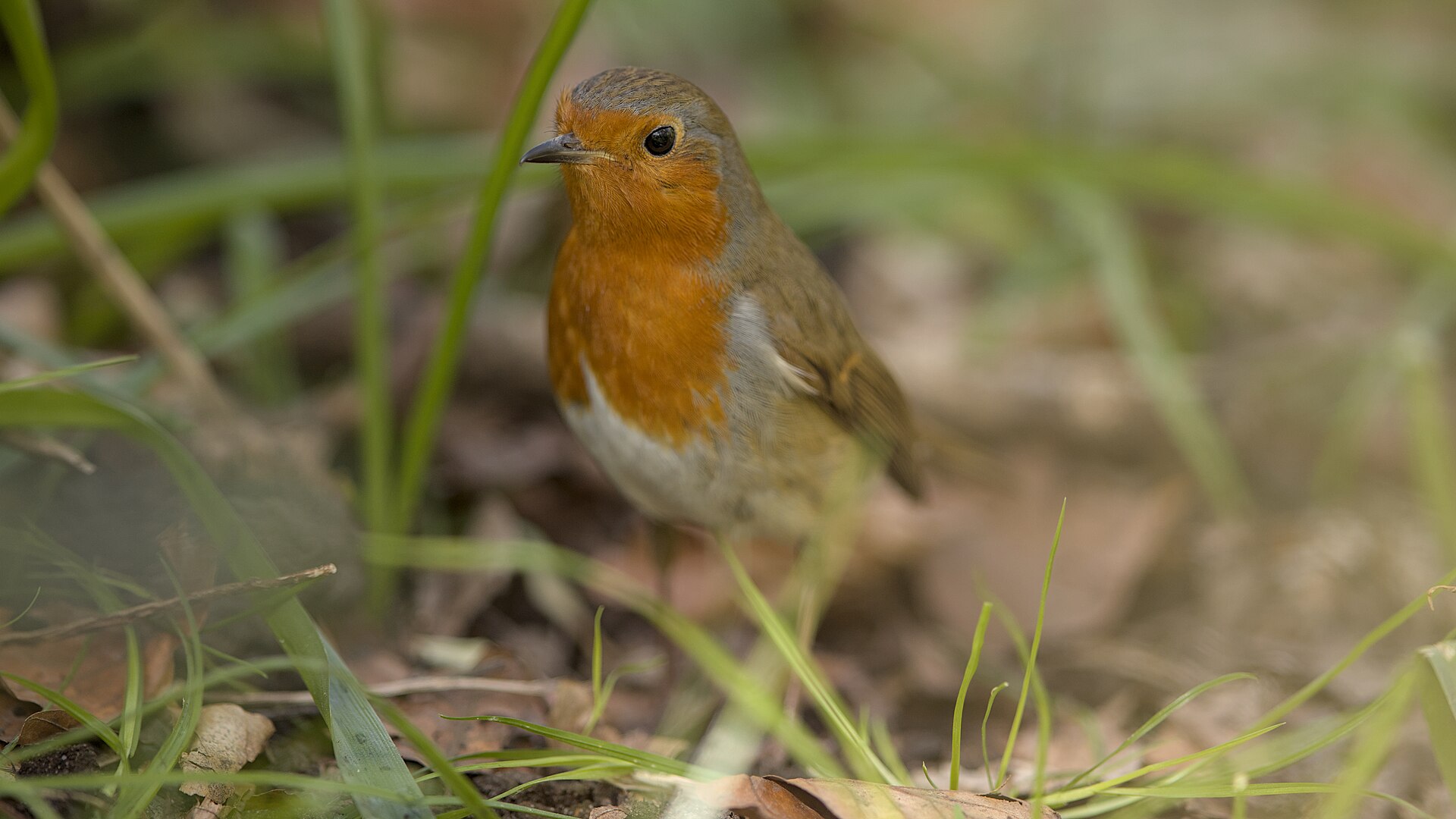
Songbirds caught in farmland hedgerows and residential gardens in the same rural area of France had similar overall levels and mixtures of pesticide residues in their blood. The authors suggest that the widespread contamination may reflect the persistence of pesticide residues in the environment and their dispersal over larger areas. Within each setting, however, the researchers found finer-scale differences linked to nearby agricultural practices: levels were lower where more of the surrounding farmland was organic, and garden birds farther from conventionally treated fields tended to have fewer and lower concentrations of pesticide residues.
The researchers tested blood from 217 birds representing 11 passerine species for 111 pesticide residues. Blood residues show that birds had been exposed to pesticides; by themselves, they do not show whether that exposure harmed the birds.
Local patterns mattered more than the broad setting
At first glance, the similarity between birds from farmland hedgerows and gardens might suggest that the two places offered much the same level of pesticide exposure. But the comparisons within each setting revealed finer-scale differences.
Along farmland hedgerows, estimated pesticide concentrations declined by 61.3% across the range from no organic farming to entirely organic farming in the surrounding area. In residential gardens, greater distance from the nearest conventionally treated field was associated with an estimated 30.1% decrease in the number of pesticide compounds detected and a 70.1% decrease in their concentrations. These are estimated associations, not proof that organic farming or distance alone caused the differences.
Robins may reflect pesticide levels close to home
The strength of these patterns varied among species. The researchers identified the European Robin (Erithacus rubecula) as a potentially useful indicator of local pesticide levels. They suggest that its relatively small home range may help explain why its contamination reflects nearby conditions: birds that range over a smaller area may provide a more local signal.
Birds can act as sentinels: measuring contaminants in their bodies can help reveal environmental exposure in the landscapes they use. The study suggests that this signal may be tied not just to whether a bird is found in farmland or a garden, but also to farming practices around hedgerows and the proximity of treated fields. That makes songbirds—and potentially robins in particular—useful for tracking how pesticide pressure varies across a rural landscape.
Ecology
Related news
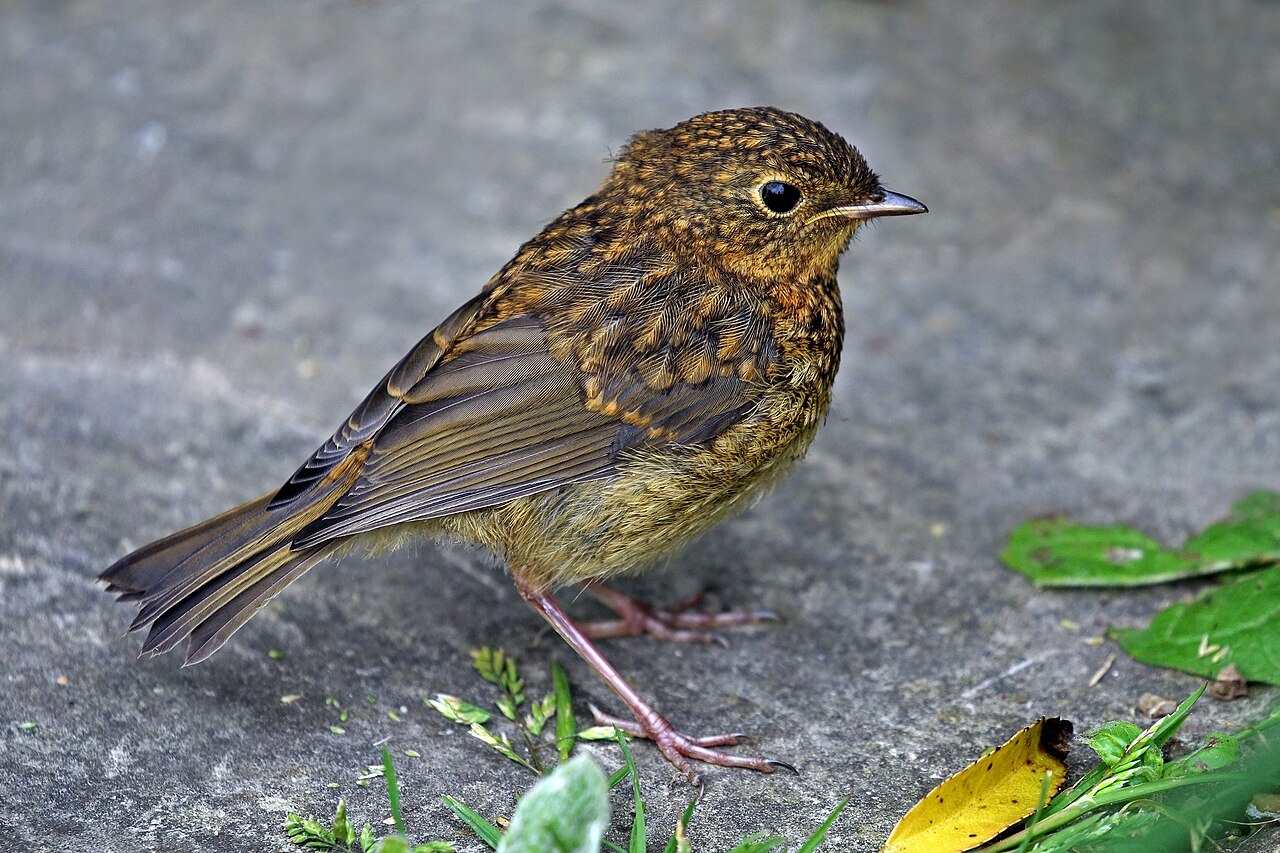
Shorter Days Altered Migratory Restlessness in Juvenile Robins but Not Garden Warblers
In a Lund experiment, juvenile robins exposed to a southern-France photoperiod showed a weaker rise in nocturnal migratory…
Read story →
European Robin Retina Study Mapped Transducin Subunits and Found No Gtγ10 in Photoreceptors
A molecular study of retinal tissue from European robins captured near Oldenburg, Germany, mapped the transducin subunits present…
Read story →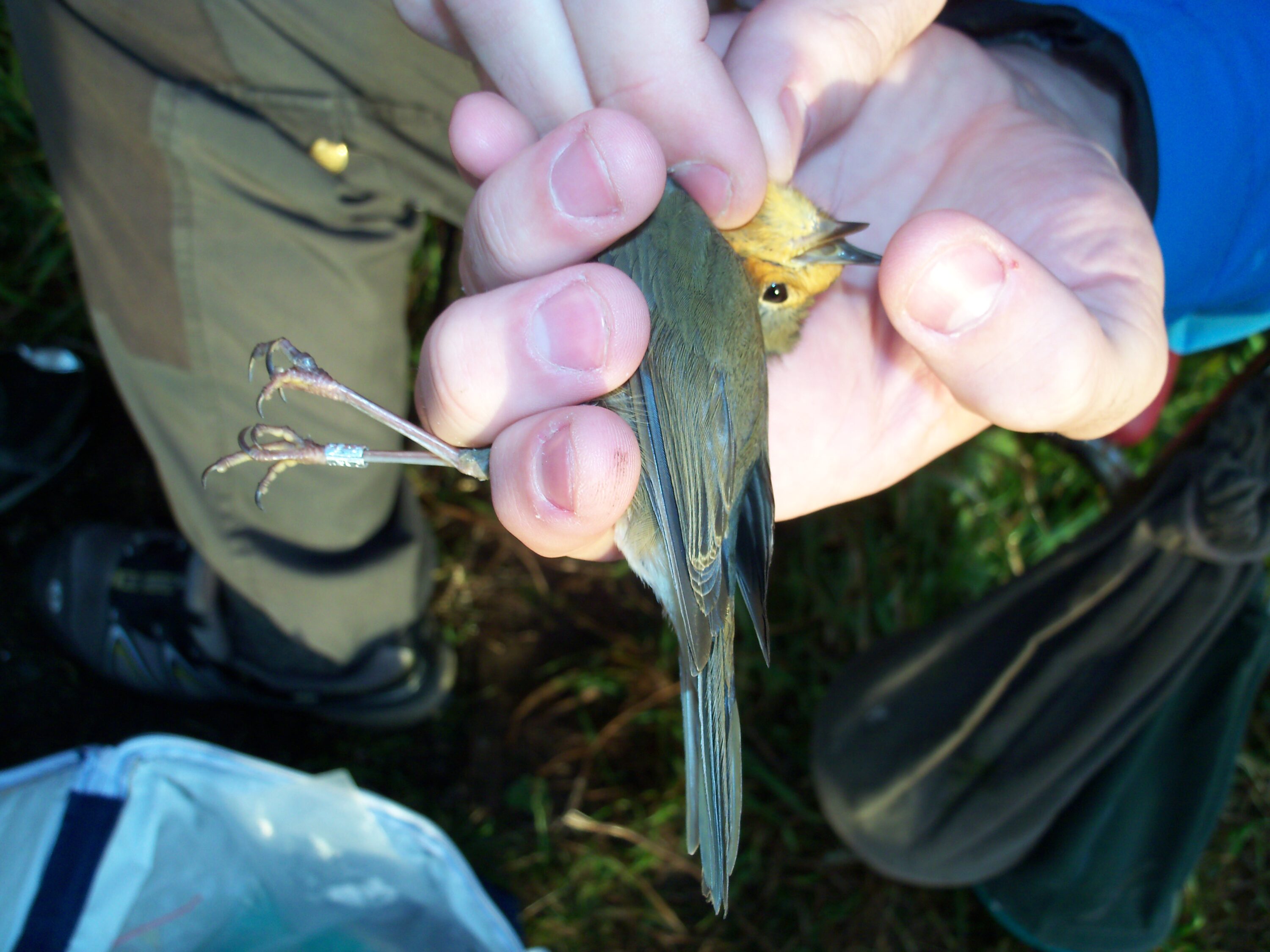
Early-Migrating Robins Carried More Ticks Than Late Migrants
Nearly half of 198 migrating European robins carried ticks, and early autumn migrants had significantly higher tick loads…
Read story →SPECIES IN THIS STORY
Species in this story
Independent research and conservation news archive
Did you find this information useful?
Wildlife Vagabond is independently built and maintained. Voluntary support helps cover source verification, hosting and continued work on research and conservation news.
Support Wildlife VagabondThe news archive will remain freely available.