
Shorter Days Altered Migratory Restlessness in Juvenile Robins but Not Garden Warblers
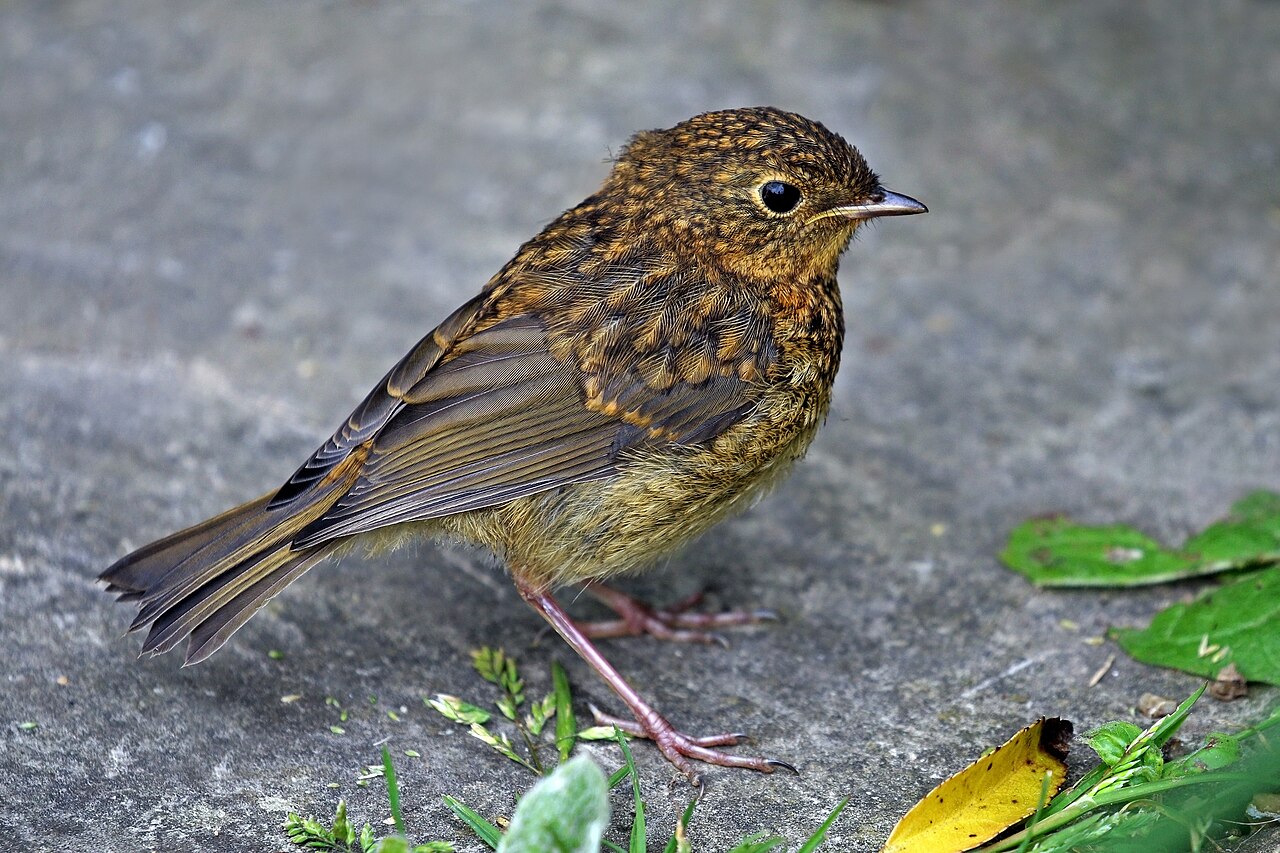
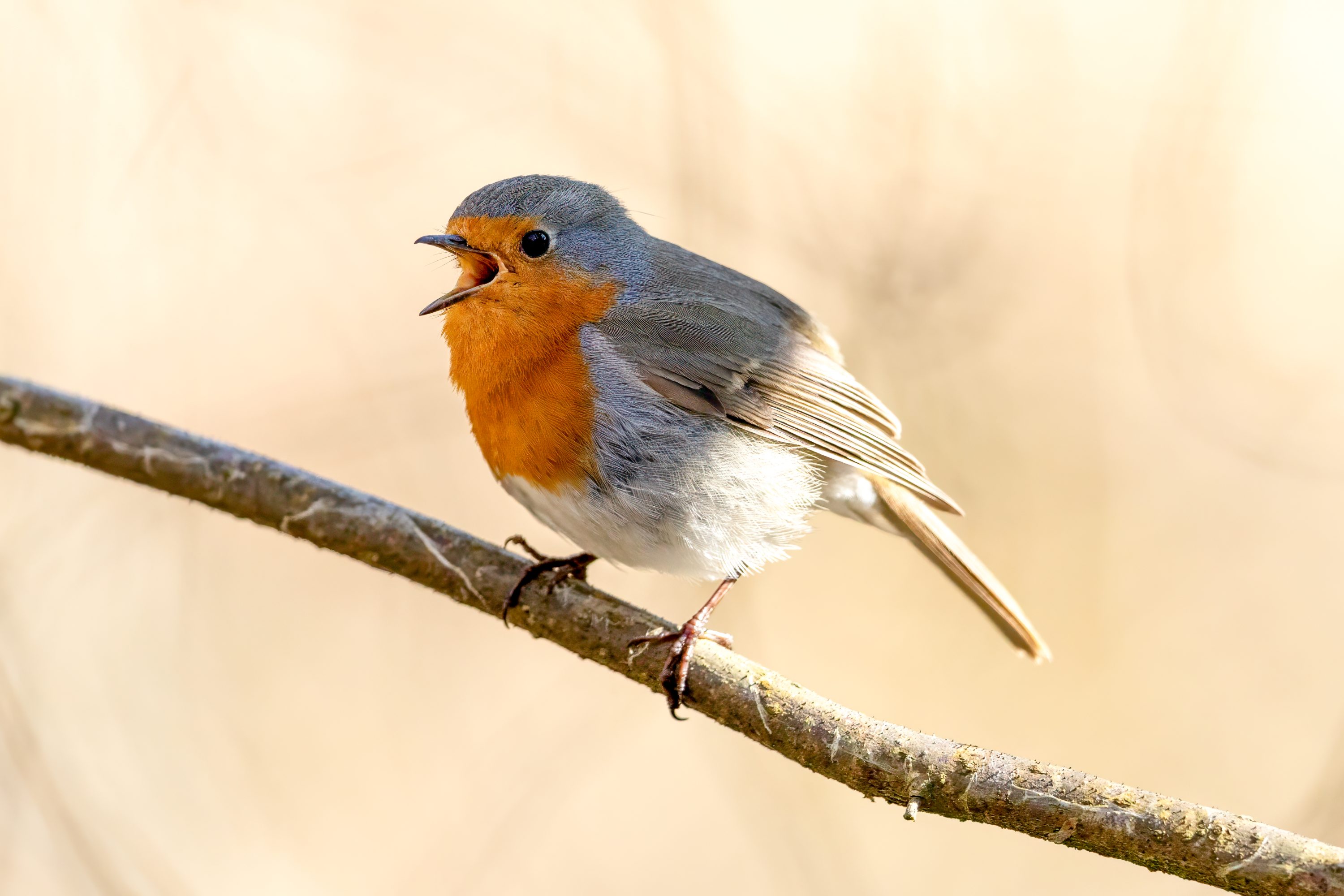
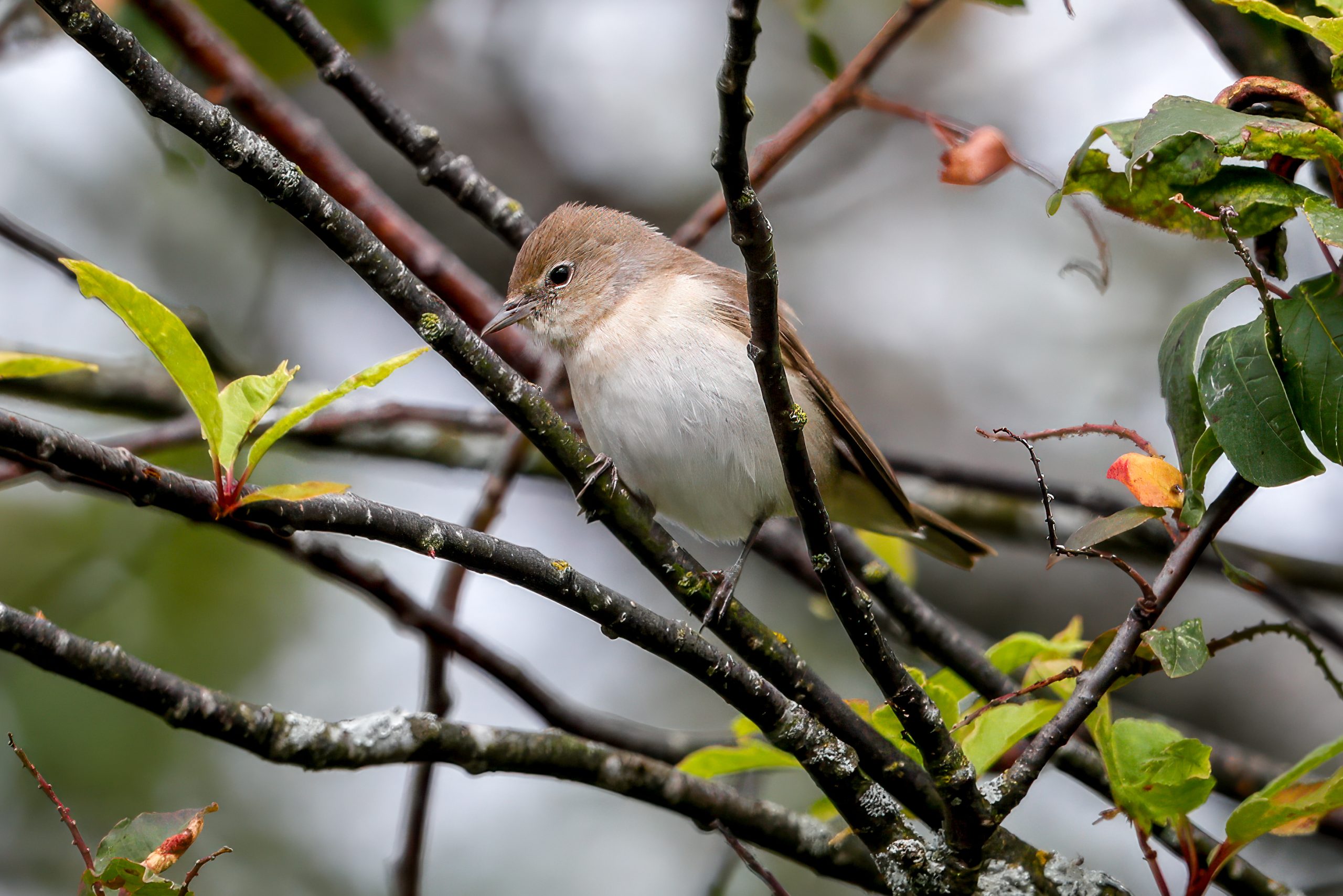
Juvenile European robins (Erithacus rubecula) adjusted their autumn migratory restlessness when exposed to a shorter photoperiod simulating southern France, while juvenile garden warblers (Sylvia borin) showed little comparable response. The study, published on 15 July 2026, tested whether young songbirds continue to use day length as a cue after autumn migration has already begun.
Researchers in Lund, Sweden, temporarily kept hatch-year birds under two light regimes. Twelve robins and 11 garden warblers experienced the natural local photoperiod, while another 12 robins and 11 garden warblers experienced the shorter day length corresponding to the same date around Toulouse. The team monitored nocturnal migratory activity, body condition and food intake.
Robins adjusted their migratory restlessness
In the robins, the shorter photoperiod affected migratory activity but not fuelling. Night activity increased slightly over time in both groups, but the increase was weaker in birds under the southern-France light regime. The duration of their nocturnal migratory activity also declined more strongly than in the control group. Food intake did not differ between treatments, and treatment effects on body condition were too small to be biologically meaningful.
Garden warblers fuelled rapidly without the same response
Garden warblers responded differently. Their nocturnal migratory restlessness increased over time in both groups, with no clear effect of the photoperiod treatment on either intensity or duration. They nevertheless accumulated fuel very rapidly, gaining about 5 g during the first week — a 26.2% increase in body mass. The authors interpret this exceptional fuelling rate as consistent with the time pressure faced by a long-distance migrant preparing to continue towards and across the Sahara.
The authors conclude that different components of the migratory programme can respond to different environmental cues, and that the response can differ between species. They suggest that garden warblers may rely more strongly on other information, including geomagnetic cues, during this phase of autumn migration. They also caution that the two species were probably at different functional stages of migration during the experiment, so the contrast may reflect both species differences and migratory stage.
Behaviour
Related news
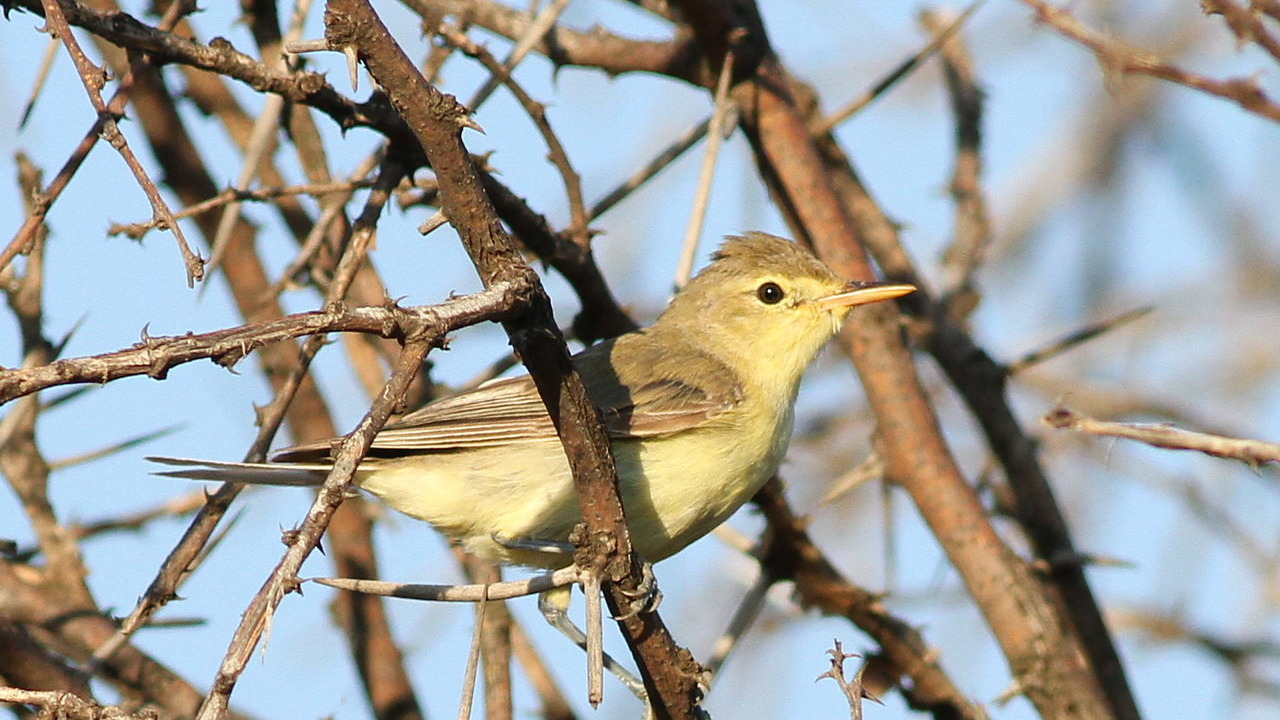
Ten Migrants Followed Early-slow and Late-fast Passage Strategies Through Nigeria
Twenty-four years of ringing data from Jos showed striking species differences in migration timing: Icterine Warblers were among…
Read story →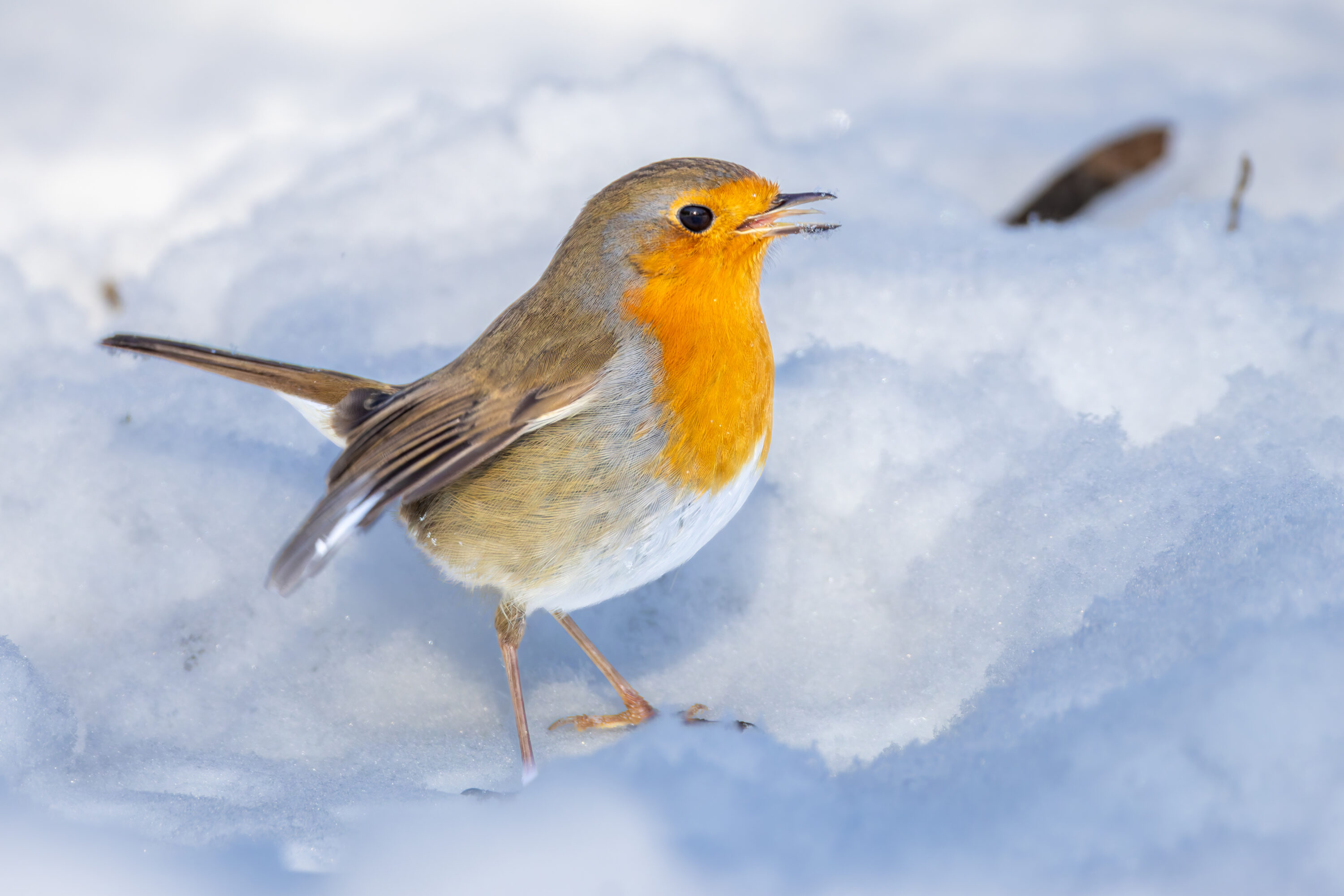
European Robin Retina Study Mapped Transducin Subunits and Found No Gtγ10 in Photoreceptors
A molecular study of retinal tissue from European robins captured near Oldenburg, Germany, mapped the transducin subunits present…
Read story →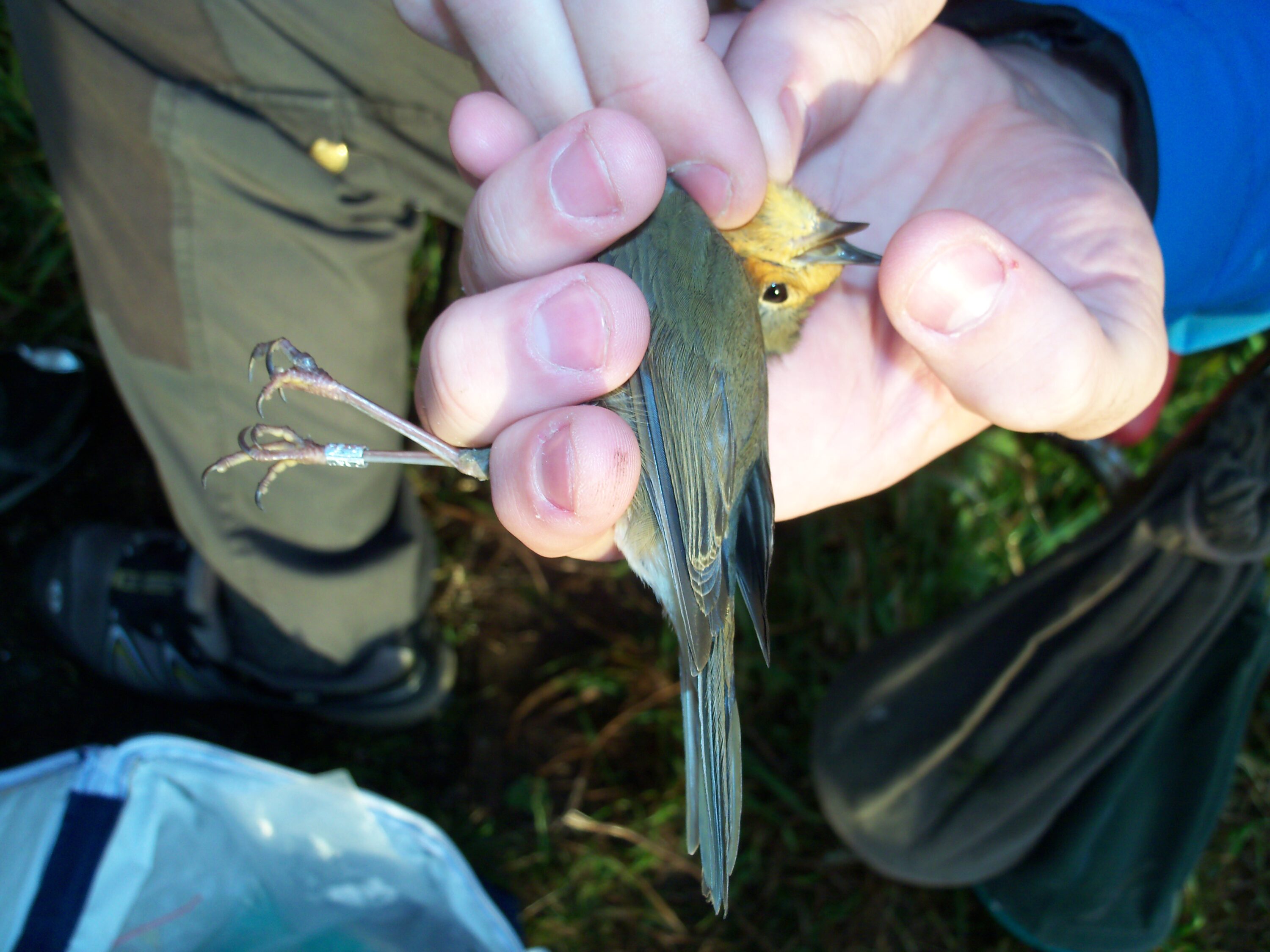
Early-Migrating Robins Carried More Ticks Than Late Migrants
Nearly half of 198 migrating European robins carried ticks, and early autumn migrants had significantly higher tick loads…
Read story →SPECIES IN THIS STORY
Species in this story
Independent research and conservation news archive
Did you find this information useful?
Wildlife Vagabond is independently built and maintained. Voluntary support helps cover source verification, hosting and continued work on research and conservation news.
Support Wildlife VagabondThe news archive will remain freely available.