
One in Three Bacterial Isolates from Eastern Cattle Egrets Was Multidrug Resistant
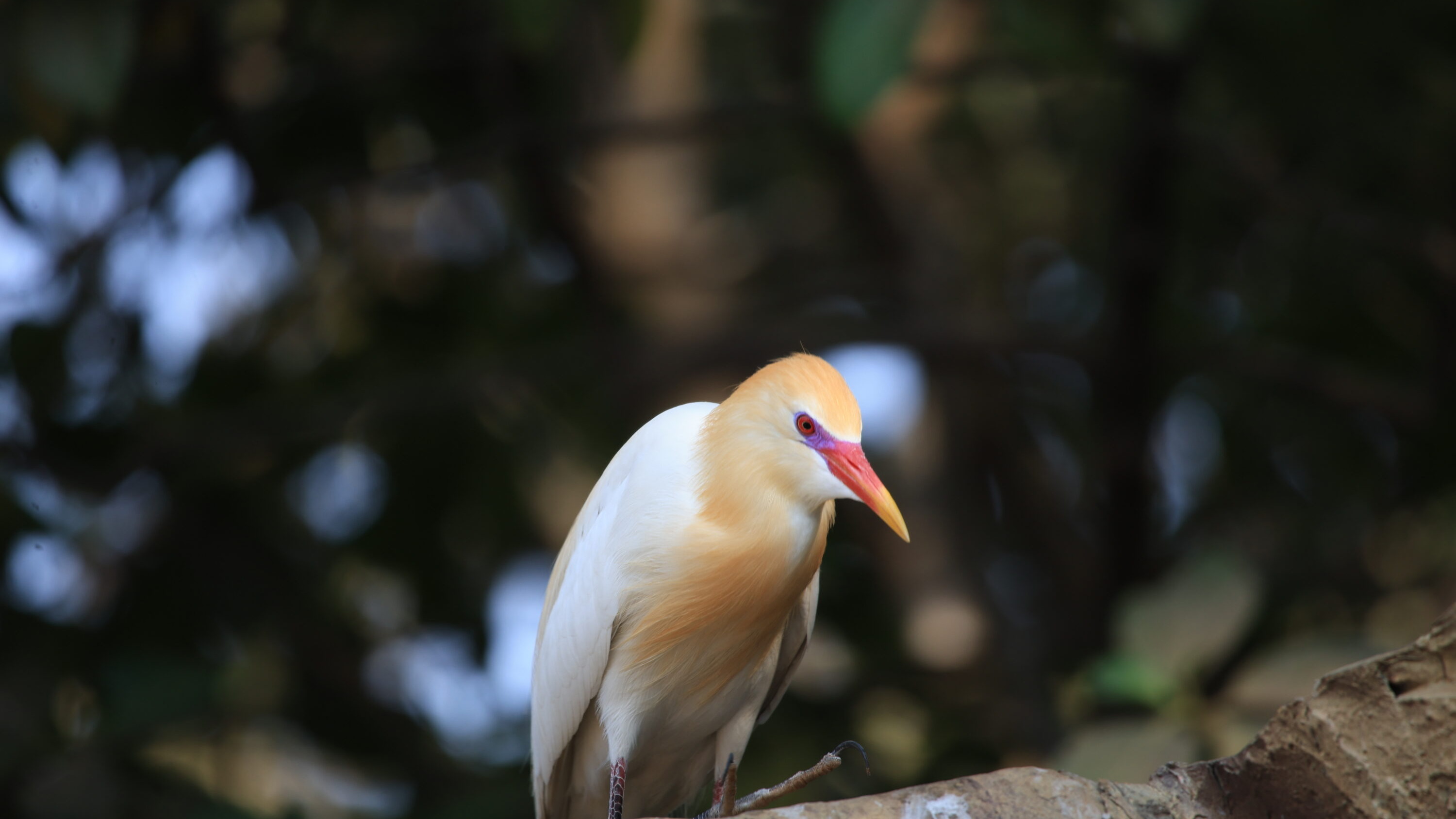
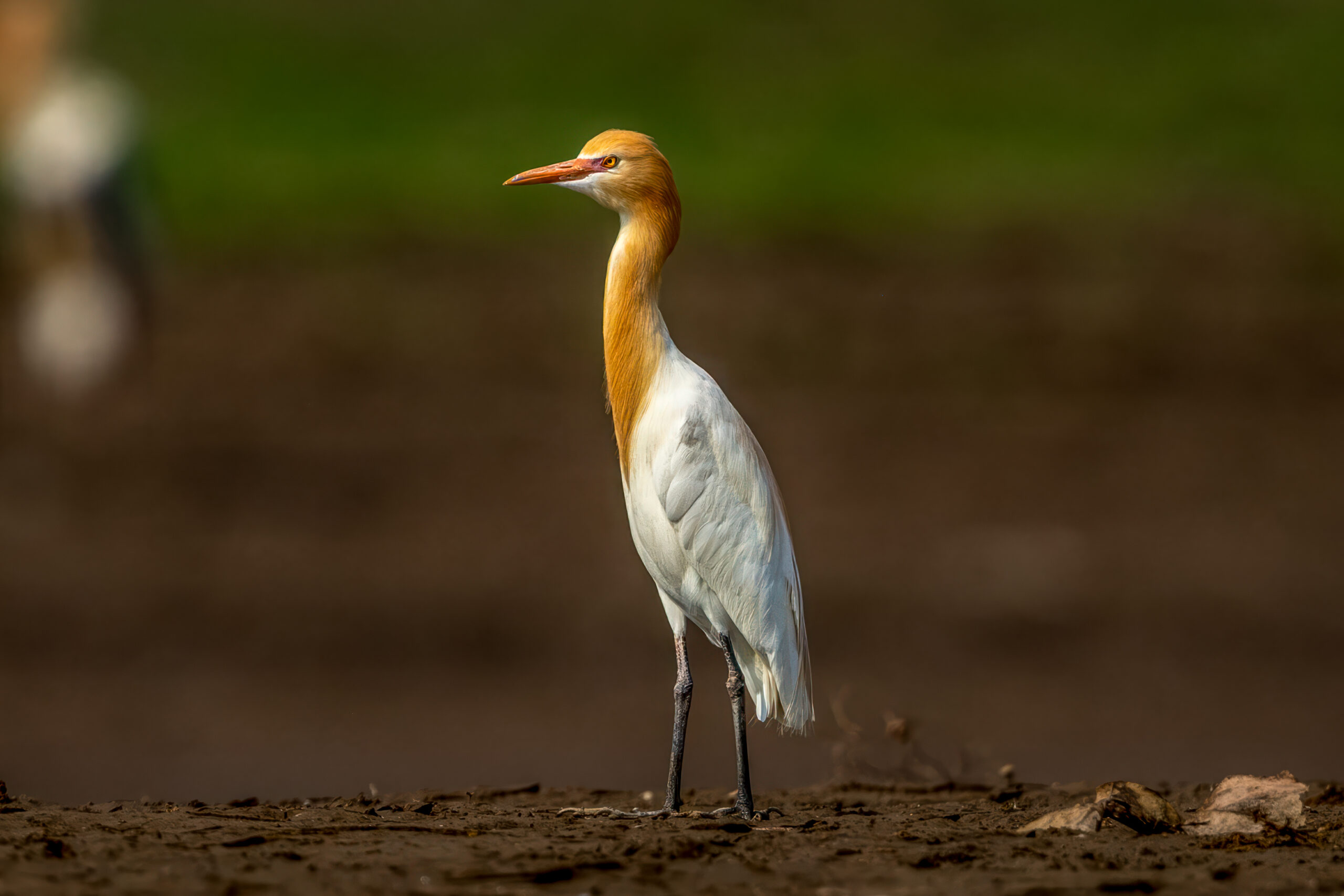
A study of urban eastern cattle egrets (Ardea coromanda) in Udaipur, Rajasthan, found multidrug resistance in one third of the coliform bacterial isolates recovered from their droppings. The study was published on 30 March 2026 in Environmental Monitoring and Assessment. The paper used the traditional, broadly defined name Bubulcus ibis; the Indian population studied here is treated as eastern cattle egret.
Researchers collected 45 fresh faecal samples from city-dwelling cattle egrets between July 2022 and June 2023, with 15 samples collected in each of the monsoon, winter and summer seasons. Laboratory analyses produced 60 bacterial isolates belonging to six genera: Escherichia, Enterobacter, Klebsiella, Proteus, Salmonella and Shigella.
E. coli accounted for two-thirds of the isolates
Escherichia coli was by far the most common species, accounting for 66.7% of the isolates. The researchers also detected Enterobacter chuandaensis and Escherichia fergusonii, which they report as new bacterial records for cattle egrets.
Overall coliform abundance showed no clear seasonal difference, but the composition of the bacterial community did. The kinds of coliform bacteria recovered from the birds therefore changed through the year even though the overall bacterial load remained broadly similar among seasons.
One-third of the isolates were multidrug resistant
The isolates were tested against 15 antibiotics. Resistance was recorded in all isolates tested against linezolid and rifampicin, while 46% were resistant to erythromycin. Gentamicin remained effective against the isolates. Overall, 33.3% of the bacterial isolates were classified as multidrug resistant, with E. coli showing the highest level of resistance.
The authors place the findings in a One Health context, which treats human, animal and environmental health as interconnected. Eastern cattle egrets frequently use urban environments, livestock areas and other habitats where wildlife, domestic animals and people overlap. The authors argue that such birds may carry resistant bacteria between different parts of the environment and call for broader genomic surveillance to clarify how antimicrobial-resistance genes circulate among wildlife, livestock, people and their shared surroundings.
Disease, parasites & microbiology
Related news

Great Egret and Grey Heron Dominated Many Inland Heron Colonies in South Korea
Across 176 South Korean breeding colonies, two colony groups had more than 90% of nests from large-bodied herons…
Read story →
Fused Toes on Both Feet Documented in a Wild Eastern Cattle Egret in Karnataka
A wild Eastern Cattle Egret observed at Huyilalu Lake in Karnataka had asymmetric deformities and fused toes on…
Read story →
Human Disturbance Was Linked to 28 Abandoned Nests at Punjab Village Ponds
Researchers monitored 67 nests of eight bird species at village ponds in three Punjab districts; 28 were abandoned…
Read story →SPECIES IN THIS STORY
Species in this story
Independent research and conservation news archive
Did you find this information useful?
Wildlife Vagabond is independently built and maintained. Voluntary support helps cover source verification, hosting and continued work on research and conservation news.
Support Wildlife VagabondThe news archive will remain freely available.