
Eastern Red-rumped Swallow Now Has Its First Chromosome-Level Genome
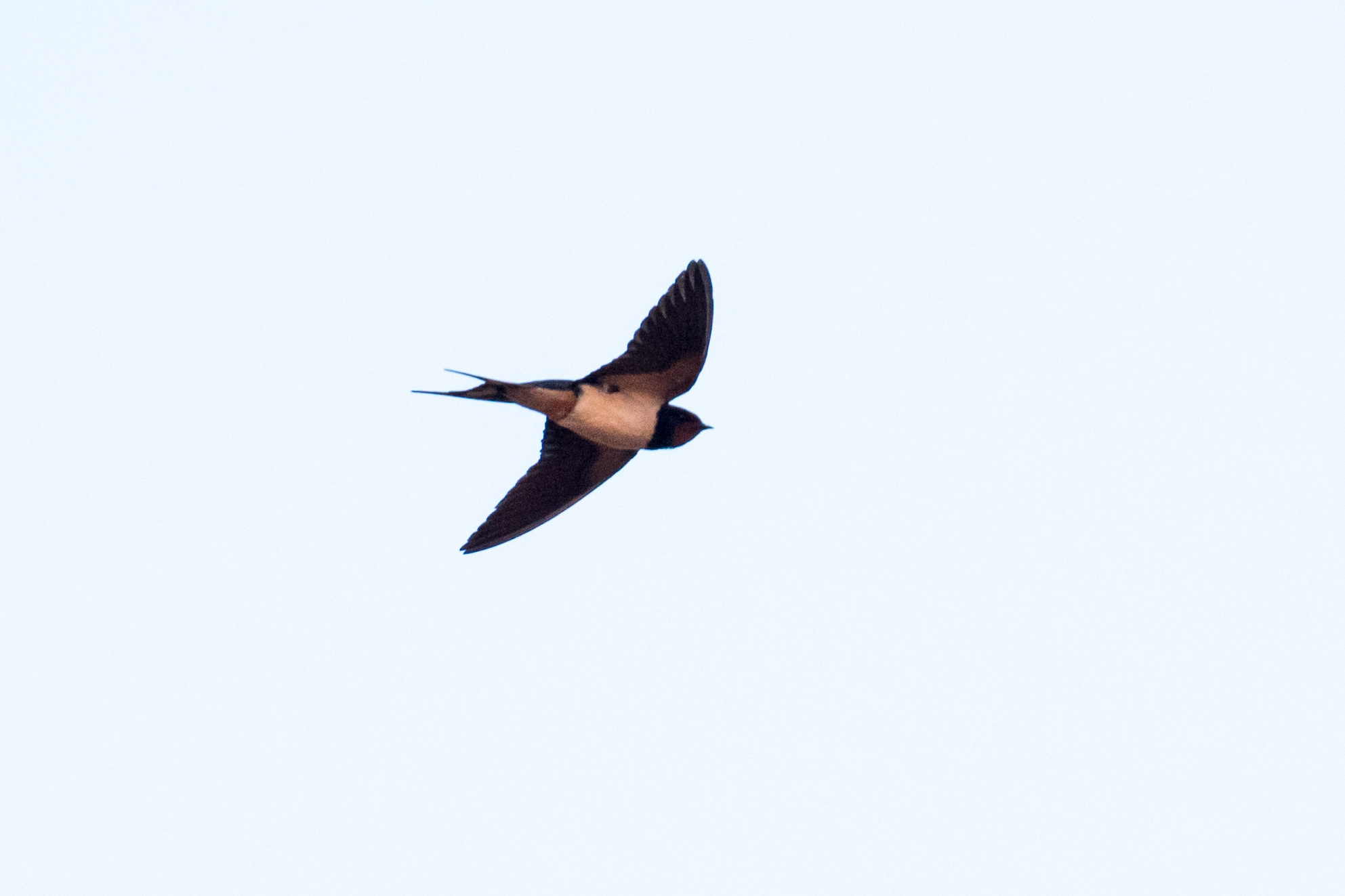
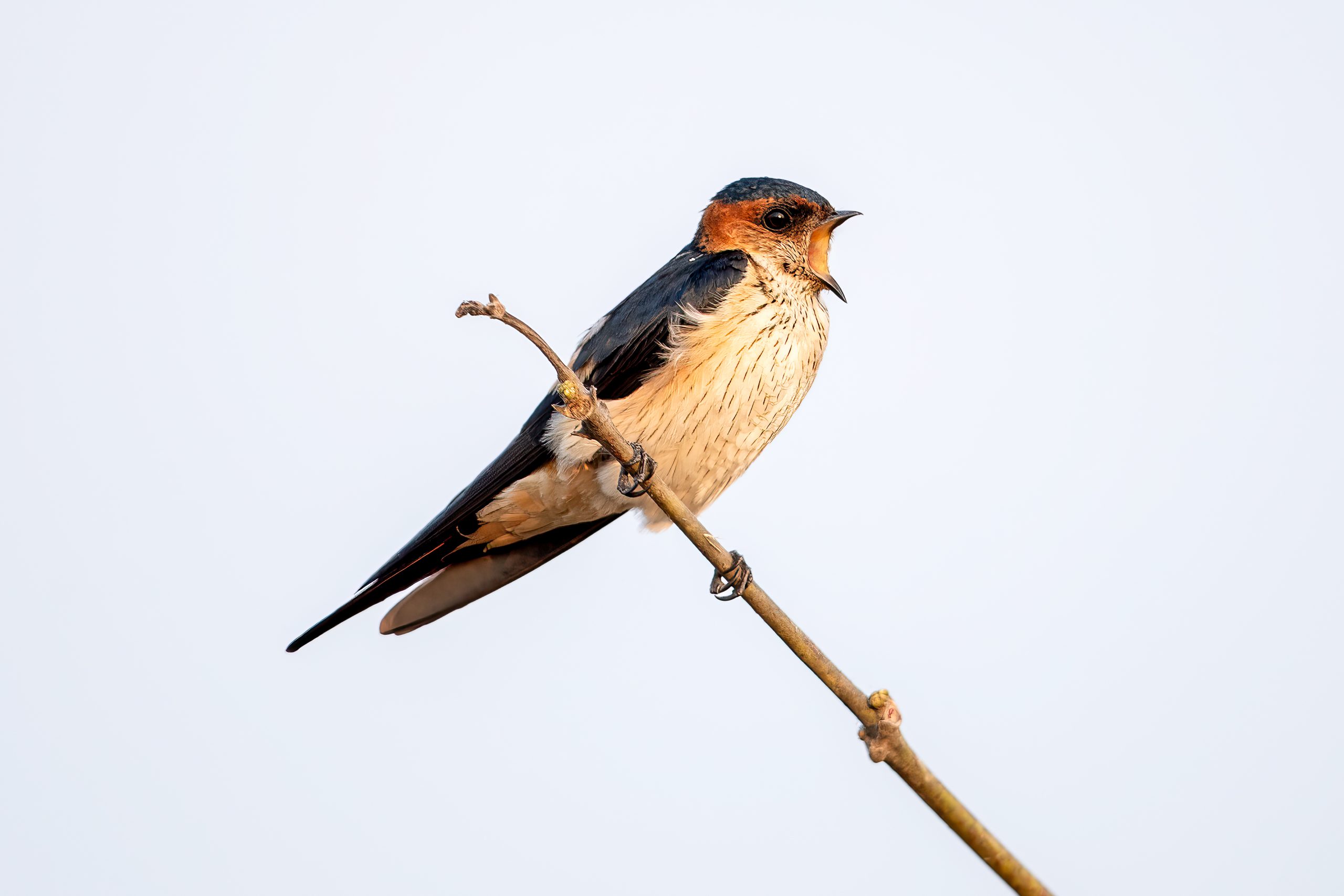
The Eastern red-rumped swallow (Cecropis daurica) now has its first chromosome-level reference genome. A chromosome-level assembly goes beyond a collection of DNA fragments by organising sequence into the chromosomes it belongs to, giving researchers a more useful framework for comparisons across the genome.
The researchers combined PacBio HiFi long reads and BGI short reads with Hi-C sequencing. Hi-C uses information about which DNA regions lie physically close together inside the cell nucleus to help order sequence into chromosomes. The finished assembly spans 1.19 billion DNA base pairs and includes sequence anchored to 40 chromosomes, corresponding to a diploid chromosome number of 2n = 80 — two chromosome sets containing 80 chromosomes in total.
Genome completeness was estimated at 99.1% with BUSCO, a test that looks for conserved genes expected to be present in a lineage. The high score therefore indicates that very few of these expected genes were missing from the assembly. The researchers predicted 20,580 protein-coding genes, and 18,968 of them could be assigned functional annotations, meaning they could be linked to known or predicted biological roles.
The genome is a reference resource rather than a study showing a particular adaptation. The authors highlight its value for future ecological and evolutionary work on the species, including comparisons of how swallows have adapted to human-modified and urban environments.
Genetics & genomics
Related news
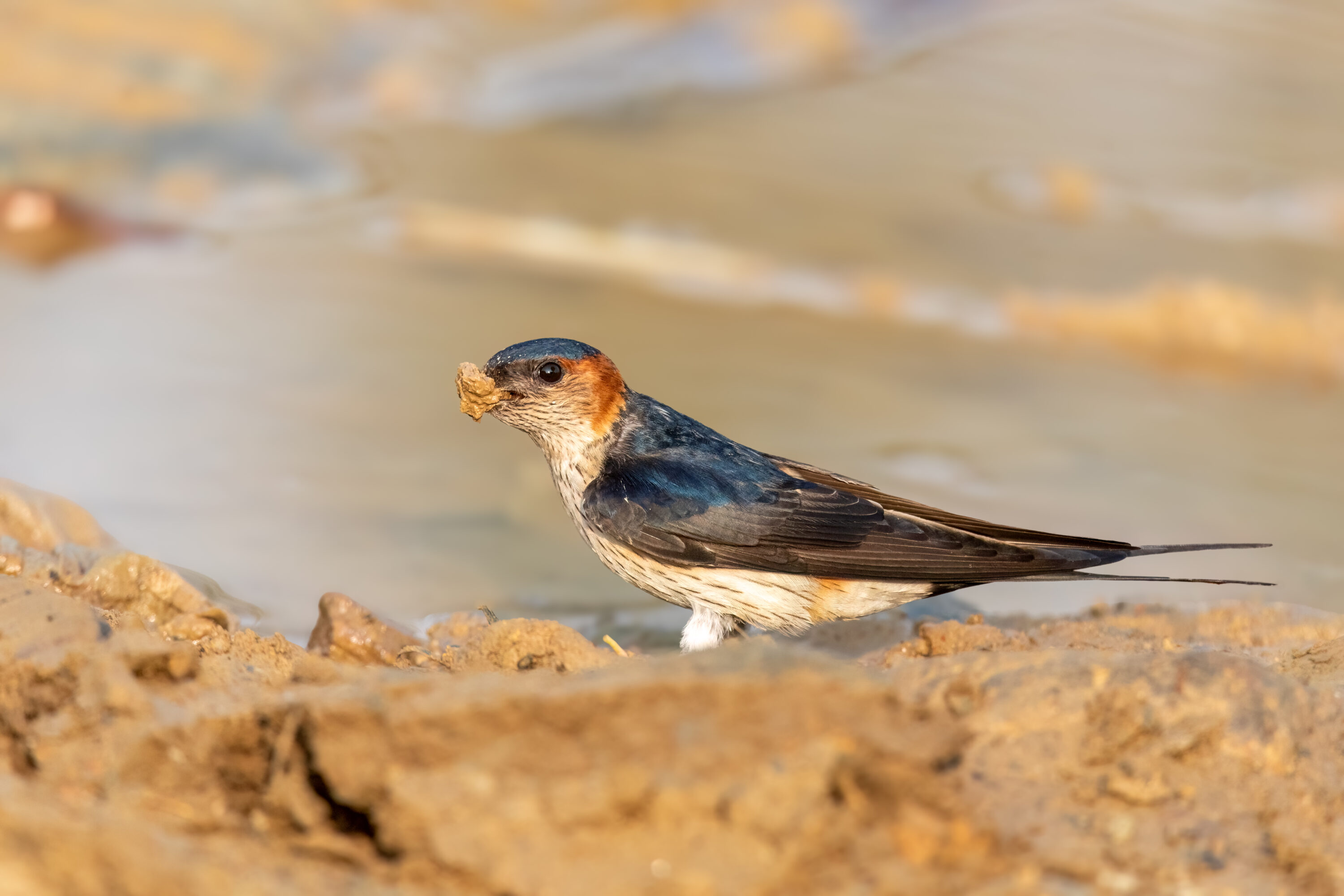
Eastern Red-rumped Swallow Built a Mud Nest on a Pre-existing Wasp Nest in South Korea
Citizen scientists in Miryang documented Eastern Red-rumped Swallows using an inactive wasp nest as a supporting structure for…
Read story →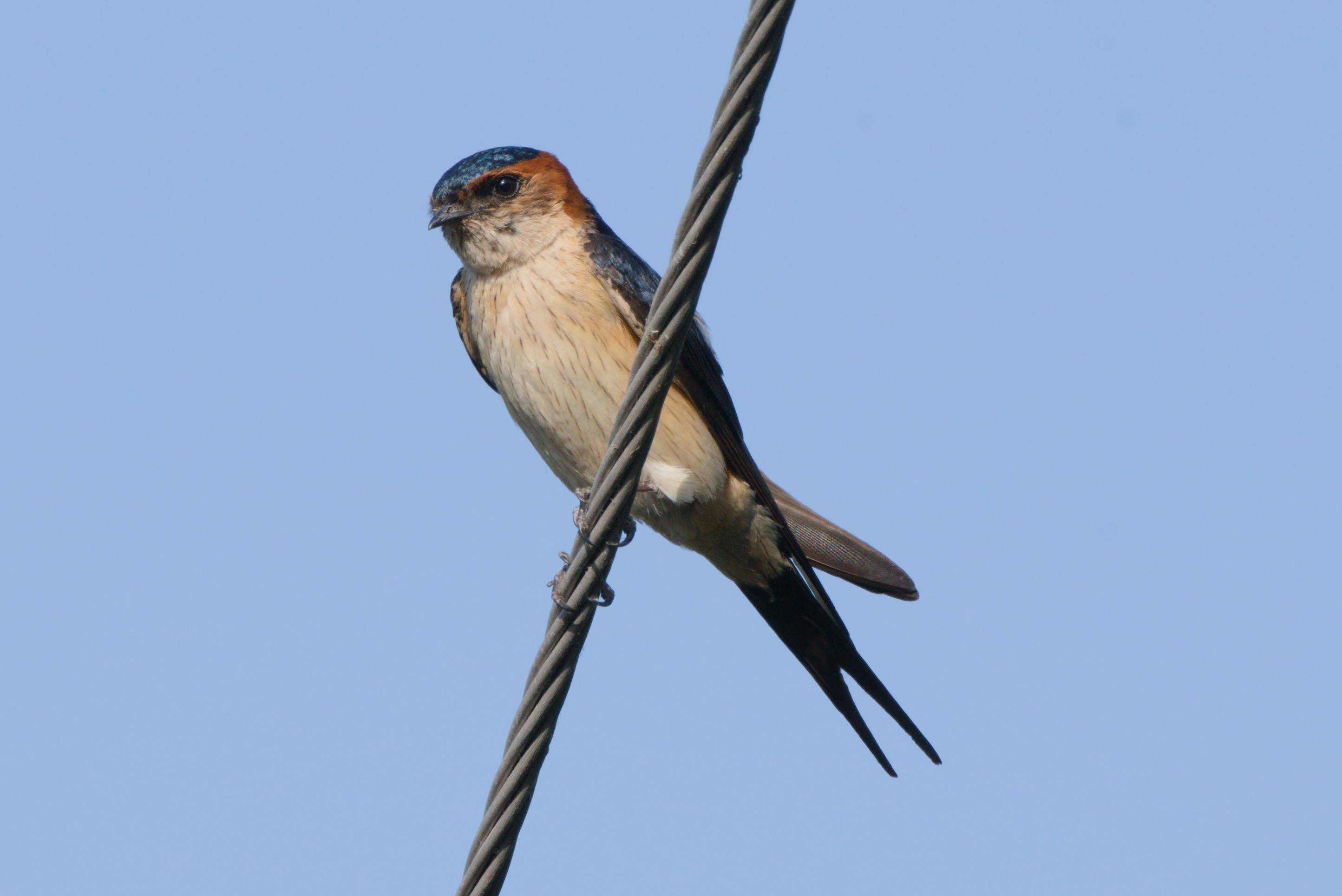
Cold-Wave Swallow Deaths Linked to Possible Exhaustion After Long Migration
More than 5,000 eastern red-rumped swallows were estimated to have died during a 2017 cold wave in Guangxi.…
Read story →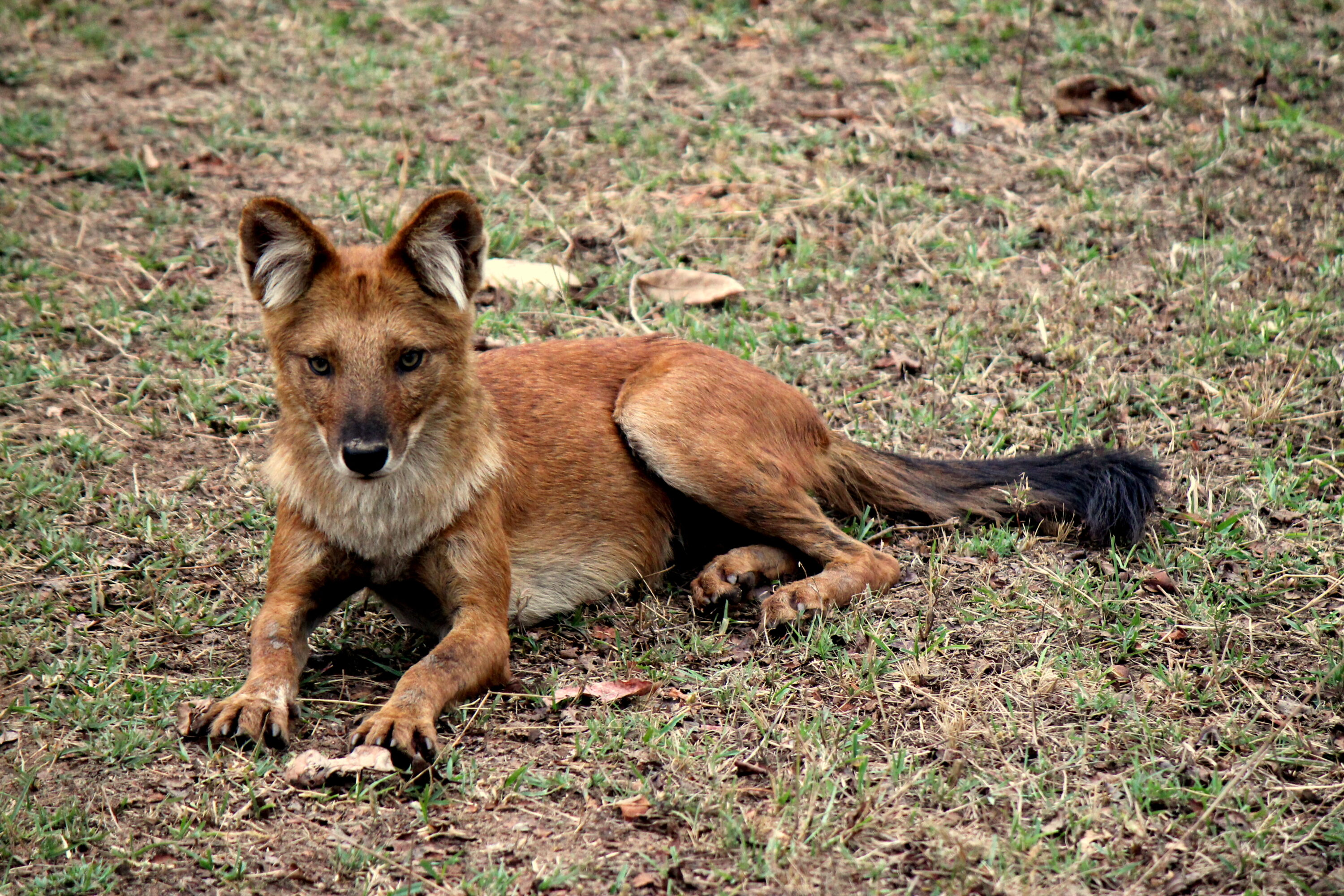
Dhole Gets Its First Chromosome-Level Genome Assembly
Researchers assembled a 2.42-billion-base genome for the dhole, anchoring 97.0% of its sequence to 39 chromosomes. The resource…
Read story →SPECIES IN THIS STORY
Species in this story
Independent research and conservation news archive
Did you find this information useful?
Wildlife Vagabond is independently built and maintained. Voluntary support helps cover source verification, hosting and continued work on research and conservation news.
Support Wildlife VagabondThe news archive will remain freely available.