
Cold-Wave Swallow Deaths Linked to Possible Exhaustion After Long Migration

More than 5,000 eastern red-rumped swallows (Cecropis daurica) were estimated to have died during a cold wave in Fangchenggang, Guangxi, China, in November 2017. A study published in 2026 examined 83 intact carcasses collected from the event to investigate whether mercury exposure or the energetic demands of long-distance migration could help explain the mass mortality.
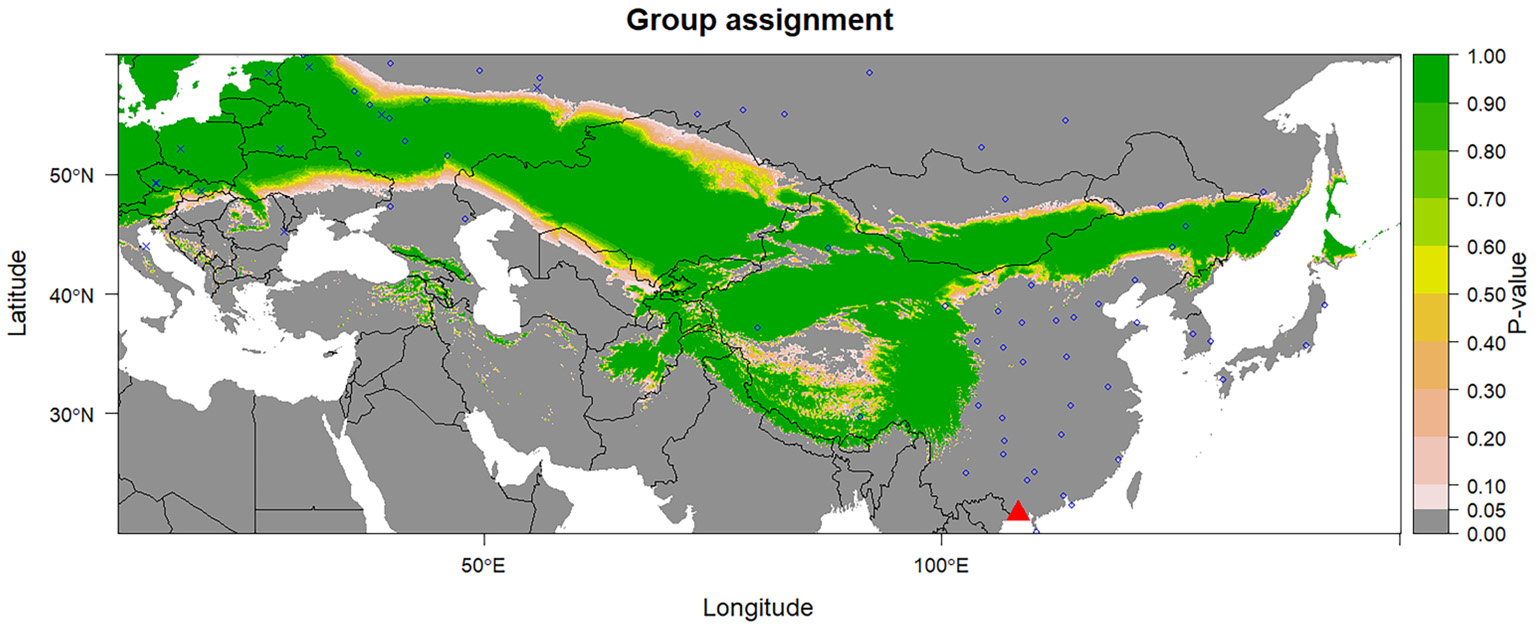
The researchers measured total mercury in tail feathers and stable hydrogen isotopes in claw tips. Feather mercury ranged from 0.13 to 1.58 µg/g dry weight, and 89% of samples were below 1.0 µg/g; the overall pattern was below levels previously associated with harmful effects in birds. Hydrogen-isotope patterns vary geographically in precipitation and can become incorporated into animal tissues, allowing them to provide broad clues to where a bird had previously grown tissue. The claw-isotope results indicated a wide range of possible breeding origins.
The birds had likely completed a long migration
The sampled birds belonged to the subspecies C. d. japonica. When the isotope results were considered together with this subspecies’ breeding range, the researchers concluded that many of the dead swallows were likely to have come from distant northern breeding areas and had already completed a long southward journey before encountering the cold wave. These are probabilistic estimates: the isotope model combined calibration information from European swallows with an East Asian reference dataset from a different bird species because no dedicated calibration existed for eastern red-rumped swallows across their Asian breeding range. Hydrogen isotopes alone also cannot pinpoint longitude.
Exhaustion and cold best explained the mortality
The authors therefore considered fatigue or starvation after long-distance flight, compounded by the extreme weather, the most likely main explanation for the mortality, while mercury was unlikely to have been the primary direct cause. They also note an important limitation: most carcasses had been found crushed on roads and no necropsies were carried out, so there were no direct measurements of fat reserves or muscle condition to confirm starvation or exhaustion.
Ecology
Related news

Eastern Red-rumped Swallow Now Has Its First Chromosome-Level Genome
The 1.19-billion-base-pair assembly includes sequence anchored to 40 chromosomes and 20,580 predicted protein-coding genes; a 99.1% BUSCO score…
Read story →
Eastern Red-rumped Swallow Built a Mud Nest on a Pre-existing Wasp Nest in South Korea
Citizen scientists in Miryang documented Eastern Red-rumped Swallows using an inactive wasp nest as a supporting structure for…
Read story →
African Bush Elephants Distinguished Artificial Food-Quantity Patterns at Close Range
In experiments in South Africa, four semi-tame elephants chose between visual patterns representing canopy size and leaf density.…
Read story →SPECIES IN THIS STORY
Species in this story

Independent research and conservation news archive
Did you find this information useful?
Wildlife Vagabond is independently built and maintained. Voluntary support helps cover source verification, hosting and continued work on research and conservation news.
Support Wildlife VagabondThe news archive will remain freely available.