
More Egg Inspection Predicted Recognition but Not Ejection in a Cuckoo Host
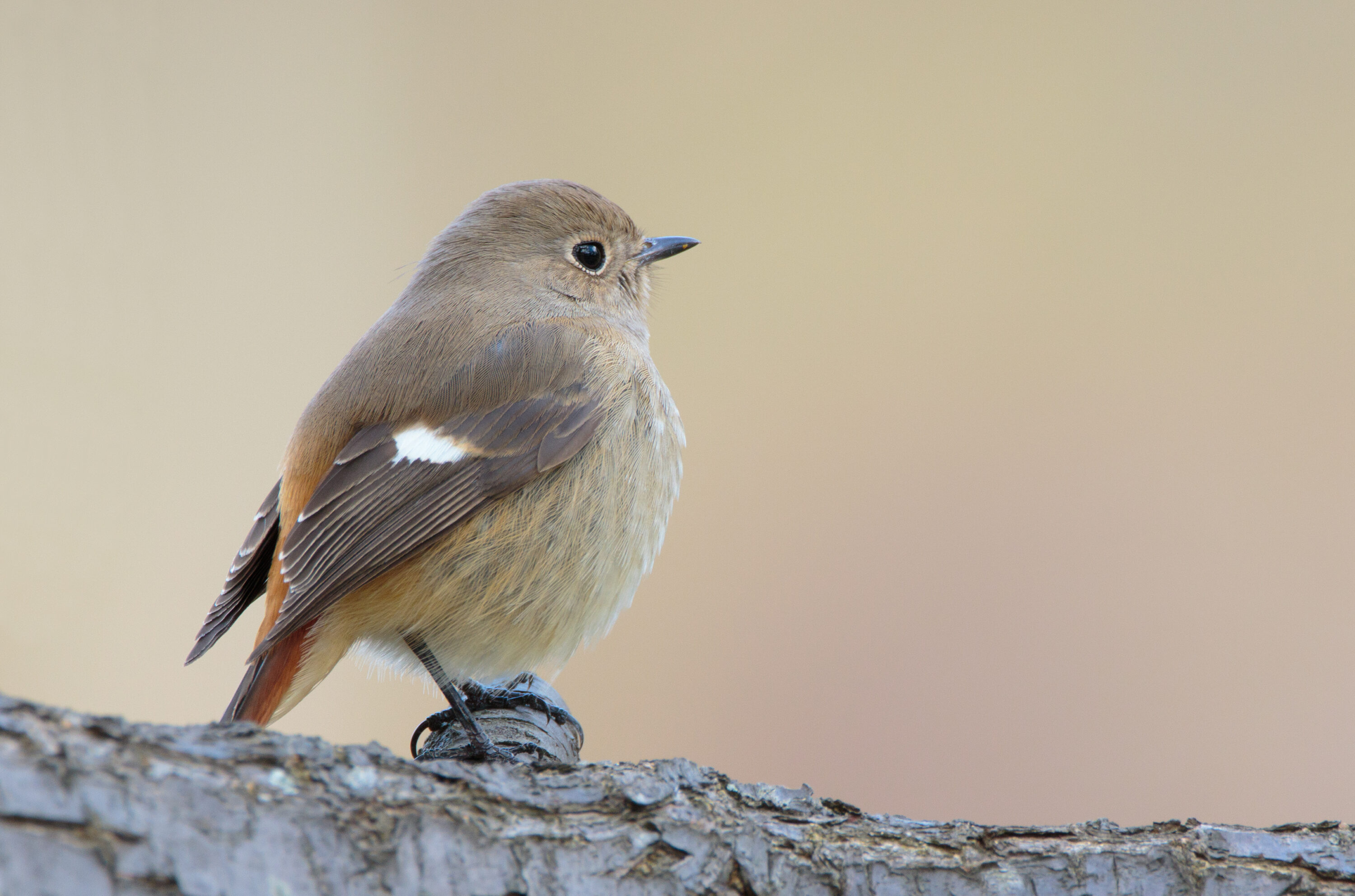
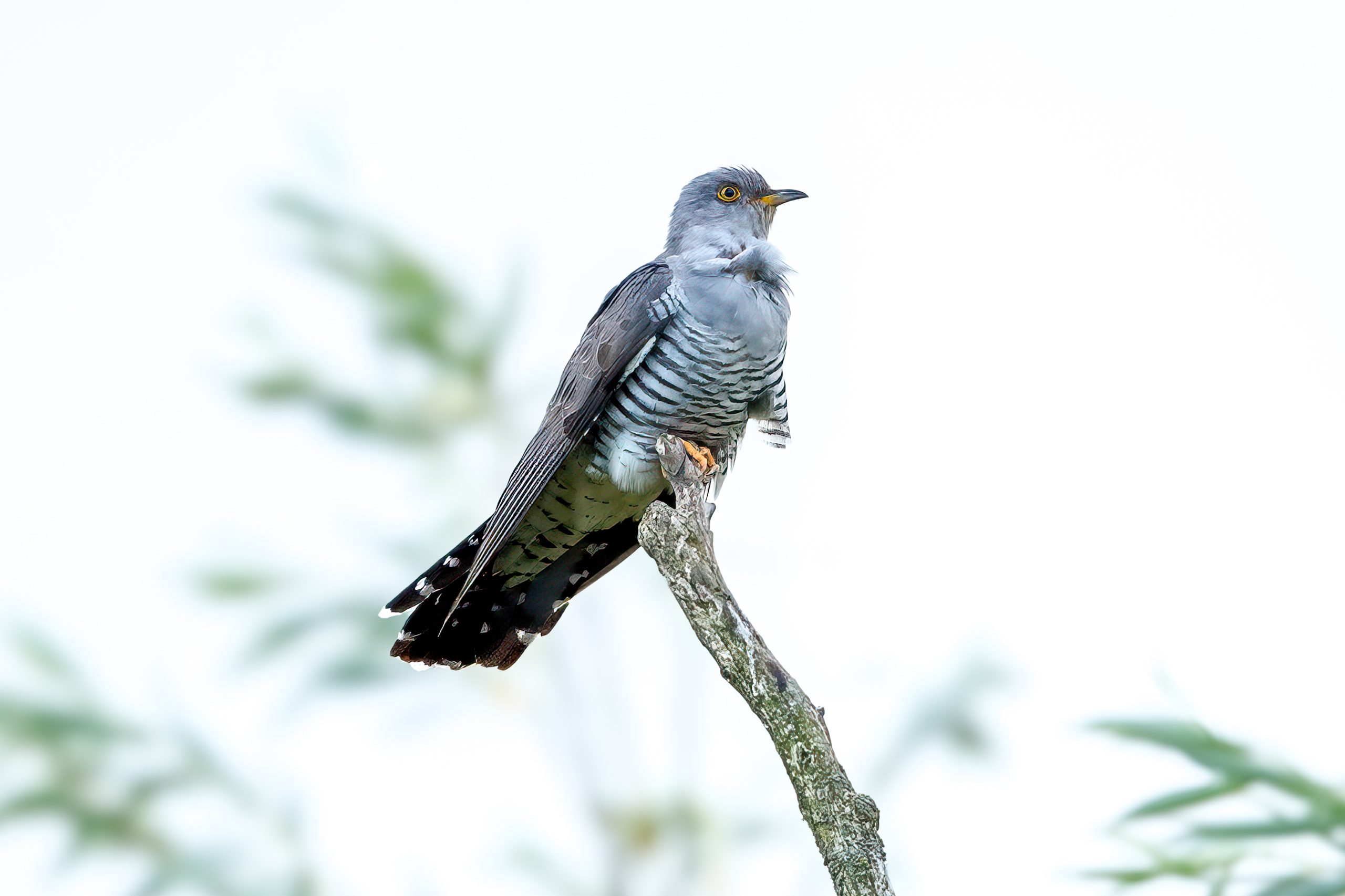
Female daurian redstarts (Phoenicurus auroreus) inspected their clutch more often and for longer after researchers introduced an artificial common cuckoo (Cuculus canorus) egg, according to a study first published on 20 May 2026. The birds that inspected more intensively were also more likely to recognise the foreign egg, but inspection effort did not predict whether they later ejected it.
The study was carried out in Jilin Province, northeastern China, during the 2020 and 2021 breeding seasons. Researchers conducted 96 artificial-parasitism trials, mainly in nestboxes, introducing clay model eggs that closely matched the size, mass and colour of natural cuckoo eggs found in redstart nests. Small cameras recorded the females for one hour before and one hour after the model egg was introduced.
Inspection increased after the foreign egg appeared
Before the experimental egg was added, females inspected their clutch about 9.1 times per hour and spent around 12.9 seconds doing so. After the model cuckoo egg appeared, this increased to about 15.0 inspections and 23.8 seconds.
The researchers treated pecking at the foreign egg during the two-hour presentation period as evidence that a female had recognised it. Redstarts were not observed pecking their own eggs, so pecking at the model provided a behavioural sign that the foreign egg had been distinguished from the clutch. Females that inspected the clutch more frequently and for longer were more likely to show this recognition response.
Recognition and removal were separate steps
More inspection did not, however, make subsequent ejection of the model egg more likely. Neither inspection frequency nor inspection duration was clearly associated with whether the foreign egg was ultimately removed during the following six days.
The study population also contains females that lay either blue or pink eggs, while common cuckoos in this host system typically lay light-blue eggs. Among females that had recognised the foreign egg, those with pink clutches were more likely to reject it, whereas females with blue clutches were more likely to accept it. The authors relate this difference to how closely the cuckoo-like egg resembles the host’s own eggs.
The results separate two parts of anti-parasite defence that are often treated as the same process. More intensive egg inspection was associated with better recognition of a foreign egg, but recognition did not automatically lead to rejection. A host can therefore identify a parasitic egg and still make a separate decision about whether to remove it.
Behaviour
Related news
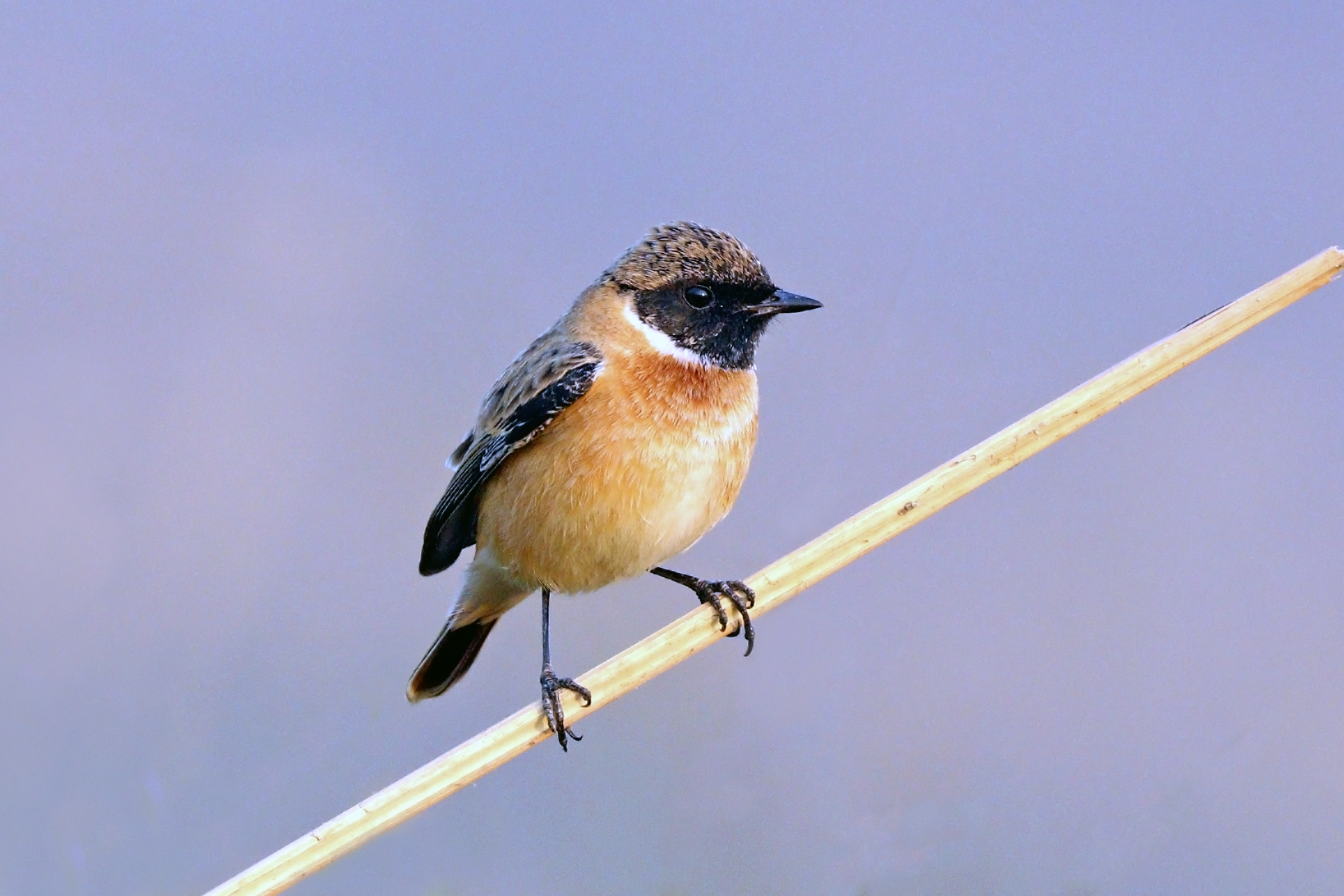
Egg Rejection Did Not Clearly Increase After Cuckoo Arrival in Two Host Species
Grey bushchats and Siberian stonechats showed no clear increase in foreign-egg rejection after common cuckoos arrived. The result…
Read story →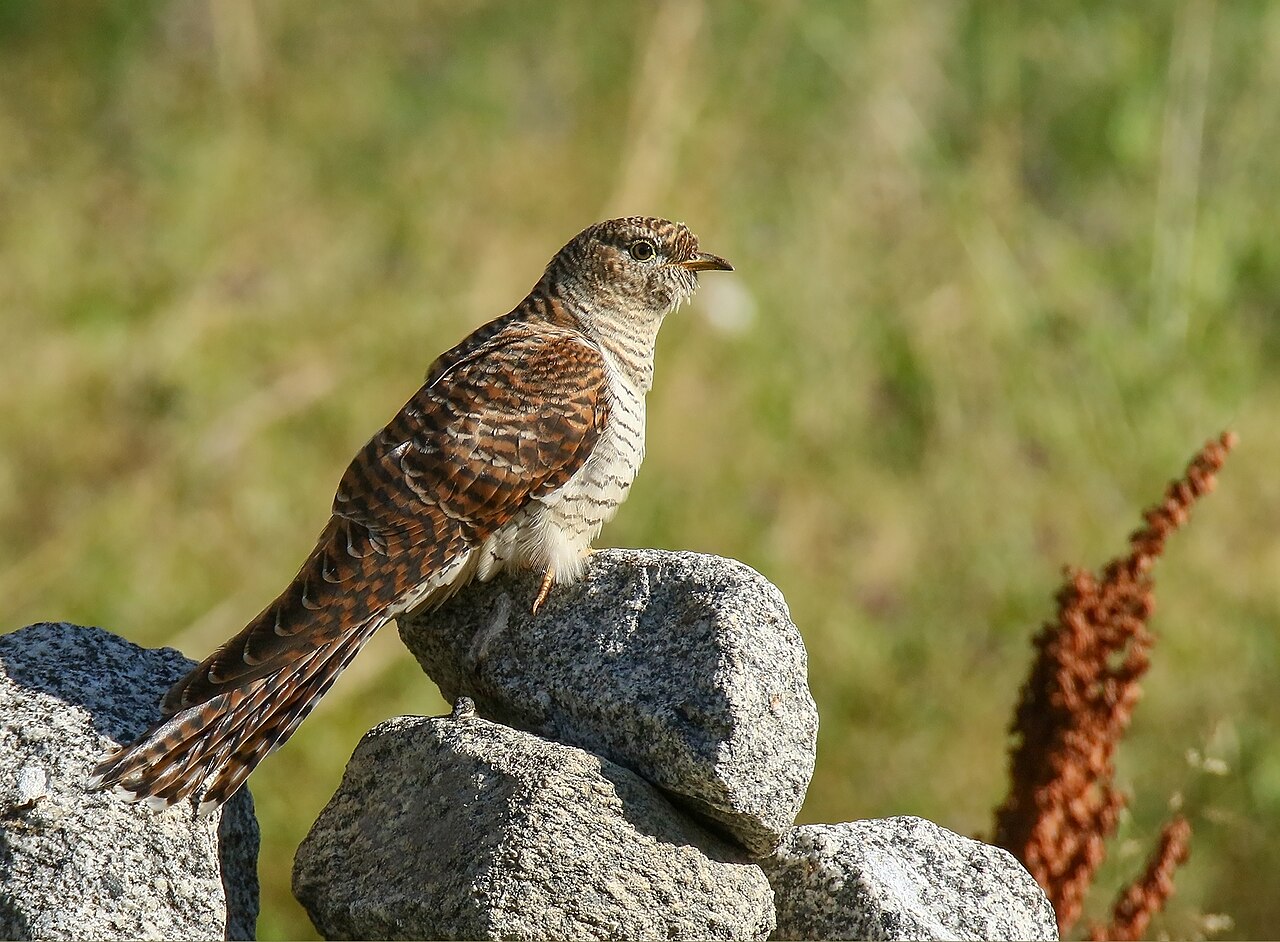
Cuckoos Use Two Different Strategies to Lay Eggs in Redstart Nests
Video from Finnish redstart nest boxes provides the first direct evidence that common cuckoos use two egg-laying strategies,…
Read story →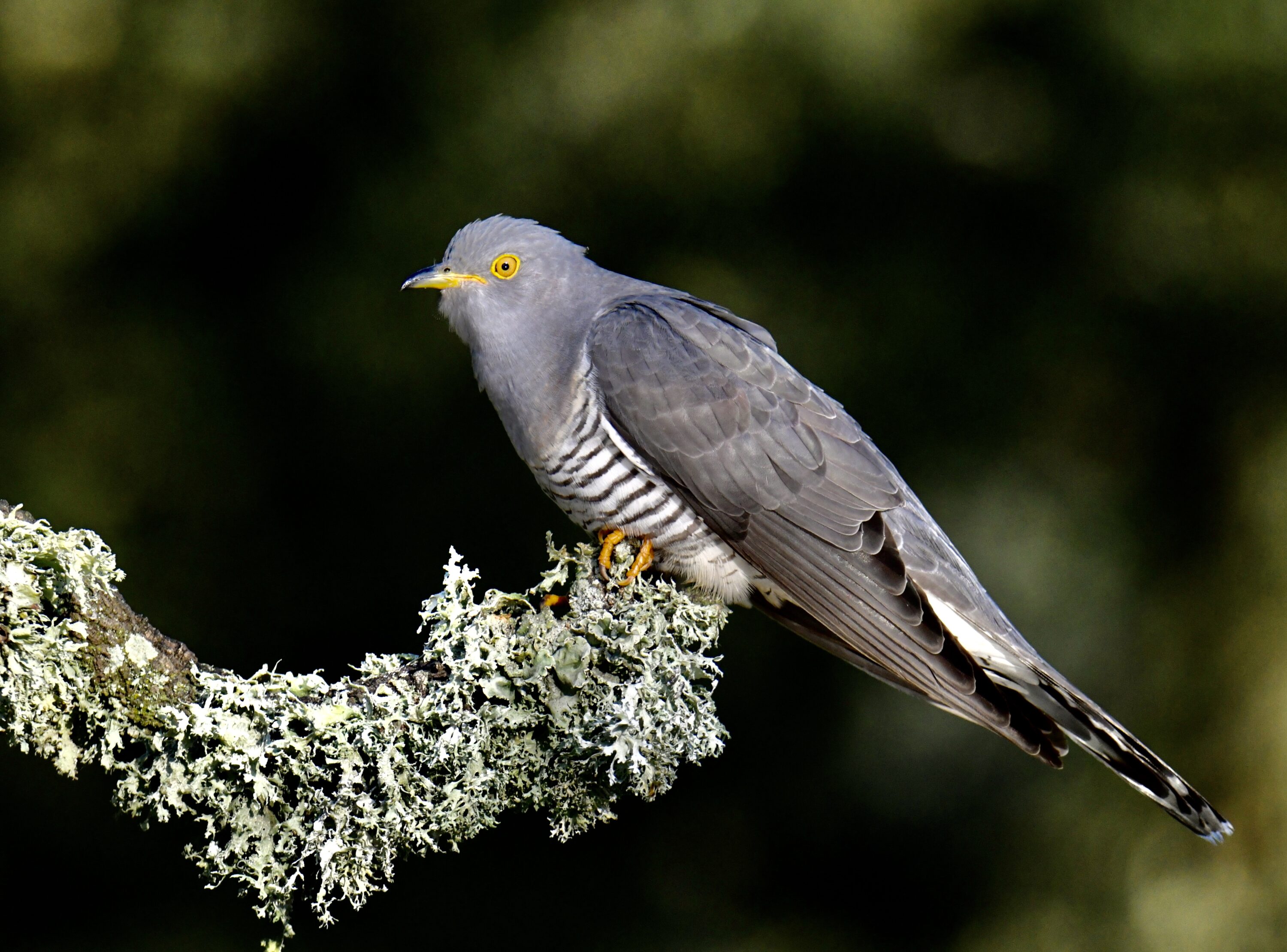
Models Highlighted Iberian Mountains and the Po Watershed as Key Stopover Regions for UK Common Cuckoos
Models based on satellite tracks from 88 UK-breeding male common cuckoos highlighted Iberian mountain ranges and the Po…
Read story →SPECIES IN THIS STORY
Species in this story
Independent research and conservation news archive
Did you find this information useful?
Wildlife Vagabond is independently built and maintained. Voluntary support helps cover source verification, hosting and continued work on research and conservation news.
Support Wildlife VagabondThe news archive will remain freely available.