
Two Bunting Species Rejected 92–100% of White Foreign Eggs but Only 40–45% With Host-like Patterns
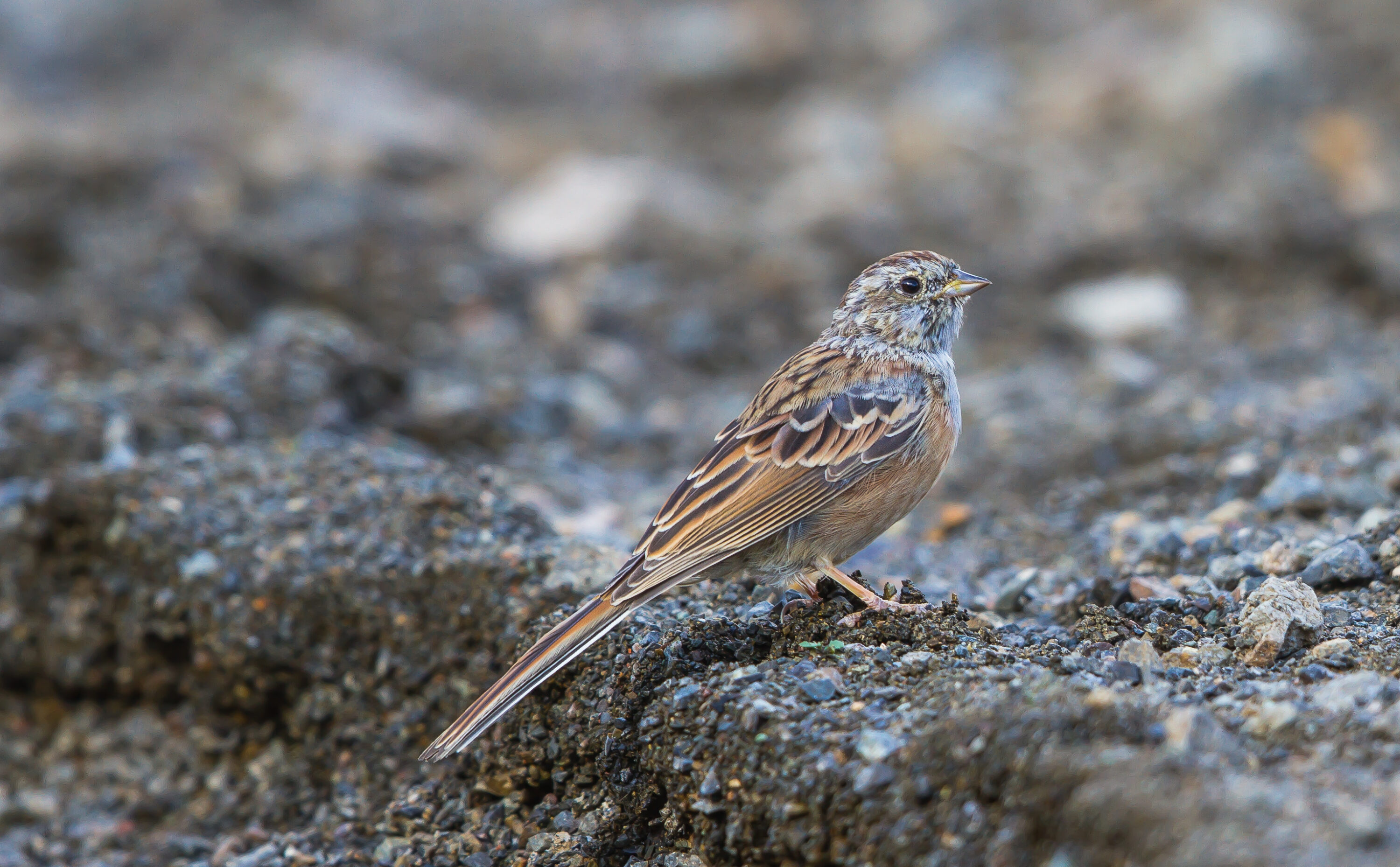
Two closely related bunting species that can serve as hosts of the common cuckoo (Cuculus canorus) rejected foreign eggs much more often when the markings differed strongly from their own. The experiment in China tested Godlewski’s bunting (Emberiza godlewskii) and yellow-throated bunting (Emberiza elegans). In both species, rejection increased stepwise as the experimental eggs became less similar to their own eggs.
The researchers used budgerigar (Melopsittacus undulatus) eggs as foreign eggs and gave them three appearances: markings resembling the host species’ own eggs, markings resembling the other bunting species’ eggs, or no markings at all. Using the same foreign egg type with different patterns allowed the experiment to test how strongly the birds relied on spots and lines when deciding whether an egg belonged in the nest.
Rejection rose as egg patterns became less similar
Godlewski’s buntings rejected 45.5% of eggs with a host-like pattern, 78.6% with the other bunting’s pattern and 91.7% of pure-white eggs. Yellow-throated buntings showed the same progression, rejecting 40%, 87.5% and 100%, respectively. The yellow-throated buntings also showed stronger discrimination among the three pattern types.
Egg markings were the key recognition cue
The results show that egg markings are an important visual recognition cue for both species. Foreign eggs that resembled the host’s normal pattern were accepted much more often than eggs with unfamiliar markings or no pattern, while the intermediate rejection of the other species’ pattern shows that recognition was not simply a choice between patterned and unpatterned eggs.
Both buntings are potential hosts of common cuckoos but are only rarely recorded as parasitised. The authors argue that variation in egg-pattern features, together with how sensitively hosts respond to those differences, may be important antiparasitic adaptations. The study therefore links the visible “signature” of an egg to a concrete behavioural defence: whether a bird accepts or rejects the foreign egg.
Behaviour
Related news
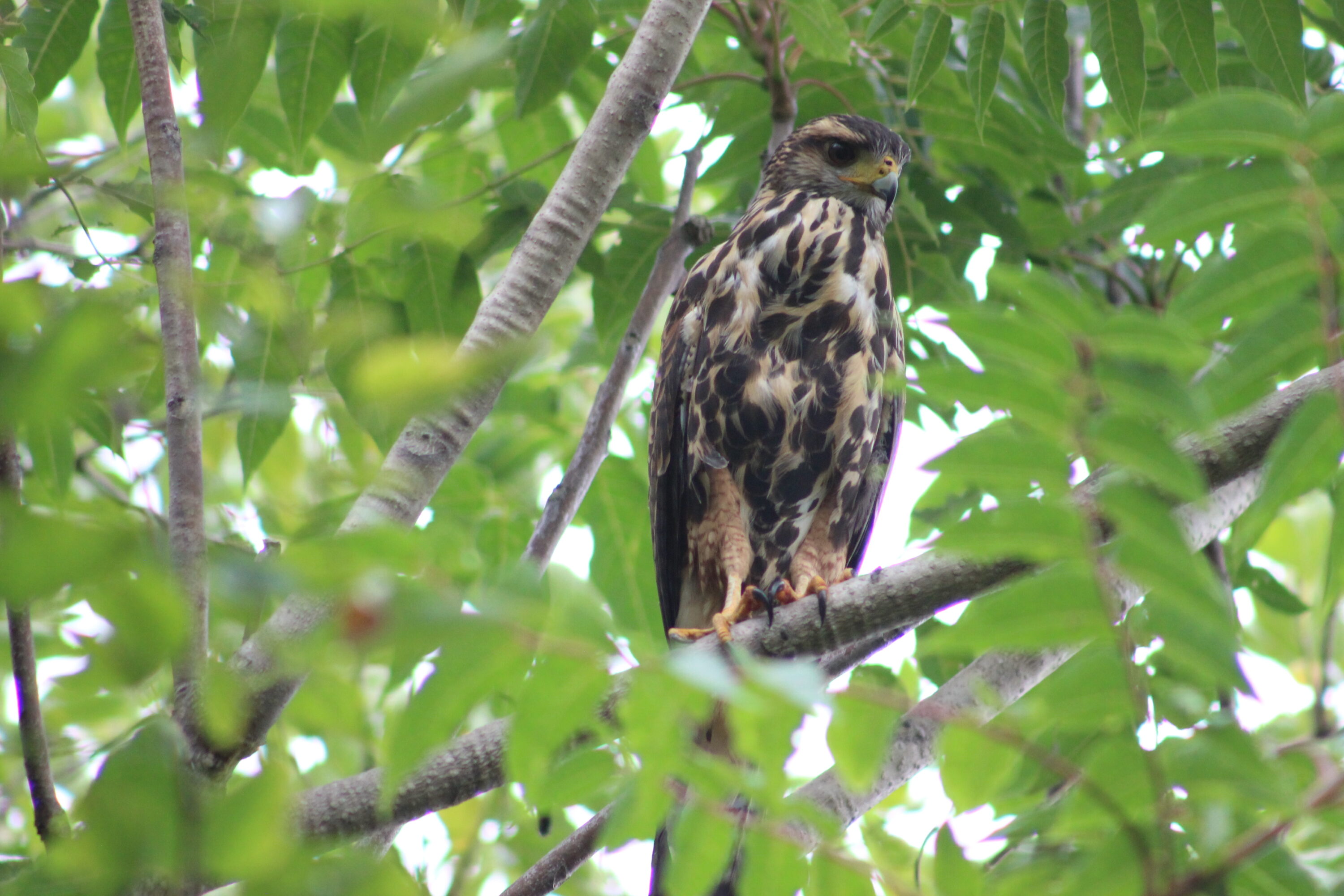
Juvenile Harris's Hawks Manipulated Pine Cones for About Five Minutes
Two juvenile Harris's hawks in Buenos Aires Province tore pine cones from trees, carried them to new perches…
Read story →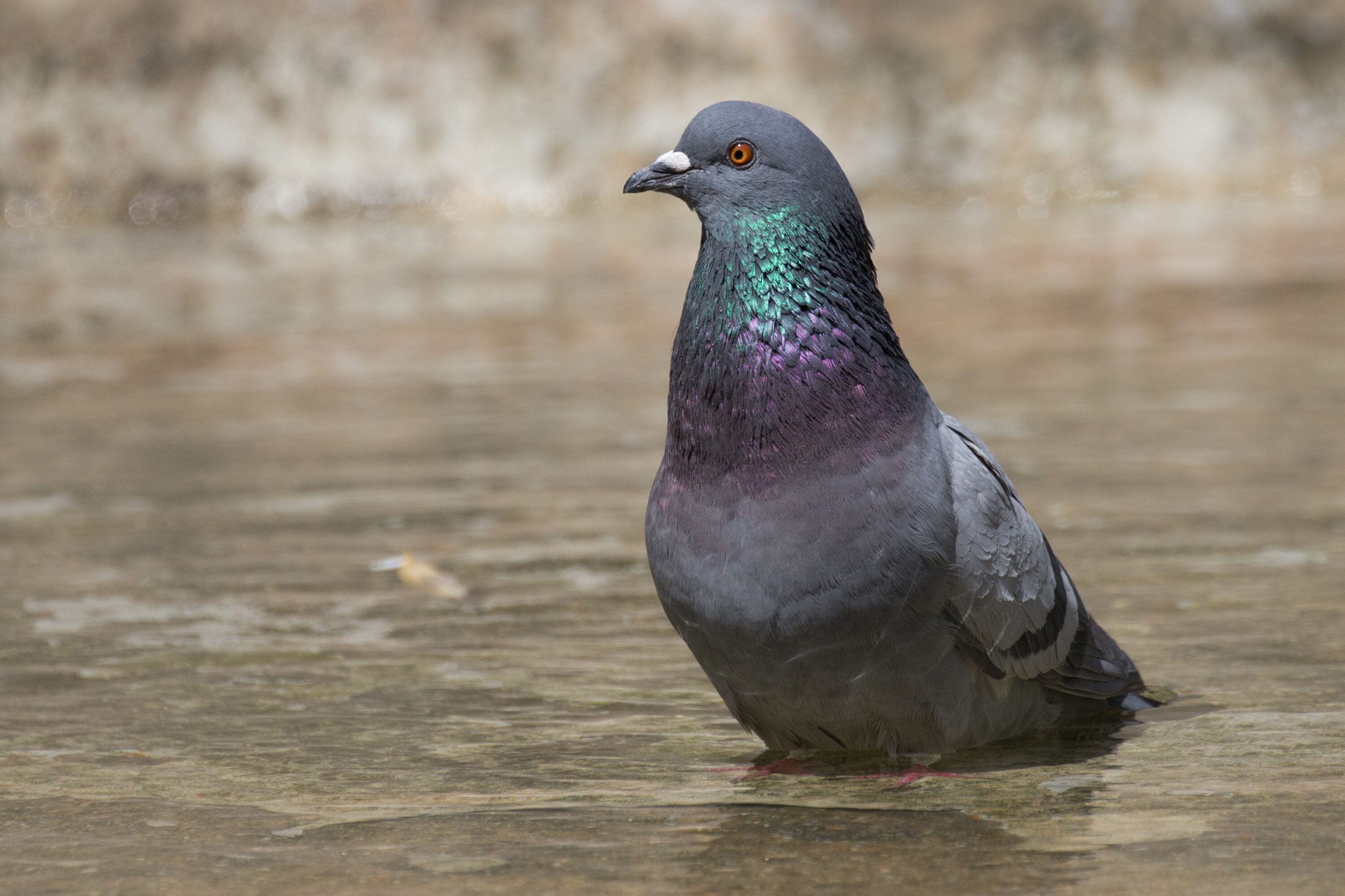
Rock Doves Preferred Predictive Information Despite a Lower Food Payoff
Seven rock doves preferred an informative option that paid on 20% of trials over a non-informative option that…
Read story →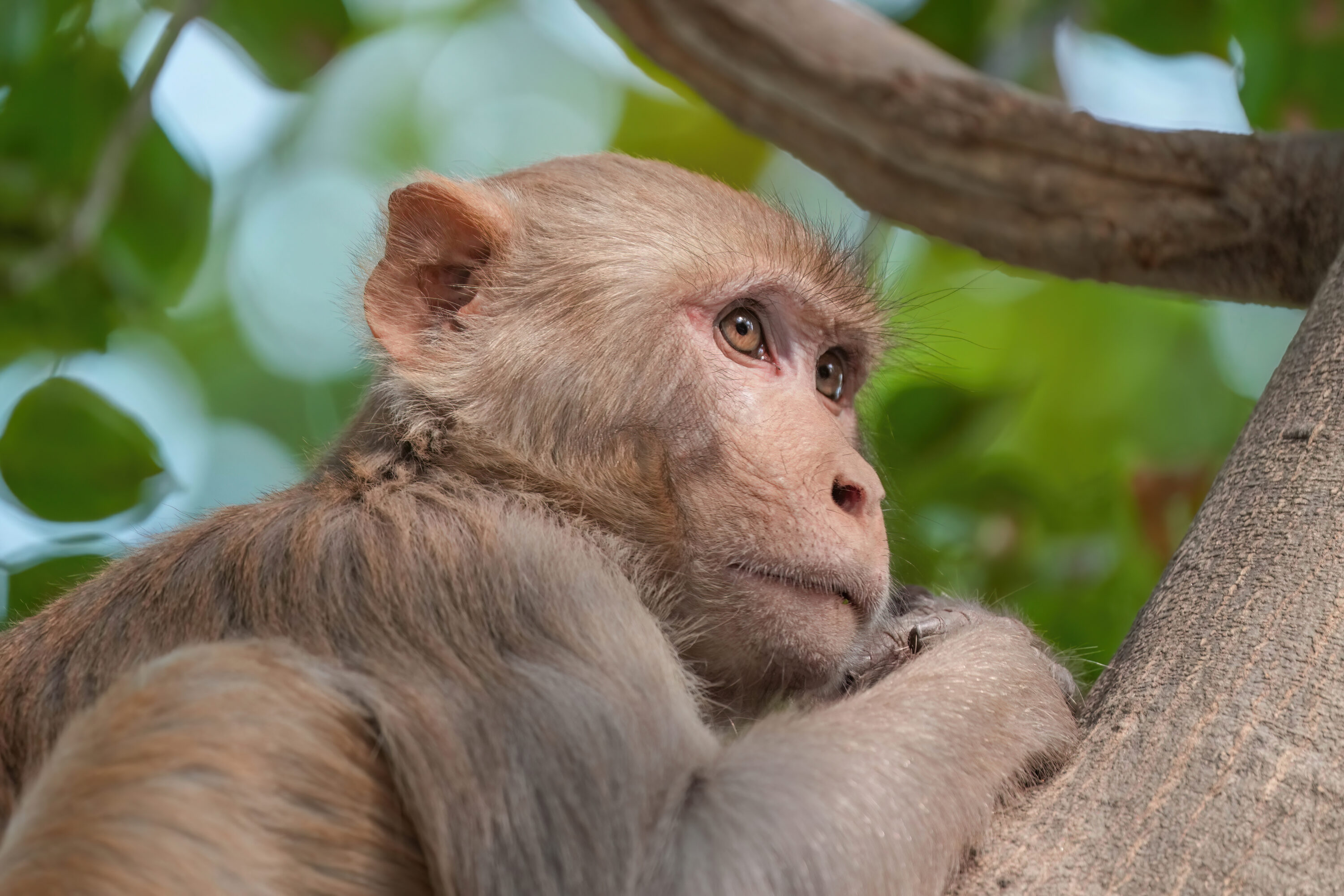
Task Uncertainty Increased Interference From Irrelevant Visual Information in Rhesus Macaque Decisions
Two rhesus macaques made less accurate visual decisions under task uncertainty; recordings and microstimulation in primary visual cortex…
Read story →SPECIES IN THIS STORY
Species in this story
Independent research and conservation news archive
Did you find this information useful?
Wildlife Vagabond is independently built and maintained. Voluntary support helps cover source verification, hosting and continued work on research and conservation news.
Support Wildlife VagabondThe news archive will remain freely available.