
Elephant numbers rose across Great Limpopo, but not in the same way everywhere
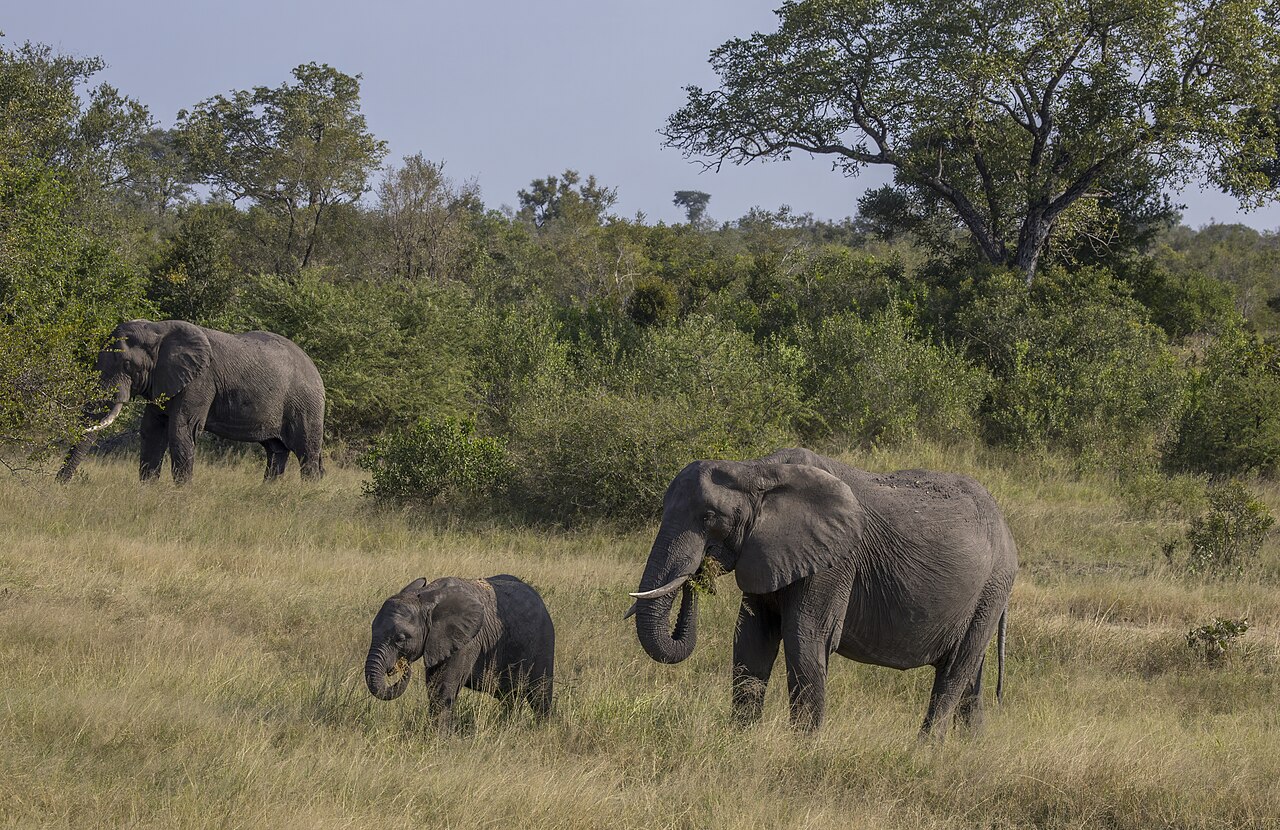
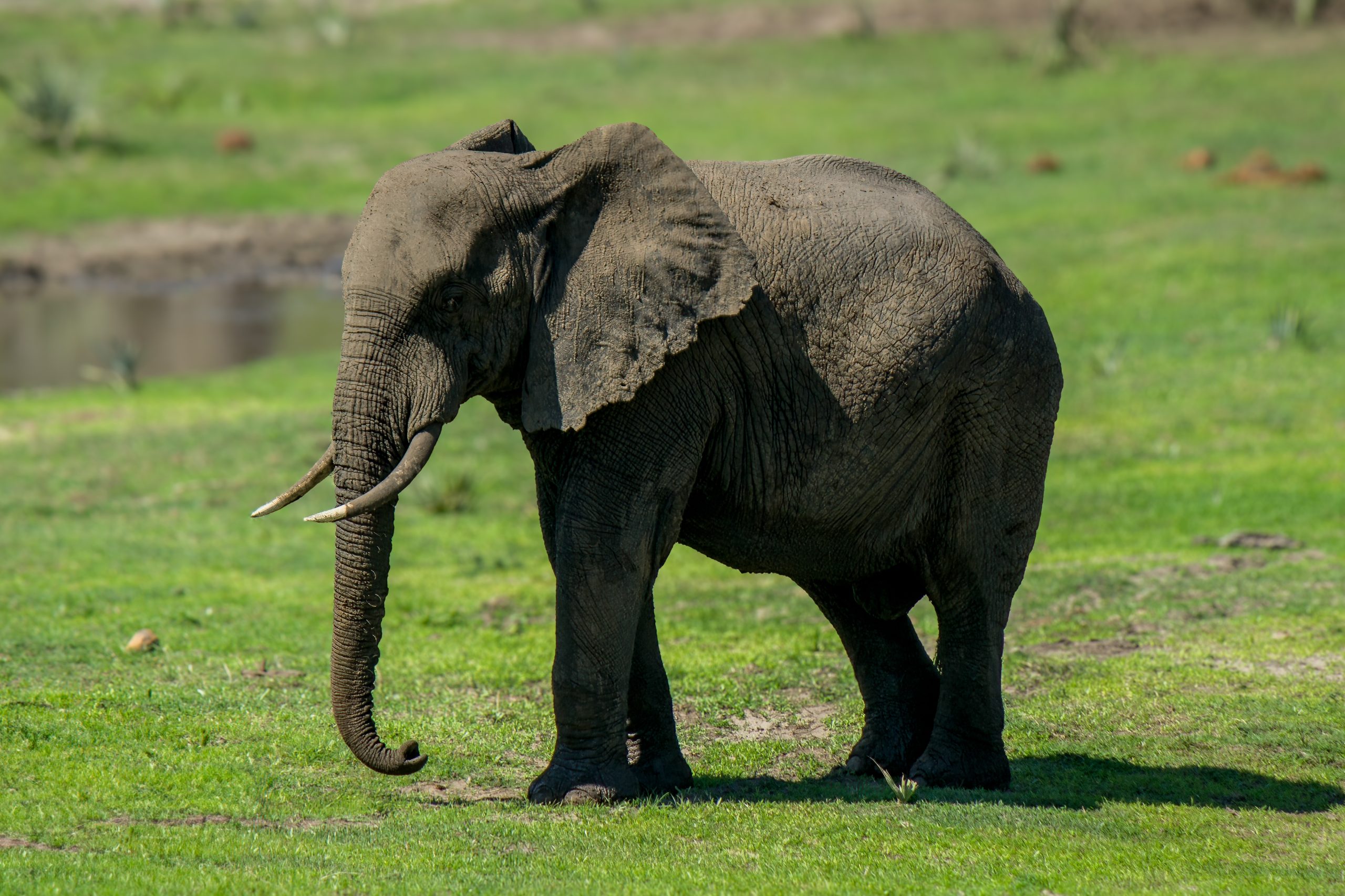
African Bush Elephant (Loxodonta africana) numbers increased overall across the Great Limpopo Transfrontier Conservation Area, but the pattern was far from uniform. The protected landscape spans Zimbabwe, Mozambique and South Africa. Researchers brought together elephant survey data from 1995 to 2024 for 21 spatial monitoring units to examine how numbers changed and whether population growth was linked to the number of elephants already present.
Twenty of the 21 units showed an increase over the study period. But the growth pattern that best fitted the data differed among areas, and two time series did not have enough data for the researchers to assess which growth model fitted best. That variation matters: a regional increase does not mean every part of this vast landscape changed in the same way.
Evidence for density dependence varied across the landscape
When elephant numbers are density-dependent, population growth is related to how many animals are already present. The analysis supported density dependence in five monitoring-unit time series, while nine were more consistent with density-independent growth. For six, the results did not clearly distinguish between the two; the test was unavailable for one. Two of the time series that supported density dependence came from populations subject to active management.
Researchers also estimated that the region held about 64,000 elephants in 2024. They estimated that roughly 7,200 to 8,600 were outside protected areas, using collar locations to extend the estimate beyond protected-area counts. That estimate did not distinguish bulls from cows.
The monitoring units are not closed populations: elephants can move into or out of an area, so a local change in numbers may reflect movement as well as births and deaths. The results therefore describe a mosaic of changing numbers and population regulation, rather than a single explanation for elephant trends across Great Limpopo.
Why a rising total does not tell the whole story
The researchers also compared models of how each population changed over time. An exponential pattern received the most support in eight monitoring units; models that allow growth to slow or change with population density described two and nine units respectively. For two units, there were too few observations to choose a growth model. These model comparisons answer a different question from the separate test of whether annual growth was associated with population size, which helps explain why the two sets of counts should not be confused.
For conservation planning, the important result is not simply that the estimated number of elephants has risen. Restored movement between areas may allow elephants to redistribute across borders, while access to resources and local risks can differ between neighbouring protected areas. Management therefore needs to consider the wider connected landscape as well as the conditions in individual monitoring units. The data do not establish one universal mechanism regulating elephant numbers everywhere in Great Limpopo.
Ecology
Related news
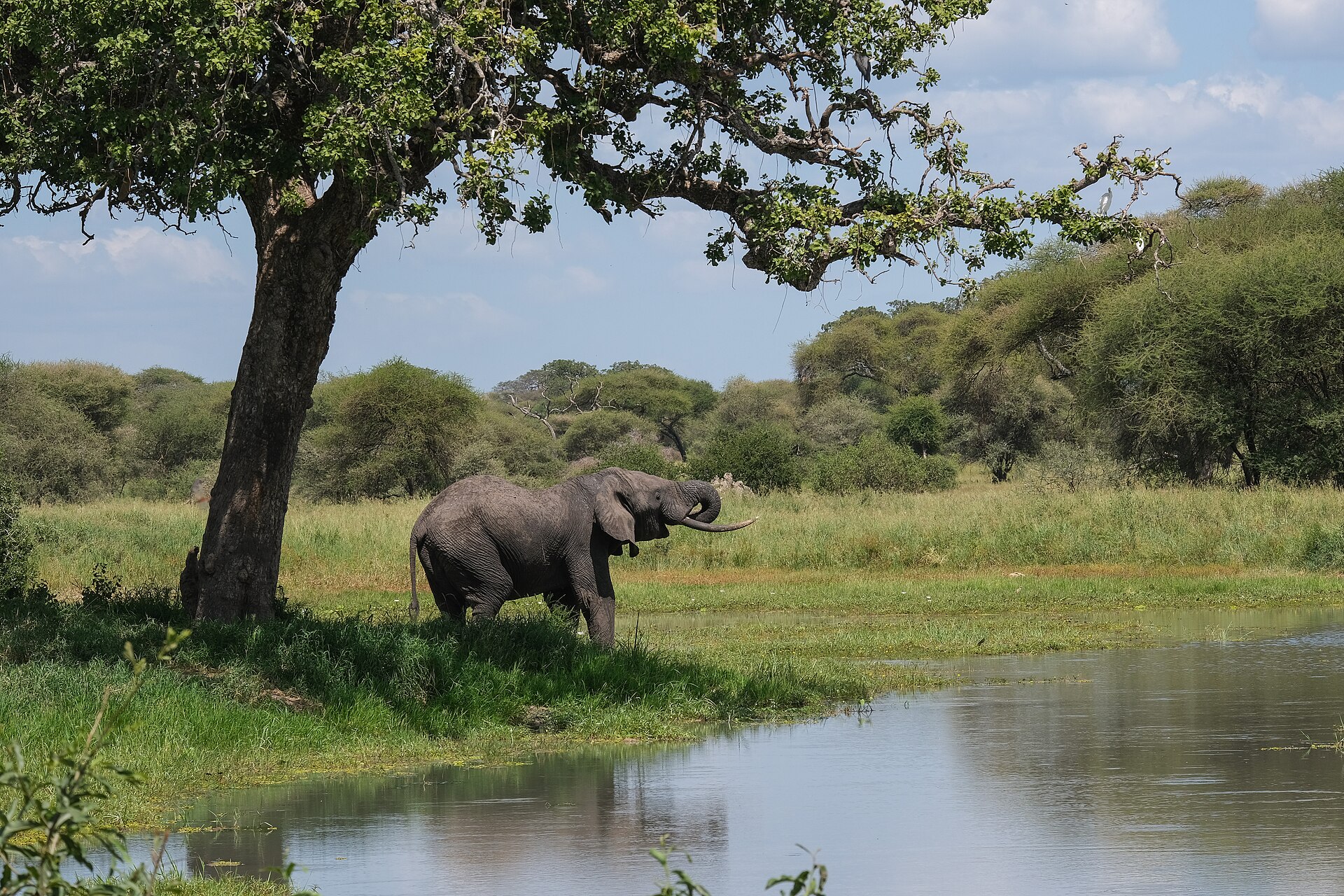
Most reported elephant attacks in Makame happened during night-time motorcycle journeys
Local accounts from four villages in Tanzania’s Tarangire ecosystem described four deaths and two severe injuries over five…
Read story →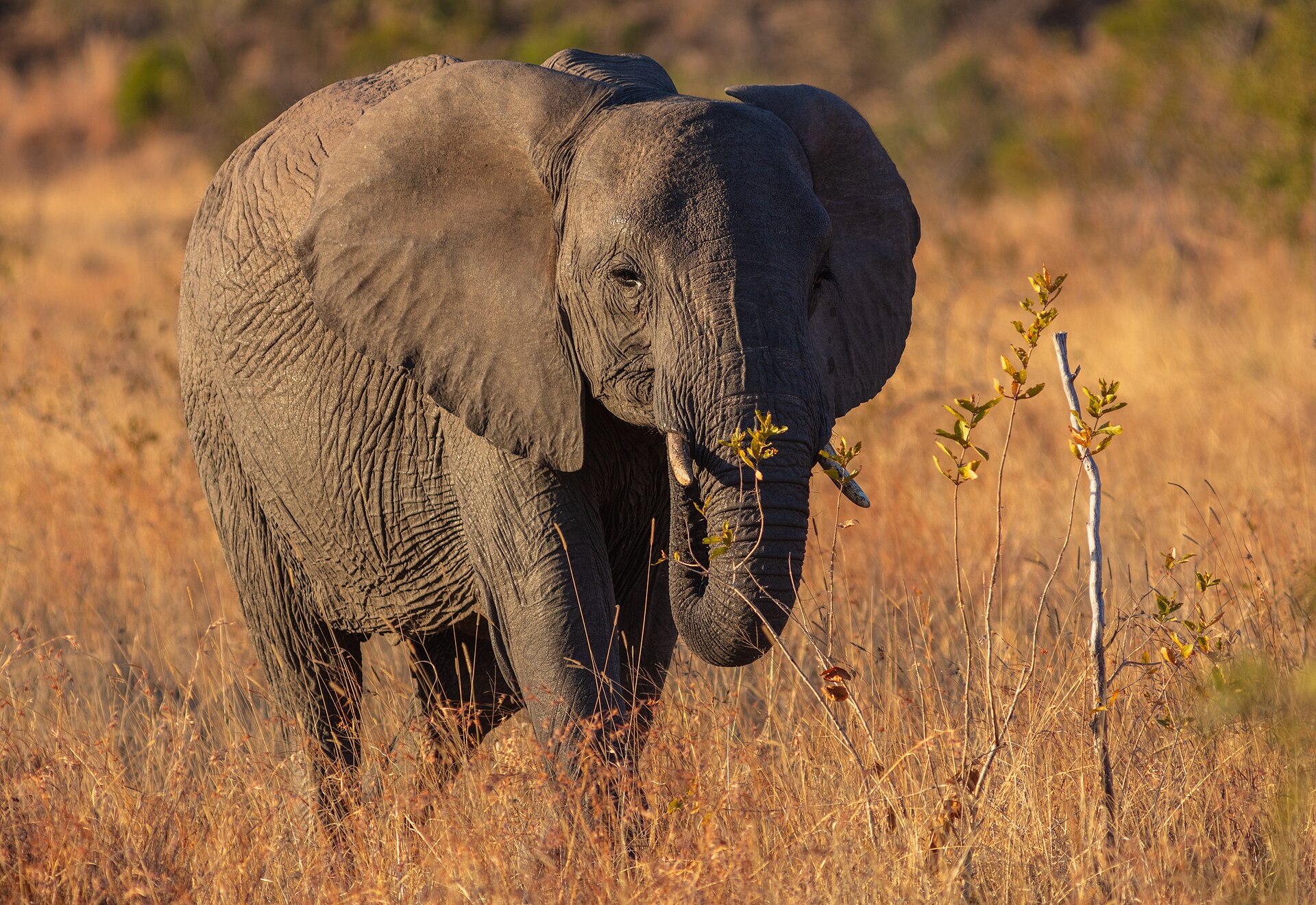
Five personality dimensions in wild male African elephants
In 55 wild male elephants in Amboseli, Kenya, social traits formed the strongest personality dimension. Older males tended…
Read story →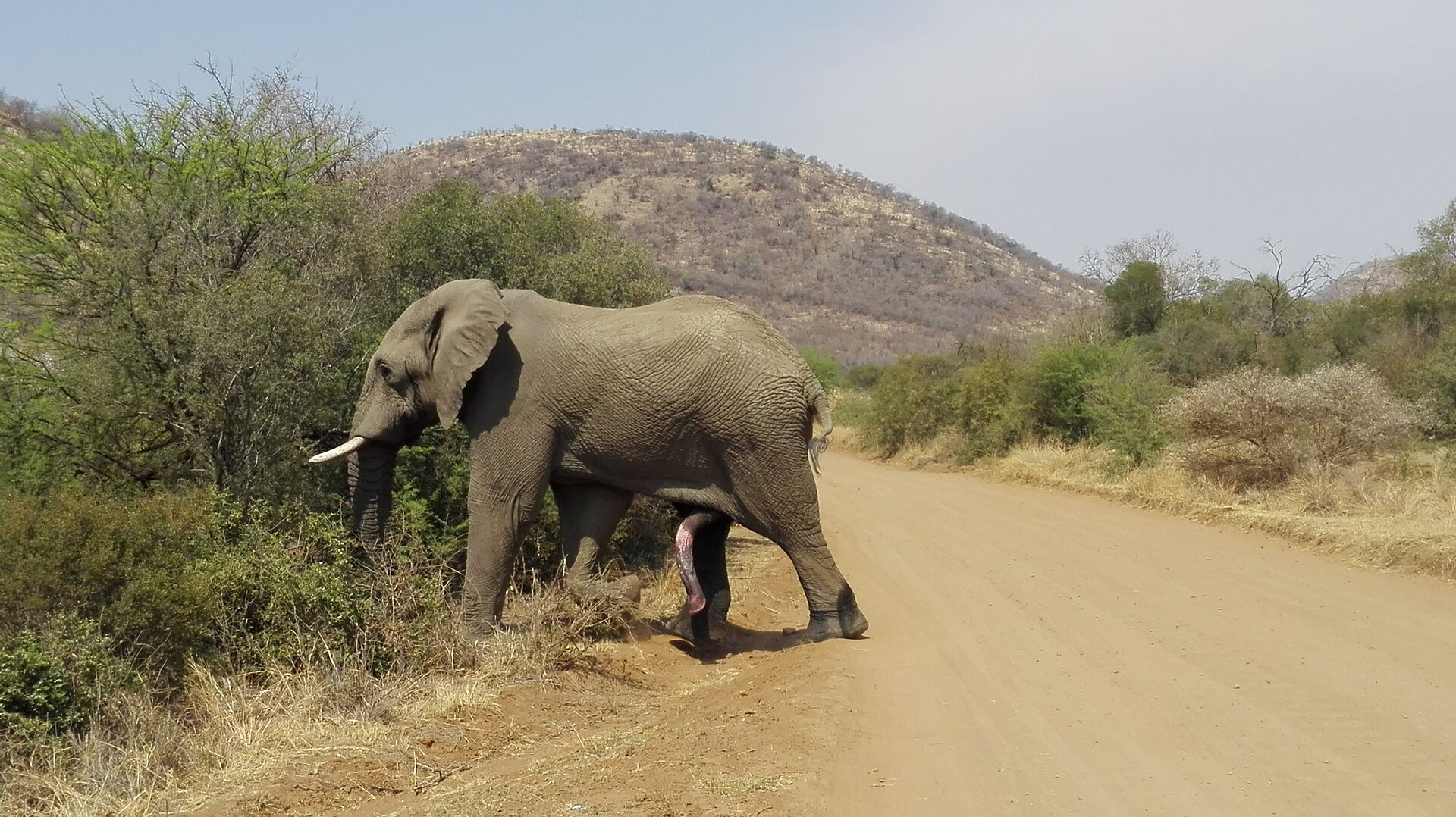
Fenced elephant populations grew fast as young-elephant survival fell
Counts from Pilanesberg and Madikwe in South Africa show average annual growth of 4.7% and 7.2%. At the…
Read story →SPECIES IN THIS STORY
Species in this story
Independent research and conservation news archive
Did you find this information useful?
Wildlife Vagabond is independently built and maintained. Voluntary support helps cover source verification, hosting and continued work on research and conservation news.
Support Wildlife VagabondThe news archive will remain freely available.