
Fenced elephant populations grew fast as young-elephant survival fell
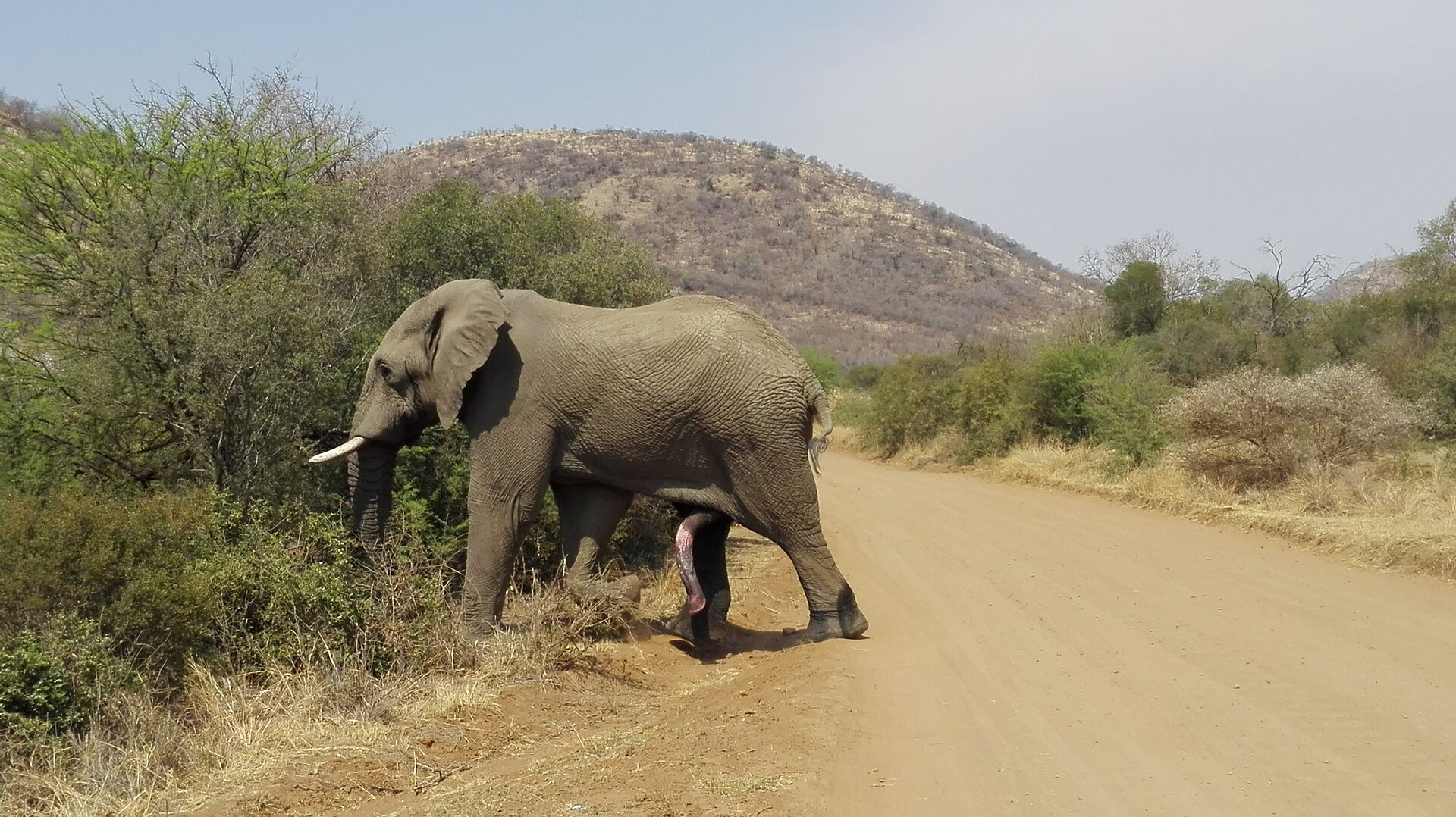
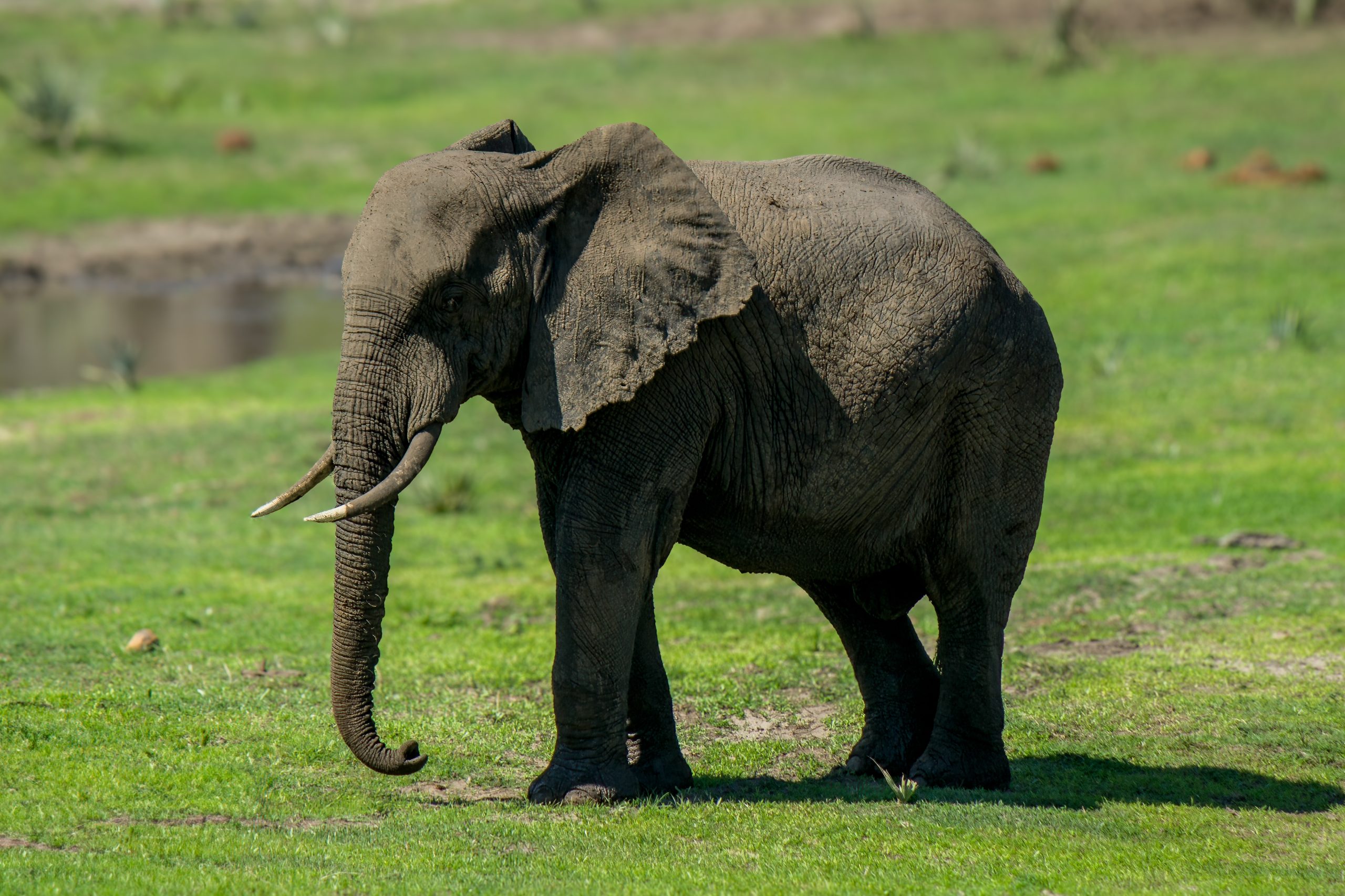
African savanna elephants (Loxodonta africana) in two fenced South African reserves grew rapidly for decades. Yet estimates of survival and reproduction also changed as the populations became denser. In Pilanesberg Nature Reserve, counts rose from 93 elephants in 1994 to 466 in 2023, an average annual increase of 4.7%. In Madikwe Nature Reserve, they rose from 250 in 1995 to 1,633 in 2024, averaging 7.2% growth per year.
Researchers compared nearly annual aerial counts with records of the elephants brought in to establish each population. They also photographed breeding herds in 2020 and 2024. The photographs helped estimate age structure, survival and reproduction; because surveys focused on family groups, adult bulls were less fully represented. Together, these records let the researchers examine how population growth related to age-specific survival and reproduction.
Different beginnings shaped population growth
The reserves began with very different age and sex structures. In Pilanesberg, 91% of the introduced elephants were immature. Madikwe started with 25 orphaned juveniles, then received whole family groups the following year; 53% of the resulting founding population was immature, and adult males made up only 2.6%.
These imbalances helped sustain rapid growth as the populations developed. The researchers describe this as transient dynamics: after a population begins with an unusual age structure, its growth can remain high while that structure gradually shifts. In these reserves, the effect lasted for roughly one elephant generation. Madikwe grew by an average of 10.9% per year during its first decade, then by 6.7% in each of the following two decades.
Changes among younger elephants mattered most
The researchers found demographic signs consistent with density dependence—the way survival and reproduction change as a population becomes more crowded. Between 2000 and 2024, estimated juvenile survival in Pilanesberg fell by 13.4%. In Madikwe, survival among weaned calves fell by 25.9%; the estimates also indicated later first calving and lower fertility.
The main demographic change differed between reserves. In Pilanesberg, lower juvenile survival contributed most to the modelled change in population growth. In Madikwe, the largest contribution came from lower survival among weaned calves, followed by changes in fertility as females began calving later. Adult survival had the strongest influence on modelled population growth overall, but its estimated change over this period was small.
Fences limit how elephants can respond
The direct relationship between population density and annual growth was hard to describe in Pilanesberg. Madikwe showed a clearer pattern consistent with growth slowing as numbers increased, but the model still left substantial uncertainty about the population’s fluctuations. The demographic changes therefore provide evidence of density-related responses, while the count-based growth pattern was not equally clear in both reserves.
Both populations also experienced drier-than-average conditions in recent years. The study links the importance of calf and juvenile survival in its modelled response to those recent dry conditions, but does not establish drought as the sole cause of the changes. Fences prevent elephants from dispersing into new areas and reaching a wider range of resources. The authors argue that, in such reserves, population management must take account of both changing survival and reproduction and the limited space available to the herds.
Ecology
Related news
Elephant numbers rose across Great Limpopo, but not in the same way everywhere
Data from 21 monitoring units across Zimbabwe, Mozambique and South Africa show an overall increase in African Bush…
Read story →
Most reported elephant attacks in Makame happened during night-time motorcycle journeys
Local accounts from four villages in Tanzania’s Tarangire ecosystem described four deaths and two severe injuries over five…
Read story →
Five personality dimensions in wild male African elephants
In 55 wild male elephants in Amboseli, Kenya, social traits formed the strongest personality dimension. Older males tended…
Read story →SPECIES IN THIS STORY
Species in this story
Independent research and conservation news archive
Did you find this information useful?
Wildlife Vagabond is independently built and maintained. Voluntary support helps cover source verification, hosting and continued work on research and conservation news.
Support Wildlife VagabondThe news archive will remain freely available.