
Five personality dimensions in wild male African elephants
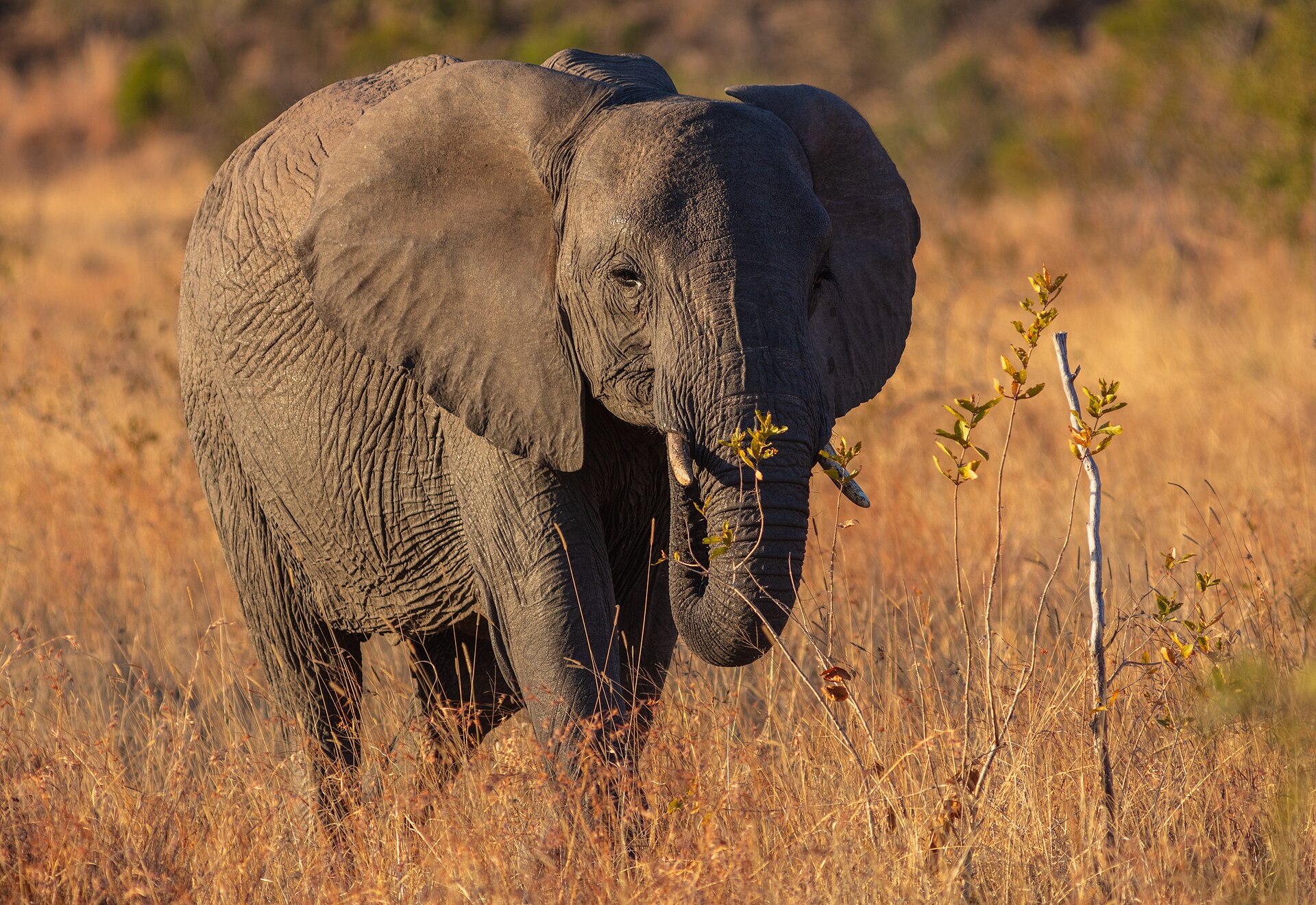
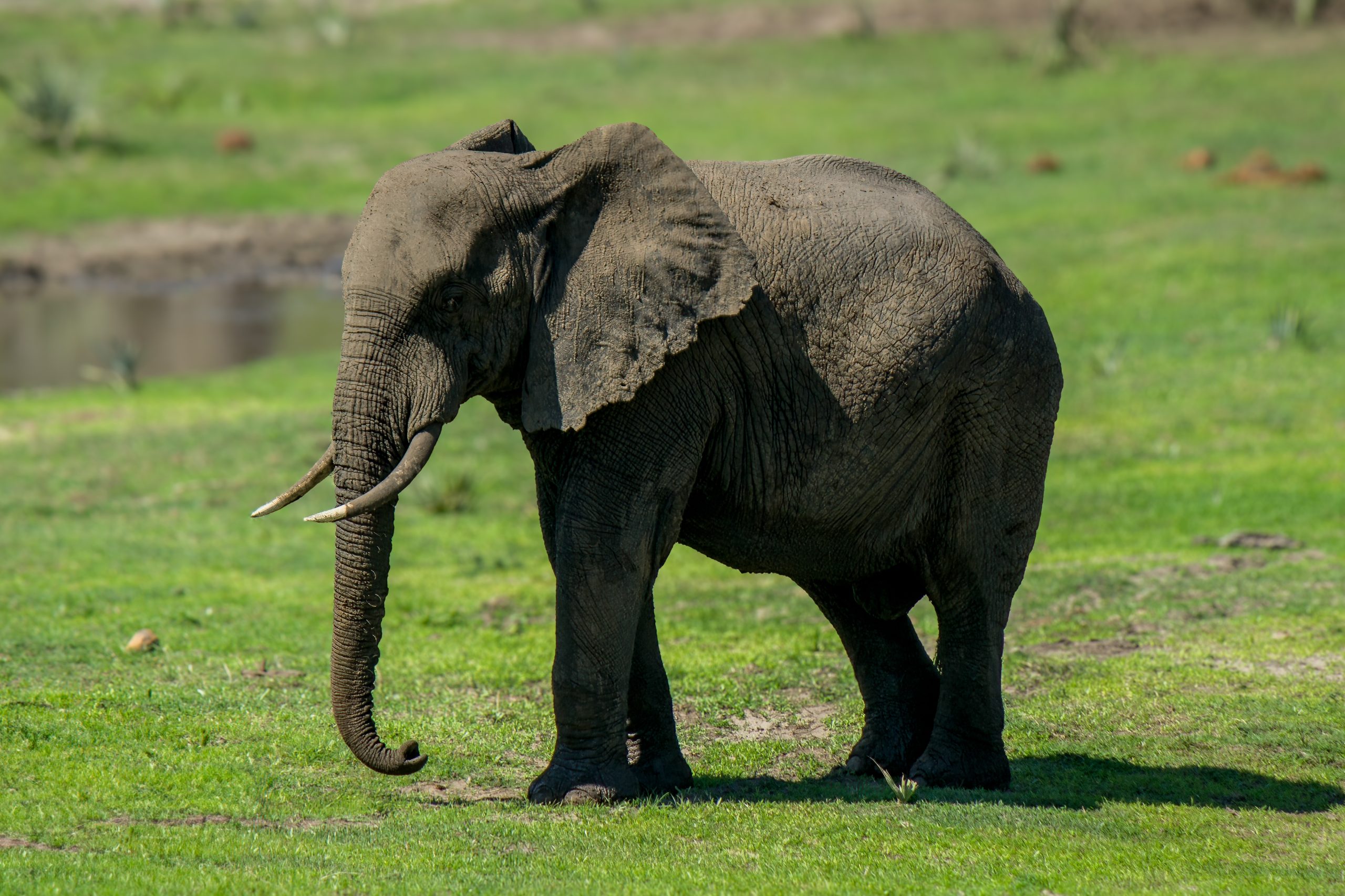
Male elephants leave their birth families as they approach adulthood, but that does not necessarily mean they lead solitary lives. In Amboseli, Kenya, independent males often associate with other males or unrelated family groups. The Amboseli Elephant Research Project has been studying African bush elephants (Loxodonta africana) there since 1972. In a new study, researchers asked whether long-term familiarity with individual males could reveal differences in their personalities.
Five experienced observers rated 55 males aged 11 to 55 that they had known as individuals for at least ten years. Traits were rated according to how often or strongly they were expressed. The researchers identified five personality dimensions, each a cluster of behavioural traits that tended to occur together. Collectively, these accounted for 71.5% of variation in the ratings.
Social differences stood out
The largest dimension accounted for about 30% of the variation. Males scoring highly were rated as sensitive, sociable with other males and popular with fellow elephants, and less inclined to be solitary. The researchers suggest that these traits may contribute to social cohesion and cooperation. The association with age was weak, with considerable individual variation among males of similar ages.
The second dimension (17%) combined apprehension, insecurity and fearfulness. Males with high scores tended to act cautiously both towards their surroundings and in encounters with other elephants. Older males generally scored lower. The authors suggest that increasing social experience, body size and position in the hierarchy may help explain this, although some older males were still cautious.
A third dimension (11.8%) combined irritability, aggression, tension and activity. The fourth (8.7%) described relaxed, gentle and predictable males, resembling a personality dimension also identified in female elephants. Neither dimension showed a clear relationship with age in this study. The authors suggest that predictable individuals may play important roles in maintaining cohesion within social groups.
Even older males play
The fifth dimension (4.3%) grouped playfulness and curiosity. Like apprehension, scores declined with age, although some of the oldest males remained playful. Play may help younger elephants develop social skills. The study illustrates just how different wild male elephants can be, even at similar stages of life. The authors note that these observer-derived personality profiles should also be tested against systematic behavioural observations.
The two age relationships are illustrated in Figure 1 (apprehension) and Figure 2 (playfulness) in the original study by Lee et al. (2026).
Behaviour
Related news
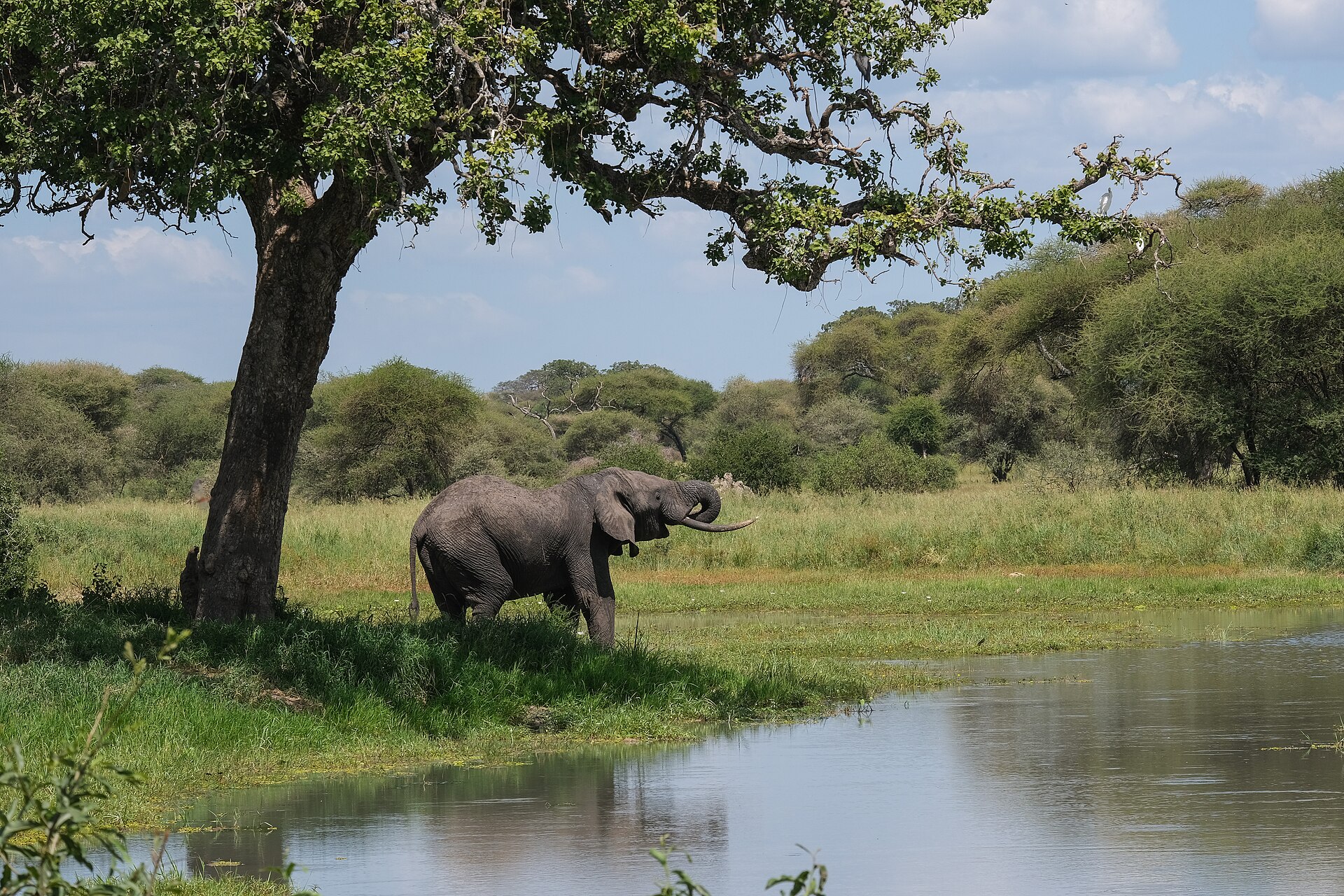
Most reported elephant attacks in Makame happened during night-time motorcycle journeys
Local accounts from four villages in Tanzania’s Tarangire ecosystem described four deaths and two severe injuries over five…
Read story →
Elephants Have Unusual Enzyme Genes for Processing Foreign Compounds
A comparison of African and Asian elephants found duplicated UGT2B enzyme variants and differences in SULT genes. Tissue…
Read story →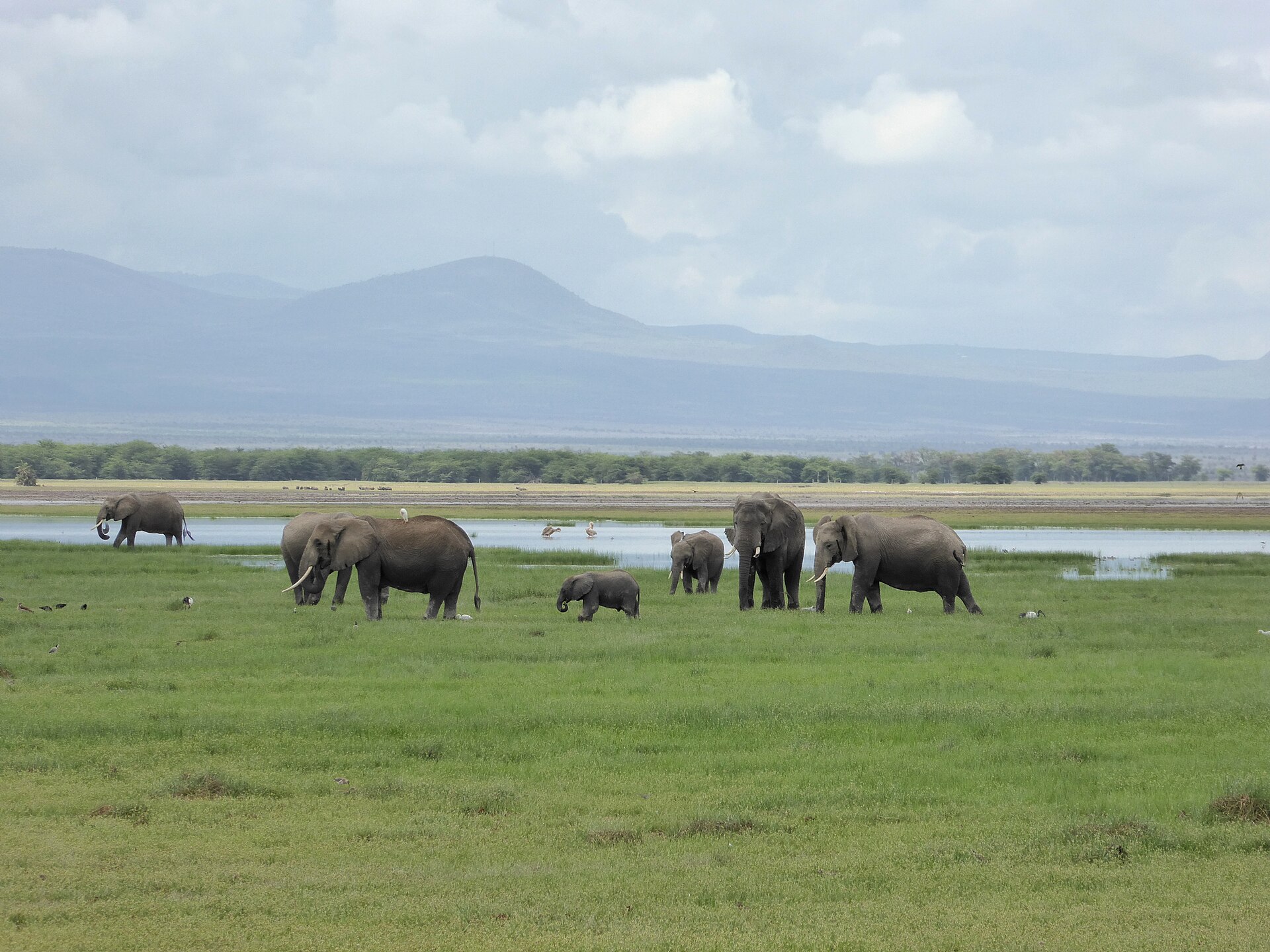
Kinship, drought and matriarchs shape elephant family ties
More than 50 years of records from Amboseli, Kenya, show how elephant family cohesion shifts as families grow,…
Read story →SPECIES IN THIS STORY
Species in this story
Independent research and conservation news archive
Did you find this information useful?
Wildlife Vagabond is independently built and maintained. Voluntary support helps cover source verification, hosting and continued work on research and conservation news.
Support Wildlife VagabondThe news archive will remain freely available.