
Most reported elephant attacks in Makame happened during night-time motorcycle journeys
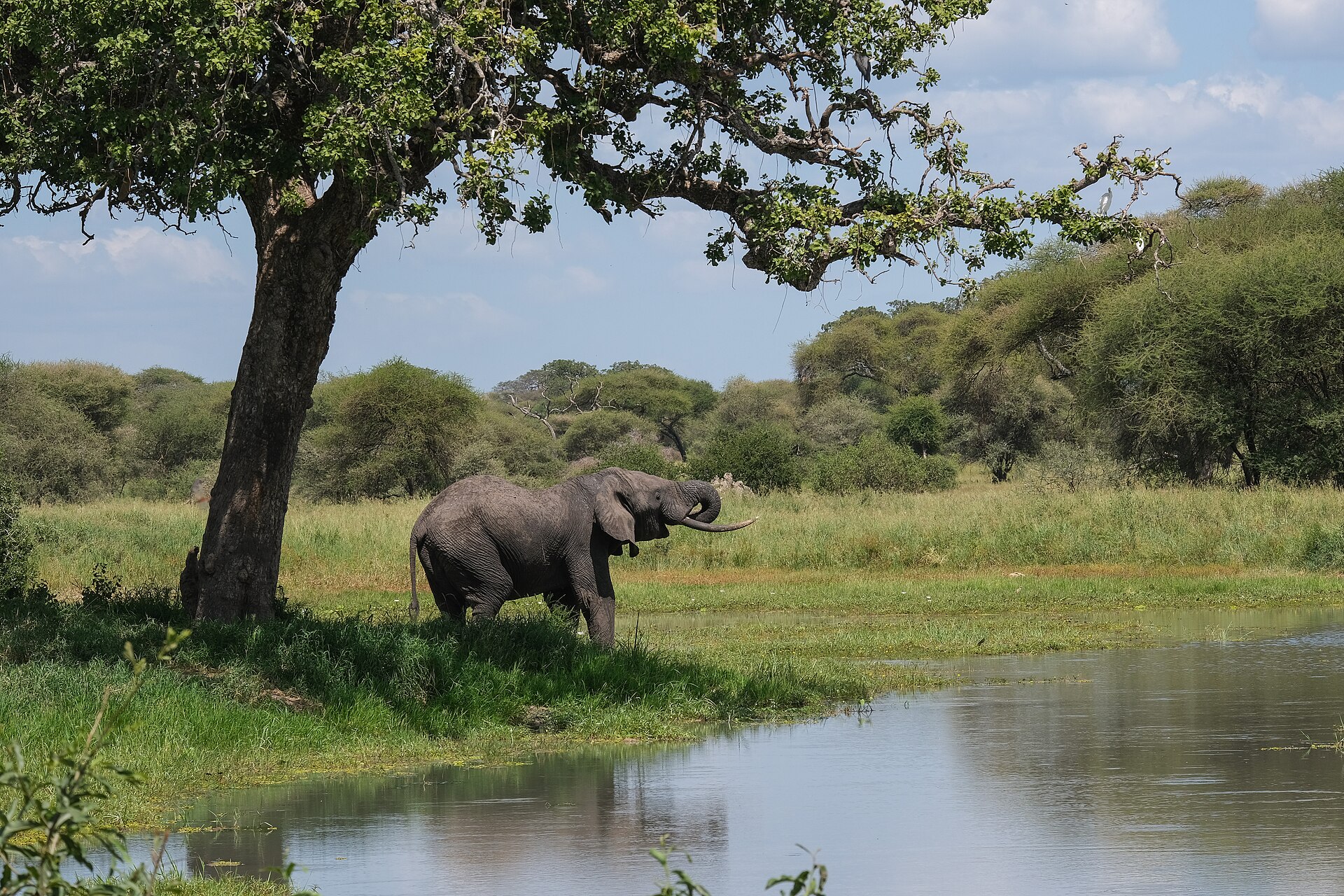
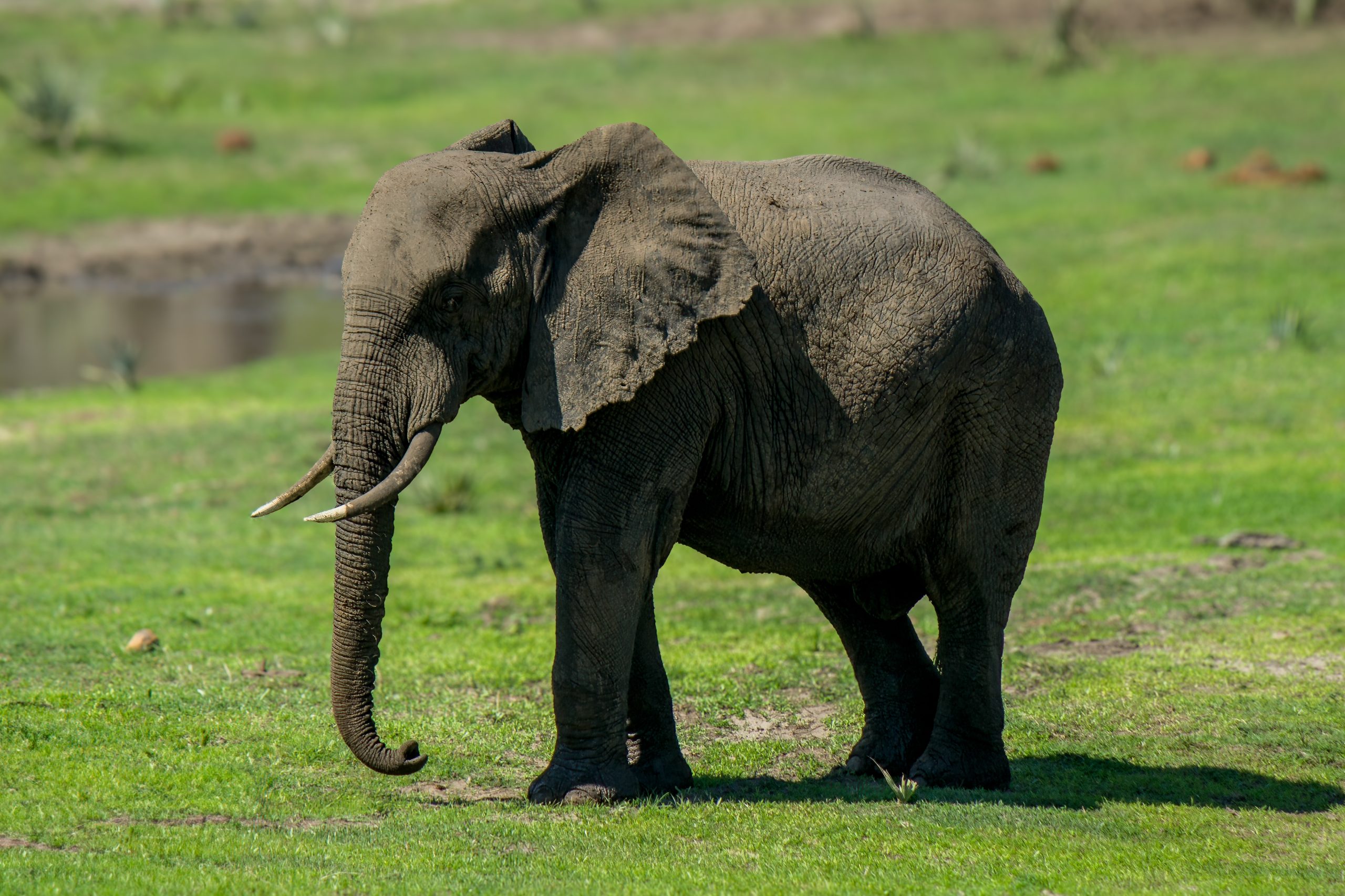
Elephant numbers in Tanzania’s Tarangire ecosystem have grown following conservation efforts, bringing human–elephant coexistence into sharper focus. In the community-managed Makame Wildlife Management Area, residents described a particular danger: attacks on people travelling between villages by motorcycle after dark. Over the previous five years, four people were killed by African bush elephants (Loxodonta africana) and two others were severely injured. Other, less severe attacks were also reported. Such encounters can put people at risk and erode support for living alongside wildlife.
The assessment drew on discussions with community representatives in four villages in April 2025, involving 28 people in total, and interviews with members of the area’s governance board. These accounts documented reported experiences and incidents; they were not a count of every attack across the area. All reported victims were men. Most severe attacks occurred in Makame village, while one fatal attack took place in Ngabolo. All reported fatal attacks happened at night, in both wet and dry seasons, but there were too few deaths to compare seasons meaningfully.
Night-time road journeys stood out
Most attacks were reported while people travelled on village roads by motorcycle, the main form of motorized transport in Makame. This pattern differs from that described in Randilen Wildlife Management Area elsewhere in the Tarangire ecosystem, where attacks have often occurred while people defend crops in their fields.
Participants said roadside vegetation can make it difficult to see approaching elephants, and that elephants seemed agitated by motorcycle noise. Night-time motorcycle travel has become common in Makame only in the past 15 years. The authors suggest this newer pattern may be changing how elephants respond to people, but the assessment did not test whether poor visibility or noise caused the attacks. Participants also said local residents often lacked knowledge about elephant behaviour and practical ways to reduce the risk.
Participants also described seven less-severe incidents in Irkiushiobor during 2022–2025 that had not been systematically recorded. These accounts point to gaps in local reporting as well as a need for information and practical support.
Local safety measures and follow-up
The authors recommend avoiding motorcycle travel between villages at night where possible and organizing local efforts to clear vegetation encroaching on roads while leaving free-standing trees. They also call for a nearby office to receive reports, faster responses to incidents, and higher consolation payments for households affected by deaths or permanent injuries. They recommend training and tools to help communities reduce conflict.
After the assessment, at the community’s request, the conservation organization Honeyguide provided human–elephant conflict-reduction toolkits containing chilli bombs and trained people to use them effectively and safely to deter elephants. The study’s locally gathered accounts thus informed immediate support as well as recommendations for improving safety and responses to future incidents.
Ecology
Related news
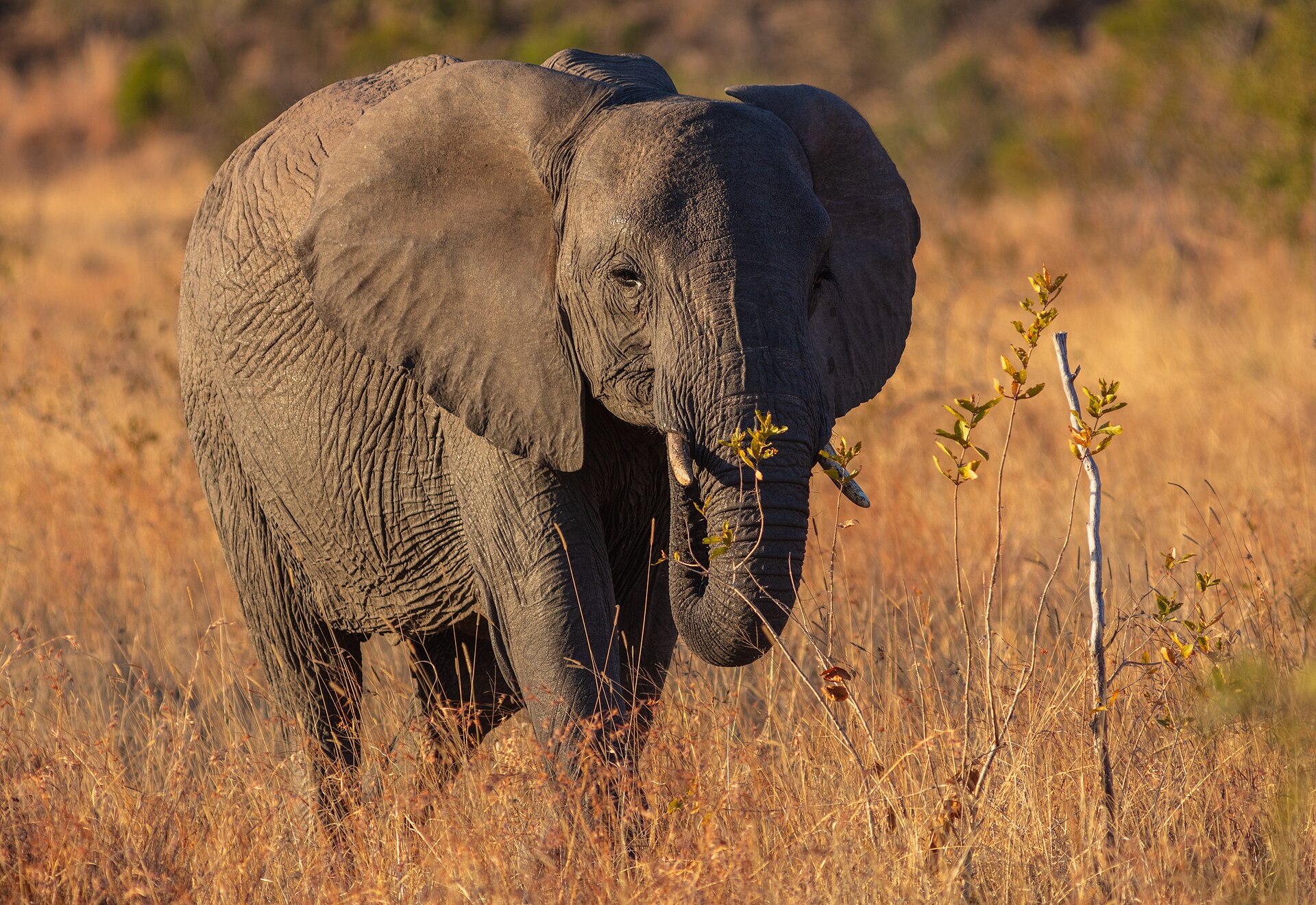
Five personality dimensions in wild male African elephants
In 55 wild male elephants in Amboseli, Kenya, social traits formed the strongest personality dimension. Older males tended…
Read story →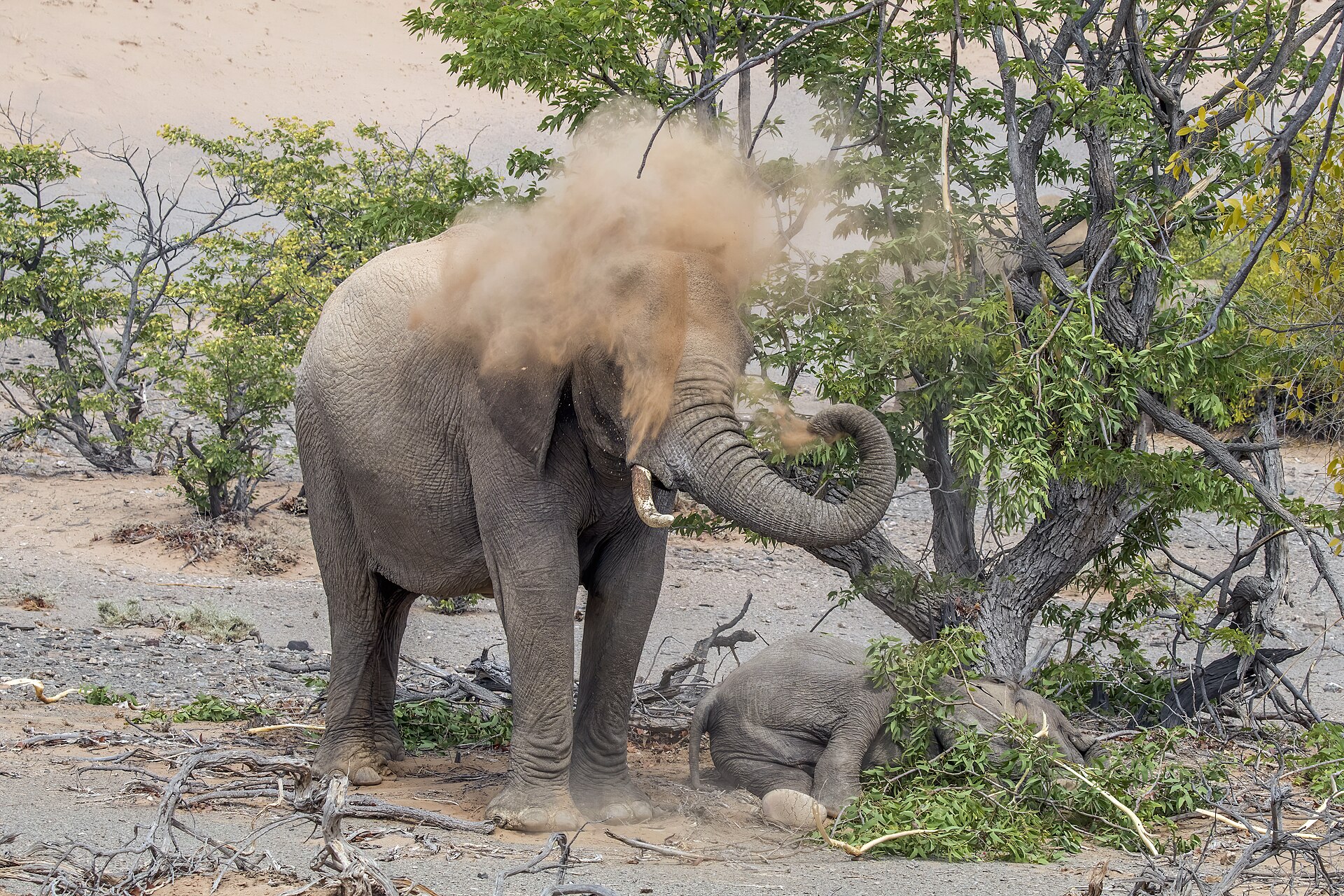
Elephants Have Unusual Enzyme Genes for Processing Foreign Compounds
A comparison of African and Asian elephants found duplicated UGT2B enzyme variants and differences in SULT genes. Tissue…
Read story →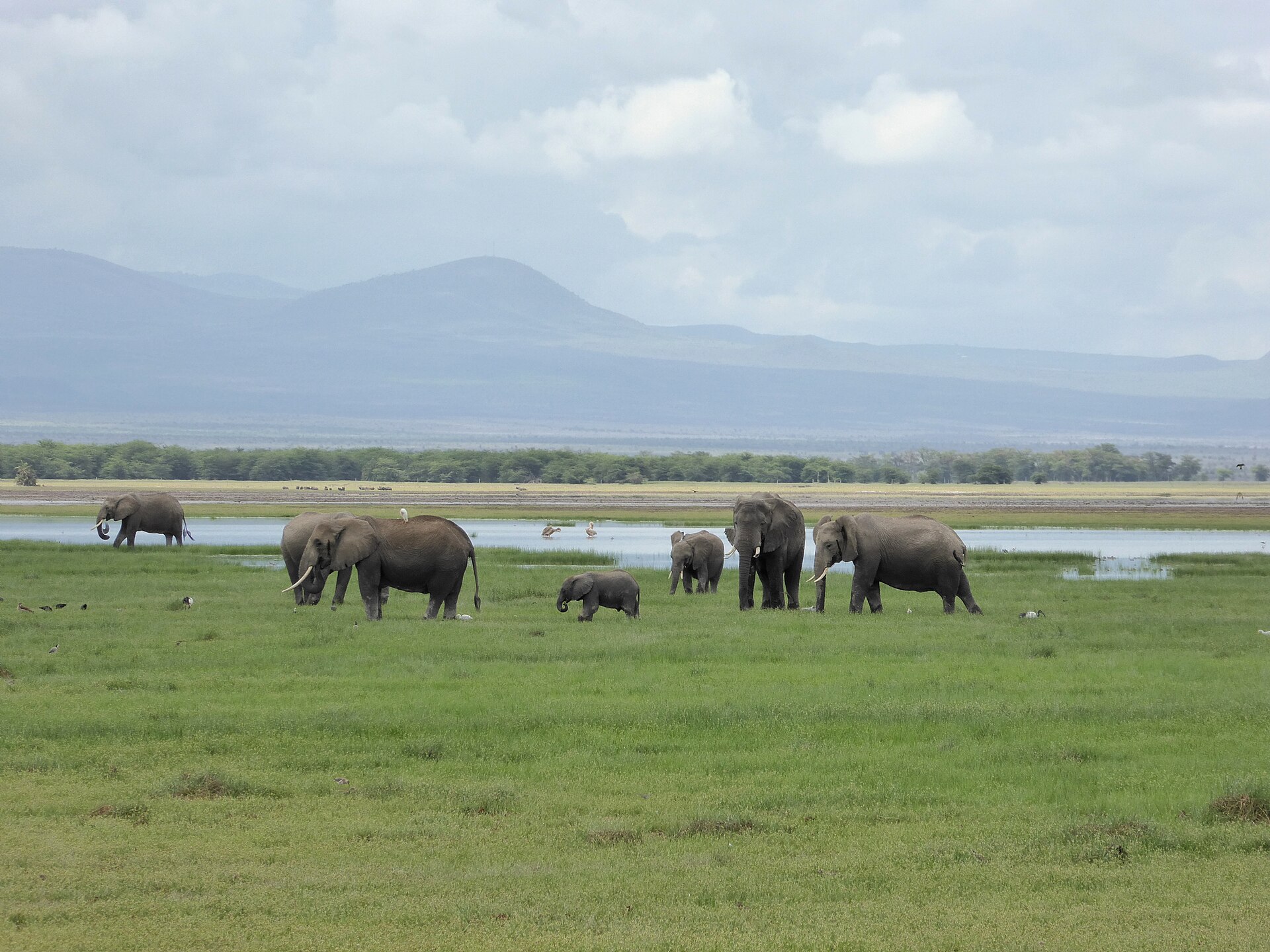
Kinship, drought and matriarchs shape elephant family ties
More than 50 years of records from Amboseli, Kenya, show how elephant family cohesion shifts as families grow,…
Read story →SPECIES IN THIS STORY
Species in this story
Independent research and conservation news archive
Did you find this information useful?
Wildlife Vagabond is independently built and maintained. Voluntary support helps cover source verification, hosting and continued work on research and conservation news.
Support Wildlife VagabondThe news archive will remain freely available.