
Elephants Have Unusual Enzyme Genes for Processing Foreign Compounds
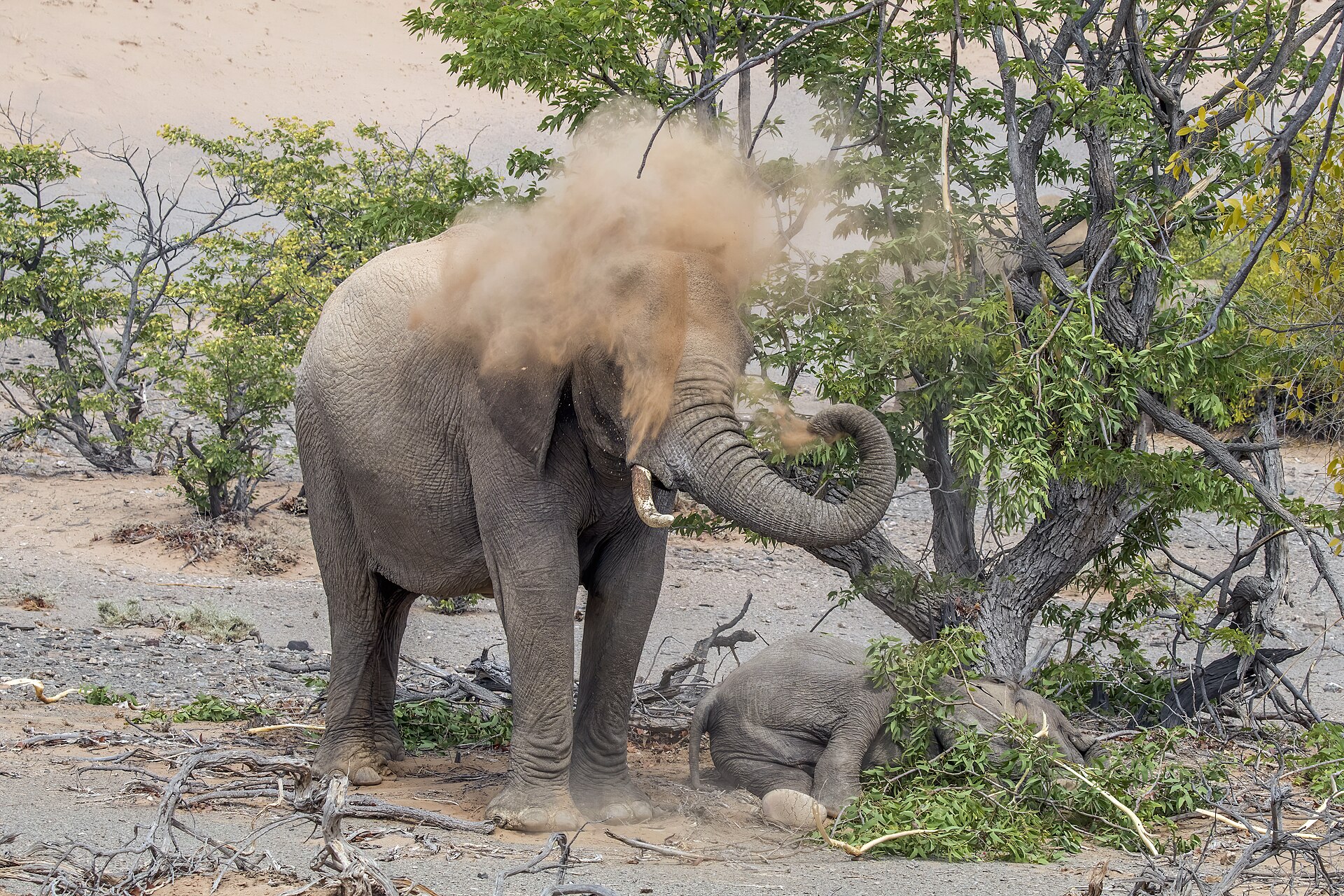
Elephants encounter plant compounds as well as pollutants and medicines, but the enzyme systems that process these substances are not fully understood. A comparative study examined genes for Phase I and Phase II enzymes in the African bush elephant (Loxodonta africana) and Asian elephant (Elephas maximus). Phase I enzymes modify compounds, while Phase II enzymes attach another molecule to them, a process called conjugation. These changes can affect how the body handles a compound.
The genomic comparison found extensive duplication of UGT2B isoforms—related forms of an enzyme—in both species. UGT2B enzymes conjugate plant secondary metabolites, chemical compounds produced by plants. The study also found that the gene SULT1B1 was absent in both species. The authors associate this enzyme with tyrosine and thyroid-hormone metabolism. SULT1D1, associated with dopamine metabolism, was absent in Asian elephants. UGT and SULT enzymes belong to Phase II; the CYP enzyme families belong to Phase I.
Which enzymes were expressed in Asian elephant tissues?
RNA sequencing of liver, kidney and small-intestine samples from two Asian elephants showed high expression of UGT2B in the liver. SULT1B and SULT1D expression was not detected in the sampled tissues. In the liver, the researchers detected expression from the CYP2A, CYP2C, CYP2D and CYP3A enzyme families, but not from CYP2E or CYP4A.
The researchers suggest that elephants’ distinctive metabolic profile could help explain their possible increased sensitivity to environmental pollutants and medicines. The study did not test the animals’ sensitivity to particular substances or directly measure enzyme activity, so whether these gene and expression patterns affect how elephants respond remains to be established.
Genetics & genomics
Related news
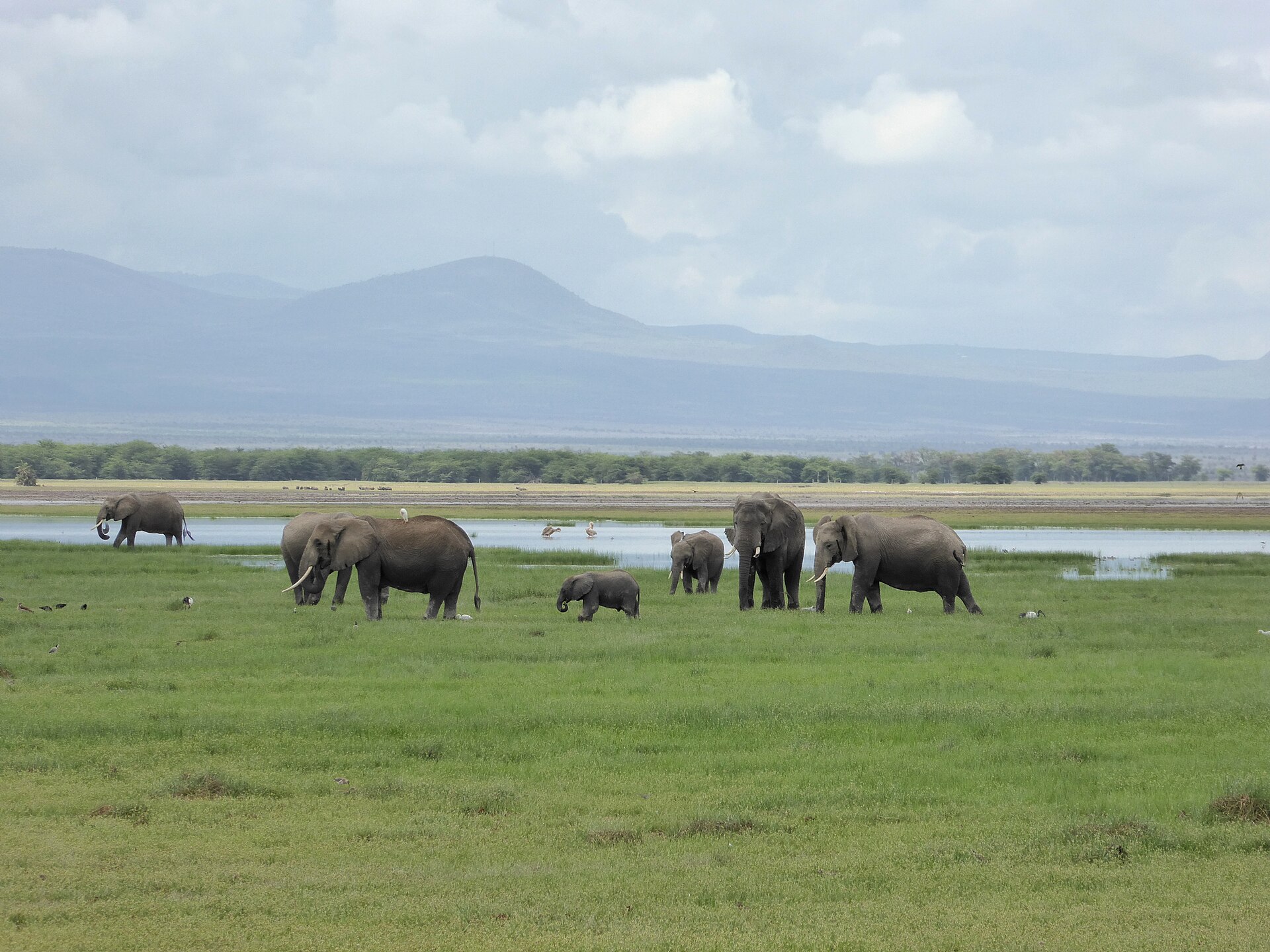
Kinship, drought and matriarchs shape elephant family ties
More than 50 years of records from Amboseli, Kenya, show how elephant family cohesion shifts as families grow,…
Read story →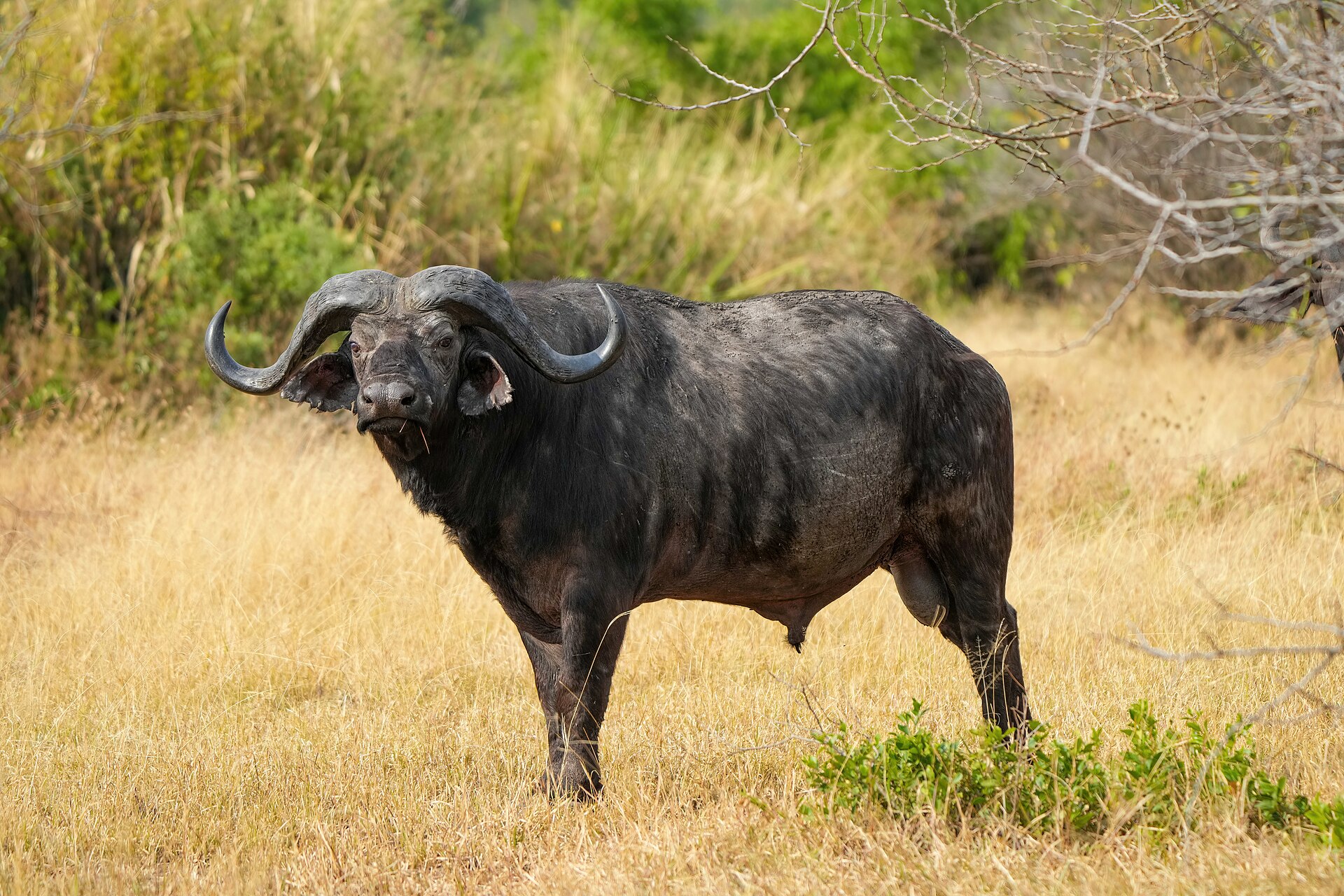
Elephants and buffalo showed the clearest signs of range expansion after translocation in Malawi
A six-year camera-trap study in Nkhotakota Wildlife Reserve found the clearest signs of establishment and expansion in African…
Read story →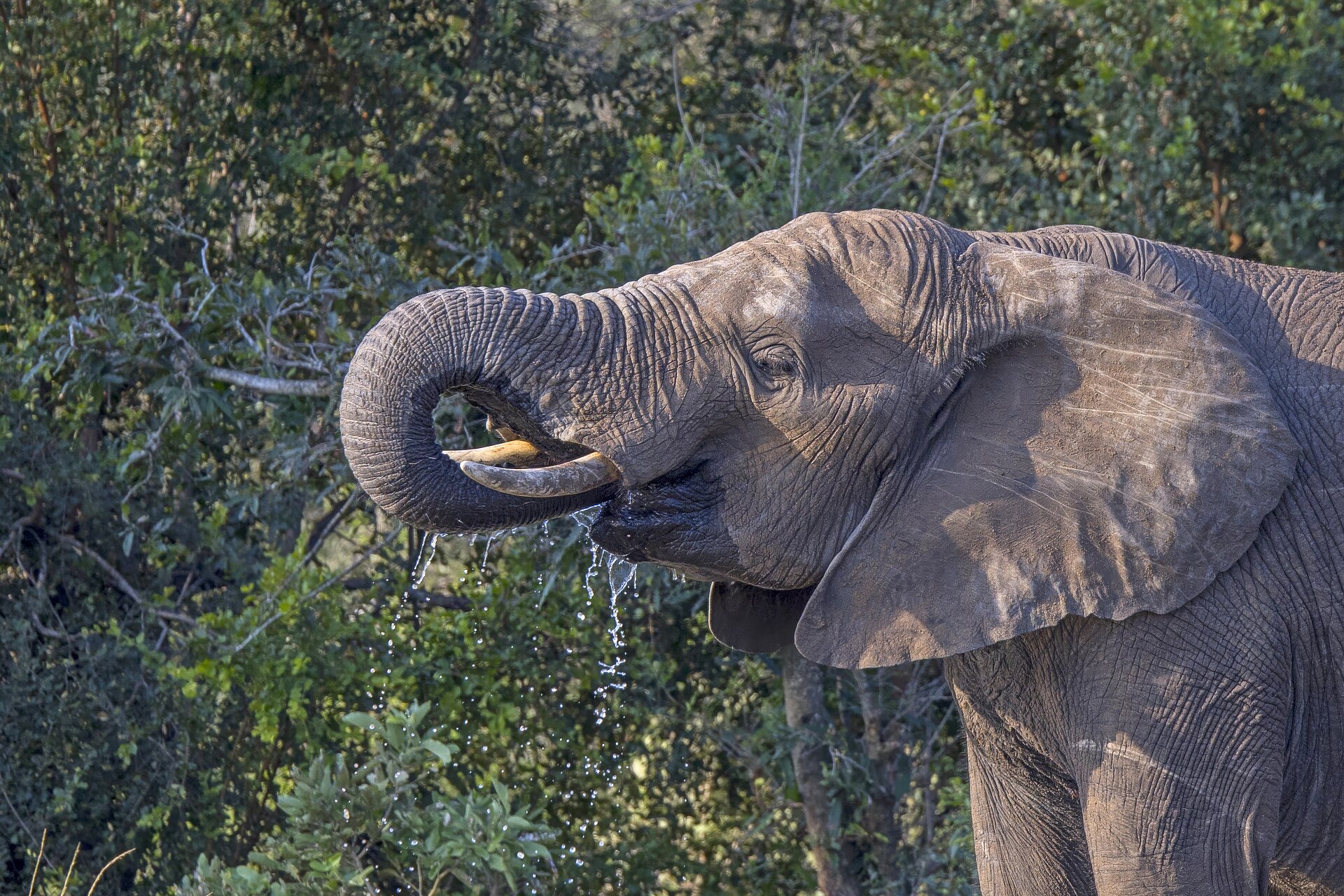
Vibrational signatures in ivory do not reliably distinguish elephant species
A study of ten ivory pieces from a Qing-dynasty screen in Beijing found that proposed infrared and Raman…
Read story →SPECIES IN THIS STORY
Species in this story
Independent research and conservation news archive
Did you find this information useful?
Wildlife Vagabond is independently built and maintained. Voluntary support helps cover source verification, hosting and continued work on research and conservation news.
Support Wildlife VagabondThe news archive will remain freely available.