
Kinship, drought and matriarchs shape elephant family ties
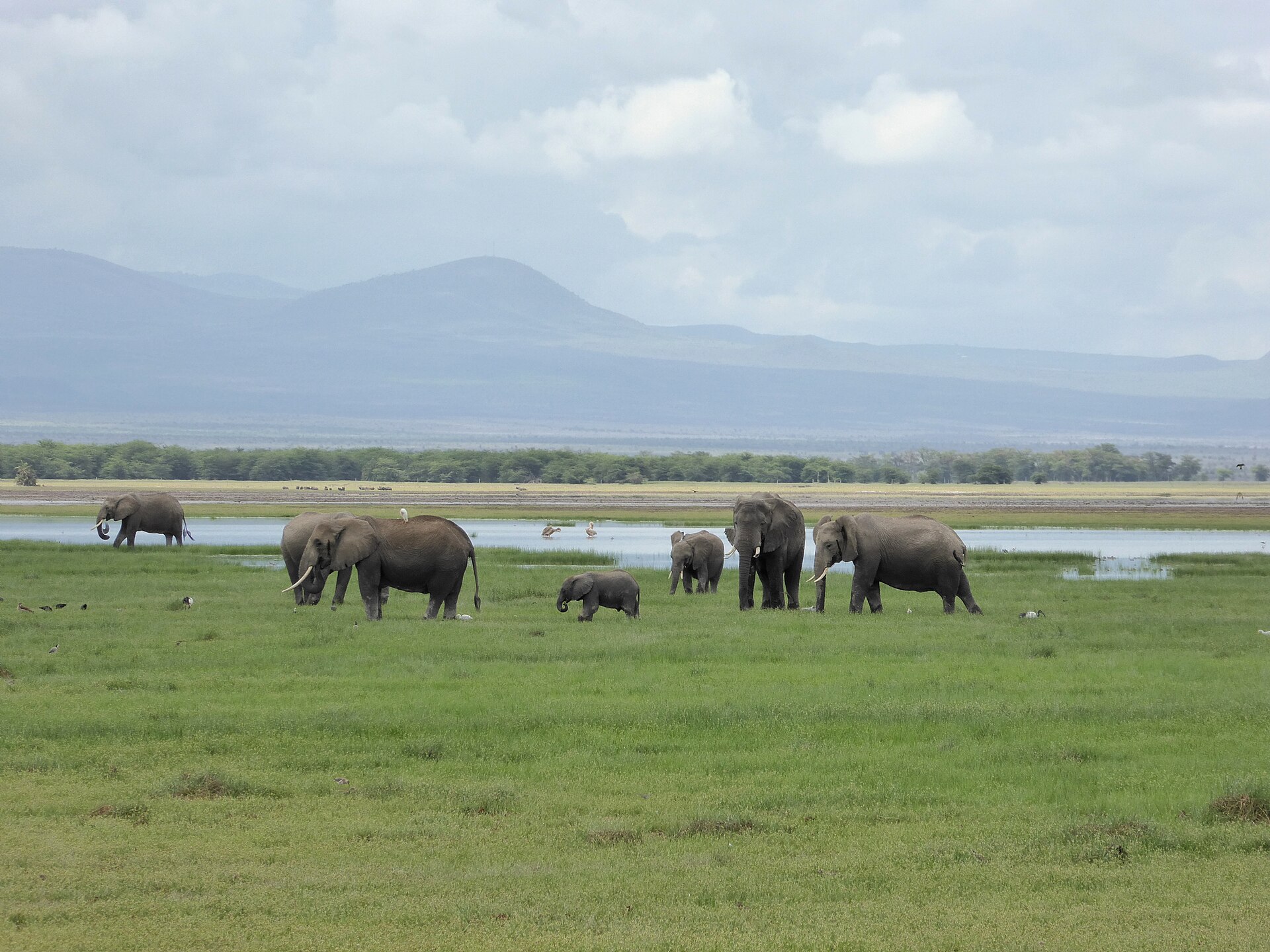
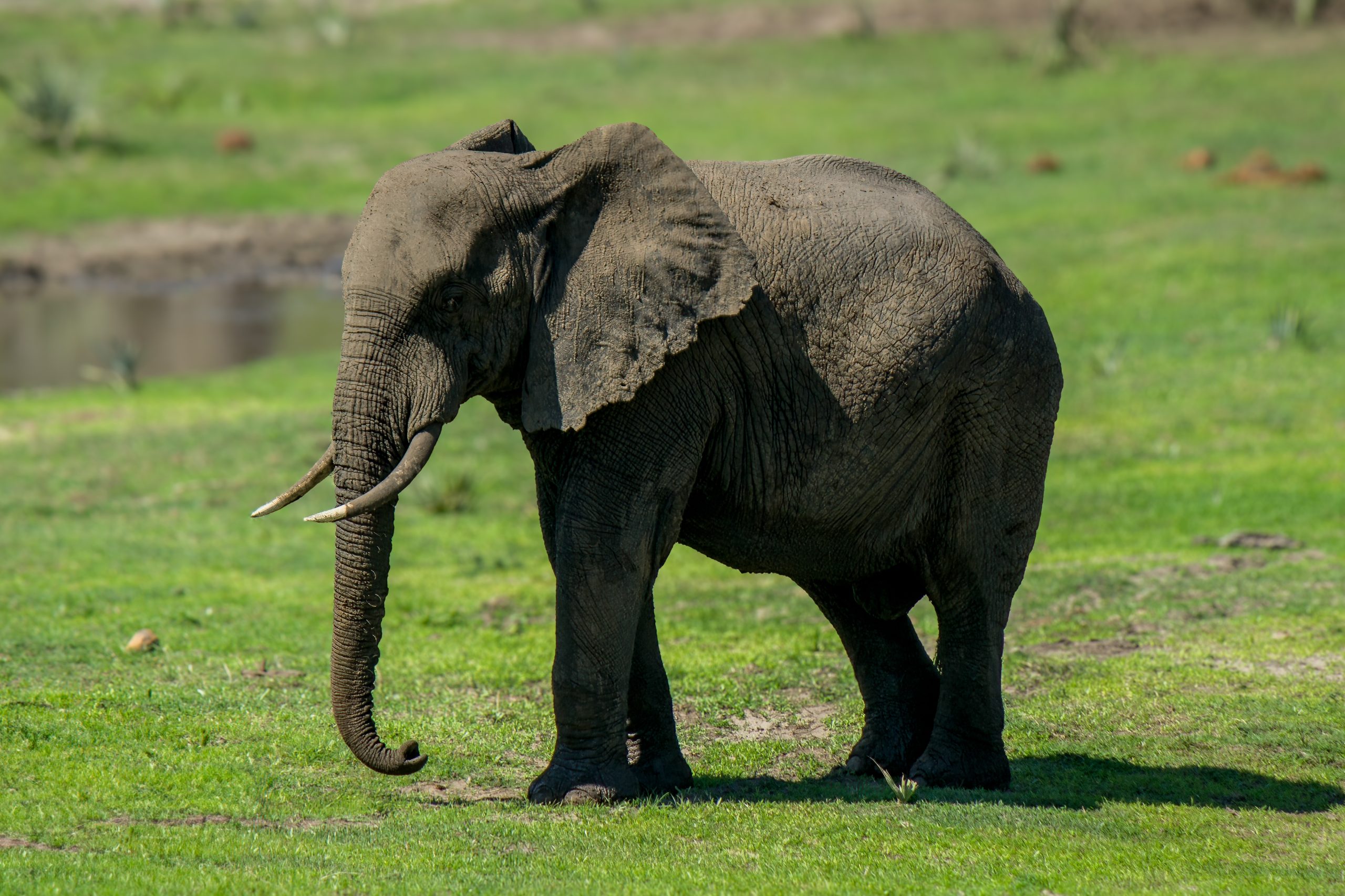
Elephants live in a multilevel society: enduring family units form the core, while members can vary which other elephants they associate with. A study of free-ranging African bush elephants (Loxodonta africana) in Amboseli, Kenya, examined how kinship, family growth and environmental conditions shaped these relationships over more than 50 years. Some families first identified in the 1970s were still present in 2026.
Using observed family histories, the researchers estimated how closely related adult females were through their maternal lines. Within family units that remained together, average relatedness was 0.146—about the level of relatedness between an aunt and her niece.
As families grew through successful reproduction, average relatedness fell. Females also made more individual choices about which elephants to associate with, reducing cohesion among females in the same family. The findings suggest that family ties can endure even as patterns of association change.
Family life shifts with drought and matriarchs
Droughts were associated with lower sociability in elephant families. Matriarchs—the oldest females and social centres of their families—were a median of 39 years old when they began leading and did so for almost 20 years. Their age, leadership tenure and personality influenced family stability. A matriarch’s death tended to reduce cohesion in the short term, but did not consistently lead to family breakdown.
Over the longer term, the researchers found no single family size that appeared optimal. Together, the findings show how elephant societies can retain enduring kinship bonds while allowing social associations to shift with changing family size and conditions.
Behaviour
Related news
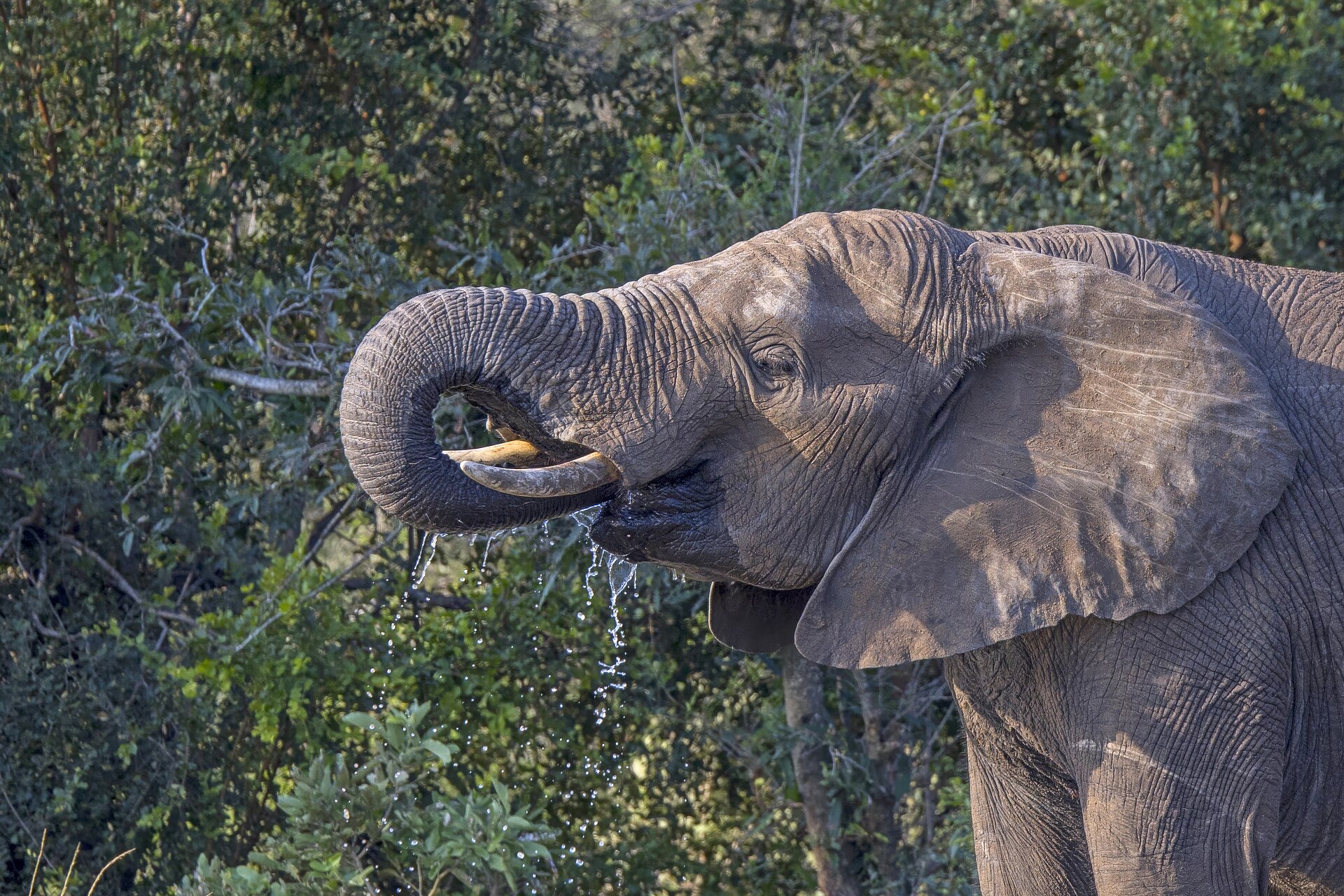
Vibrational signatures in ivory do not reliably distinguish elephant species
A study of ten ivory pieces from a Qing-dynasty screen in Beijing found that proposed infrared and Raman…
Read story →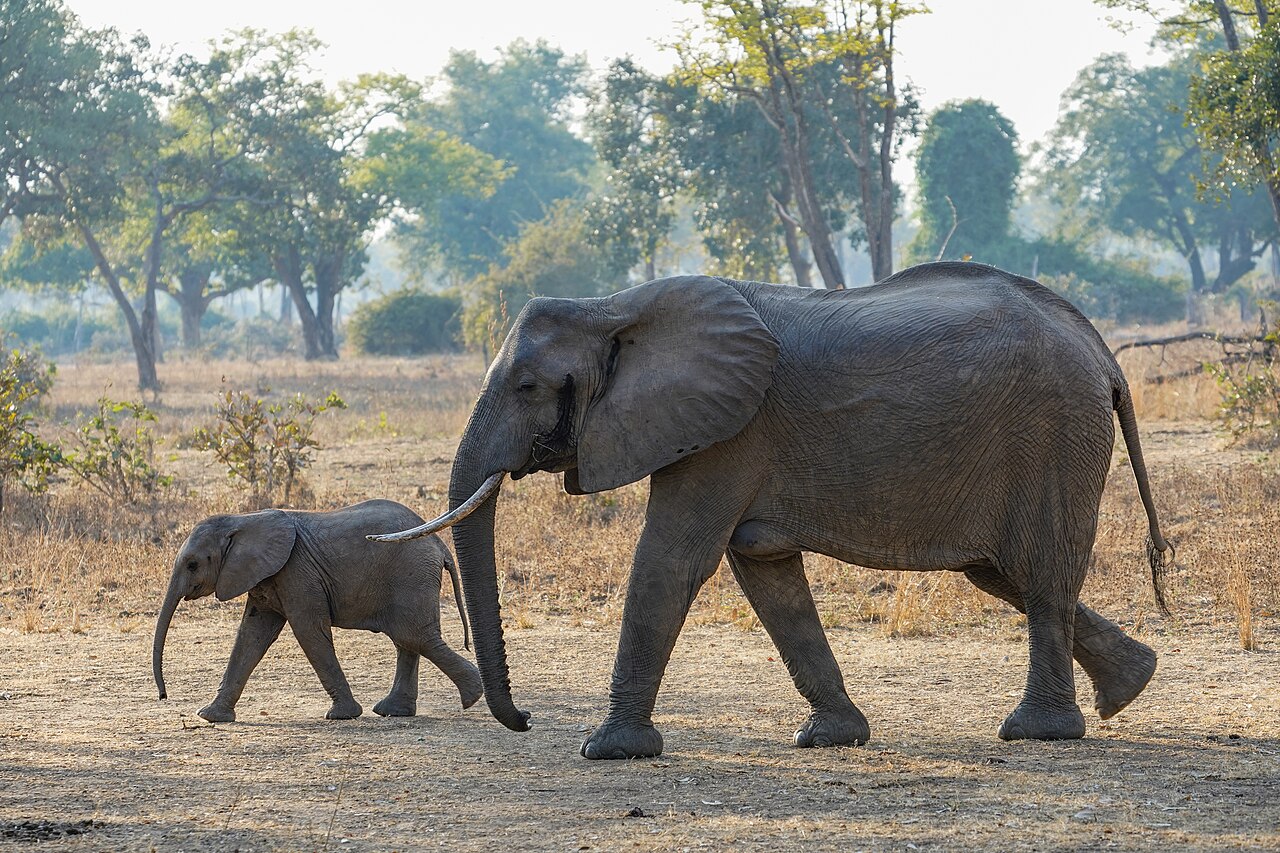
An ancient viral gene may have been repurposed in elephant placenta
An ancient viral gene that appears to have been inherited for at least 79 million years is strongly…
Read story →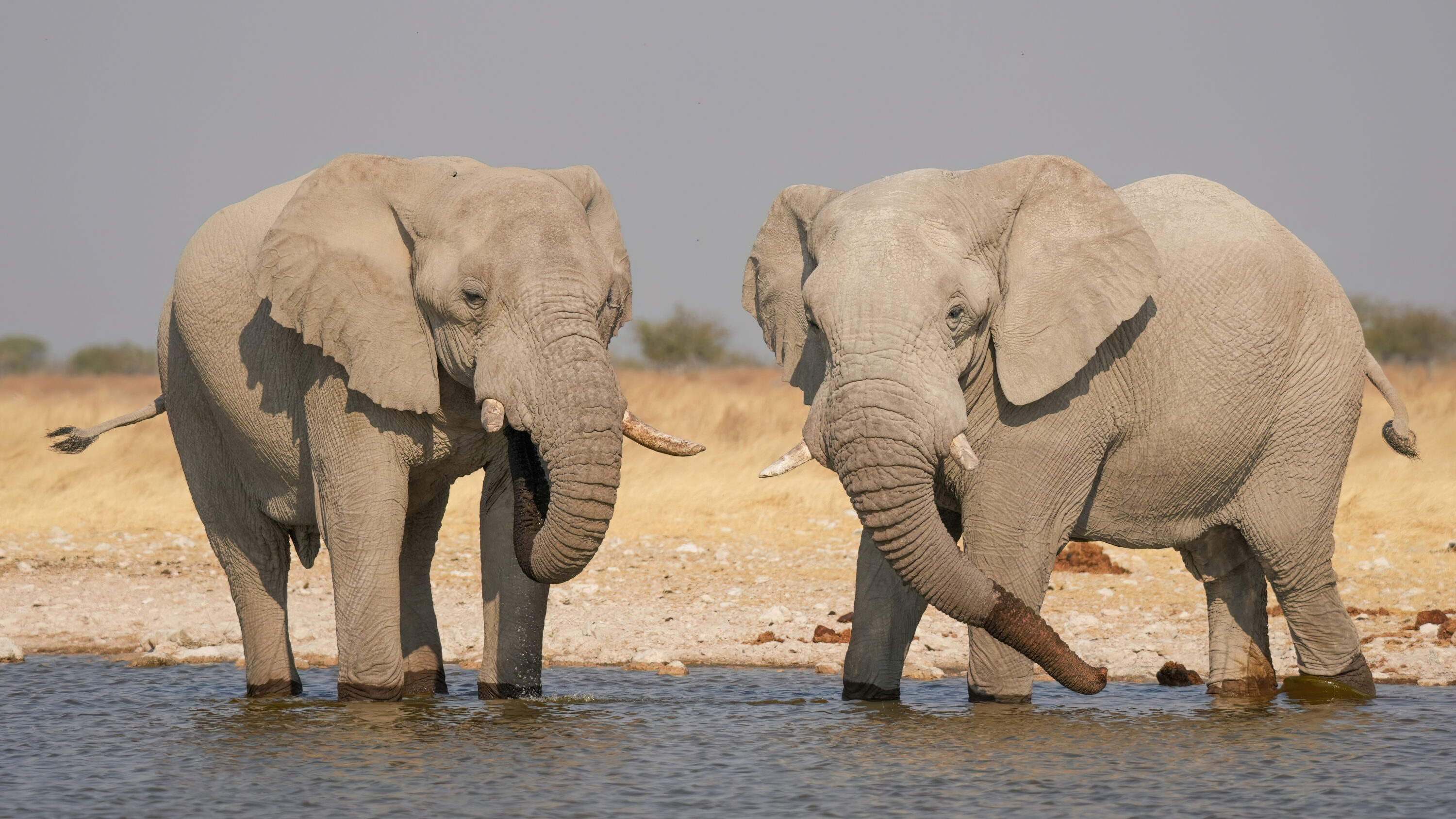
Three Ways of Analysing Elephant Calls Gave Different Results
Recordings from a semi-free herd in South Africa show how the method used to classify call timing can…
Read story →SPECIES IN THIS STORY
Species in this story
Independent research and conservation news archive
Did you find this information useful?
Wildlife Vagabond is independently built and maintained. Voluntary support helps cover source verification, hosting and continued work on research and conservation news.
Support Wildlife VagabondThe news archive will remain freely available.