
ESBL-Producing Bacteria Found in 61% of Sampled Urban Hooded Crows in Hungary
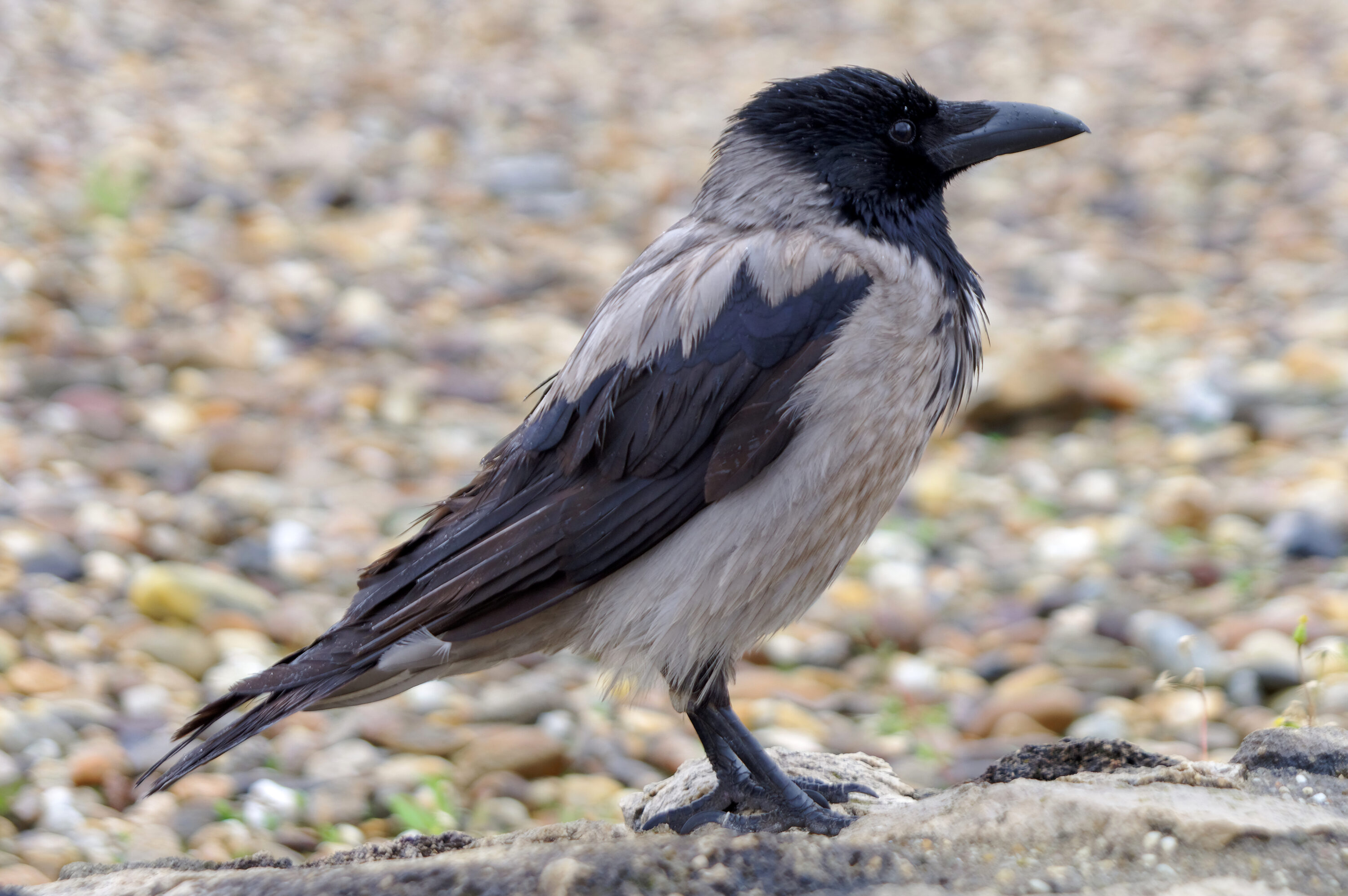
ESBL-producing Enterobacterales were detected far more often in urban than rural hooded crows (Corvus corone cornix) in Hungary. The study, published online on 10 August 2026, found these antibiotic-resistant bacteria in 130 of 212 urban birds, or 61%, compared with four of 52 rural birds, or 7.7%.
The researchers collected faecal samples from wild crows caught with ladder traps and identified the bacteria in the laboratory. They also tested antibiotic susceptibility and looked for genes that encode extended-spectrum beta-lactamases (ESBLs). These enzymes can break down several commonly used beta-lactam antibiotics and make the bacteria resistant to them.
E. coli dominated, but belonged to many lineages
Escherichia coli was overwhelmingly the dominant ESBL-producing bacterium. The blaCTX-M-1 group was the most common group of ESBL genes in both urban and rural samples. The researchers also detected resistance genes affecting other antibiotic classes and plasmids, mobile DNA elements that can carry resistance genes between bacteria.
Whole-genome sequencing was completed for 197 of the isolated ESBL-producing E. coli. The bacteria belonged to 22 sequence types, a genetic classification used to distinguish bacterial lineages, with ST58 the most common. This showed that the resistant E. coli found in the crows were genetically diverse rather than belonging to a single sequence type.
The authors interpret the strong urban–rural difference as evidence that anthropogenic sources in cities play an important role in exposure to ESBL-producing bacteria. Because hooded crows increasingly use cities and move through human-dominated environments, the authors suggest that the birds may help disseminate resistant bacteria between the environment and people; the study did not directly trace transmission between crows and humans.
Disease, parasites & microbiology
Related news
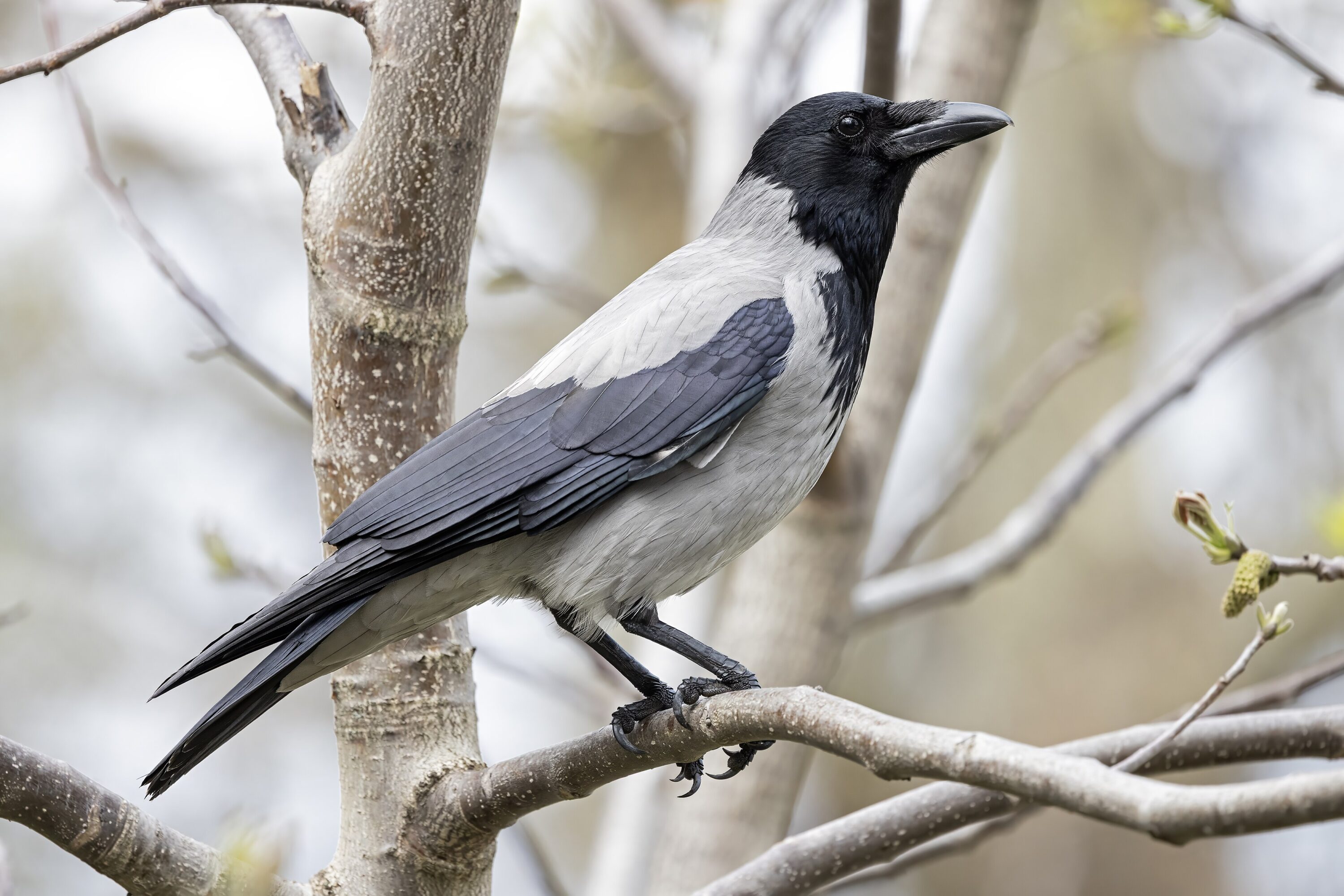
Hooded Crows Were Linked to 87 Reported West Nile Virus Bird Outbreaks in Europe
The September ECDC–EFSA report linked hooded crows to 87 reported West Nile virus bird outbreaks, Eurasian magpies to…
Read story →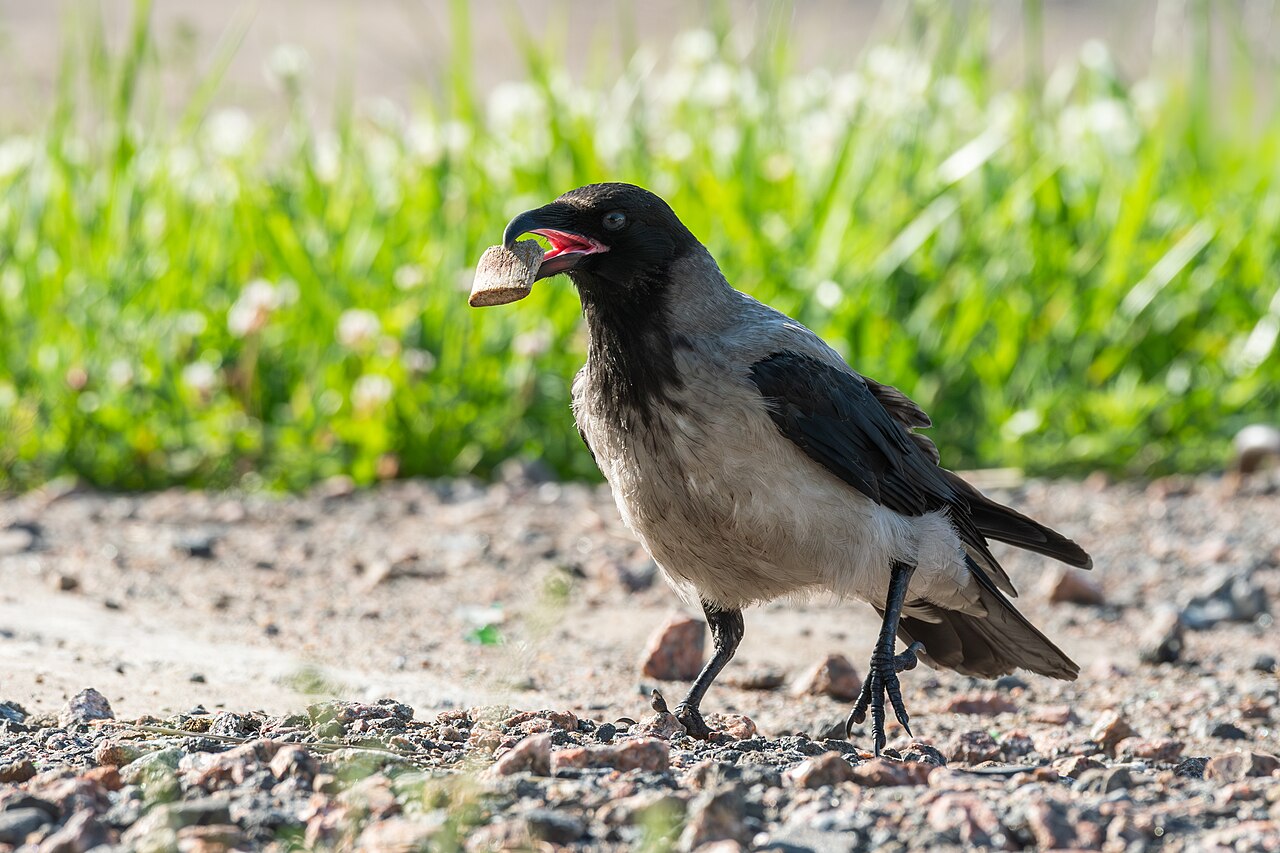
Hooded Crow Nestlings Had Low Levels of Cadmium, Lead and Arsenic in a Polish Wetland
Blood and feather samples from 29 hooded crow nestlings in Warta Mouth National Park showed low concentrations of…
Read story →
Long-tailed Tits and Common Firecrests Were Detected More Often Where More Time Had Passed Since Fire
Passive acoustic monitoring in northern Greece found long-tailed tits and common firecrests more likely to be detected in…
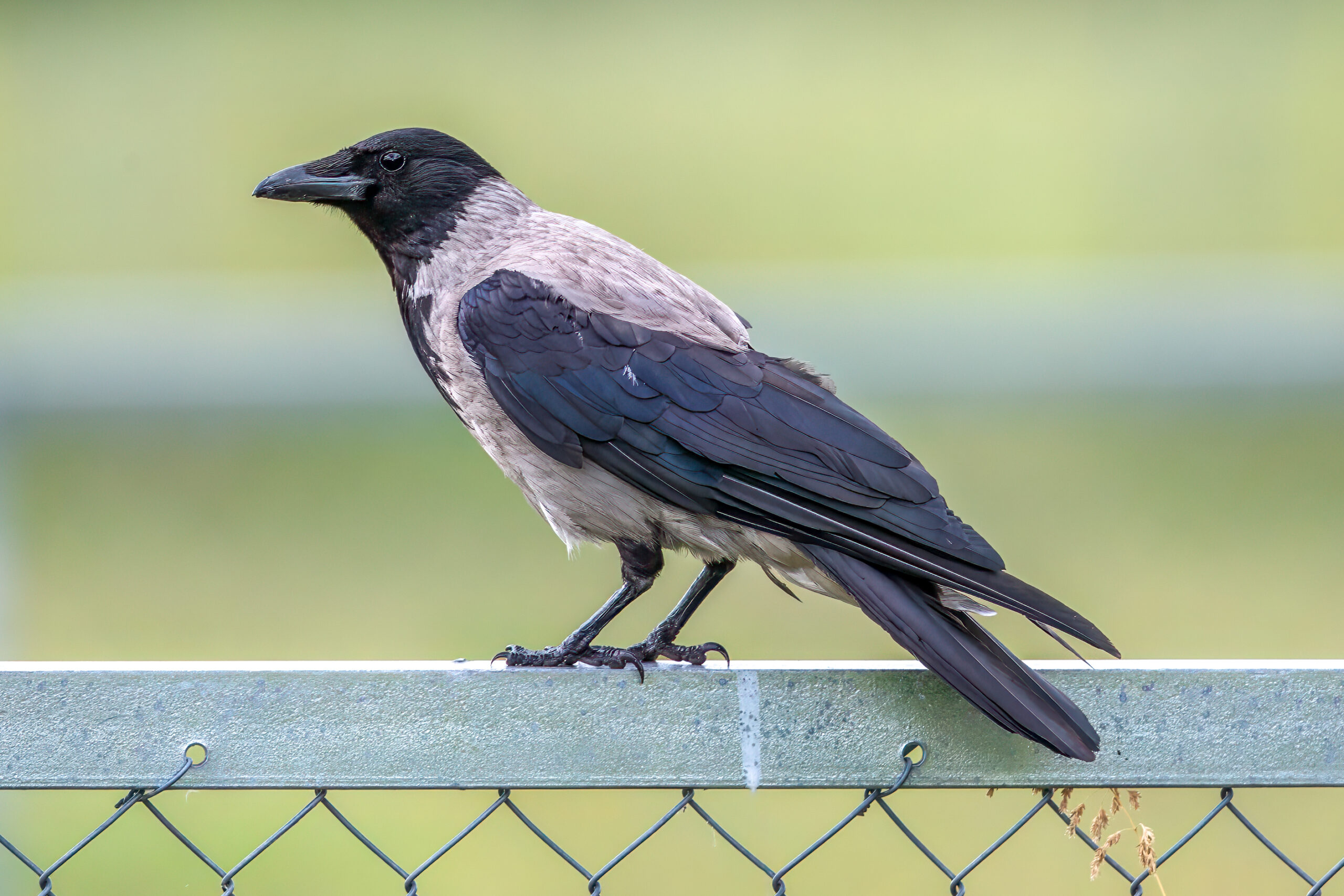
Read story →SPECIES IN THIS STORY
Species in this story
Independent research and conservation news archive
Did you find this information useful?
Wildlife Vagabond is independently built and maintained. Voluntary support helps cover source verification, hosting and continued work on research and conservation news.
Support Wildlife VagabondThe news archive will remain freely available.