
Leopards and jackals were most active on roads when vehicles were scarce
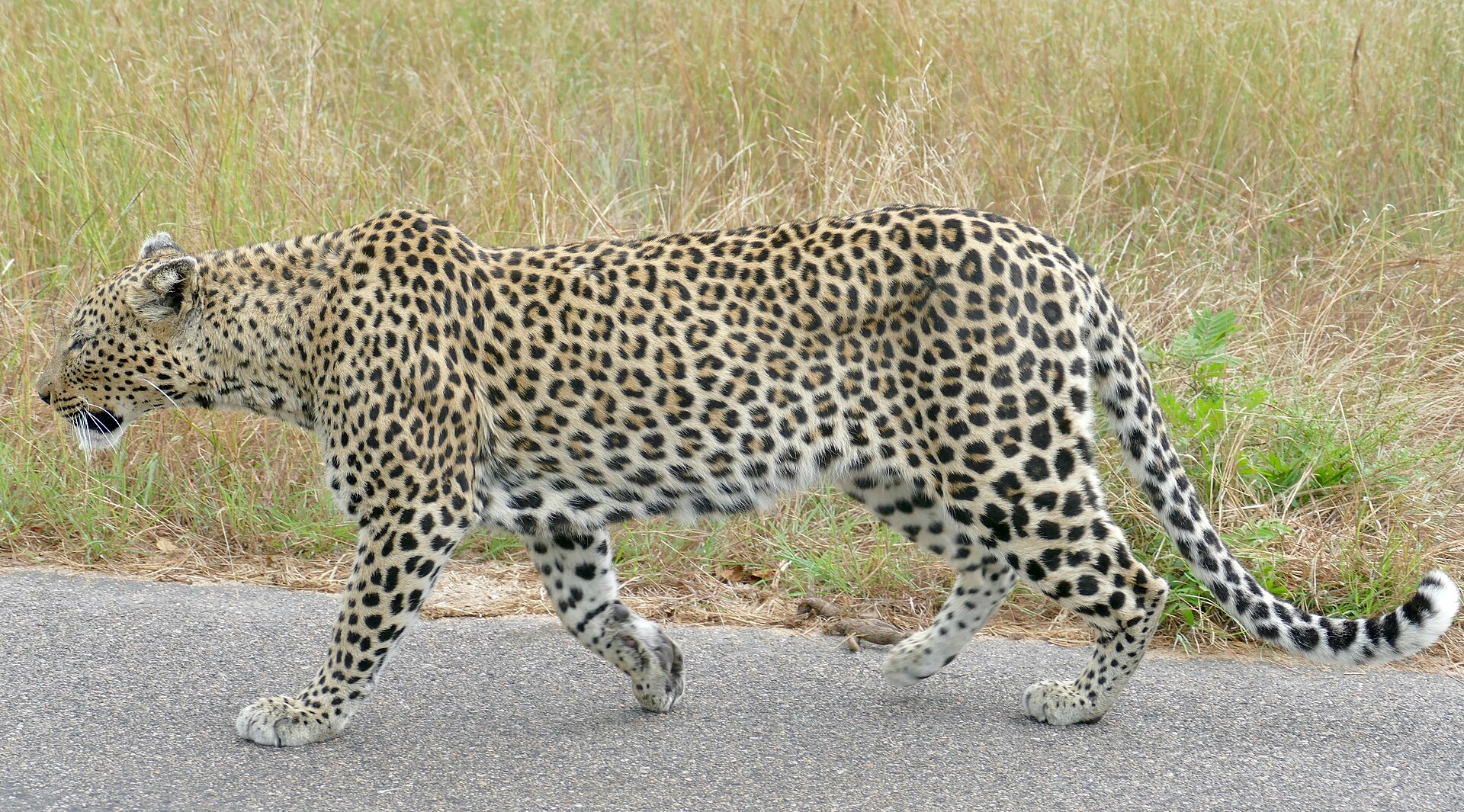
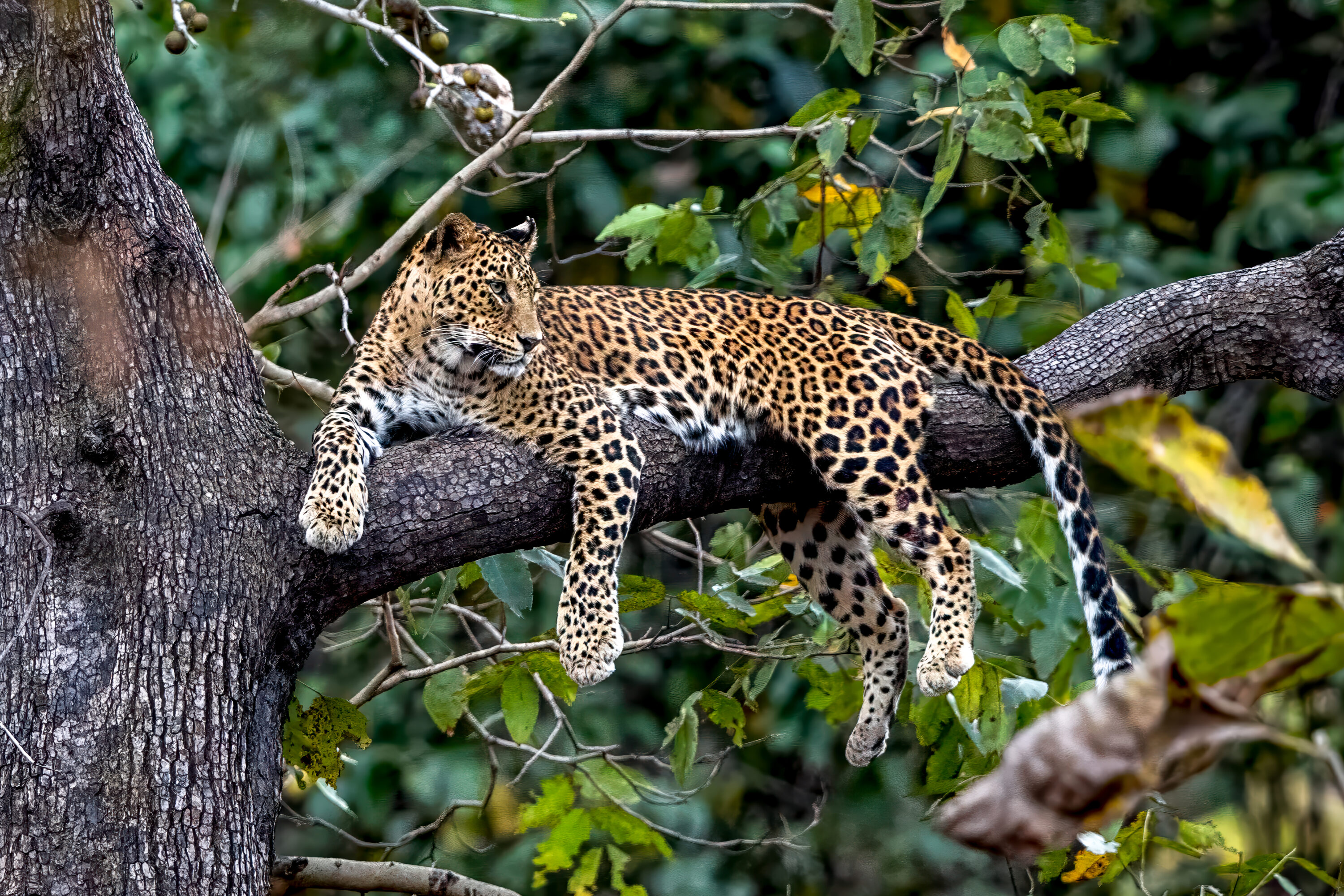
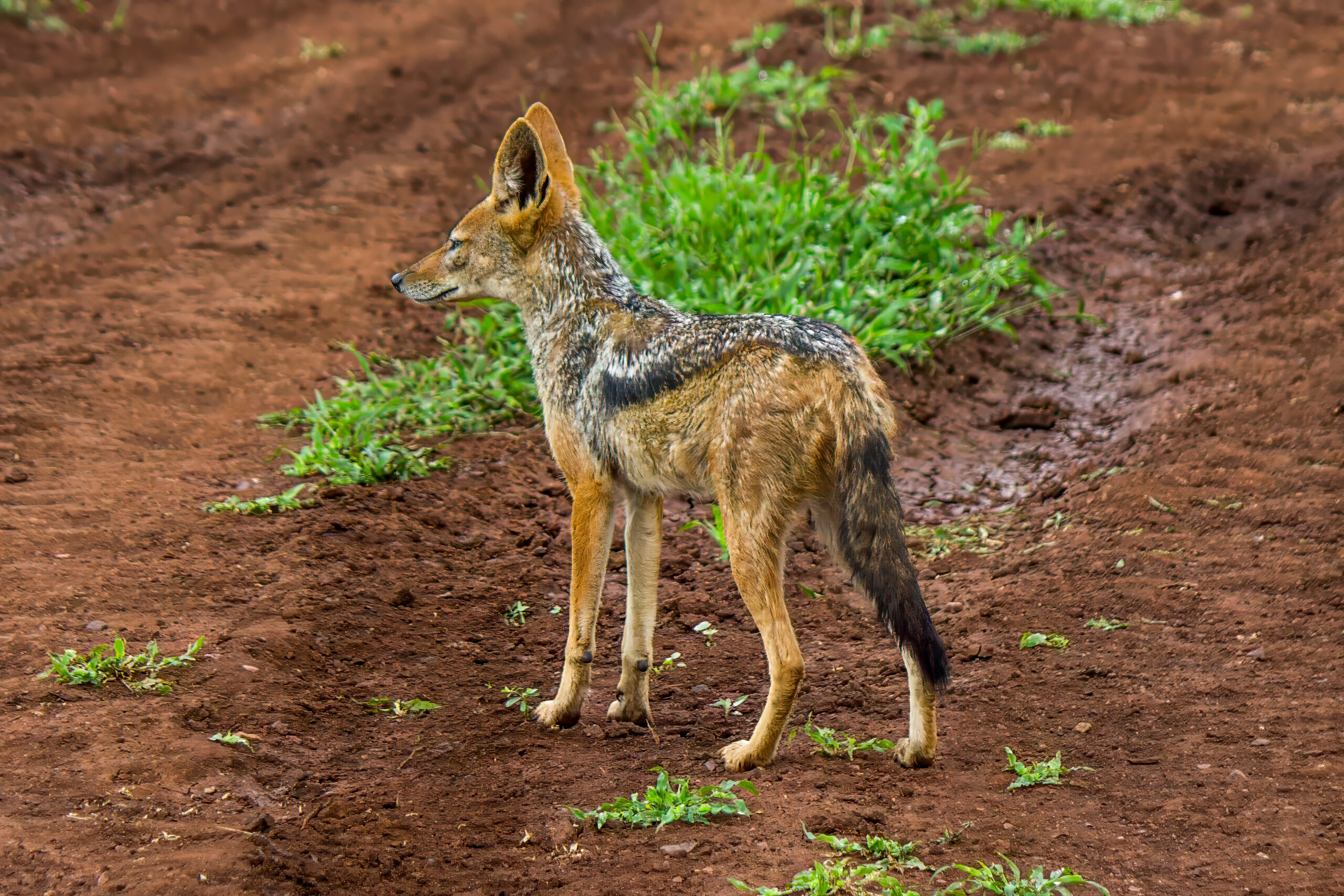
How do wild animals time their use of roads when vehicles pass through their habitat? A study at three South African conservation properties compared road activity by leopards (Panthera pardus) and black-backed jackals (Lupulella mesomelas) with vehicle activity. The properties spanned a 24-fold range in traffic, and blue wildebeest provided a daytime-active comparison.
The contrast was clear: wildebeest activity tracked daytime vehicle activity at all three properties. The two carnivores, however, were most active when vehicles were scarce and overlapped with vehicle activity much less than the wildebeest did. Their low overlap is consistent with the carnivores’ naturally nocturnal activity, but does not by itself show that they avoided vehicles.
Traffic levels did not produce a simple pattern
Jackal activity overlapped least with vehicles at the property with the heaviest traffic. The leopard–jackal comparison changed with traffic level: at the two properties with lighter traffic, leopard overlap with vehicles was lower than jackal overlap; at the busiest property, the ordering was reversed. The authors describe this reversal as a pattern, not as a statistically tested difference.
The study also considered whether either carnivore became active later than expected after a vehicle passed. Where there were enough records to examine this timing—mainly at the busiest property—neither leopard nor jackal showed such a delay. The findings therefore point to differences in how species’ activity coincides with traffic, rather than evidence that the carnivores immediately wait for vehicles to pass.
Roads bring human activity into wildlife habitat, but animals’ responses need not follow a single rule as traffic increases. Here, the two carnivores had less overlap with vehicles than the daytime-active wildebeest, while the relative overlap of leopards and jackals varied among properties. Comparing species and sites helps distinguish these different activity patterns—and cautions against treating low daytime overlap alone as proof of active avoidance.
Ecology
Related news
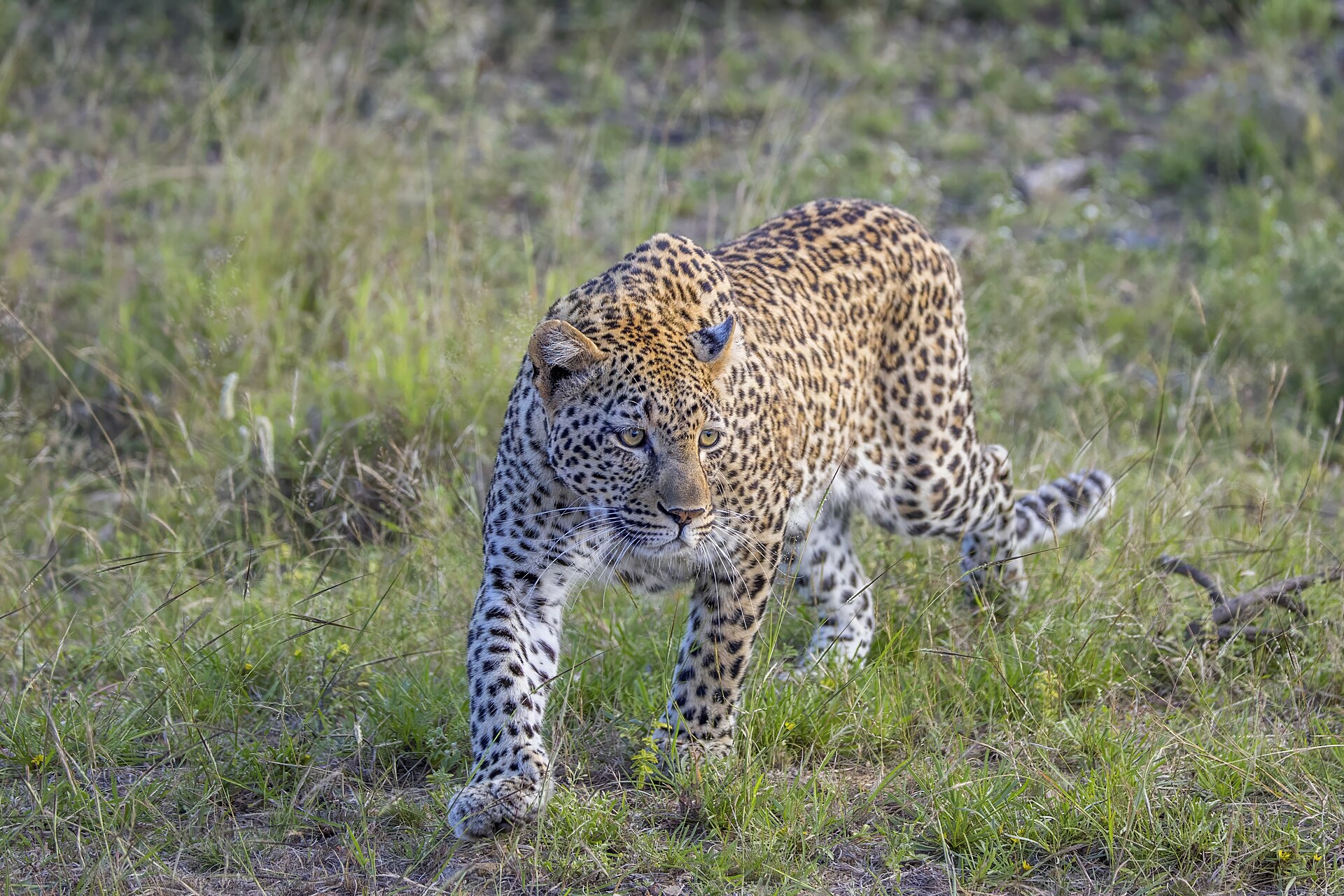
Two leopard skins seized in suspected wildlife-trafficking raid in Kalahandi
A raid in Saisurani Range, India, led to the reported seizure of two leopard skins, other wildlife remains…
Read story →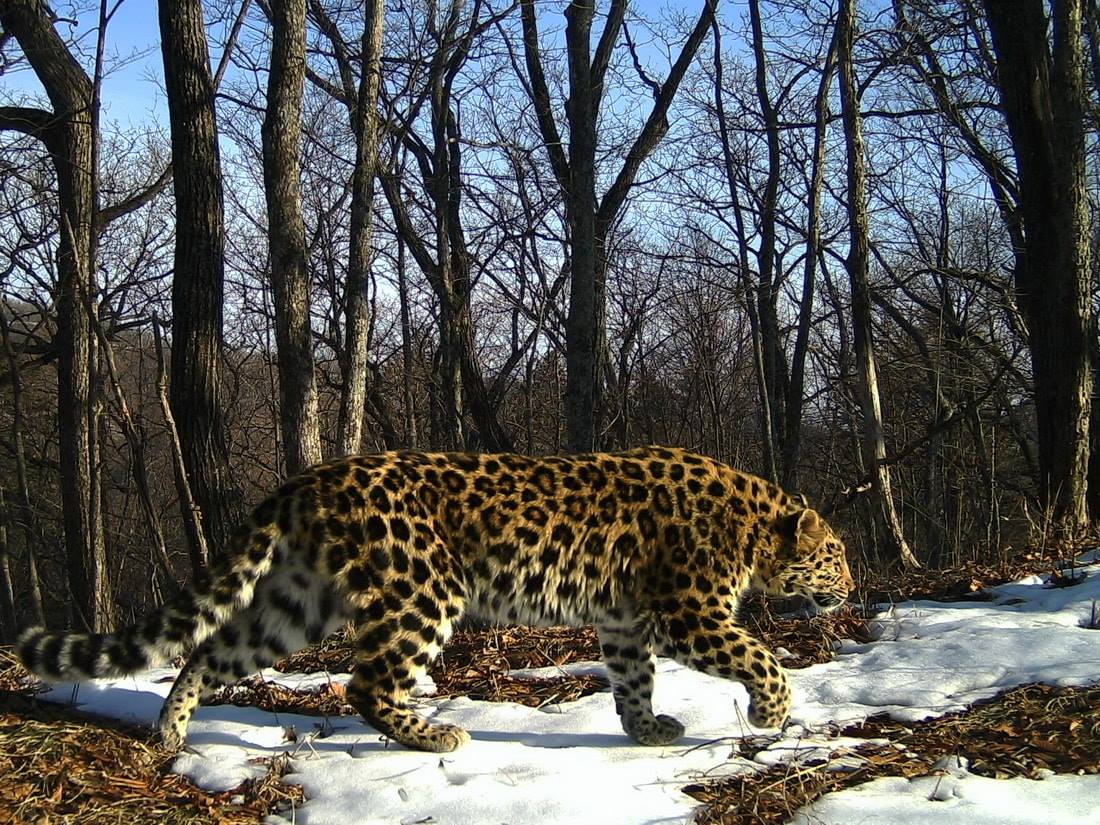
Wild tiger and leopard populations more than double in China’s Northeast Tiger and Leopard National Park
A five-year account from China’s Northeast Tiger and Leopard National Park reports rising numbers of both big cats,…
Read story →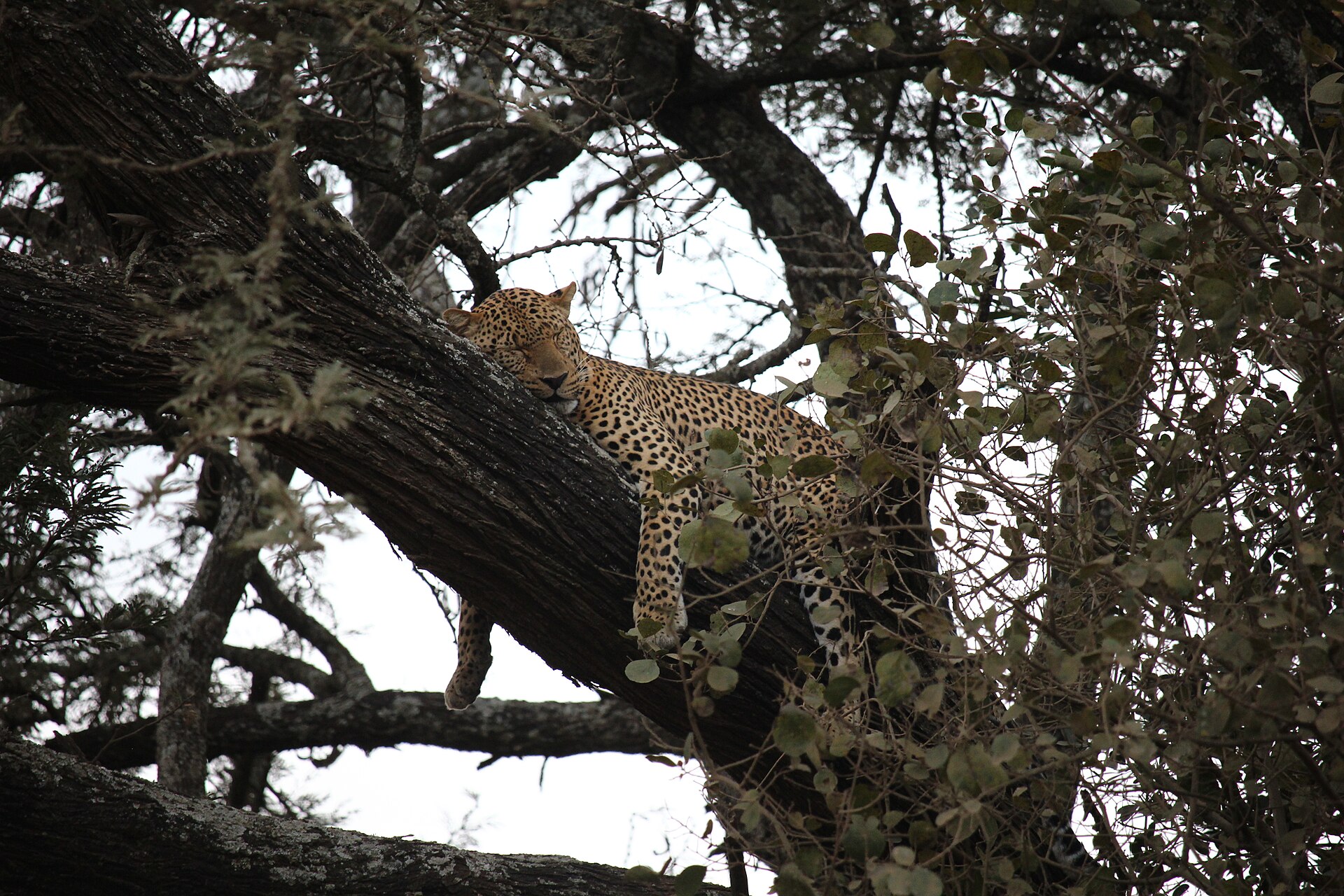
Camera traps reveal three separated leopard groups in China’s Taihang Mountains
Researchers identified 41 leopards in Henan from camera-trap images collected between 2017 and 2024. Records showed three spatially…
Read story →SPECIES IN THIS STORY
Species in this story
Independent research and conservation news archive
Did you find this information useful?
Wildlife Vagabond is independently built and maintained. Voluntary support helps cover source verification, hosting and continued work on research and conservation news.
Support Wildlife VagabondThe news archive will remain freely available.