
Extreme Weather Affected Great Tit Chicks Differently as They Grew
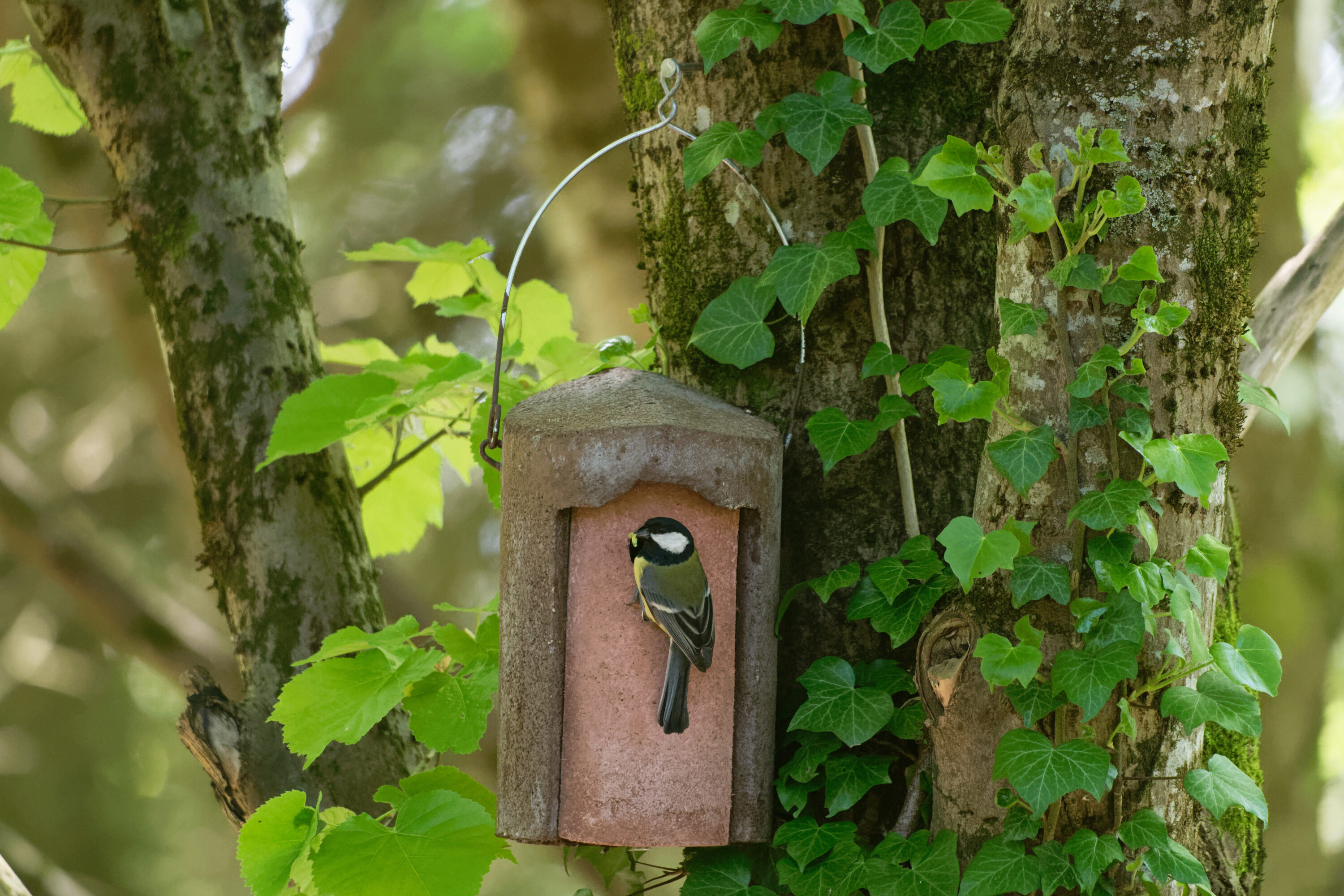
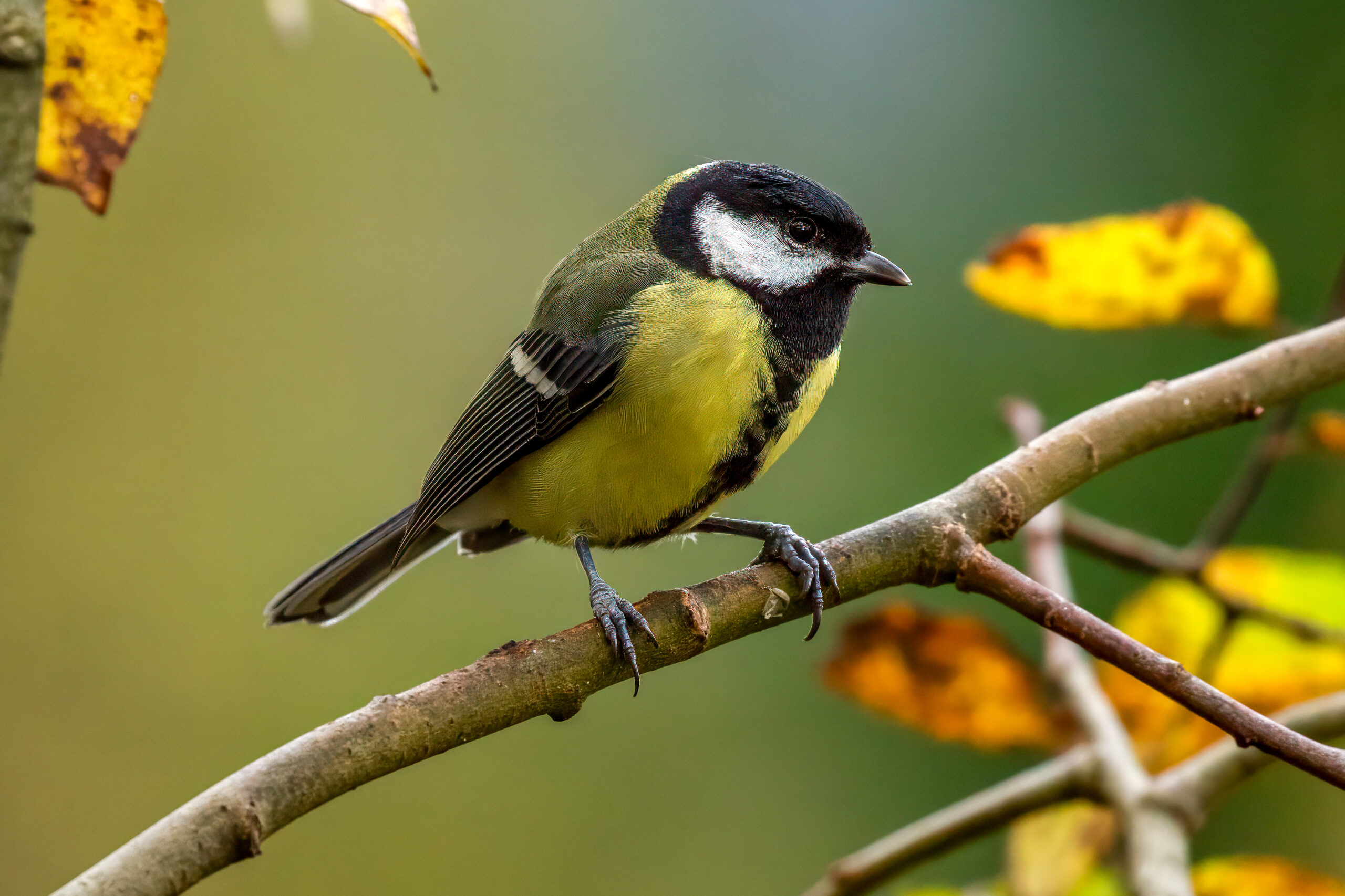
Extreme cold, heat and heavy rain affected great tit (Parus major) chicks differently depending on their age, according to a 60-year study from Wytham Woods in Oxfordshire, England. The analysis combined daily weather records with life-history data from more than 83,000 wild birds. It was published in Global Change Biology on 11 March 2026.
The great tit has been monitored at Wytham Woods since 1947. More than 1,000 nest boxes have been available across the mixed deciduous woodland since the 1960s, allowing researchers to follow breeding attempts, chick growth and the return of marked birds over many generations. For the new study, the team analysed 83,935 individuals hatched between 1965 and 2024 and used recruitment records extending into the 2025 breeding season.
The researchers divided development into two periods. The hatchling stage covered the first seven days after hatching, when chicks have few feathers and only a limited ability to regulate their body temperature. The nestling stage covered days eight to 15, when the growing young have greater energy requirements. Daily temperature and rainfall records were then used to identify unusually cold, hot or wet conditions during each period.
Extreme cold mattered most during the first week
The strongest responses changed as the chicks grew. Exposure to extreme cold during the first week was particularly strongly associated with lower mass at fledging. At this early stage, chicks have little protection against heat loss and must devote energy to maintaining body functions instead of growth. Parents may also spend more time brooding them during cold conditions, leaving less time for collecting food.
Heavy rain mattered more as nestlings grew
Rain became more important during the later nestling stage. Both high average rainfall and extreme rain events were associated with reduced fledging mass. The authors explain that heavy rain can restrict parental foraging and make caterpillars and other insect prey harder to find. This matters increasingly as the chicks grow and require more food.
Temperature and rainfall also acted together. During early development, the combination of extreme heat with consistently high rainfall, or extreme rain with higher average temperatures, produced some of the largest predicted reductions. Under the most severe combination assessed, fledging mass was predicted to be up to 27 percent lower.
Late broods exposed to repeated heat had the largest predicted losses
Breeding date shaped these patterns further. Late broods exposed to frequent hot events during their first week were predicted to produce fledglings up to 35 percent lighter than broods laid earlier in the season. Earlier broods generally coincide more closely with the seasonal peak in caterpillar abundance, which can help parents meet the high food demands of their young. When laying date was included in models of later recruitment into the breeding population, most direct associations between weather extremes and recruitment became weaker, identifying breeding date as the dominant seasonal influence on that outcome.
Ecology
Related news
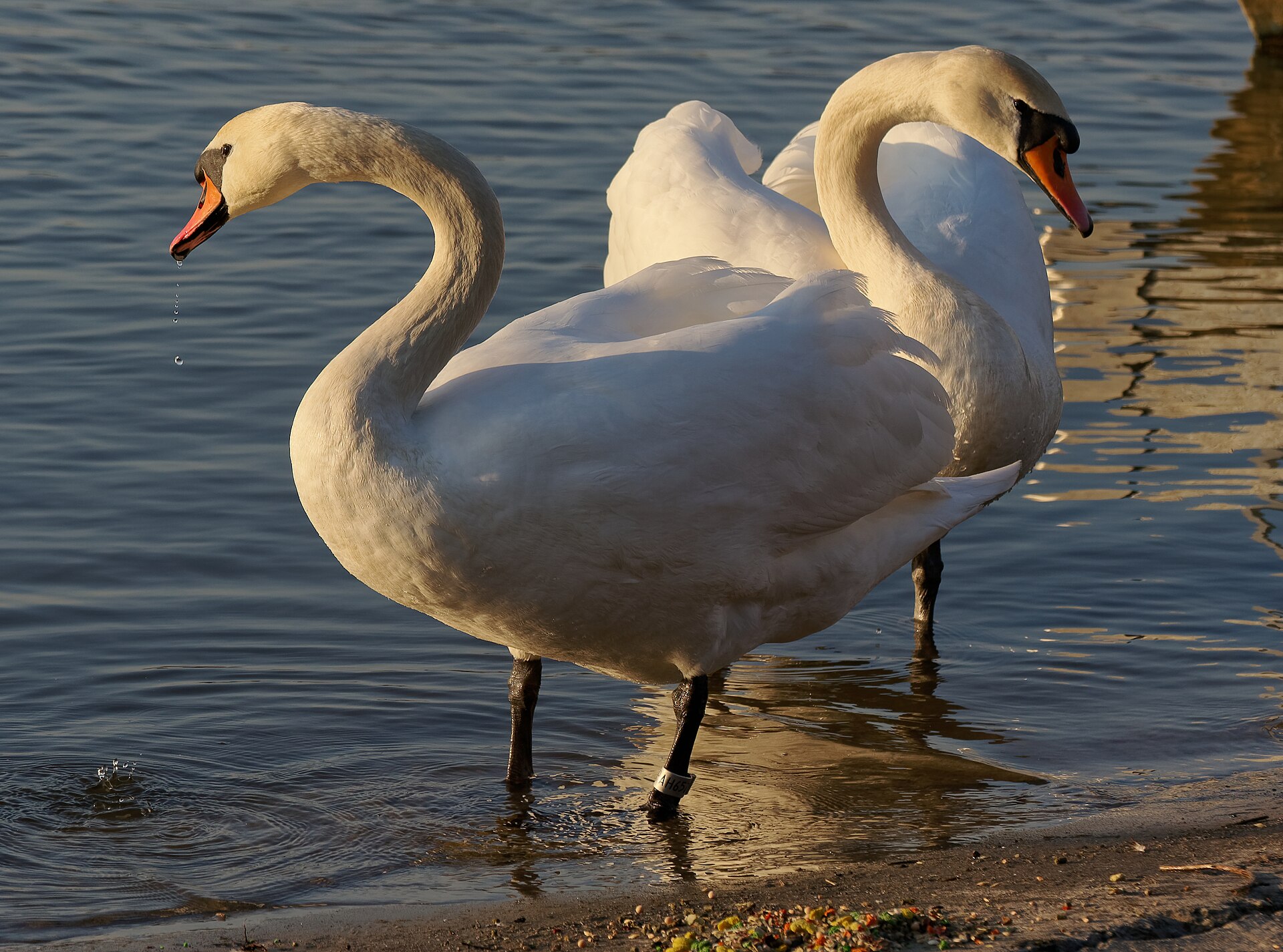
Inland Mute Swans Had Higher Winter Body Condition Despite Harsher Winters and Supplemental Feeding
A study of 853 mute swans from four Polish wintering regions found higher body condition inland than on…
Read story →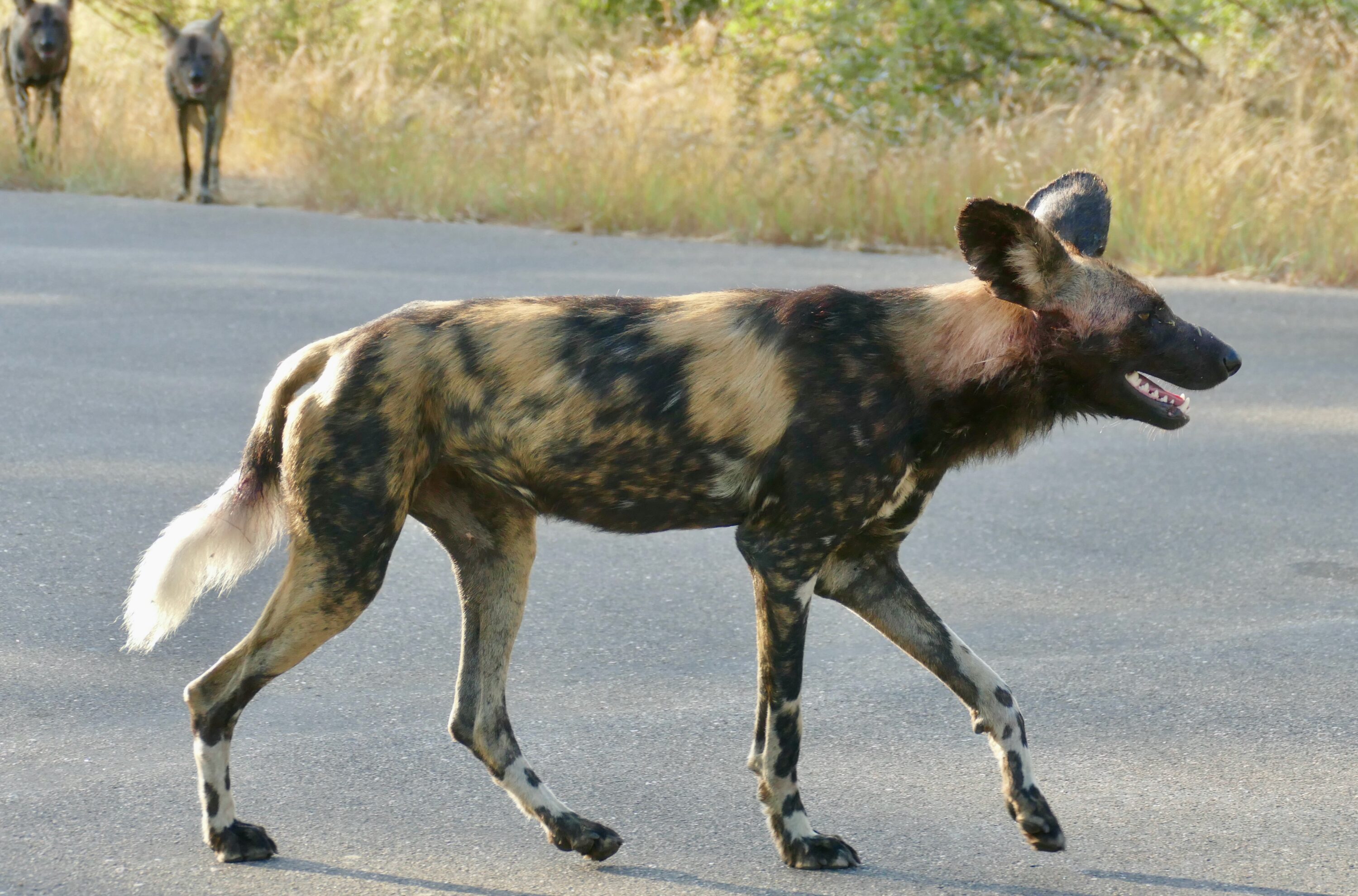
Gut Microbiomes Across Nine Kruger Mammals Clustered More Strongly by Dietary Group Than Species
A study of 89 quality-filtered faecal samples from nine wild mammals in Kruger National Park found that carnivores,…
Read story →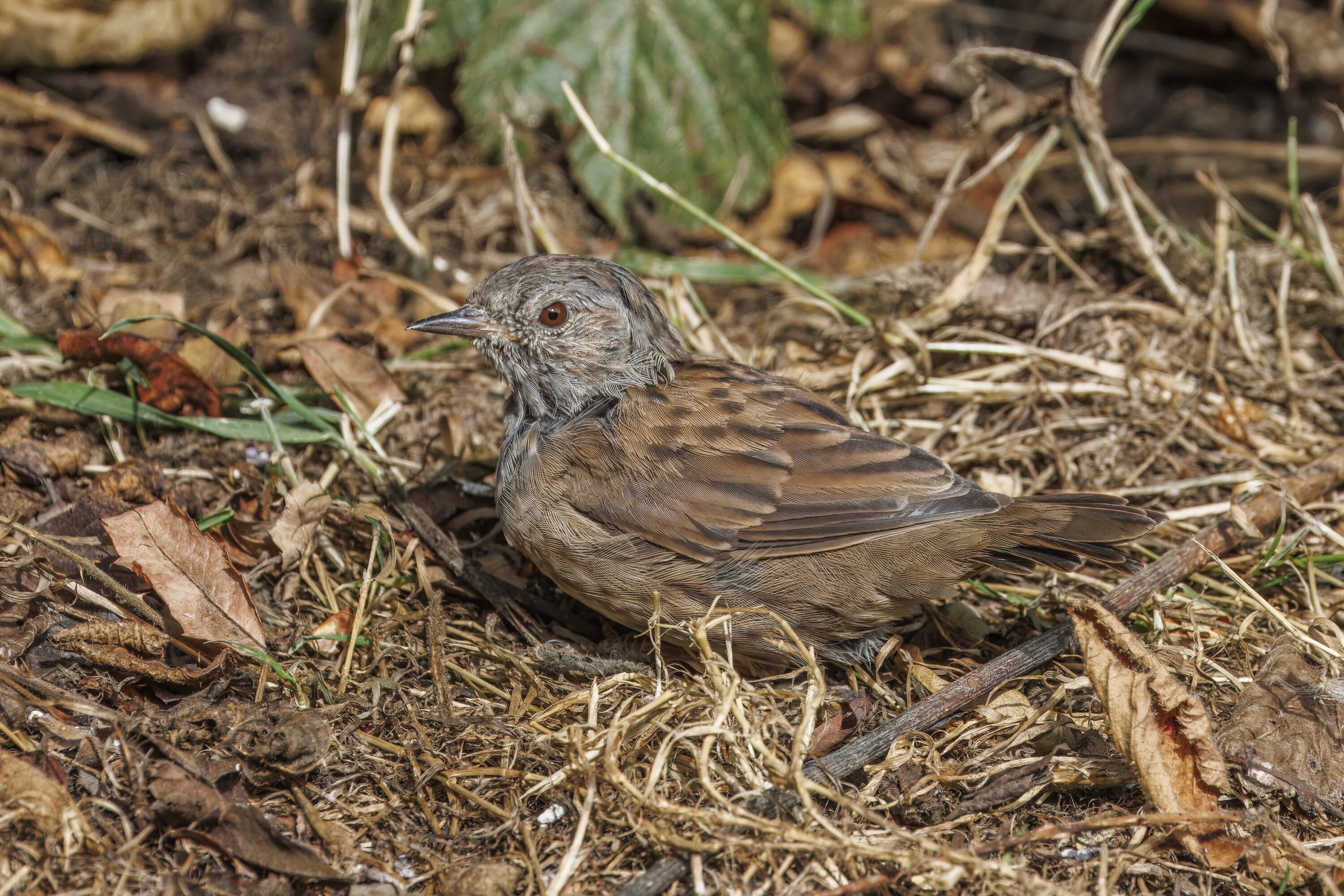
Dunnock Spring Passage Advanced by Up to 8.3 Days Over 61 Years at Hel
Standardised ringing data from northern Poland showed that the first, median and last phases of dunnock spring passage…
Read story →SPECIES IN THIS STORY
Species in this story
Independent research and conservation news archive
Did you find this information useful?
Wildlife Vagabond is independently built and maintained. Voluntary support helps cover source verification, hosting and continued work on research and conservation news.
Support Wildlife VagabondThe news archive will remain freely available.