
Fast-growing male Soay lambs had shorter telomeres; in roe deer, habitat mattered
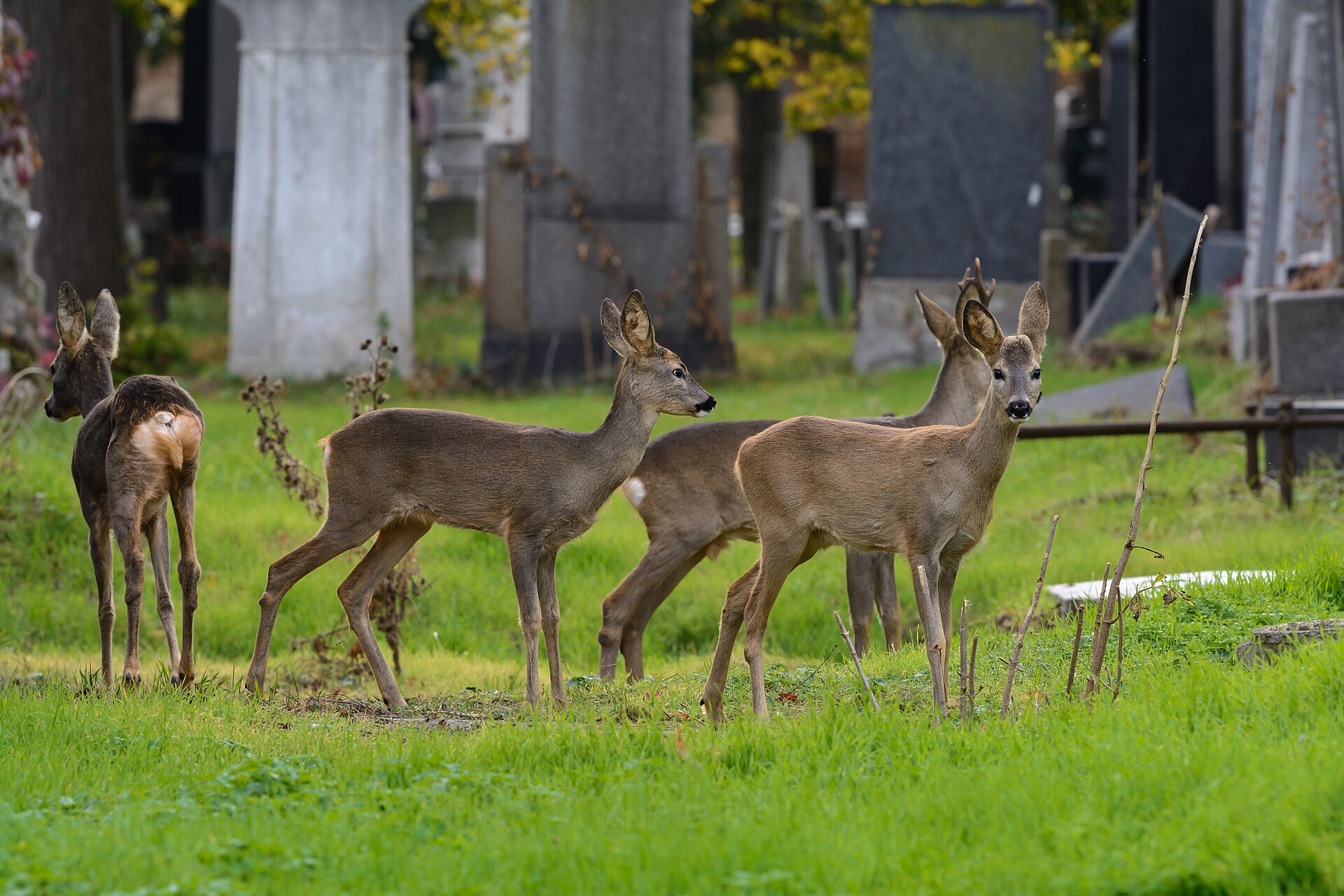
Does growing quickly early in life come at a cost to the body’s cells? Telomeres—repeated DNA sequences that protect the ends of chromosomes—can shorten as cells divide, and rapid growth may increase cell turnover and exposure to reactive oxygen species. A synthesis of earlier studies found mixed evidence for a general link between early growth and telomere length. New comparisons in wild Soay sheep (Ovis aries) and European roe deer (Capreolus capreolus) show why one answer may not fit every animal: the associations differed by sex in sheep and by habitat in roe deer.
In Soay sheep, the pattern differed between sexes
Among Soay sheep, greater mass gain after birth was associated with shorter telomeres in males, but not in females. The relationship also depended on birth mass: among males that were heavier at birth, the association between later mass gain and shorter telomeres appeared weaker. Thus, the link between growth and telomere length was not the same for all lambs.
In roe deer, the association appeared in one habitat
For European roe deer, the researchers compared mass at the start of the first winter with telomere length in two populations. In the higher-quality habitat, heavier animals had shorter telomeres. In the more resource-limited habitat, the study found no corresponding association. The contrast suggests that the relationship between early growth and telomere length also depends on environmental context.
The study’s abstract also reports associations between telomere length and horn type in Soay sheep, and between telomere length and male vulnerability to harsh environments in roe deer. Taken together, the findings support the authors’ interpretation of telomere length as a marker of physiological costs associated with growth, while showing that sex, individual traits and habitat shape the pattern.
Physiology
Related news
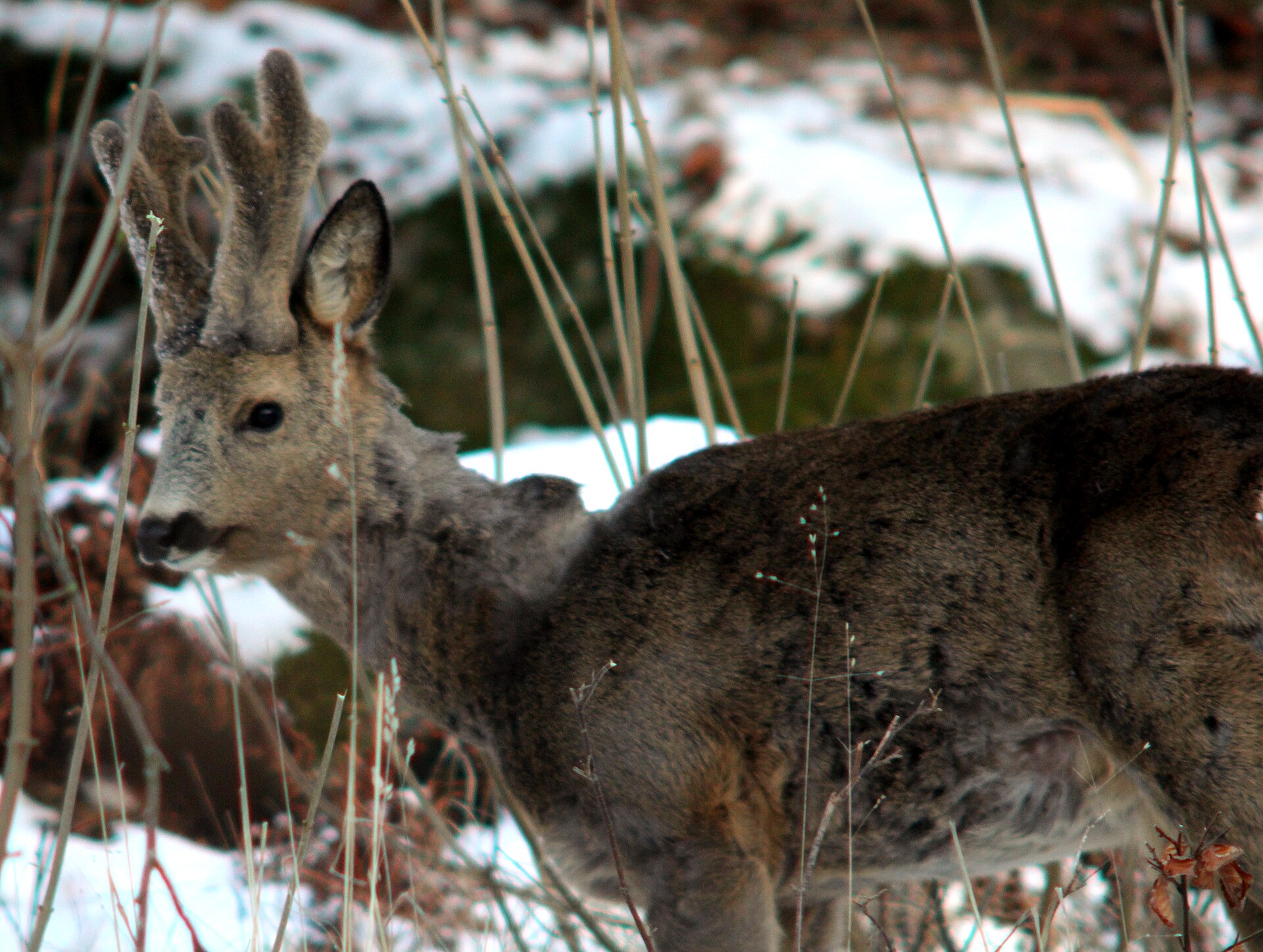
More wind turbines were associated with larger roe deer home ranges
GPS tracking of roe deer at three wind farms in east-central Poland found larger home ranges where more…
Read story →
How accurately can researchers estimate a roe deer’s age?
A review of 25 publications finds that tooth-based age estimates vary in accuracy. One DNA-methylation method had an…
Read story →
Virus known from sheep and goats detected in an Italian roe deer
Researchers detected small ruminant lentivirus in one of 179 roe deer sampled in central Italy—the first reported molecular…
Read story →SPECIES IN THIS STORY
Species in this story
Independent research and conservation news archive
Did you find this information useful?
Wildlife Vagabond is independently built and maintained. Voluntary support helps cover source verification, hosting and continued work on research and conservation news.
Support Wildlife VagabondThe news archive will remain freely available.