
Fatty-Acid Profiles Distinguished Philippine Pangolin Scales From Rhinoceros and Goat Horn
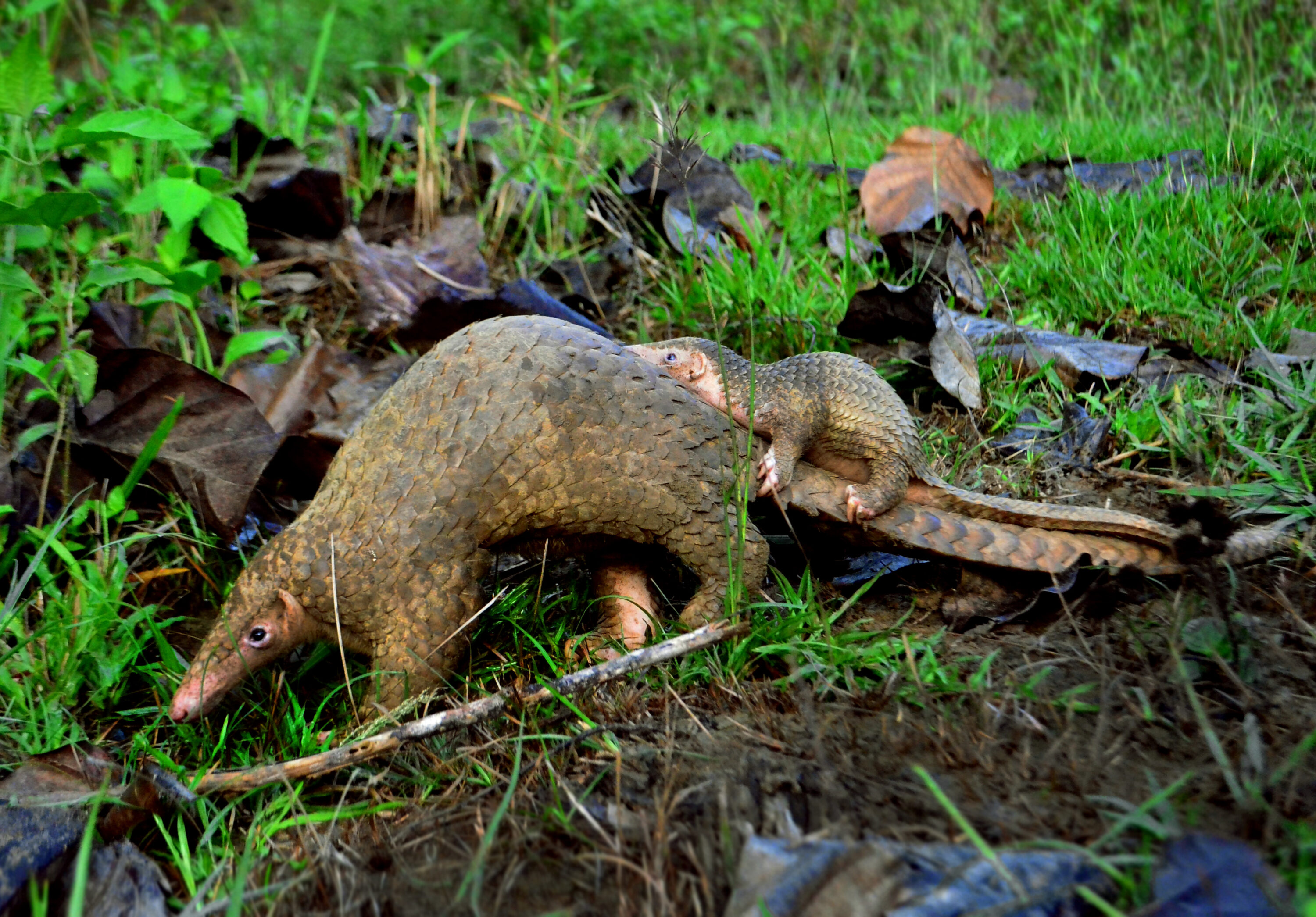
Volatile chemical profiles distinguished Philippine pangolin scales from black rhinoceros and goat horn in a wildlife-forensics study assigned to the January 2026 issue of Forensic Science International. The clearest separation came from fatty-acid patterns in these keratin-based materials, suggesting that chemical odour profiles could help identify trafficked wildlife products without destroying the sample.
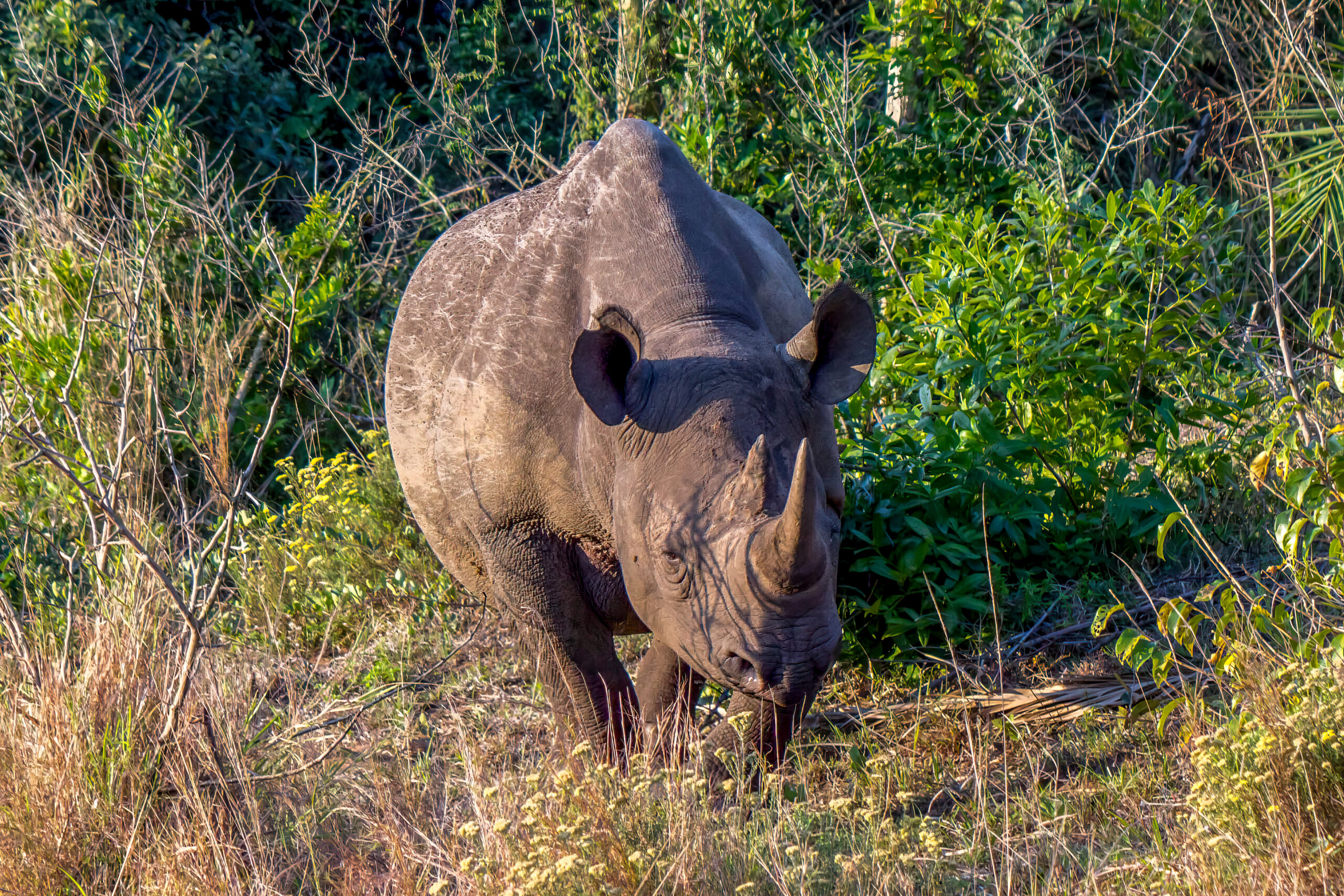
The researchers analysed scales from Philippine pangolins (Manis culionensis), horn from black rhinoceroses (Diceros bicornis) and domestic goat horn. Pangolin scales and rhinoceros horn are both keratin-rich structures, but their chemical composition is not identical. The study focused on the volatilome: the mixture of volatile organic compounds that can evaporate from a material and contribute to its chemical odour.
GC–MS revealed different chemical mixtures
Volatile compounds were collected from the air immediately above each sample with headspace solid-phase microextraction. A coated fibre traps molecules that leave the material, after which gas chromatography separates the mixture and mass spectrometry provides characteristic molecular-fragment patterns that help identify the compounds. The method therefore examines the chemistry released from the sample rather than requiring large amounts of the material to be destroyed.
The six Philippine pangolin scale samples had very similar chemical compositions to one another, and the two black-rhinoceros horn samples were also nearly identical to each other. Using a threshold that excluded only very minor signals, the researchers identified 49 compounds in the pangolin scales, 78 in rhinoceros horn and 66 in goat horn.
Across the three materials, the mixtures included carboxylic acids, alcohols, aldehydes, hydrocarbons, amines, aromatic compounds, esters, ethers and ketones. The broad compound classes overlapped, so the important difference was not simply that one material contained an entirely unique set of chemical families. Instead, the relative pattern within the mixture — especially the fatty acids — produced species-specific chemical profiles.
Fatty acids produced the clearest distinction
The researchers used a mass-spectral signal at m/z 60 to focus on fatty-acid profiles. This is a characteristic fragment produced by many of the relevant fatty acids, allowing the compounds to be compared more clearly across samples. Pangolin scales were characterised mainly by a series of shorter fatty acids from butanoic to decanoic acid, while rhinoceros horn extended through a broader series reaching hexadecanoic acid. Goat horn showed a related but distinguishable pattern that also included branched methylbutanoic acid.
The authors suggest that differences in keratin type, lipids associated with the tissue and the biological origin of scales and horns could contribute to these profiles. Keratin itself is a structural protein, but lipids embedded in or associated with keratinised tissue can break down and release free fatty acids, some of which are volatile enough to become part of the material’s odour signature.
Air samples were a proof of concept, not yet a field test
The team also explored whether chemical traces could be detected without sampling the wildlife product directly. Air collected around seized pangolin scales and from an enclosure housing the Sunda pangolin Manis javanica contained fatty acids and other compounds that had also appeared in the material profiles.
These environmental samples did not yet provide a validated method for reliably identifying pangolins in real-world cargo or other complex settings. The authors explicitly describe further work as necessary before the approach can be applied reliably to environmental air. The current study therefore establishes a chemical basis for distinguishing the tested materials and a proof of concept for future non-destructive screening, rather than a finished detection system ready for routine enforcement.
Organic chemistry
Related news
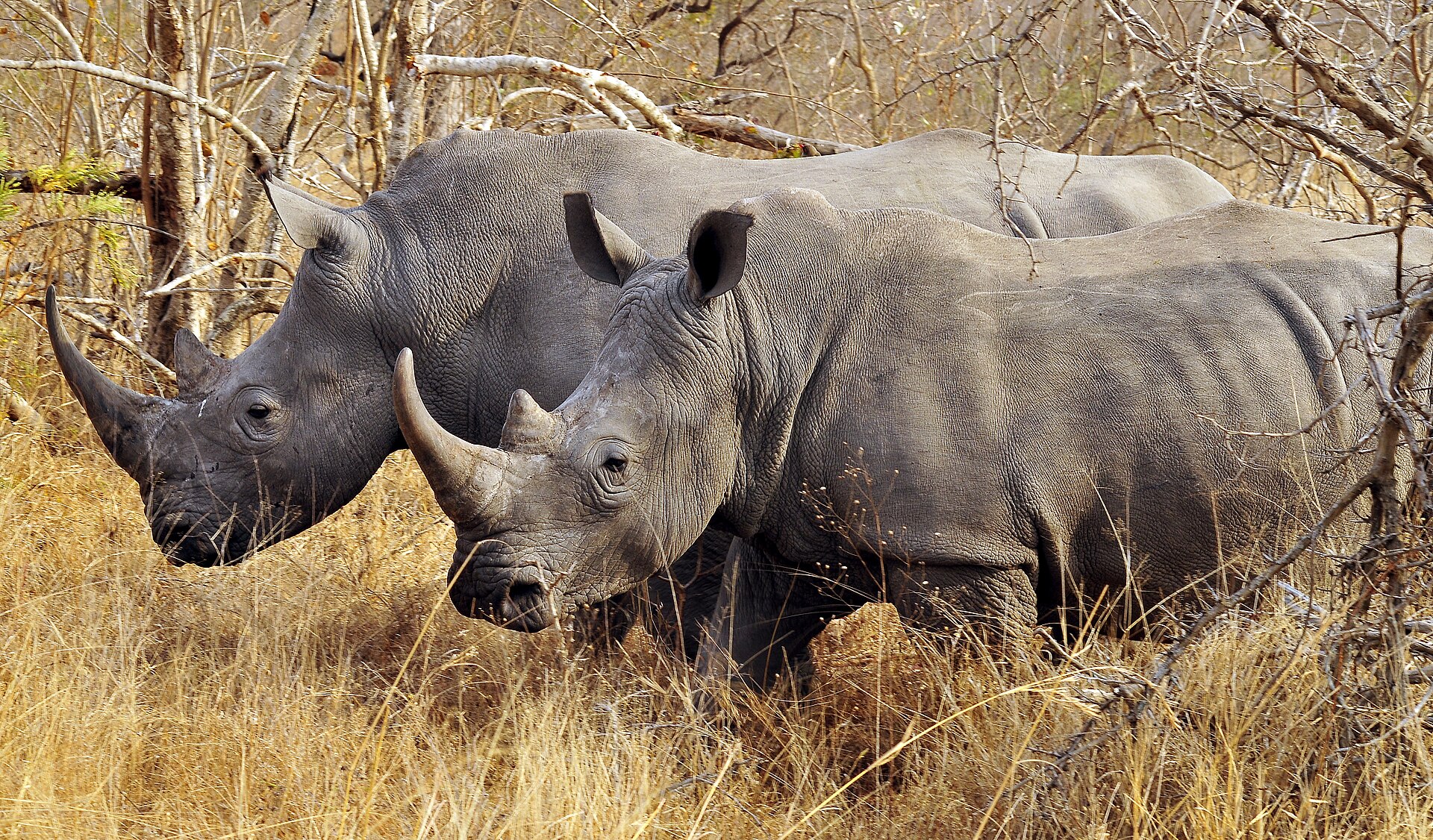
Giraffe and White-Rhino Plasma Showed Robust Differences Across 28 Metabolites
A South African ¹H-NMR study found 28 robust plasma-metabolite differences between giraffes and white rhinoceroses. Giraffes had higher…
Read story →
Veterinary Insecticides Were Found in Great Tit Nests in Both Urban and Protected Forest Habitats
Researchers analysed fur-containing material from 63 Great Tit nests in Hungary. Urban nests contained more insecticides and higher…
Read story →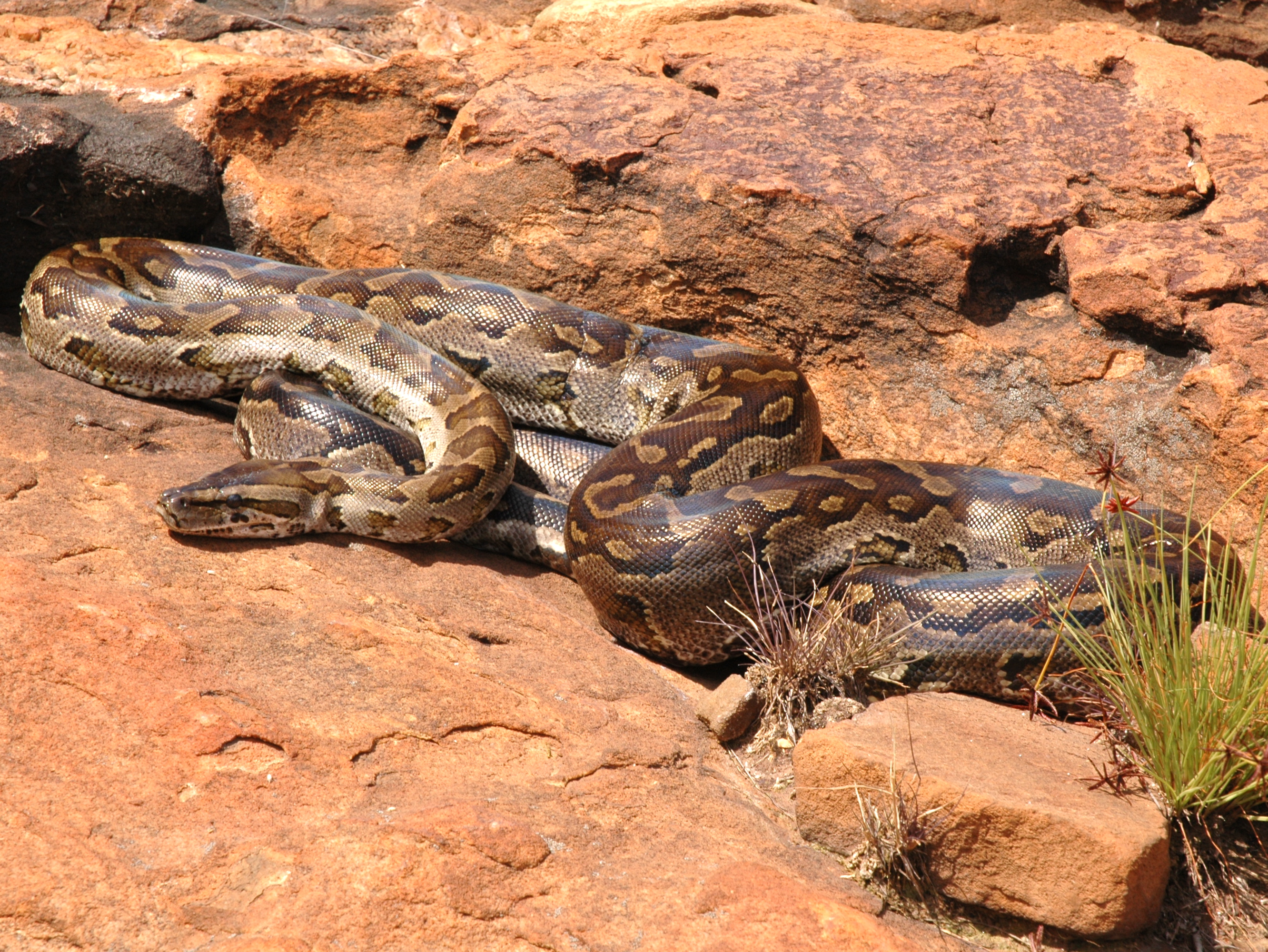
Online Advert Led Police to a Live Southern African Python in North West Province
South African police recovered a live Southern African python in Delareyville after it was allegedly advertised online for…
Read story →SPECIES IN THIS STORY
Species in this story
Independent research and conservation news archive
Did you find this information useful?
Wildlife Vagabond is independently built and maintained. Voluntary support helps cover source verification, hosting and continued work on research and conservation news.
Support Wildlife VagabondThe news archive will remain freely available.