
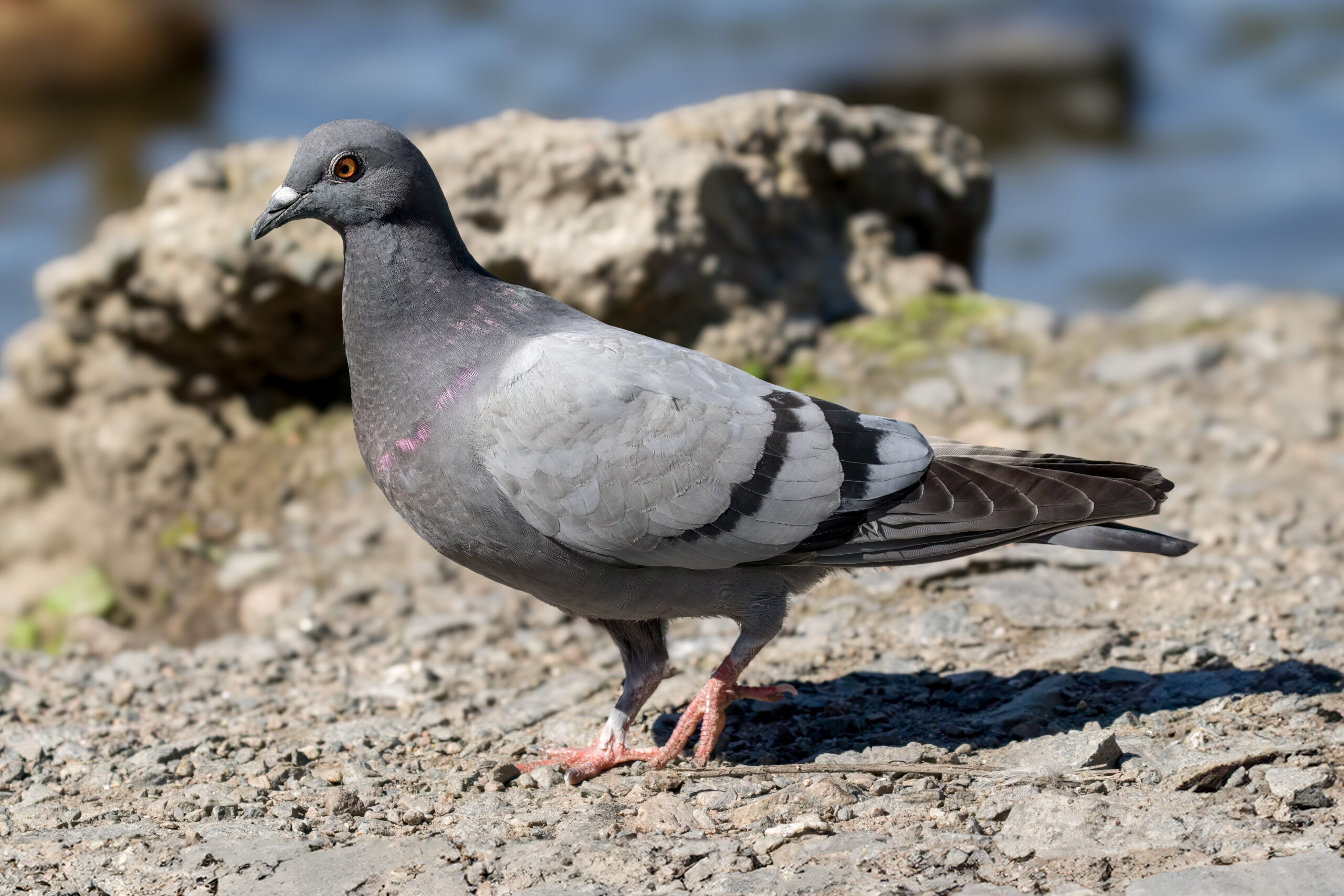
Rock Dove feathers revealed differences in industrial metal pollution in Kazakhstan
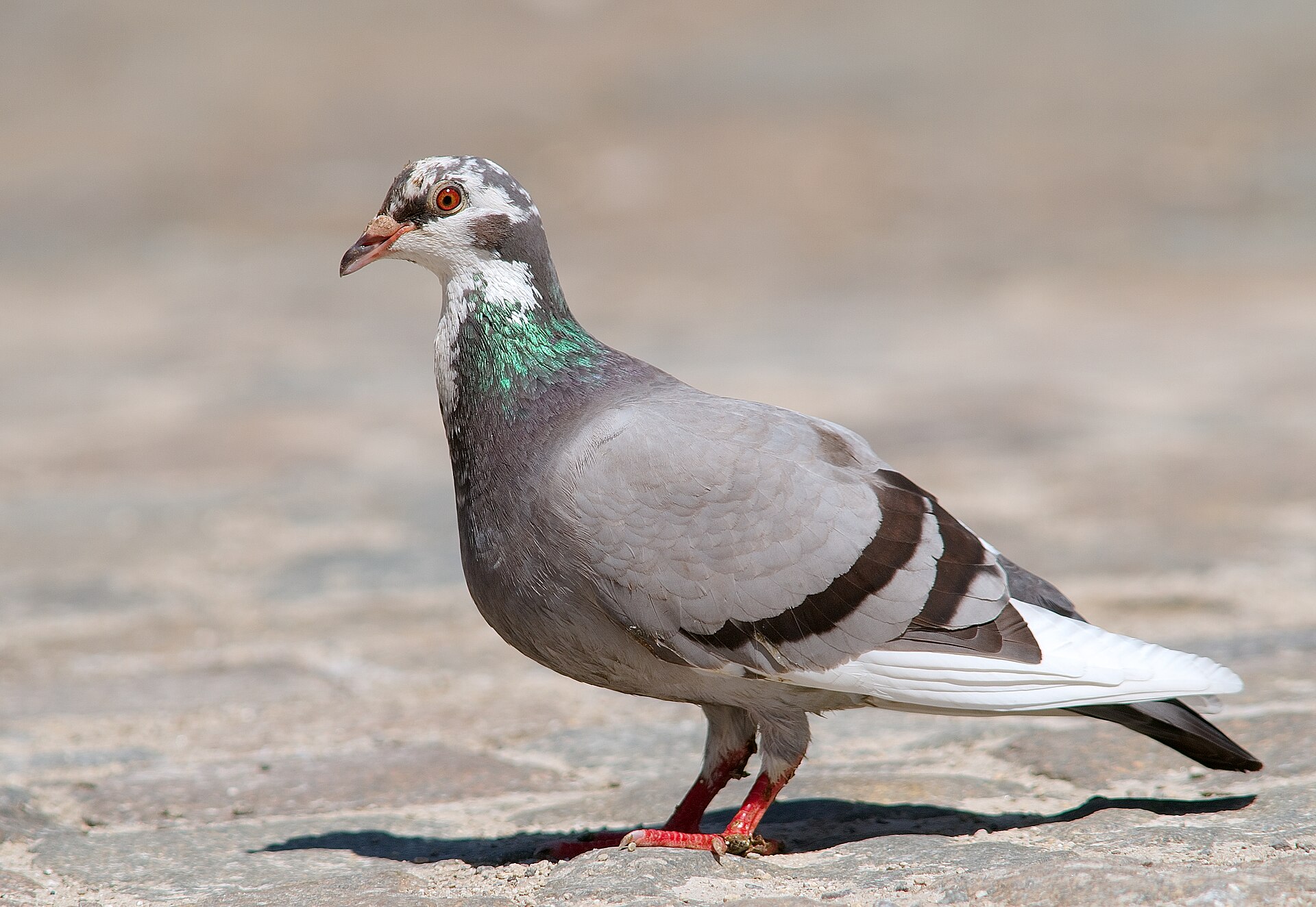
Could feathers from free-living Rock Doves (Columba livia) help distinguish areas with different patterns of industrial metal pollution? In a pilot study, researchers compared feathers from Ust-Kamenogorsk, Pavlodar and Bigash village, a rural-background site in Kazakhstan. They measured 14 metal(loid)s and 10 rare-earth elements, then used the feather profiles to compare industrial pressure across the three settings.
Ust-Kamenogorsk had the highest reported pollution index
The strongest reported contrast was between Ust-Kamenogorsk, a centre of non-ferrous metallurgy, and Pavlodar, associated with coal-fired power generation and oil refining. The total Metal Pollution Index was 11.1 for Ust-Kamenogorsk and 2.3 for Pavlodar—4.8 times higher in the former.
Individual contamination-factor values were especially high in Ust-Kamenogorsk: 26.0 for cadmium, 41.2 for lead and 19.0 for arsenic. The study classed these as very high contamination. In Pavlodar, the values for cadmium and arsenic were both 5.0, and the value for copper was 7.3; these were classed as considerable contamination. These are index values used to compare contamination patterns, not percentages or direct measurements of metal concentrations in the air.
The researchers also compared rare-earth-element profiles, which differed between sites. They reported a pronounced gadolinium peak in Pavlodar, while describing a broader dilution pattern in the profiles as driven by industrial dust. Taken together, the feather measurements distinguished the studied locations, including the rural-background site, from the two industrial centres.
The findings support the proposal that Rock Dove feathers could be useful in future biomonitoring of industrial areas in Kazakhstan. But this pilot study does not establish a long-term monitoring programme: its feather indices do not by themselves show ambient-air concentrations, identify pollution sources or reveal effects on the birds’ health.
Ecology
Related news
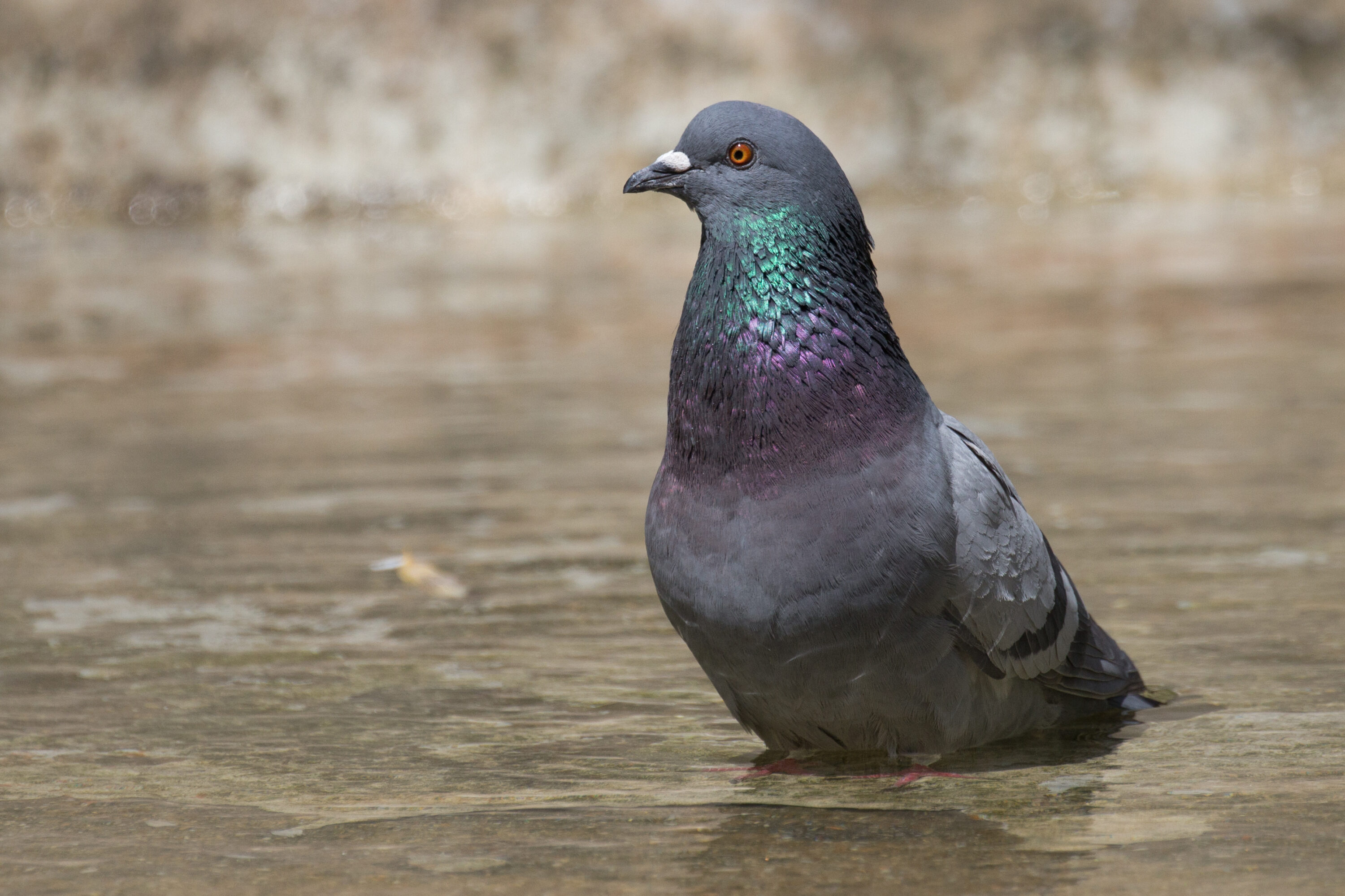
Rock Doves Preferred Predictive Information Despite a Lower Food Payoff
Seven rock doves preferred an informative option that paid on 20% of trials over a non-informative option that…
Read story →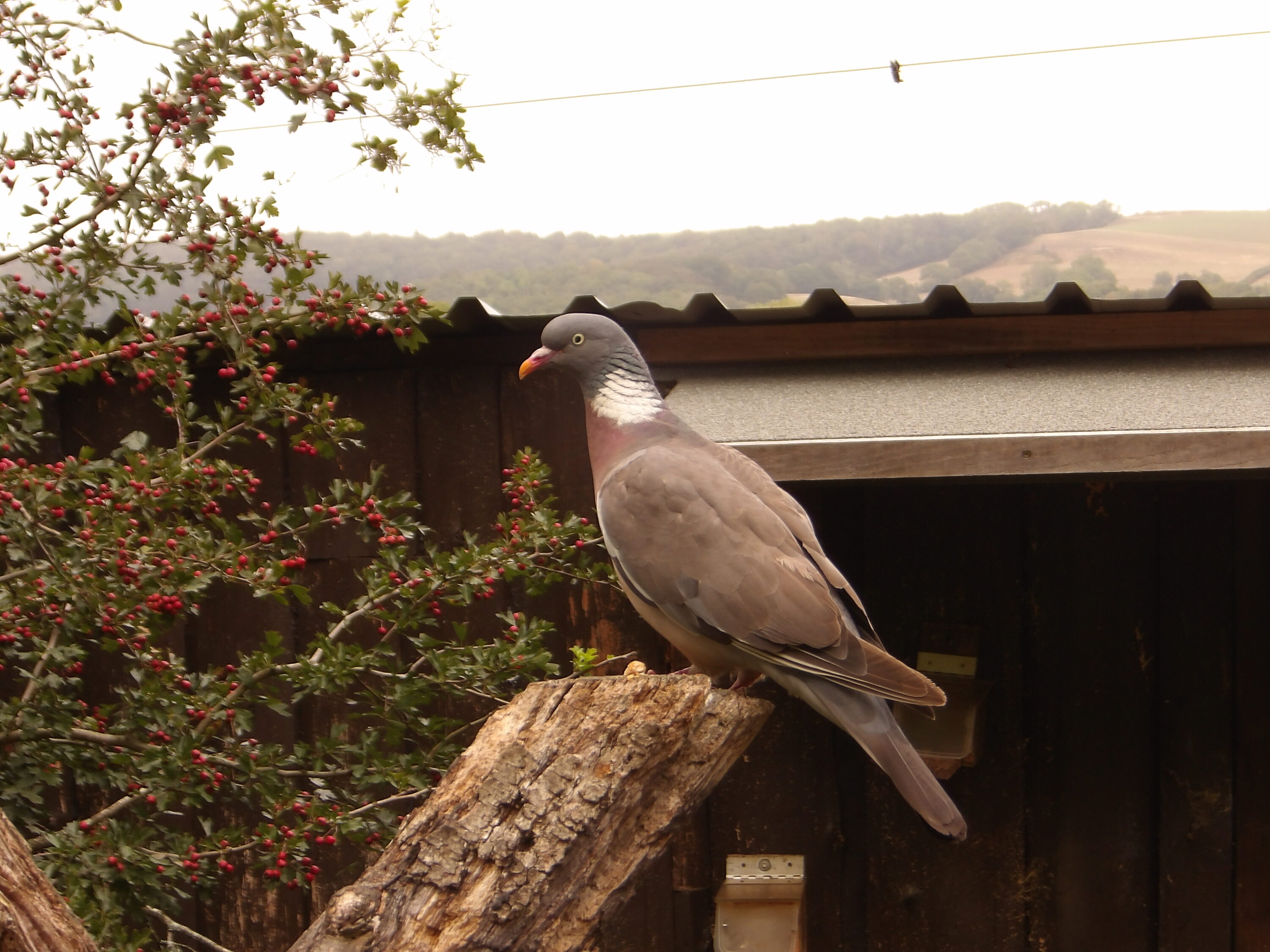
Rotavirus A Antibodies Were Common in Feral Pigeon Samples but Rare in Wood-Pigeon Samples in Germany
A German study detected rotavirus A-reactive antibodies in 79.2% of free-ranging feral pigeons and 77.0% of domestic pigeons,…
Read story →
New Shiqi Pigeon Genome Placed 97.8% of Its Sequence on 41 Chromosomes
A chromosome-level genome from a female Shiqi pigeon in Zhongshan, China spans about 1.24 billion DNA bases, places…
Read story →SPECIES IN THIS STORY
Species in this story
Independent research and conservation news archive
Did you find this information useful?
Wildlife Vagabond is independently built and maintained. Voluntary support helps cover source verification, hosting and continued work on research and conservation news.
Support Wildlife VagabondThe news archive will remain freely available.