
Female Tigers Returned More Often and Stayed Longer Than Males in Panna
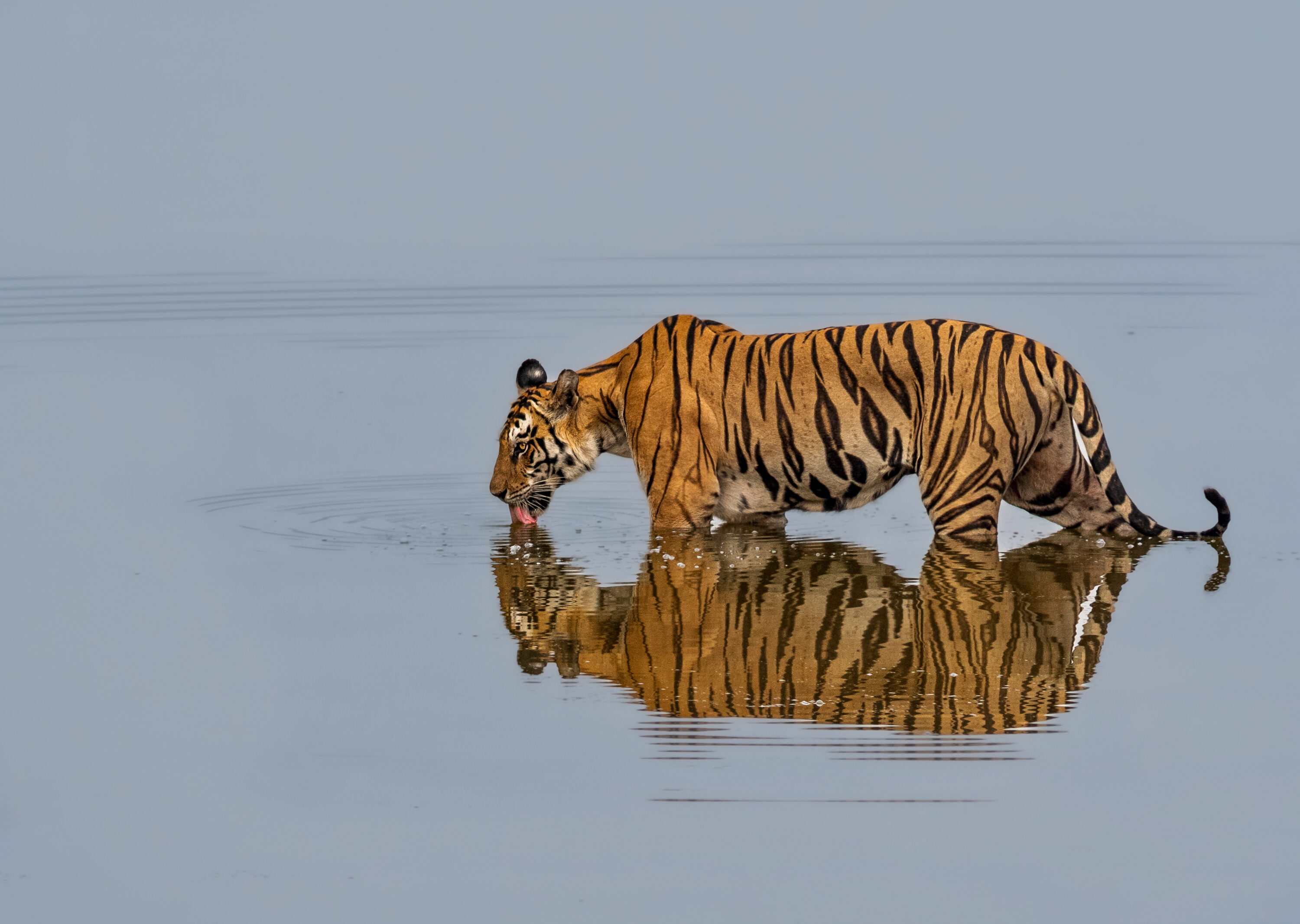
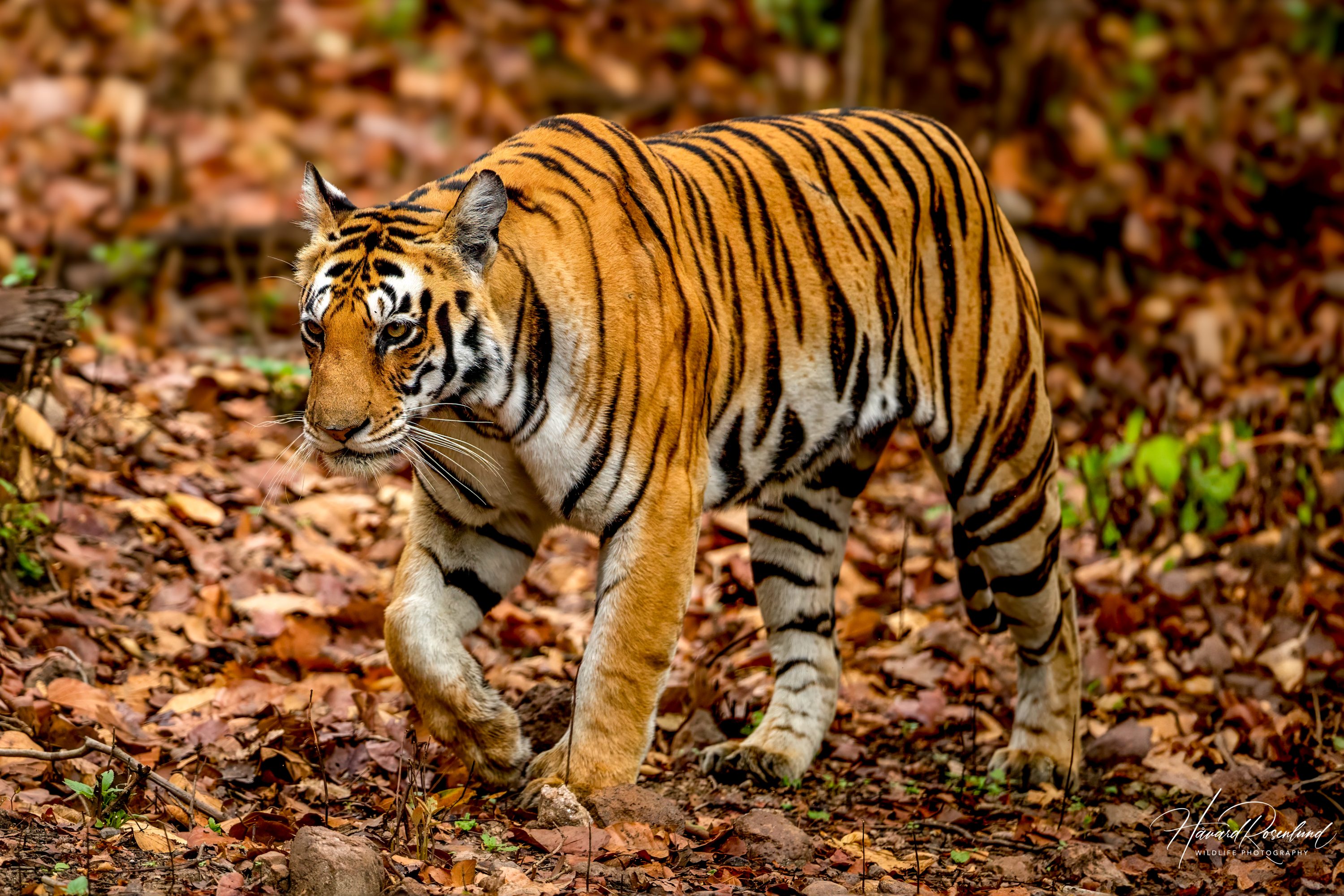
Female tigers (Panthera tigris) in Panna Tiger Reserve, India returned to the same parts of their home ranges more often and stayed there longer than males. The study analysed recursive space use — repeated return to and prolonged use of particular places — using continuous GPS data from 12 resident tigers across summer, monsoon and winter.
Females repeatedly used focal areas more intensively
The researchers measured revisitation rate and residence time separately because they describe different dimensions of space use: how often a tiger comes back and how long it remains after arriving. Recursive-use patches were quantified within a 250-metre analytical neighbourhood. That scale allowed repeated use to be compared consistently, but it does not mean that every 250-metre patch represented one specific behaviour such as hunting, resting or scent marking.
Females had higher descriptive revisitation and residence-time values in every season. In summer, females revisited focal areas an average of 11.14 times compared with 5.70 for males, and stayed for 14.36 hours on average compared with 9.80 hours for males. Revisitation was lowest during the monsoon, at 8.88 for females and 3.68 for males. The seasonal pattern therefore affected both sexes, but the difference between females and males remained.
No single habitat feature explained recurrent use
Revisited sites were non-random with respect to vegetation, water, topography and human-use interfaces. Tree-canopy height produced the strongest simple separation between revisited and available locations, while distance to villages and water showed intermediate differences. However, the detailed models were often non-linear and differed by sex, season and metric. A factor associated with frequent return was not necessarily associated with a long residence time, and canopy height was not a universal predictor of stronger use.
Individual tigers differed strongly
Much of the remaining variation was tied to individual tiger identity rather than the measured environmental variables alone. The authors therefore interpret recursive space use as a distinct dimension of tiger ecology: repeatedly used places can be disproportionately important within a home range, but their function must be investigated rather than assumed. The study does not distinguish whether particular recurrent-use sites served mainly as route junctions, marking areas, resting sites, hunting areas or combinations of these functions.
The biological sample comprised 12 resident tigers, but only three were males. Intensive repeated tracking strengthens the within-individual and seasonal analyses, yet the authors caution that sex-specific interpretations — especially for males — should remain tentative rather than being treated as precise population-wide differences.
Ecology
Related news
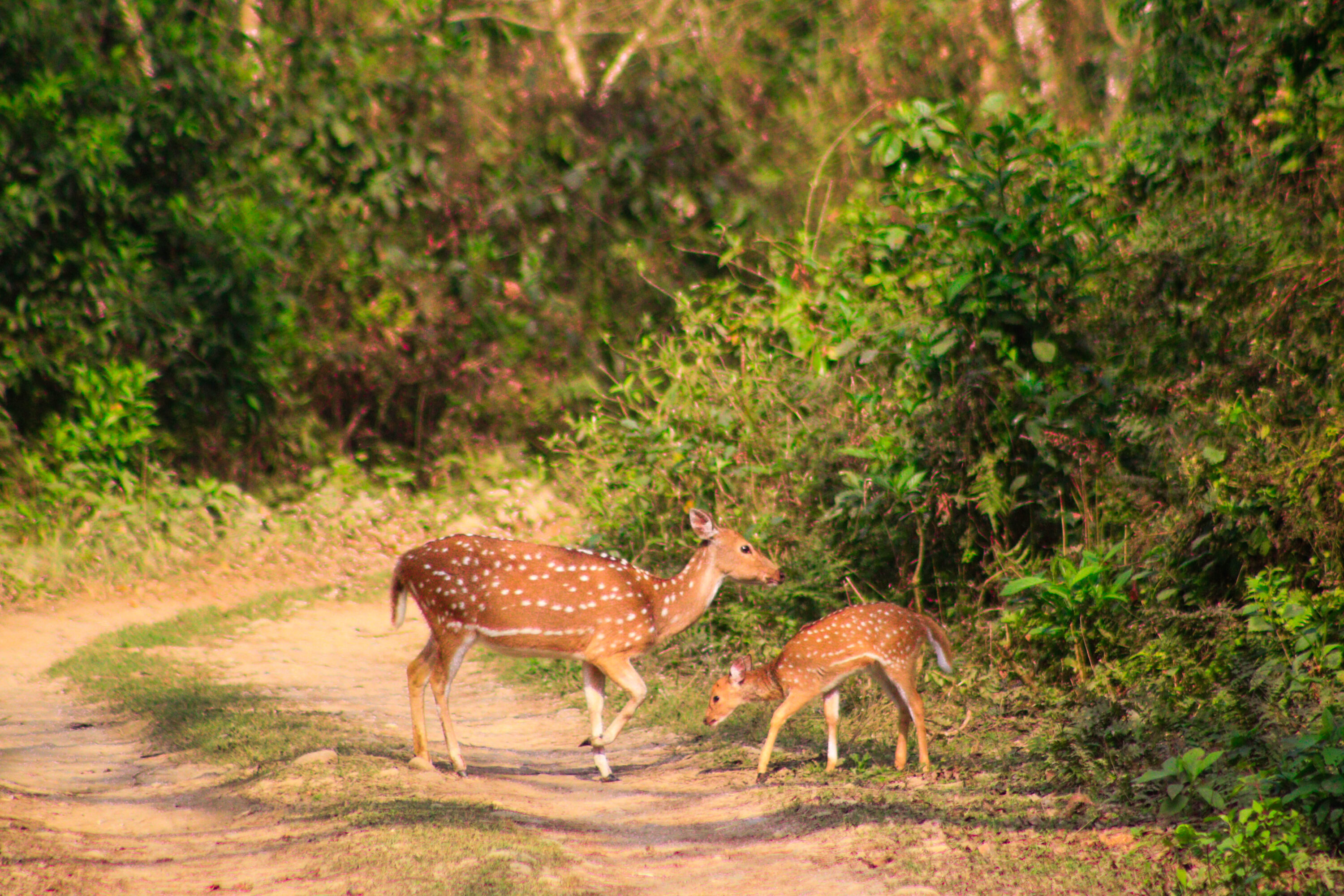
Human Activity and Large Wildlife Overlapped Most in Chitwan’s Buffer Zone
Camera traps across Chitwan National Park and surrounding forests showed the greatest overlap of human activity with large…
Read story →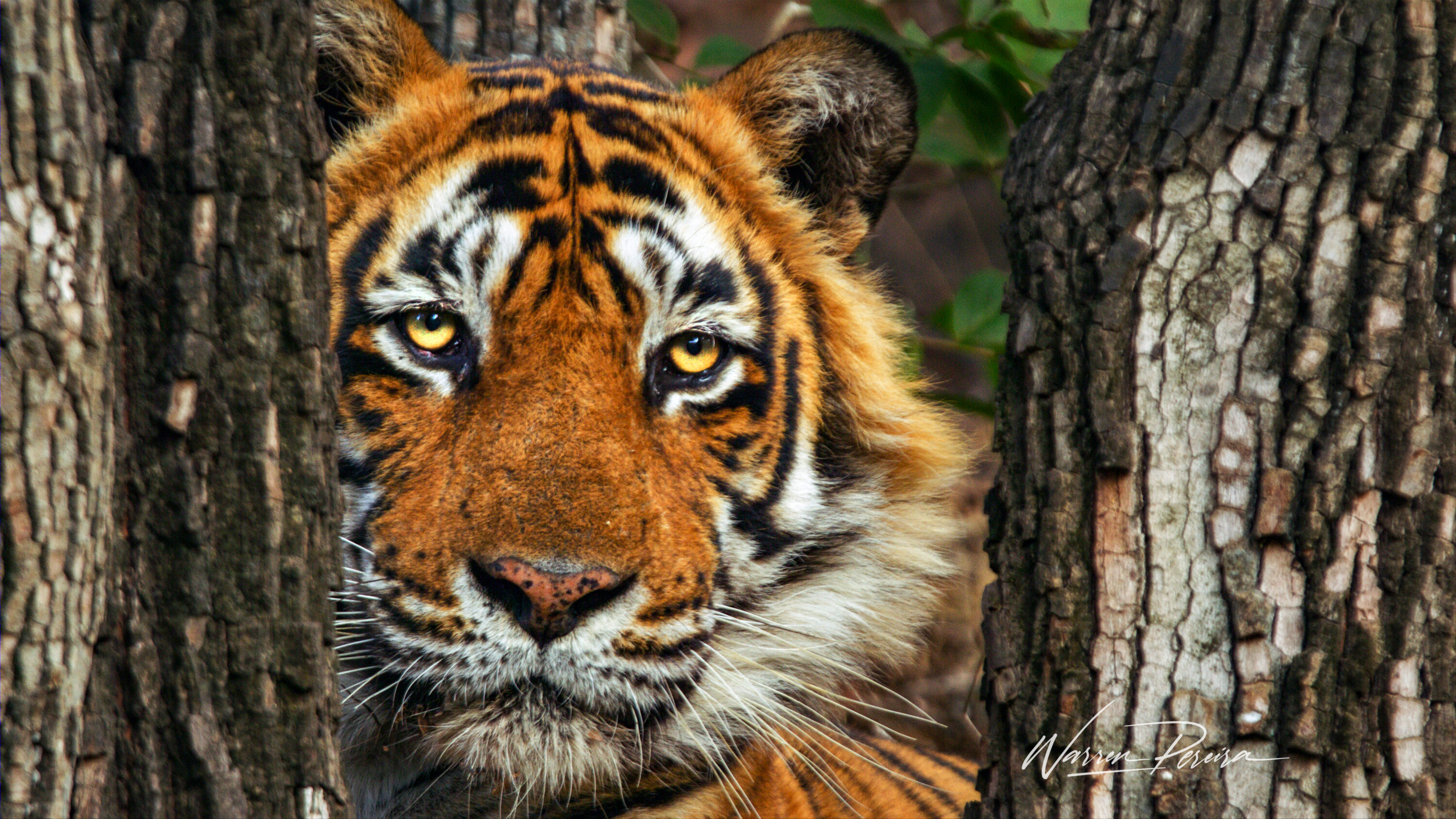
India launches a new evaluation cycle for its 58 tiger reserves
India’s sixth management effectiveness evaluation is planned to cover all 58 tiger reserves. The new cycle adds solid…
Read story →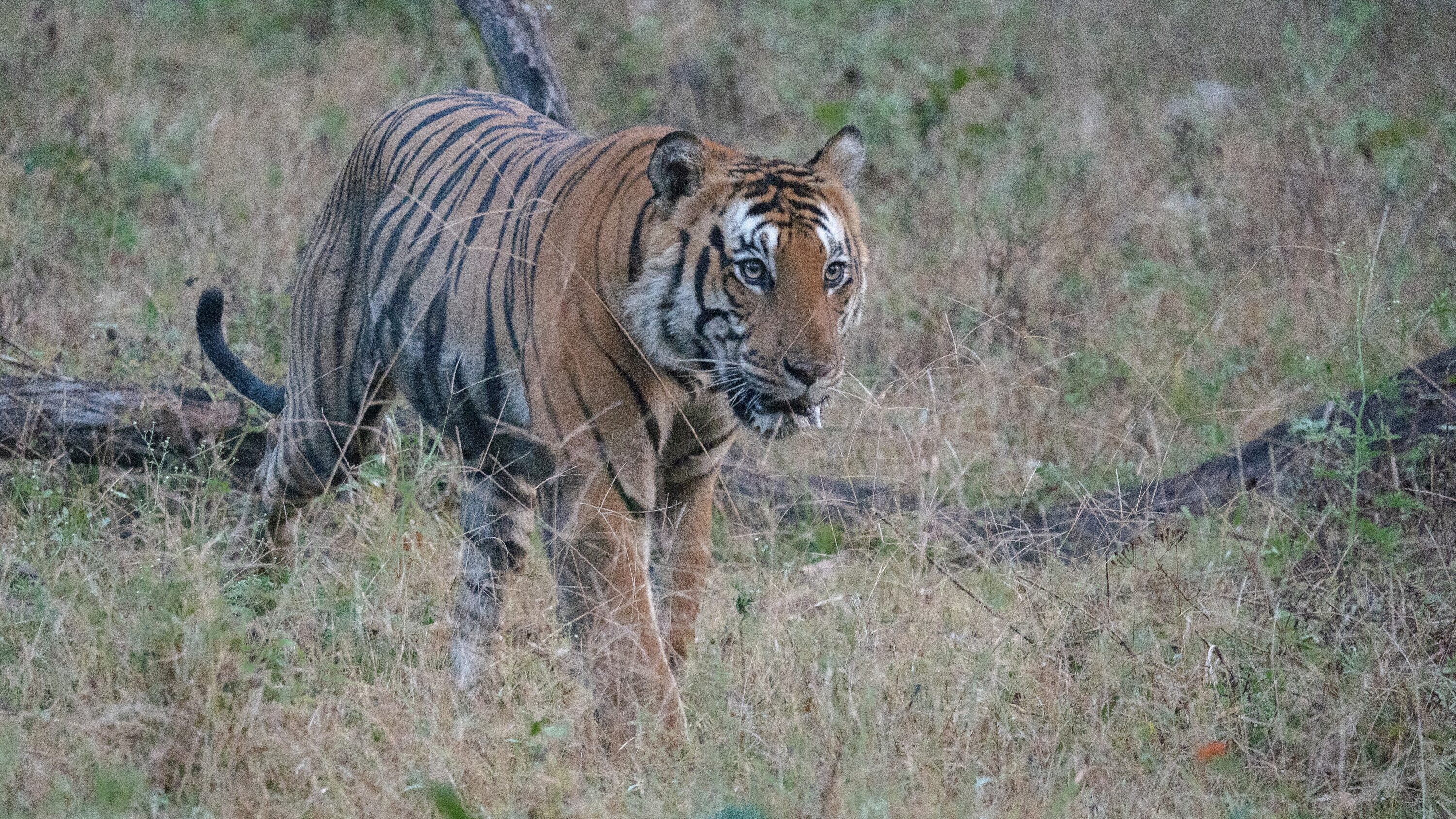
One Male Tiger Confirmed in Bhutan’s Biological Corridor 7
A 5,144-trap-night survey photographed one adult male tiger at two stations in Bhutan’s Biological Corridor 7, confirming use…
Read story →SPECIES IN THIS STORY
Species in this story
Independent research and conservation news archive
Did you find this information useful?
Wildlife Vagabond is independently built and maintained. Voluntary support helps cover source verification, hosting and continued work on research and conservation news.
Support Wildlife VagabondThe news archive will remain freely available.