
Tooth Microwear Suggested a Less Diverse Winter Diet in Finnish Reindeer
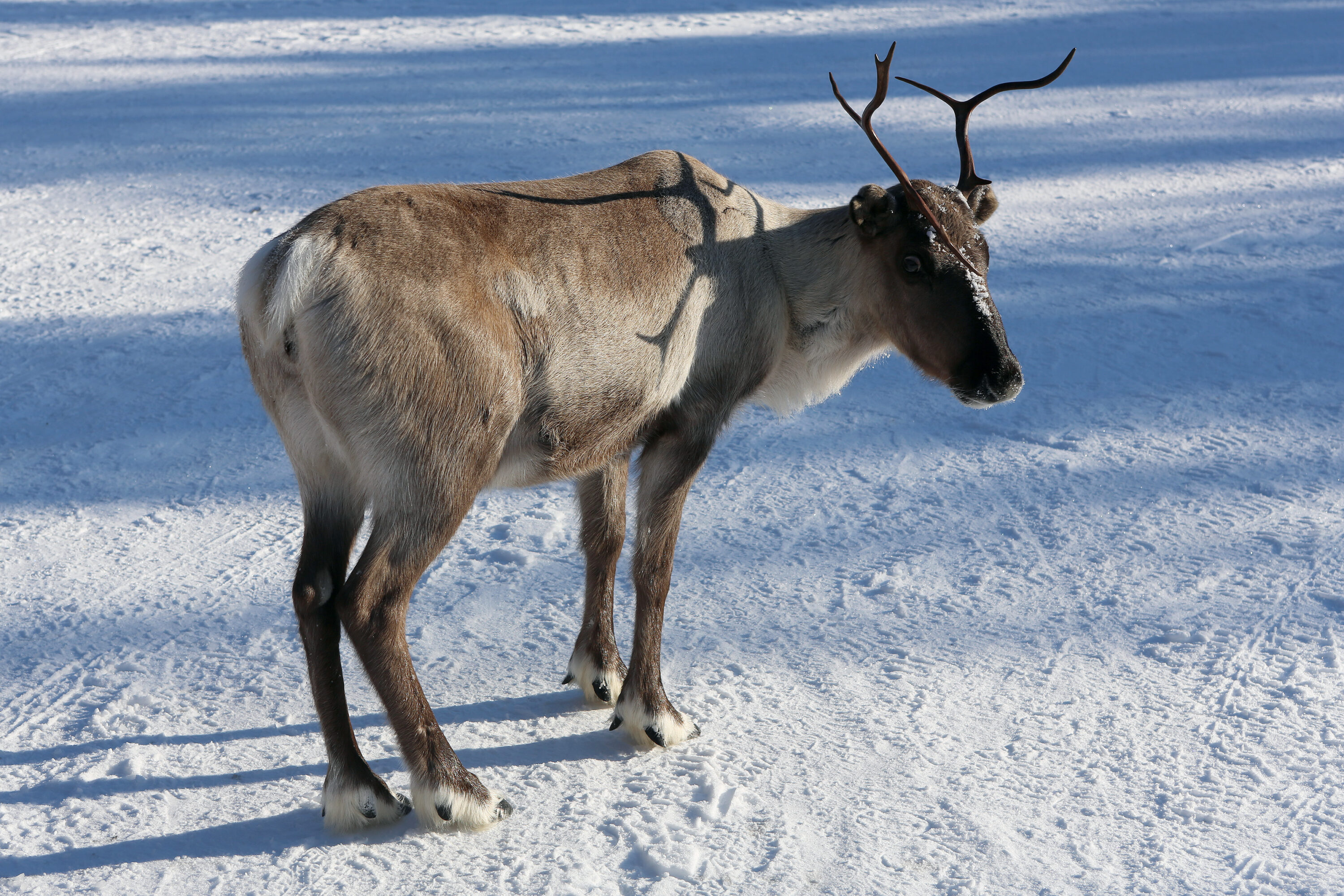
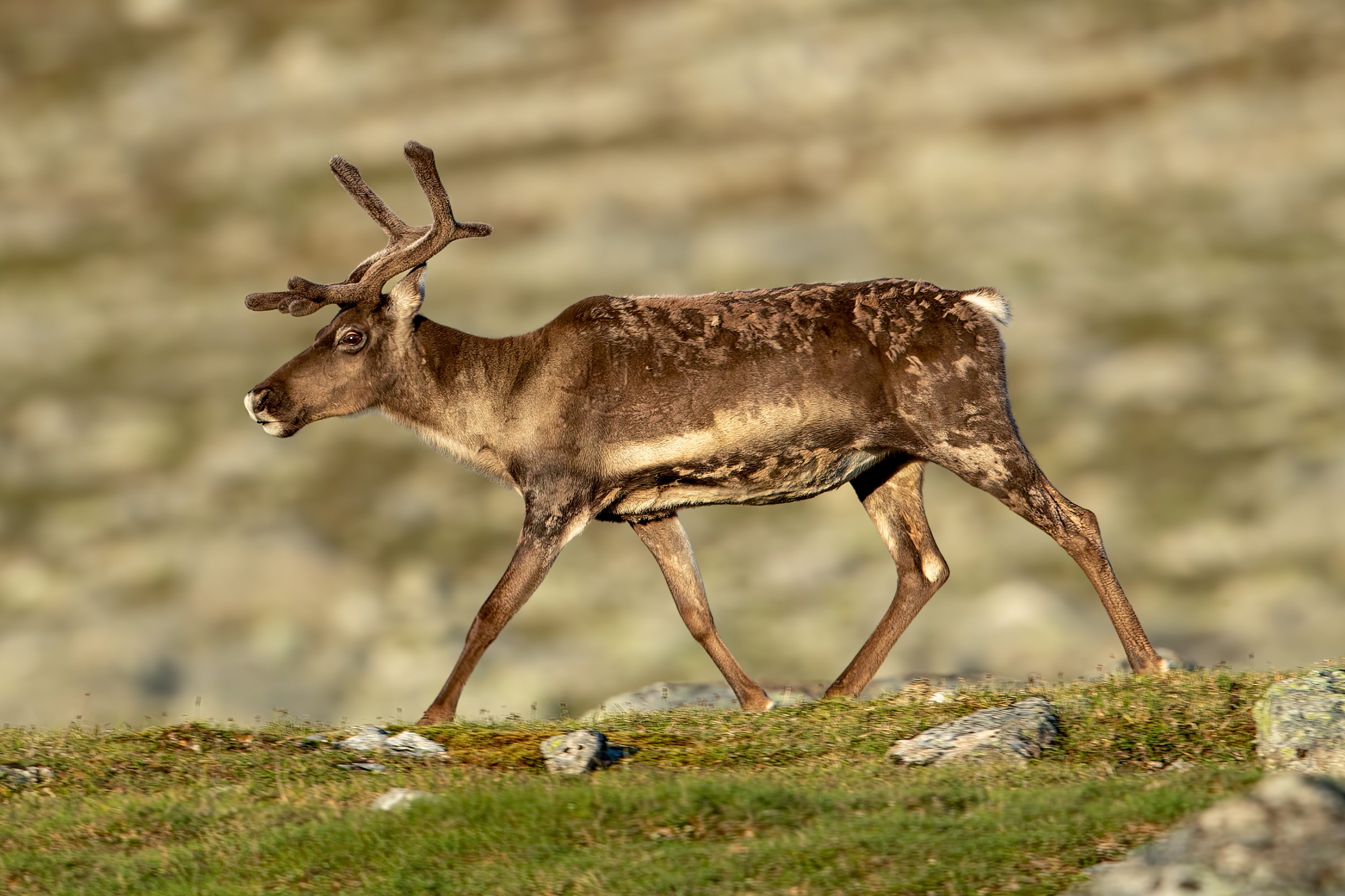
Microscopic wear on the teeth of 99 adult reindeer (Rangifer tarandus) from five Finnish populations indicated a seasonal shift toward a less varied winter diet, according to a study published in February 2026. The material included wild forest reindeer (R. t. fennicus) from Kuhmo and Perho and semi-domesticated reindeer (R. t. tarandus) from Kuusamo, Finland, Enontekiö and Savukoski.
The researchers used dental microwear texture analysis, which measures three-dimensional patterns created on tooth enamel by food. The final sample contained 30 wild forest reindeer from Kuhmo, 12 from Perho, 12 semi-domesticated animals from Kuusamo, 25 from Enontekiö and 20 from Savukoski.
Season mattered more than sex or subspecies
Microwear did not differ significantly between the two subspecies, between males and females or among populations sampled in the same season. In the seasonal comparison, winter animals showed higher anisotropy — meaning that microscopic scars were more strongly oriented in the same direction — and lower heterogeneity, meaning less variation in surface complexity across the tooth. Because higher heterogeneity is generally associated with a more diverse diet, the authors interpret this combination as a less varied winter diet with increased lichen consumption.
Season and locality could not be fully separated
That seasonal interpretation has an important limitation: the autumn and winter specimens came from different localities, so season and location could not be fully separated. The authors therefore call for samples from the same populations across multiple seasons to test the dietary shift more directly.
Compared with other modern European reindeer reference populations, the Finnish animals had a distinctive combination of microwear traits. The authors argue that the pattern is more consistent with environmental adaptation and shared forest habitats than with subspecies identity alone.
Ecology
Related news
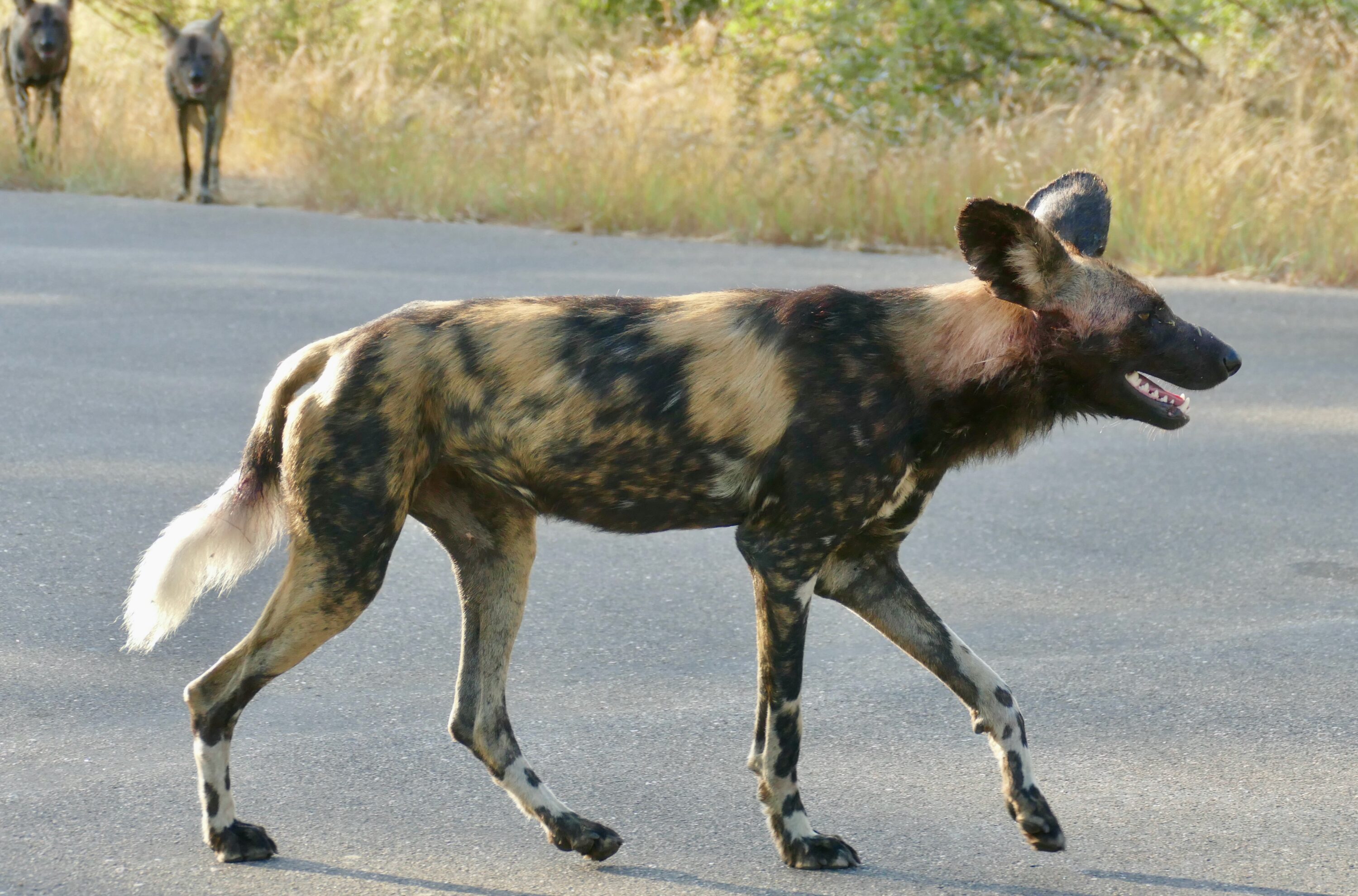
Gut Microbiomes Across Nine Kruger Mammals Clustered More Strongly by Dietary Group Than Species
A study of 89 quality-filtered faecal samples from nine wild mammals in Kruger National Park found that carnivores,…
Read story →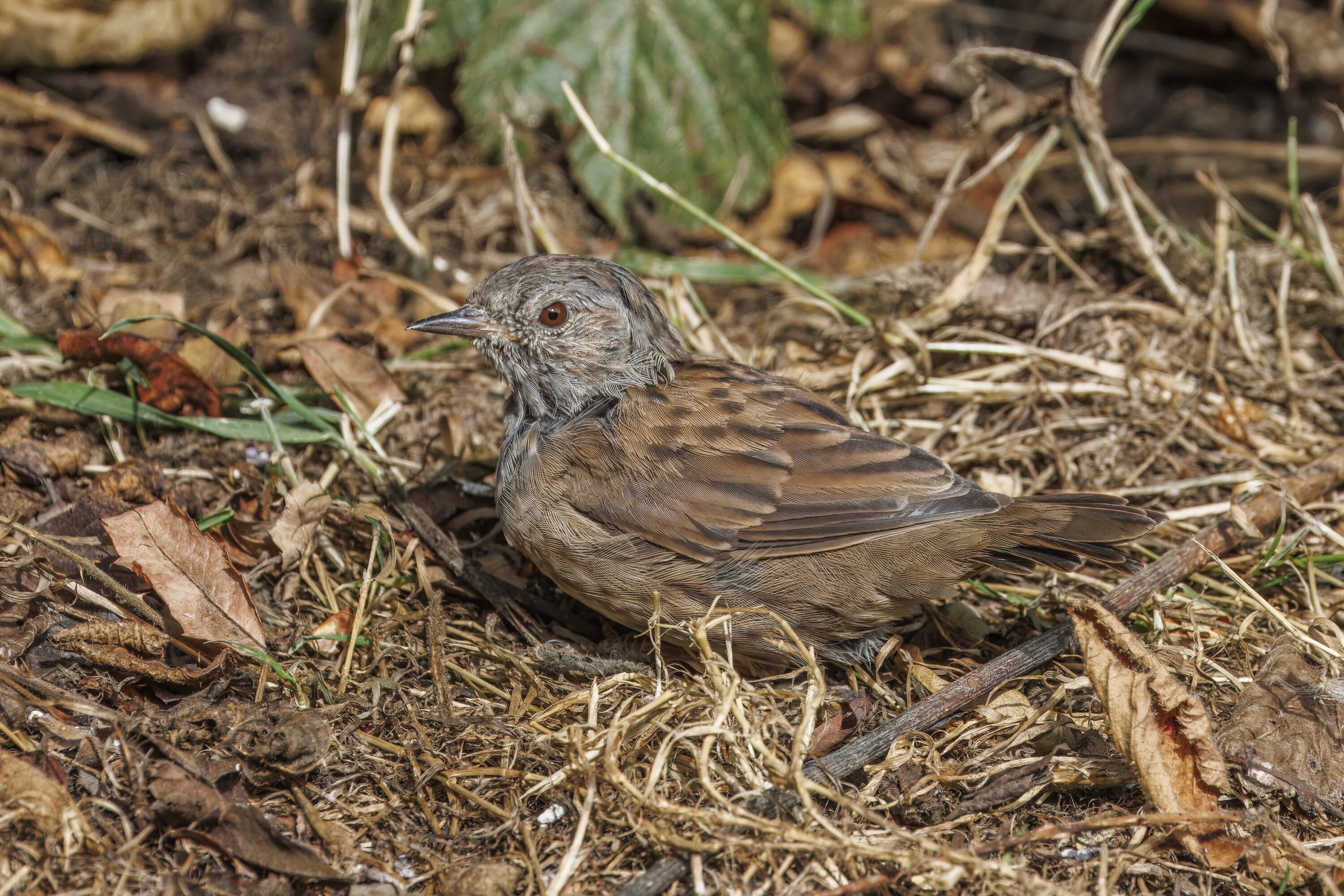
Dunnock Spring Passage Advanced by Up to 8.3 Days Over 61 Years at Hel
Standardised ringing data from northern Poland showed that the first, median and last phases of dunnock spring passage…
Read story →
Inland Mute Swans Had Higher Winter Body Condition Despite Harsher Winters and Supplemental Feeding
A study of 853 mute swans from four Polish wintering regions found higher body condition inland than on…
Read story →SPECIES IN THIS STORY
Species in this story
Independent research and conservation news archive
Did you find this information useful?
Wildlife Vagabond is independently built and maintained. Voluntary support helps cover source verification, hosting and continued work on research and conservation news.
Support Wildlife VagabondThe news archive will remain freely available.