
First Genomes for Seven Western Ghats Bird Species Recovered Over 97% of Expected Conserved Genes
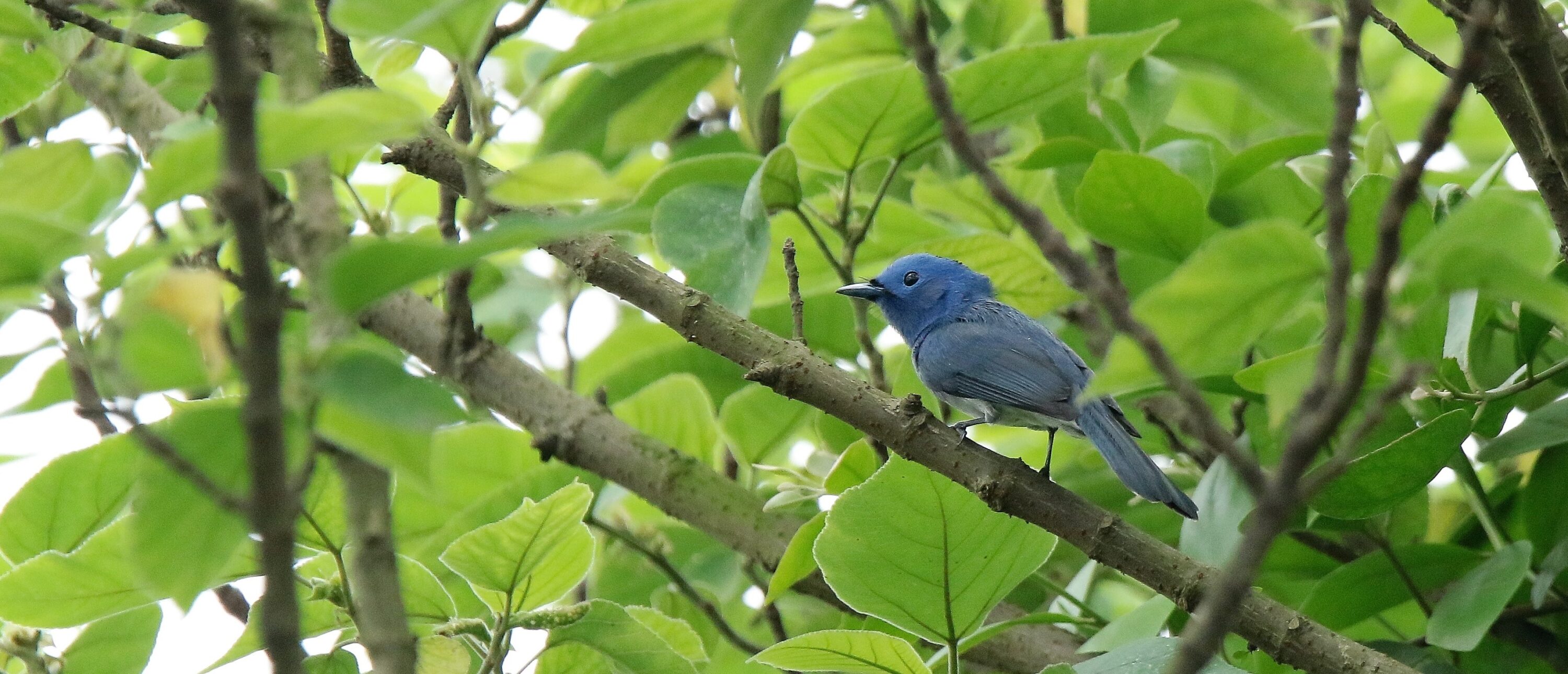
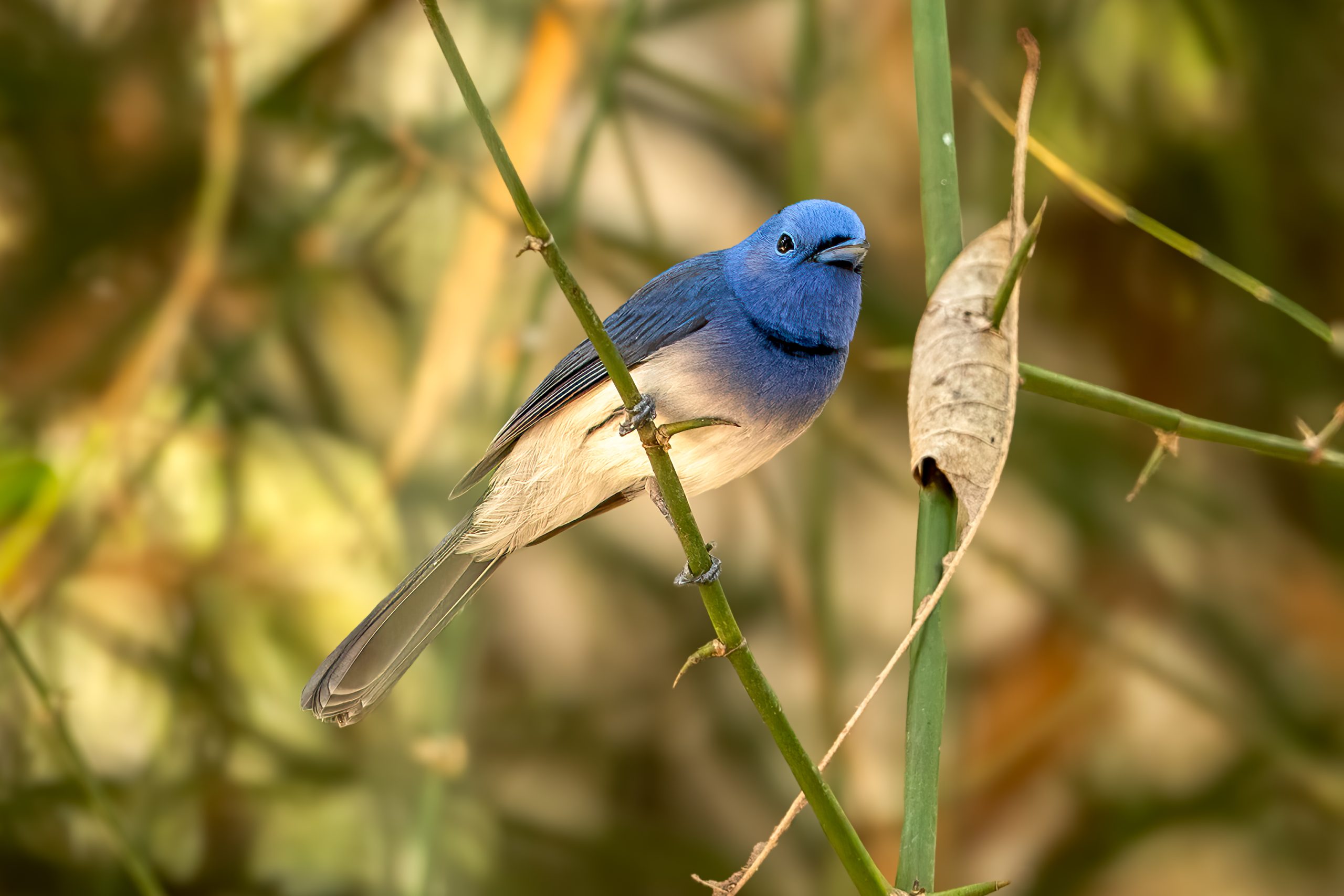
A study first published in Molecular Ecology Resources on 15 July 2026 produced the first de novo genome assemblies—genomes built from each species’ own sequence data rather than from an existing reference—and functional annotations for seven bird species representing seven families strongly associated with the Western Ghats of India. The species were black-naped monarch (Hypothymis azurea), Indian yellow tit (Machlolophus aplonotus), brown-cheeked fulvetta (Alcippe poioicephala), Malabar trogon (Harpactes fasciatus), blue-bearded bee-eater (Nyctyornis athertoni), Malabar whistling-thrush (Myophonus horsfieldii) and orange-headed thrush (Geokichla citrina).
The researchers collected blood samples from wild birds across the Western Ghats and combined Oxford Nanopore long reads with Illumina short reads to assemble and polish the genomes. Long reads help connect larger stretches of the genome, while short reads help correct sequence-level errors. Before the study, none of the seven focal species had an available genome assembly.
All seven assemblies recovered more than 97% of conserved bird genes
The final nuclear assemblies ranged from about 1.03 to 1.13 billion DNA base pairs. All recovered 97.6–98.9% of the 8,337 avian BUSCO genes used to assess completeness. BUSCO asks how many highly conserved genes that are expected to occur as single copies in birds are recovered in an assembly, so the high scores indicate that most of the expected conserved gene content was present.
The genomes were relatively contiguous but not chromosome-level
The assemblies were also relatively contiguous rather than broken into many short pieces. Scaffolds are larger sequence blocks assembled from shorter pieces, and comparison with avian genomes already available through NCBI showed that the seven new genomes were clearly less fragmented overall. The researchers also assigned likely biological functions to many predicted genes, although the authors note that functional annotation recovery was lower than expected and could be improved with RNA sequencing from multiple tissues.
The authors describe the assemblies as adequate for most molecular-ecology applications, but not yet chromosome-level reference genomes. They argue that the new resources fill an important geographic and taxonomic gap and can support future studies of population structure, biogeography, adaptation, genome evolution and conservation genomics in South Asian birds.
Genetics & genomics
Related news
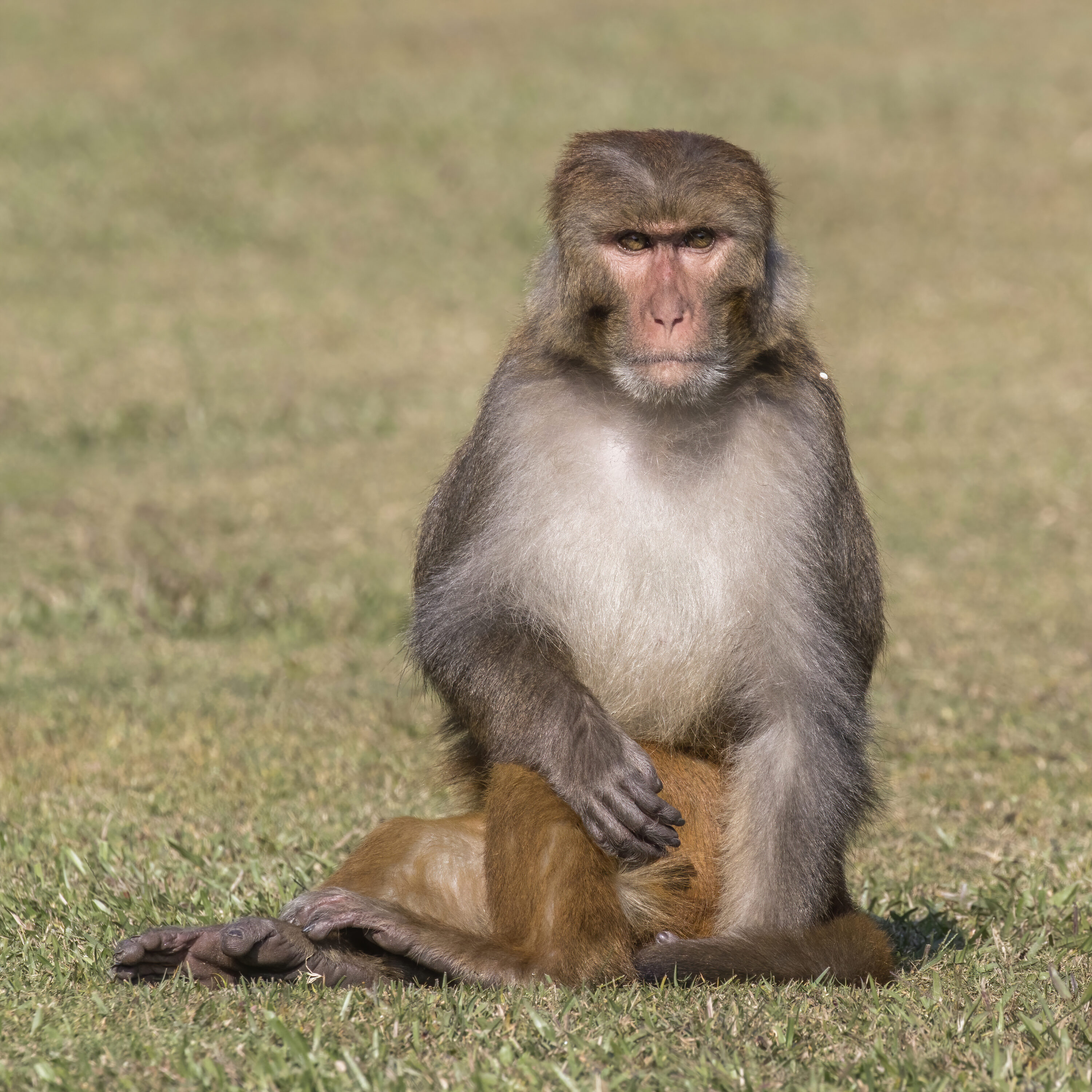
mFISH Mapped 16 of 22 Rhesus Macaque Chromosome Types to a Single Human Chromosome
Human chromosome-painting probes showed one-to-one homology for 16 of 22 rhesus macaque chromosome types, while three macaque chromosomes…
Read story →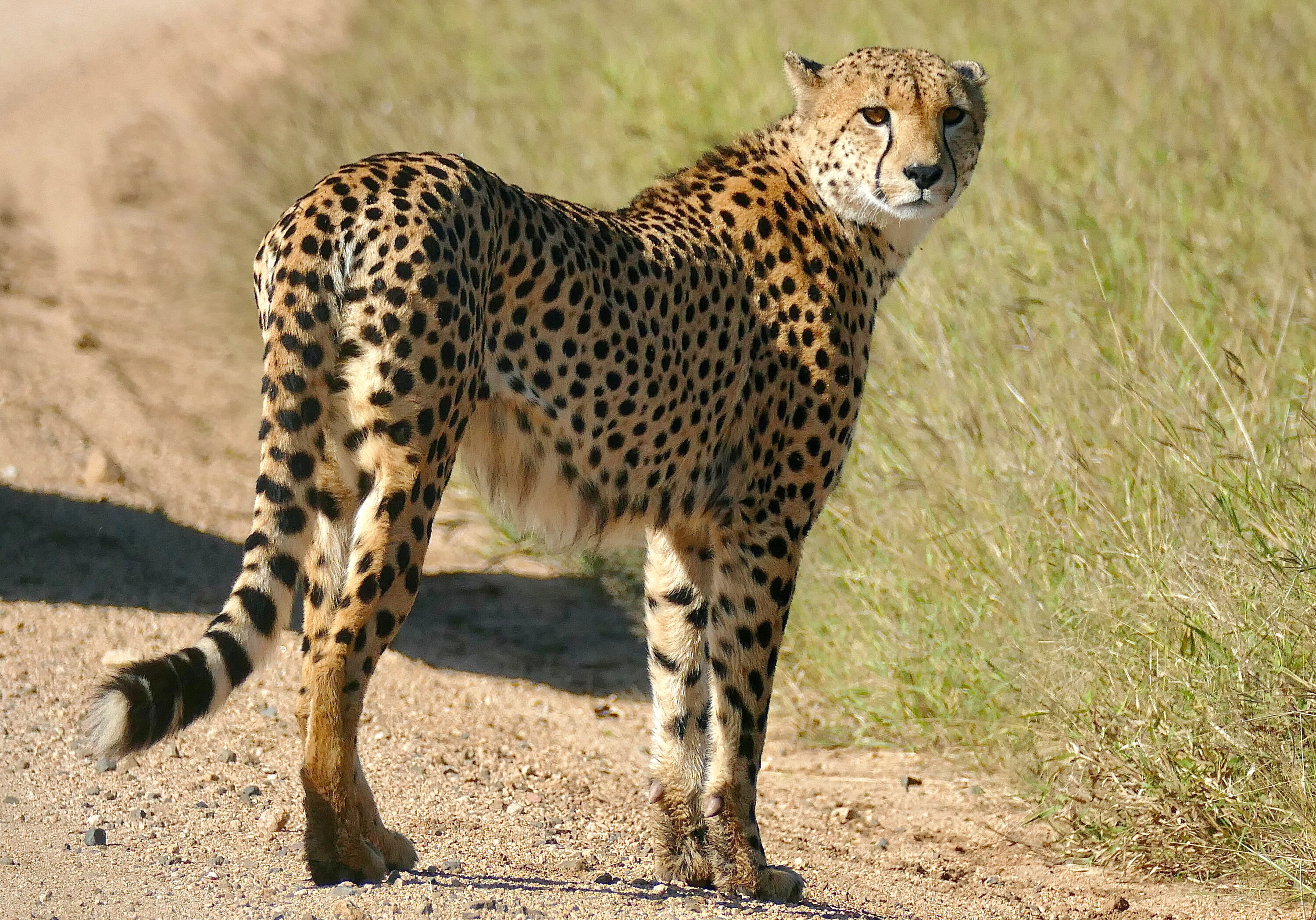
DNA Methylation Shifted as Namibian Male Cheetahs Became Territorial
Paired blood samples from ten free-ranging Namibian males revealed widespread, predominantly increased DNA methylation after the same cheetahs…
Read story →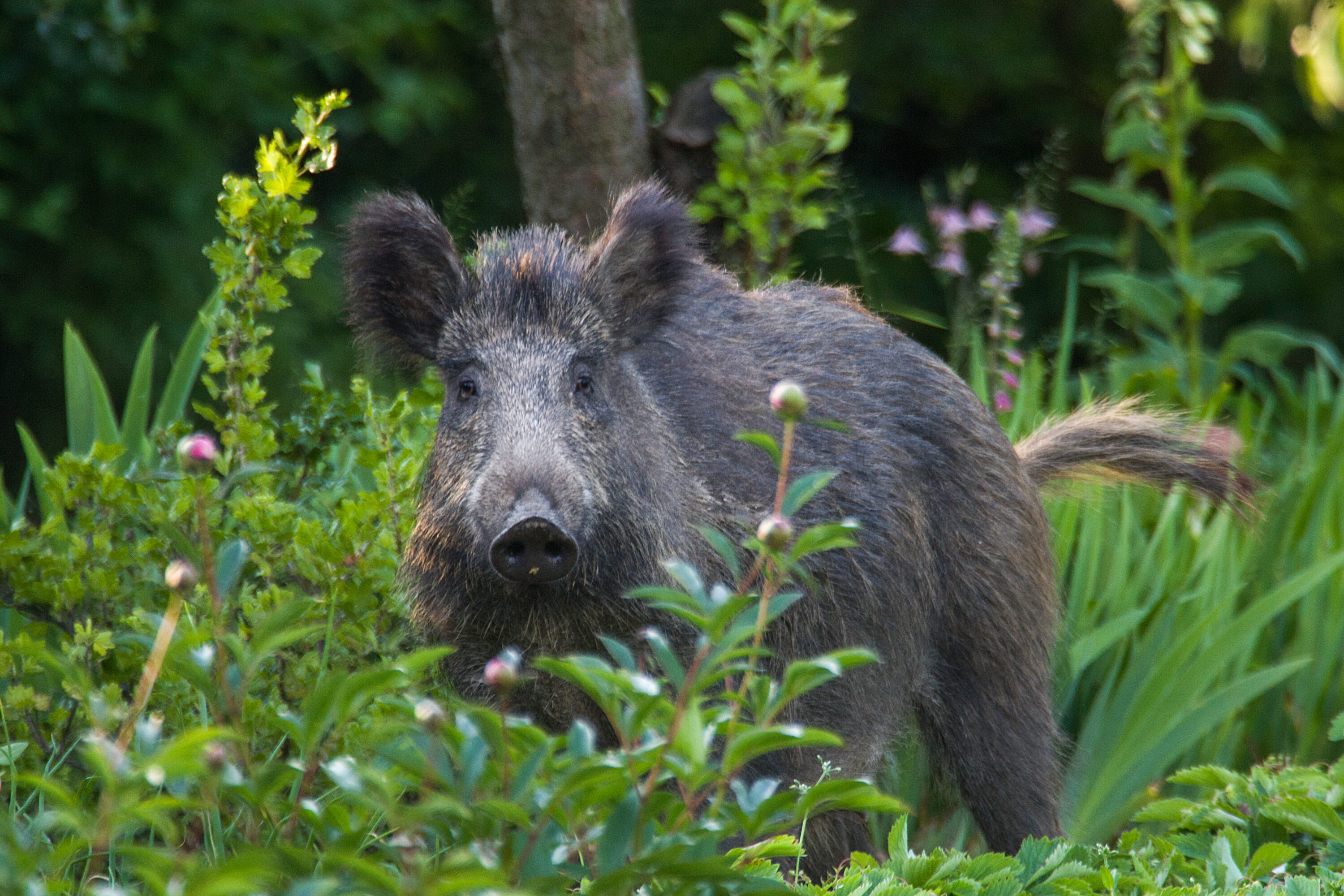
Zoonotic Sarcocystis Found in 3.3% of Polish Wild Boar Hunted for Food
Molecular testing of 241 wild boar from all 16 Polish provinces found Sarcocystis miescheriana DNA in 90% and…
Read story →SPECIES IN THIS STORY
Species in this story
Independent research and conservation news archive
Did you find this information useful?
Wildlife Vagabond is independently built and maintained. Voluntary support helps cover source verification, hosting and continued work on research and conservation news.
Support Wildlife VagabondThe news archive will remain freely available.