
Mugger Crocodile Habitat Use in the Moyar River Was Most Closely Linked to Fish Biomass
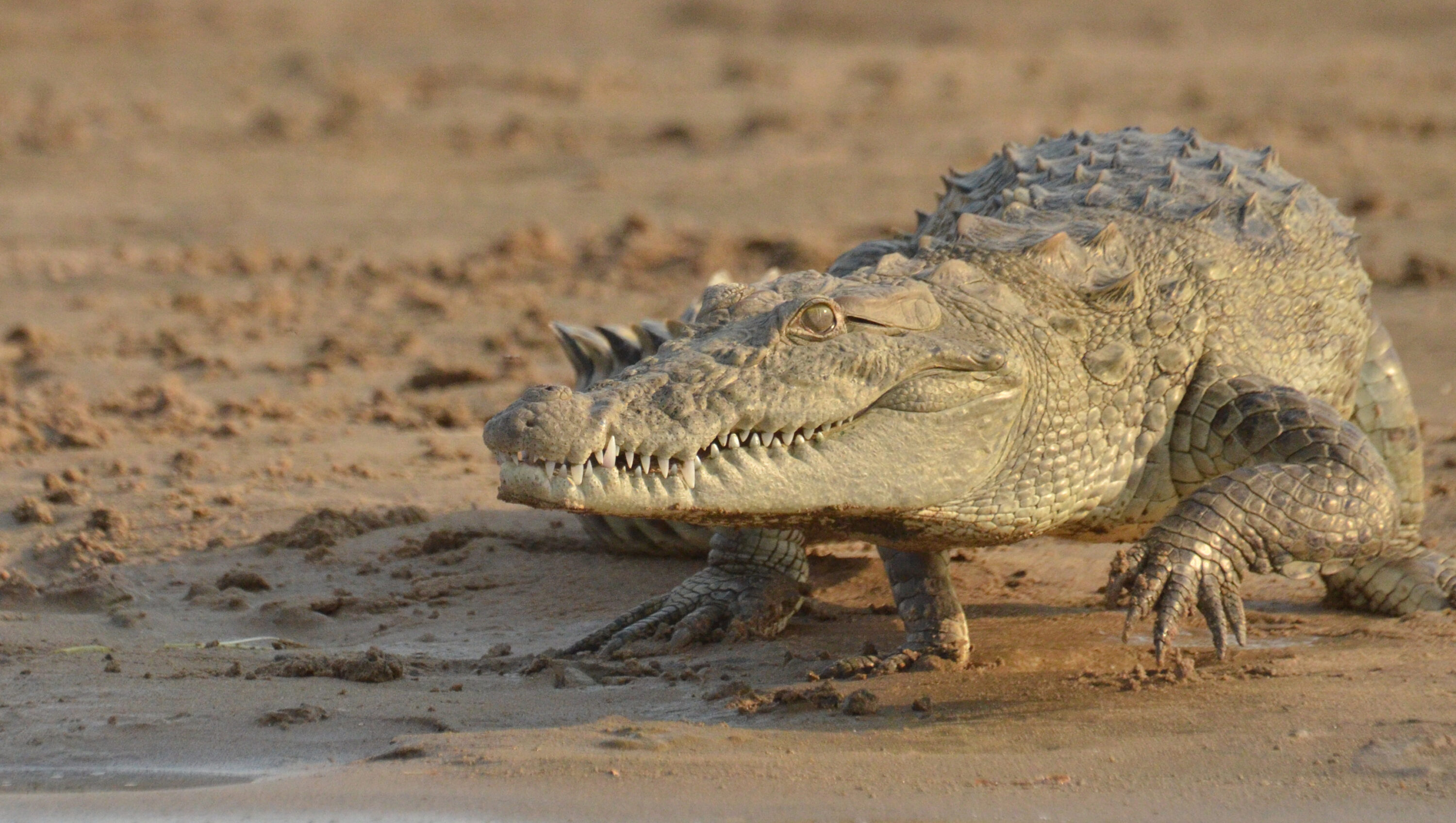
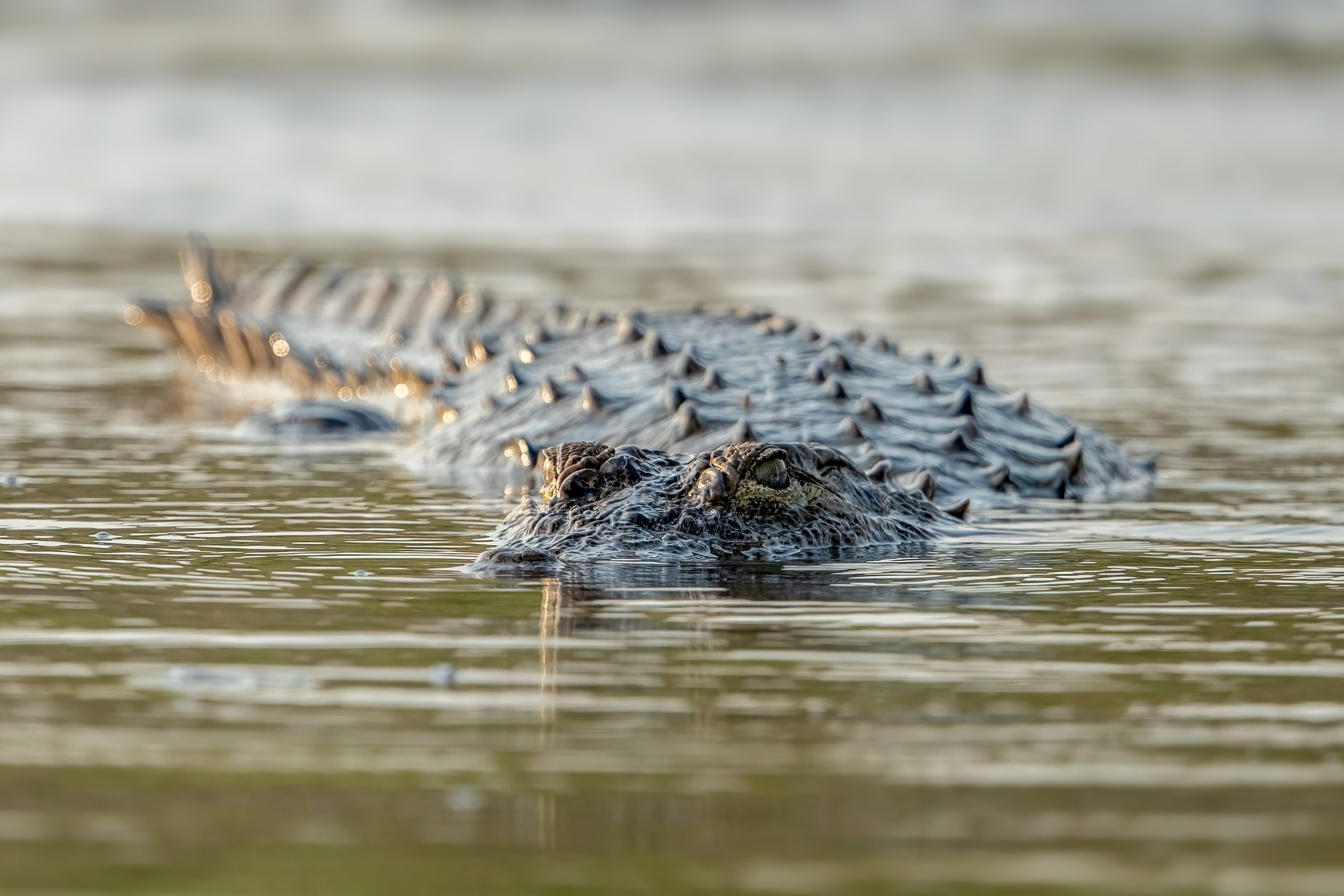
A 2026 study from the Wildlife Institute of India examined how prey availability and river conditions were related to habitat use by mugger crocodiles (Crocodylus palustris) in the Moyar River, while also investigating interactions between crocodiles and fishers at nearby Bhavanisagar Reservoir in Tamil Nadu.
Fish biomass was the strongest habitat-use predictor
Mugger habitat use was most closely linked to fish biomass, which the study used as an indicator of prey availability rather than as a record of which fish individual crocodiles actually ate. Sandy banks were the crocodiles’ most preferred basking habitat, while wider river sections also showed a weaker relationship with habitat use.
Fishers perceived net damage more often than monitoring recorded it
The researchers also compared fishers’ perceptions of crocodile-caused net damage with damage recorded during experimental net monitoring. Fishers perceived such damage at about 2.2 times the frequency recorded during experimental monitoring. The study calculated a mean four-month loss estimate of about ₹32,029 from crocodile-related net damage, and nets set closer to the bank experienced more damage than nets placed farther away.
The authors describe the results as baseline information for habitat management and for reducing conflict between fishers and crocodiles, including the development of mitigation measures and compensation schemes.
Ecology
Related news
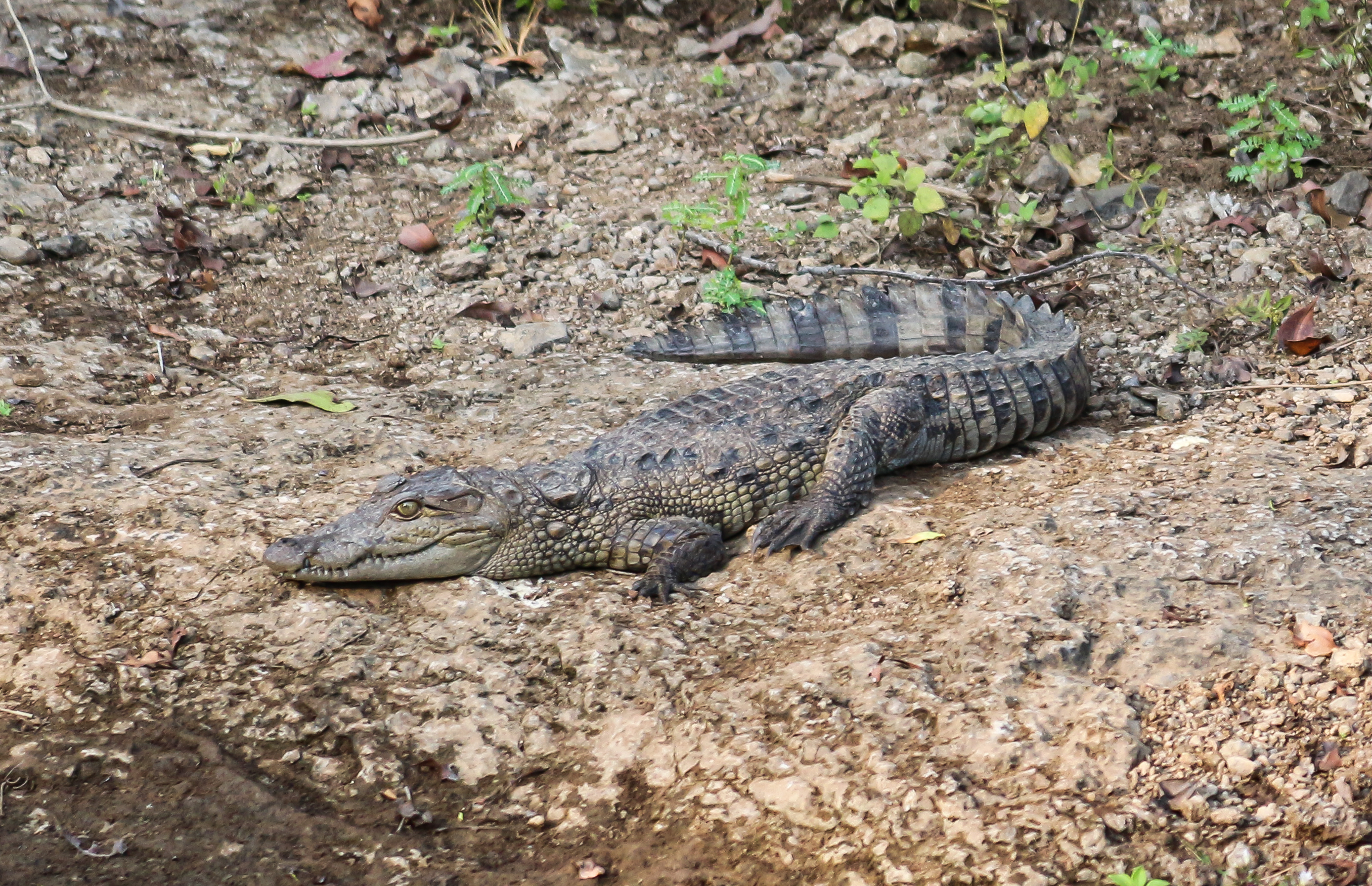
Falling Tungabhadra Water Levels Brought Mugger Crocodiles Onto Riverbanks in Kurnool
Receding water in the Tungabhadra brought mugger crocodiles onto exposed banks in Kurnool, where one was attacked by…
Read story →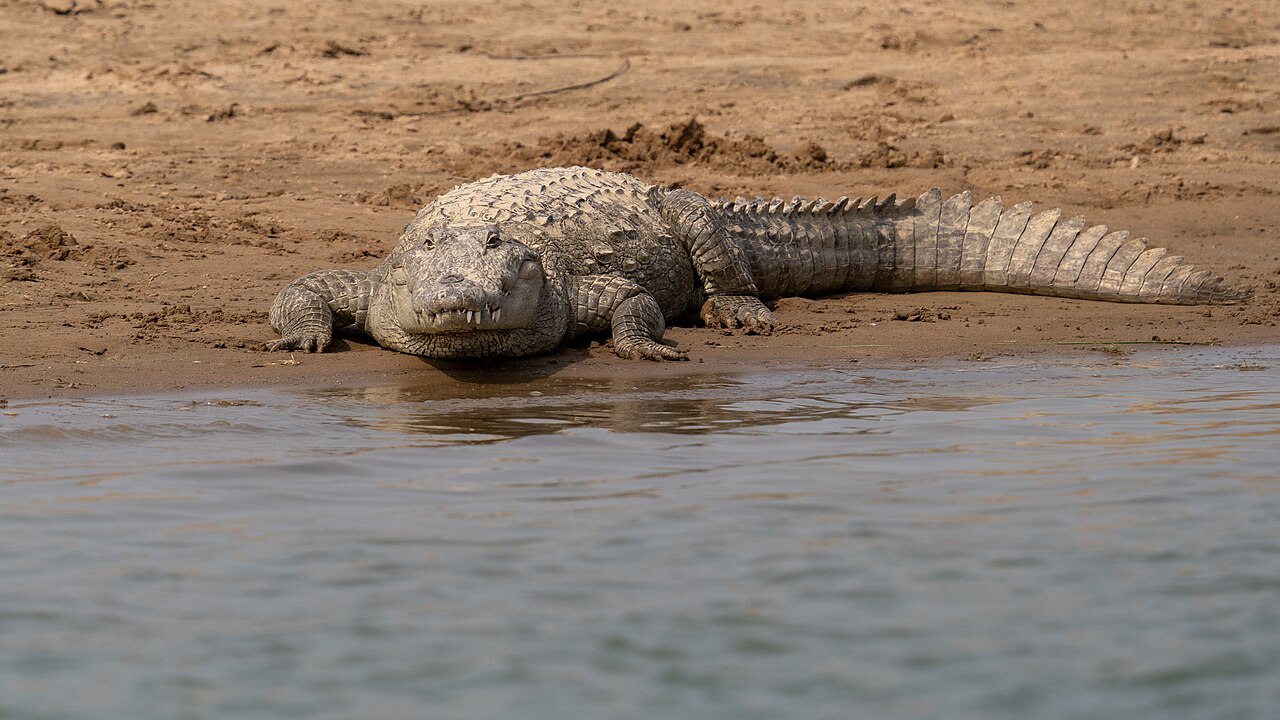
Wild Adult Mugger Crocodile Recorded Galloping for the First Time
A 2026 natural-history note reports the first known record of a free-ranging adult mugger crocodile galloping, after a…
Read story →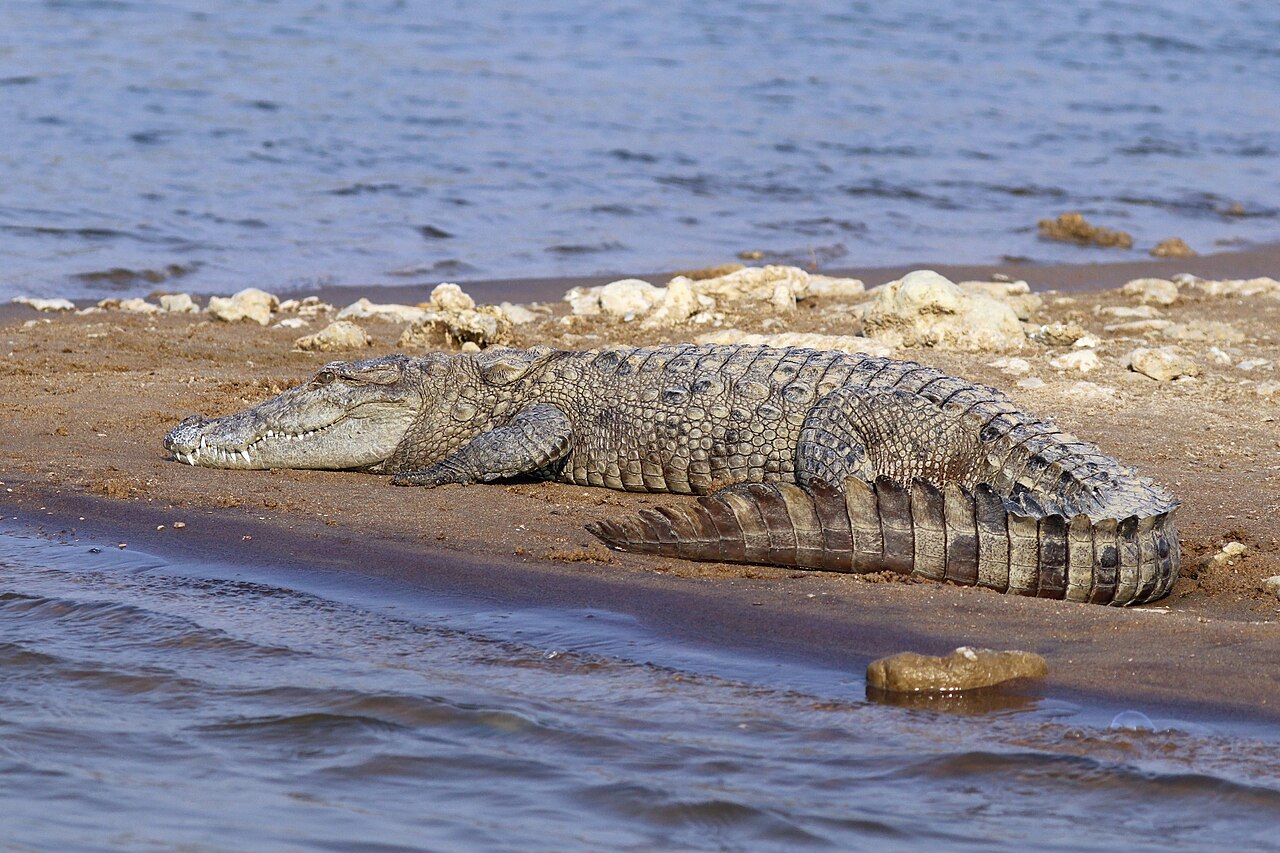
Most Modelled Suitable Mugger Crocodile Habitat Lies Outside Existing Protected Areas
A new model for southern India identifies more than 2,200 km² of potentially suitable mugger crocodile habitat, with…
Read story →SPECIES IN THIS STORY
Species in this story
Independent research and conservation news archive
Did you find this information useful?
Wildlife Vagabond is independently built and maintained. Voluntary support helps cover source verification, hosting and continued work on research and conservation news.
Support Wildlife VagabondThe news archive will remain freely available.