
Fishers at Algeria’s Beni Haroun Dam reported what cormorants eat—and were mostly positive about conservation
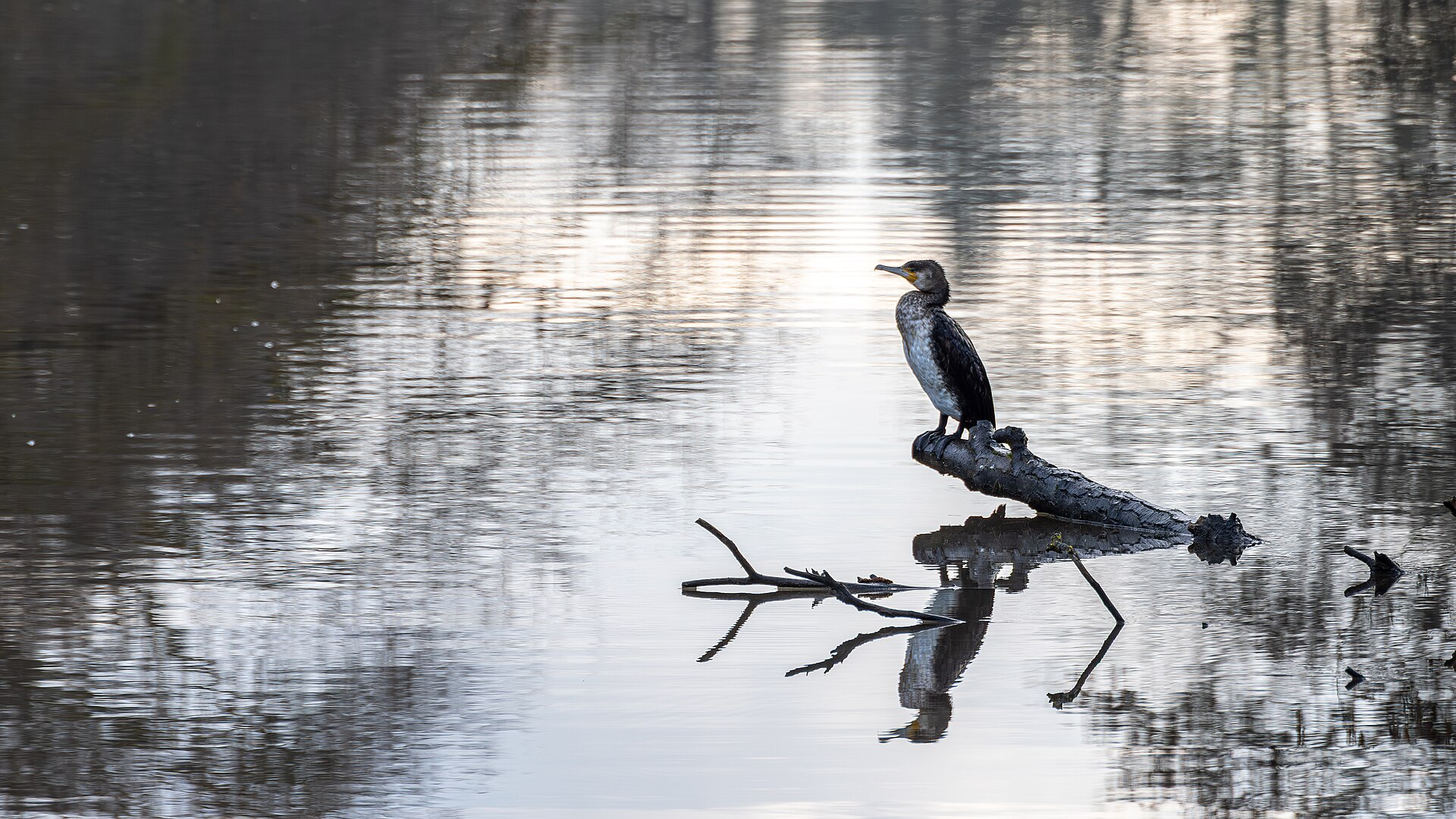
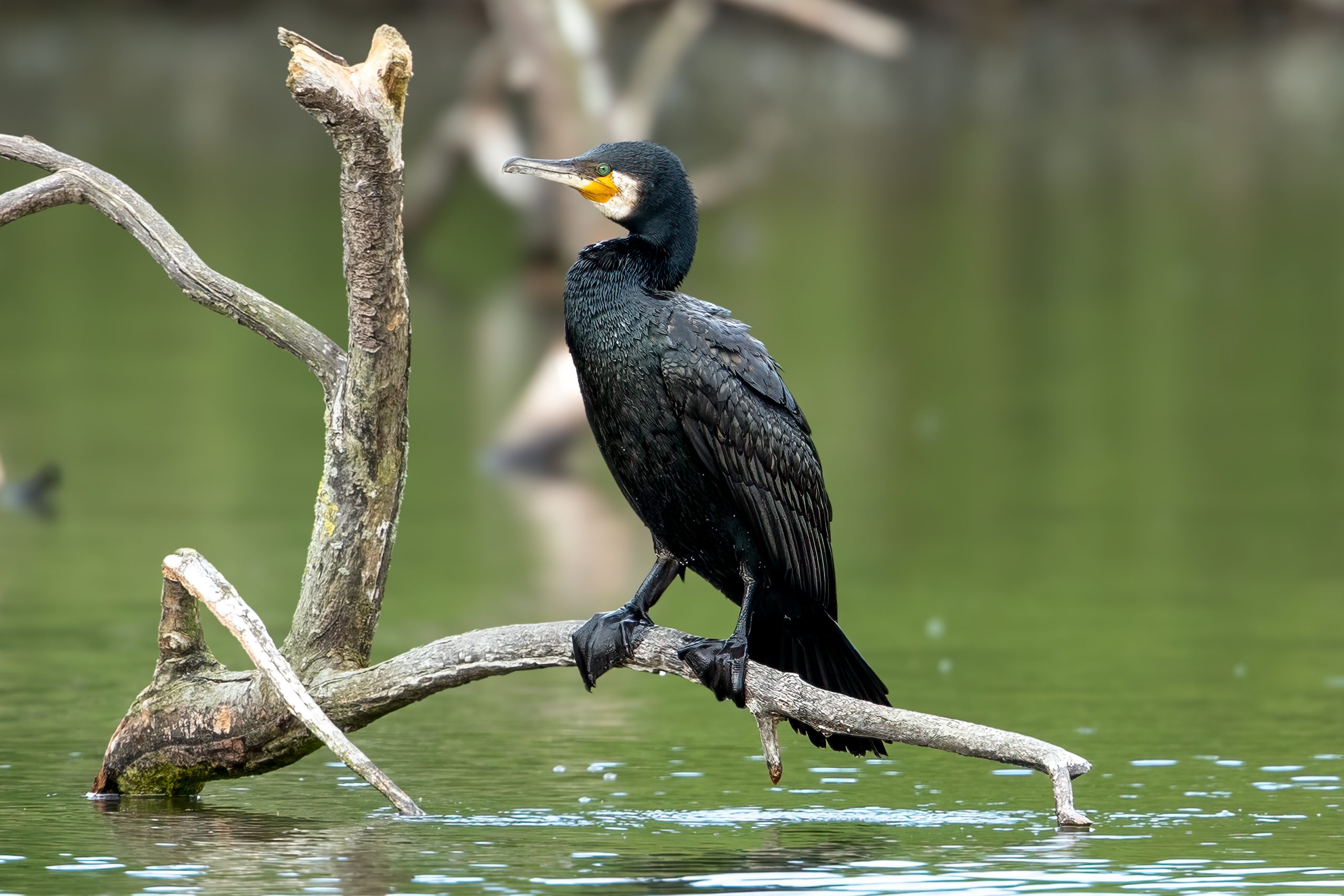
Great cormorants (Phalacrocorax carbo) feed on fish and are legally protected in Algeria. At Beni Haroun Dam in northeastern Algeria, they share the reservoir with local fisheries. Researchers interviewed fishers there about what they had observed of the birds and how they viewed their conservation.
Between February and April 2025, researchers interviewed 88 volunteer fishers at eight sites: 80 recreational fishers and eight commercial fishers. Almost all—86 of 88—recognized the great cormorant. They described where and when they saw the birds, their feeding behaviour and the fish they thought the cormorants ate. The researchers compared these reports with published studies of cormorant ecology and diet.
Fishers’ observations matched some research—and included a possible additional prey species
More than half the fishers, 53 of 88, said cormorant numbers at the reservoir had increased in recent years. Most respondents, 84 of 88, reported the greatest number of sightings in winter, especially January and February. Their seasonal observations broadly matched published accounts, although estimates of how long cormorants remained at the dam—six to nine months—were longer than the roughly four-and-a-half-month estimate reported for Mediterranean wintering populations.
Fishers also described where they saw the birds. More identified the western part of the reservoir (68.6%) and the eastern part (52.3%) than the central part (17.4%). Trees were the most commonly reported habitat: 77 fishers, or 87.5%, mentioned them. The authors interpret the pattern as consistent with cormorants using river-mouth and shallow shoreline areas to forage, where fish are accessible, and trees for resting and roosting.
Fishers named five fish species as cormorant prey. The barbel (Barbus barbus) was mentioned most often: 63.6% of fishers cited it. Four of the five species—barbel, common carp (Cyprinus carpio), common bream (Abramis brama) and crucian carp (Carassius carassius)—were also found in an earlier diet study at Beni Haroun, which examined 75 pellets collected between October and January. The fifth, the perch (Perca fluviatilis), was not recorded in that study. The interviews do not confirm that cormorants at the dam eat perch: they record fishers’ reports, not direct measurements of the birds’ diet. The authors suggest that observations spanning a broader period may help explain why fishers reported an additional species.
Fishers also described the size of the birds’ prey and how they hunted. Seventy-eight respondents (88.6%) said cormorants mainly took small fish. Fifty-seven (64.8%) reported that they usually foraged alone, while 19 (21.6%) described group foraging and 12 (13.6%) said they hunted both alone and in groups. These are reported observations from the interviews. The researchers judged the fishers’ ecological knowledge to be moderate to relatively high overall, while noting that some estimates—notably daily food intake and the duration of seasonal presence—were higher than published estimates. The interviews offer a way for observations gathered by people who regularly use a reservoir to complement shorter, direct studies.
Most interviewed fishers viewed conservation positively
On the study’s scale of attitudes toward conserving great cormorants, 55 fishers (62.5%) were classified as positive, 22 (25%) as moderate and 11 (12.5%) as negative. The seven-item scale covered views on controlling cormorant numbers; perceived effects on fishing, fishers’ catches and fish valued by recreational anglers; support for protecting the species; ecosystem benefits; and whether people preferred coexistence to reducing cormorant numbers. The positive, moderate and negative labels summarize each fisher’s combined score across the items; they do not mean that everyone in a category agreed with every individual statement. The researchers found no statistically significant association between attitude scores and the social or fishing-related factors they examined.
The results describe the fishers who took part at this reservoir, not fishing communities in general. Participation was voluntary, most respondents were recreational fishers, and all were men. The interviews provide a first account of local observations and conservation views that can inform further research on cormorants and fisheries at Beni Haroun Dam.
Ecology
Related news
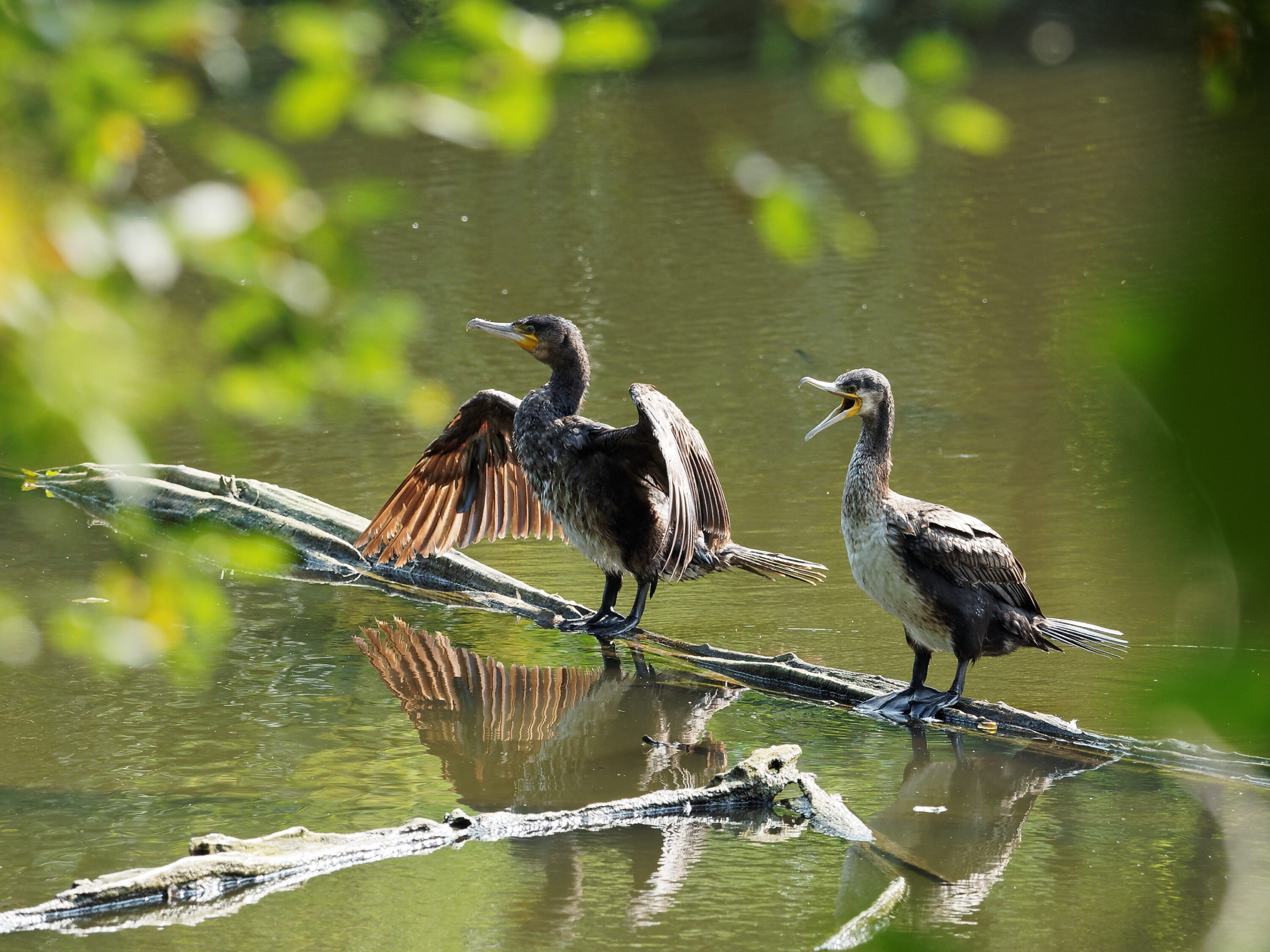
Great Cormorants Increased as Southern Baltic Diving Seabirds Stayed 40% Below Early-1990s Levels
A 35-year analysis of Polish Baltic winter surveys found strong growth in great cormorants, while the wider diving-seabird…
Read story →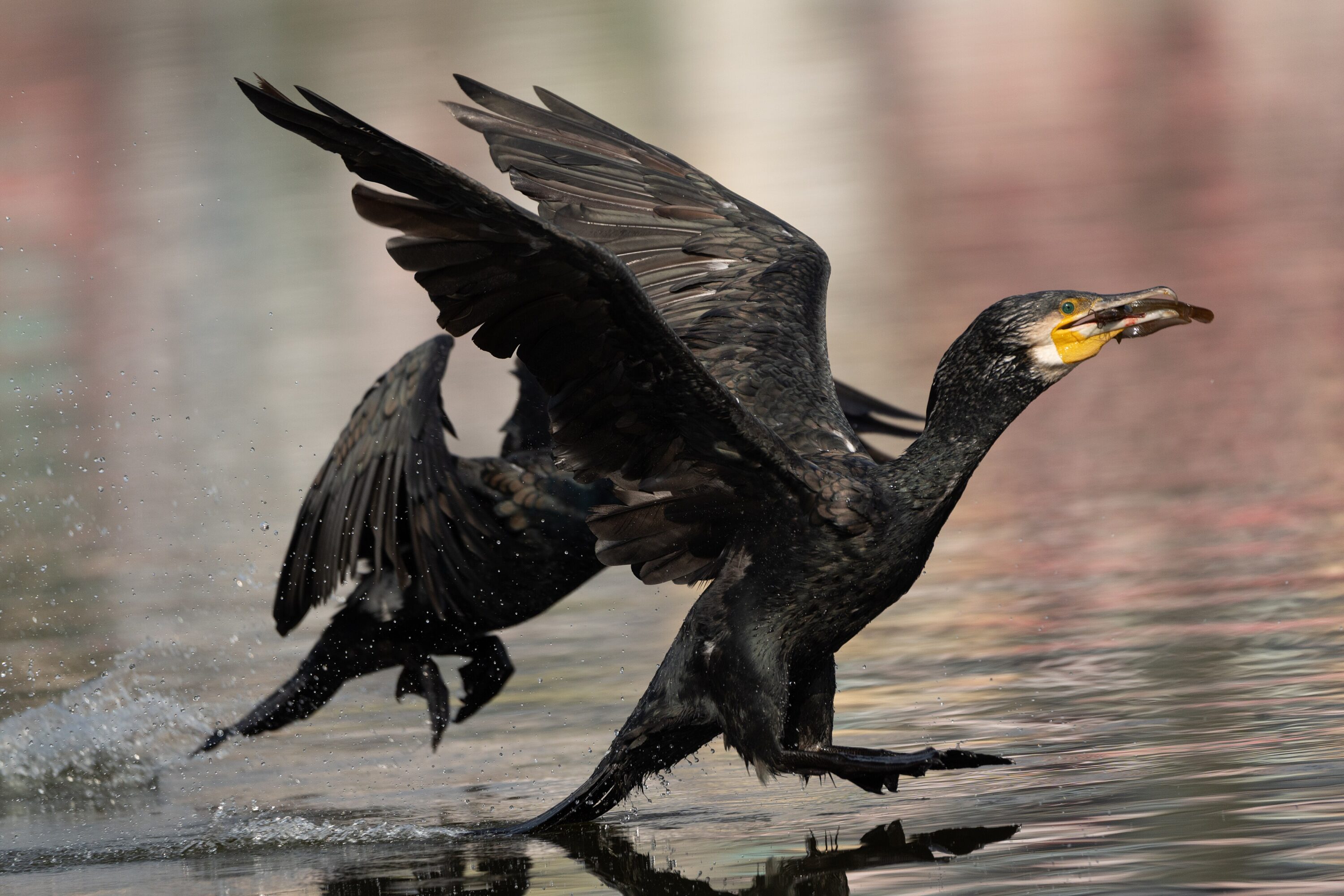
European Inventory Estimated More Than €670 Million in Annual Fish Damage From Great Cormorant Predation
A 2026 European inventory using information from more than 300 organizations estimates annual cormorant-related damage to fish stocks…
Read story →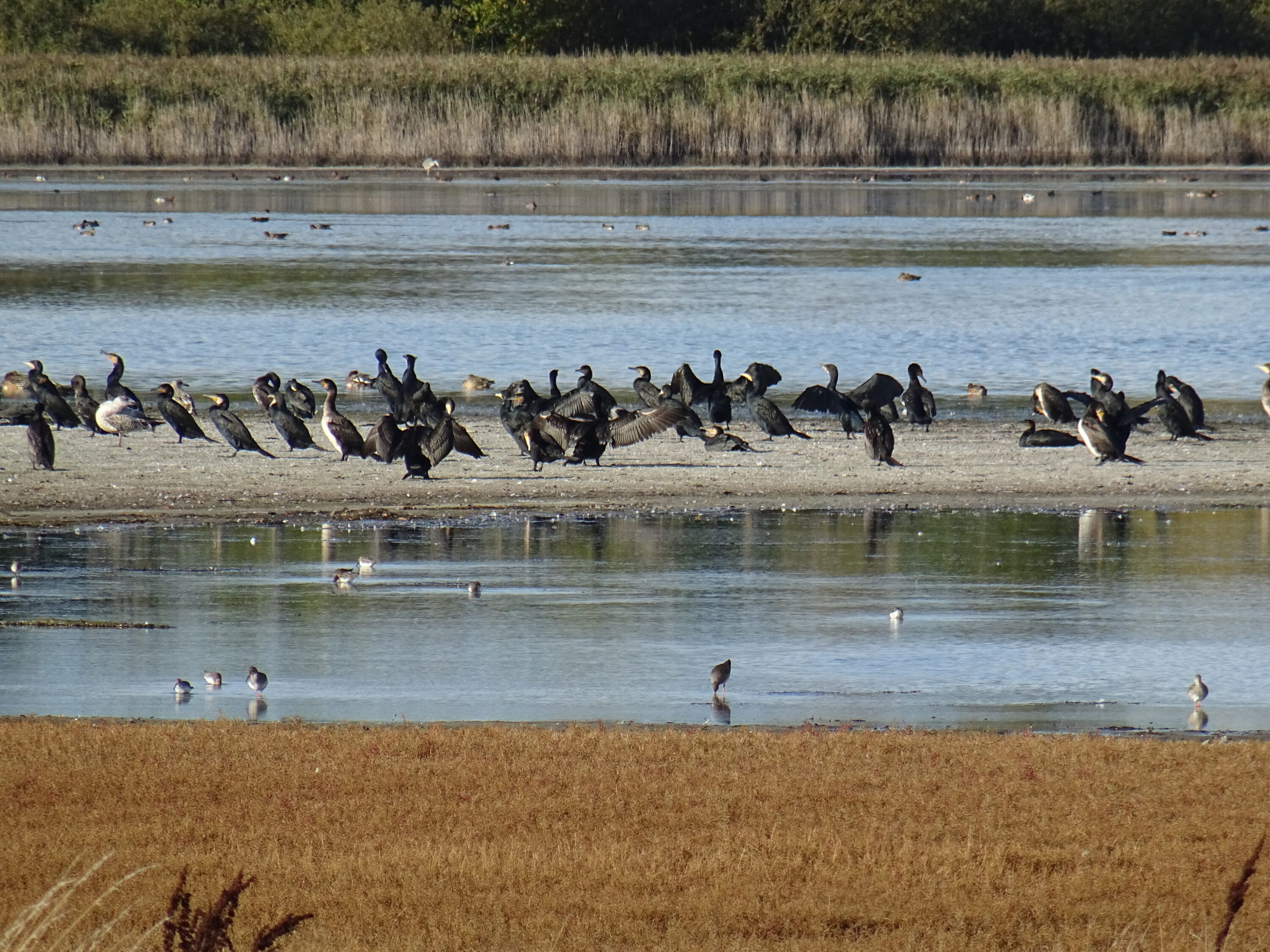
Estimated Great Cormorant Predation Reached 52–88% in Tagged Cod and 14–84% in Tagged Flounder
In Genner Bay, Denmark, a PIT-tag study estimated that great cormorants consumed 52–88% of tagged cod and 14–84%…
Read story →SPECIES IN THIS STORY
Species in this story
Independent research and conservation news archive
Did you find this information useful?
Wildlife Vagabond is independently built and maintained. Voluntary support helps cover source verification, hosting and continued work on research and conservation news.
Support Wildlife VagabondThe news archive will remain freely available.