
Great Cormorants Increased as Southern Baltic Diving Seabirds Stayed 40% Below Early-1990s Levels

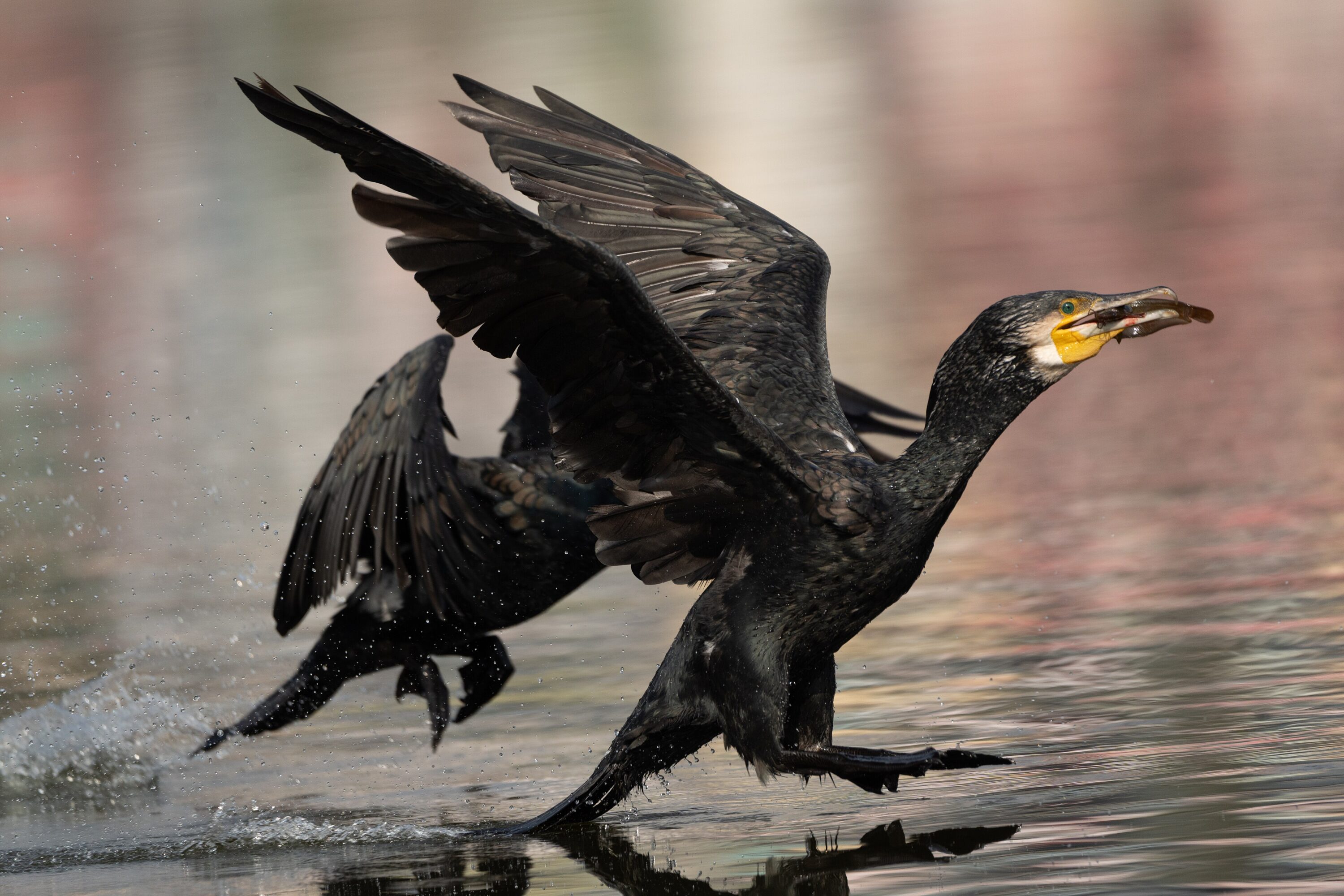
A 35-year analysis of wintering diving seabirds in the Polish Maritime Areas found sharply different long-term trajectories among species. Great cormorants (Phalacrocorax carbo) increased strongly, while the combined wintering diving-seabird assemblage — the full group of species analysed together — in 2020–2025 remained about 40% below the early-1990s baseline.
A 40% long-term decline in the wider community
The researchers combined historical surveys from 1990–1993 with a national survey from 2005 and standardized monitoring from 2011–2025. The assemblage analysis covered 21 diving species in six important coastal and offshore areas of the southern Baltic, while six focal species were examined in more detail.
Total abundance fell from about 1.49 million birds around the 1990 baseline to a mean of about 869,000 in 2020–2025. Benthic-feeding species were down by roughly 40% and fish-feeding species by 28%.
Species followed very different trajectories
The species did not move in the same direction. Long-tailed duck (Clangula hyemalis) and velvet scoter (Melanitta fusca) remained well below historical baselines, whereas common scoter (Melanitta nigra) and great cormorant increased. Great cormorants also showed an increasing trend during the continuous 2011–2025 monitoring period.
Recent improvement did not erase the long-term loss
The recent monitoring therefore gives a different picture from the full 35-year comparison. Several species and the multi-species indicators stabilized or increased after 2011, but the wintering assemblage as a whole has not returned to its former abundance. The authors interpret the pattern as a reorganisation of the wintering community rather than a general recovery.
For great cormorants, both absolute abundance and the proportional importance of the Polish Maritime Areas increased. The study discusses changes in Baltic fish communities and shifts in migration and wintering behaviour as possible contributors to this increase, without identifying a single cause.
Population & status
Related news
European Inventory Estimated More Than €670 Million in Annual Fish Damage From Great Cormorant Predation
A 2026 European inventory using information from more than 300 organizations estimates annual cormorant-related damage to fish stocks…
Read story →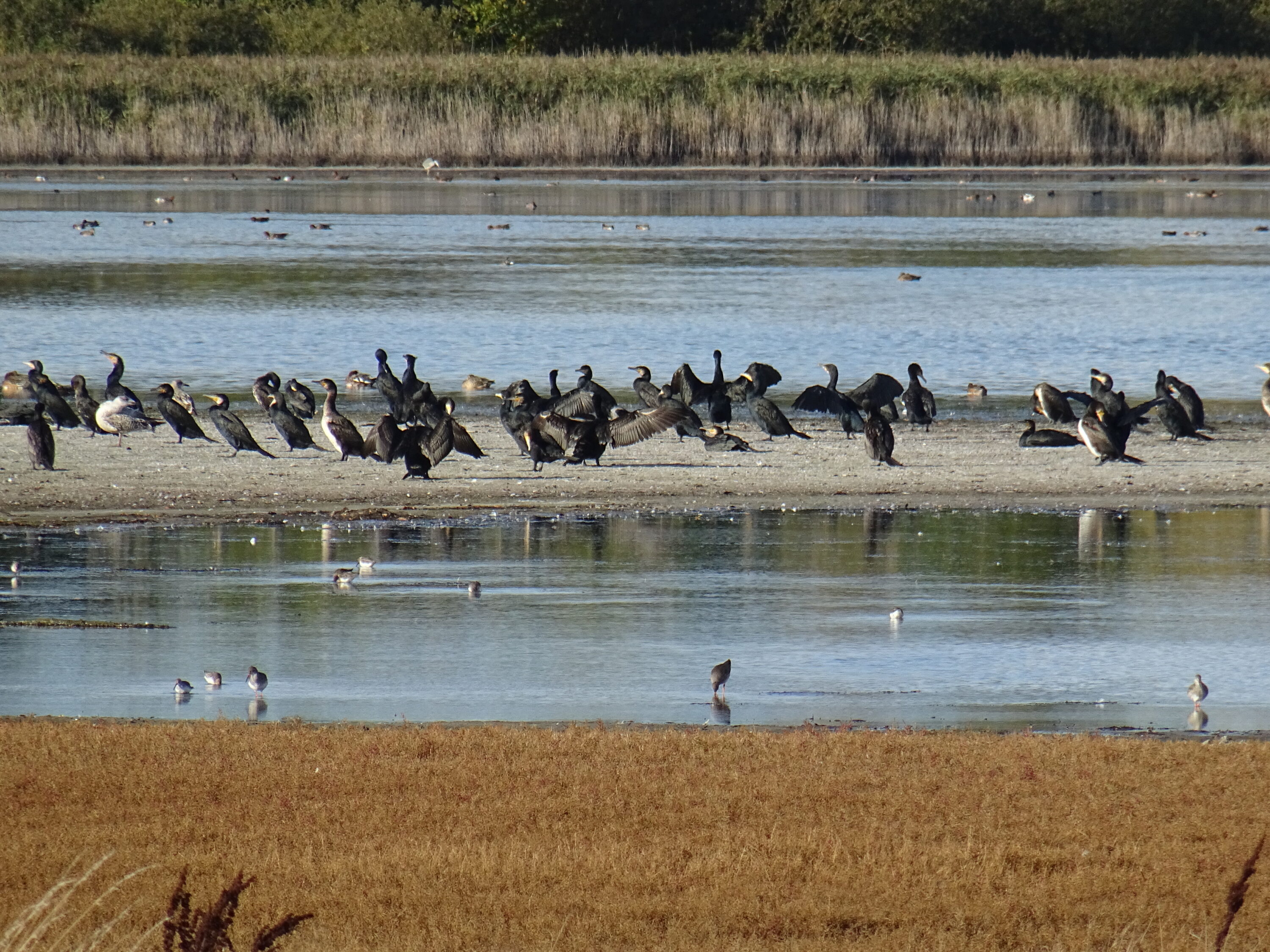
Estimated Great Cormorant Predation Reached 52–88% in Tagged Cod and 14–84% in Tagged Flounder
In Genner Bay, Denmark, a PIT-tag study estimated that great cormorants consumed 52–88% of tagged cod and 14–84%…
Read story →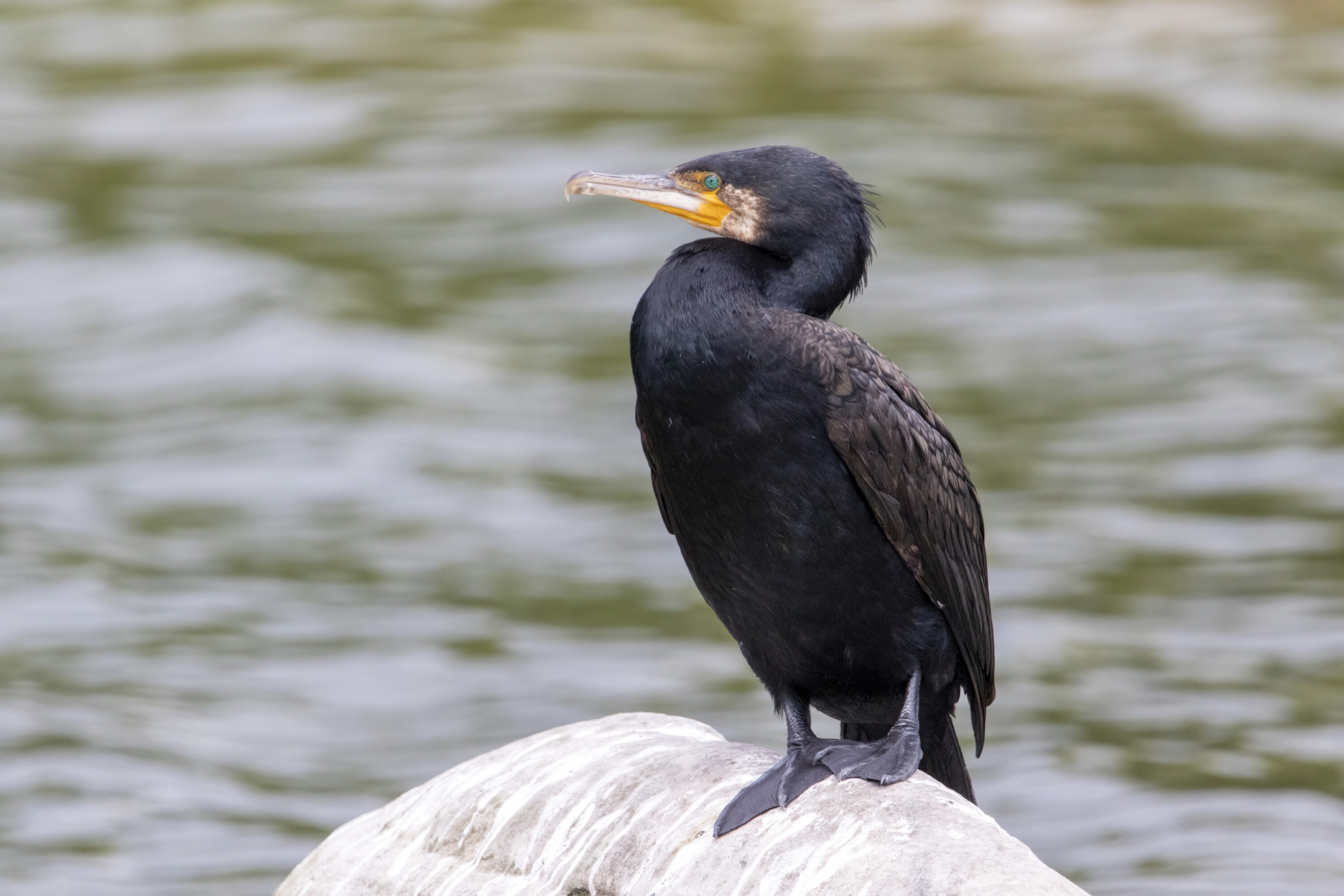
European Commission Replaced Its 2013 Guidance on Great Cormorant Derogations
A Commission Notice published on 31 July 2026 replaced the 2013 guidance on Great Cormorant derogations and updated…
Read story →SPECIES IN THIS STORY
Species in this story
Independent research and conservation news archive
Did you find this information useful?
Wildlife Vagabond is independently built and maintained. Voluntary support helps cover source verification, hosting and continued work on research and conservation news.
Support Wildlife VagabondThe news archive will remain freely available.