
Estimated Great Cormorant Predation Reached 52–88% in Tagged Cod and 14–84% in Tagged Flounder
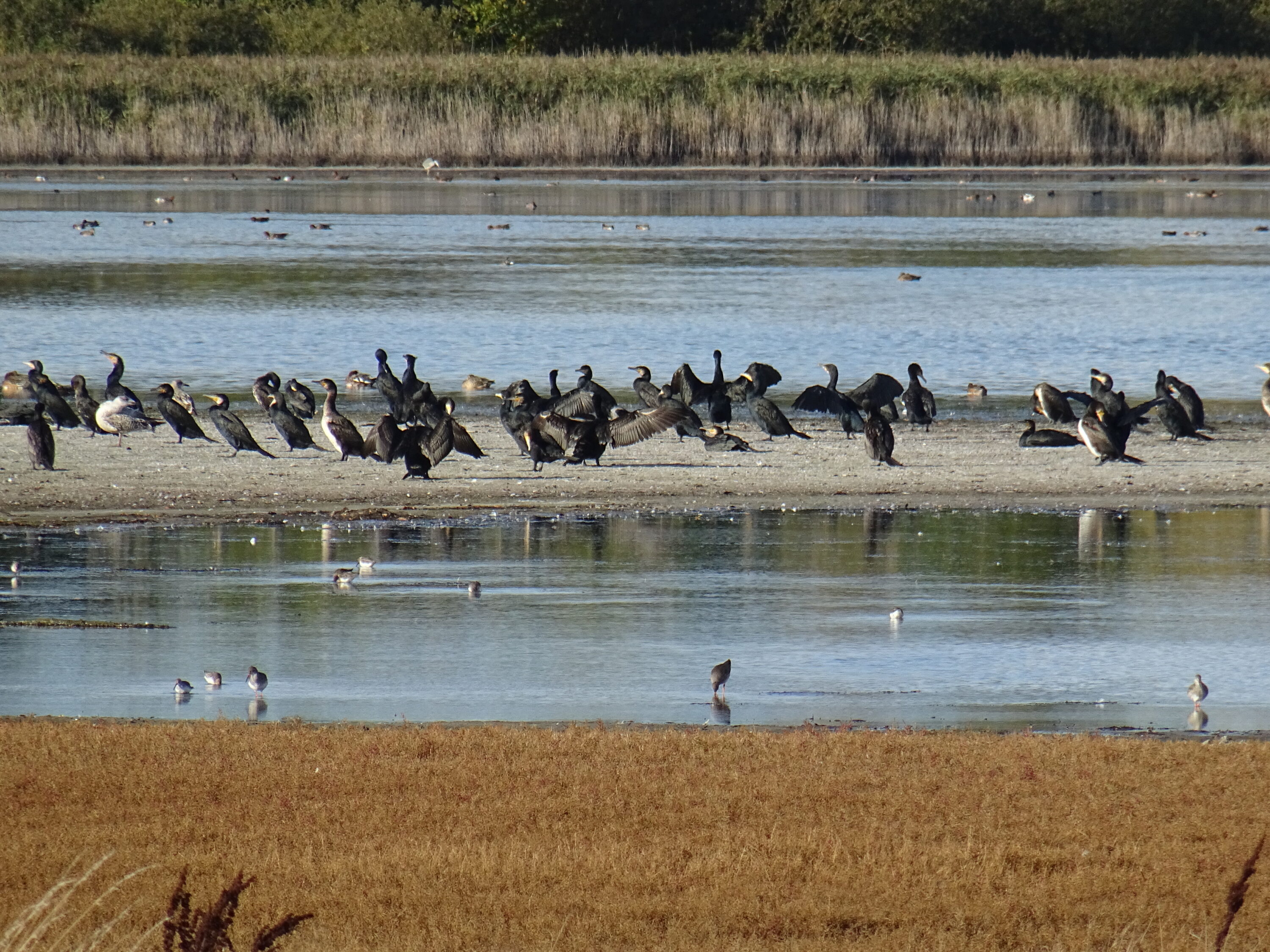
A PIT-tag study in Genner Bay in southern Denmark produced very high predation estimates for great cormorants (Phalacrocorax carbo; the study concerns P. c. sinensis) in some size classes of cod and flounder. Across size classes, researchers estimated that cormorants consumed 52–88% of the tagged cod and 14–84% of the tagged flounder. For each release, the relevant follow-up period ran from tagging until the cormorants had left the colony, roughly 2–7 months, so these figures are not annual predation rates for the full fish populations.
In 2022 and 2024, the team tagged 2,783 cod (Gadus morhua) measuring 11–38 cm and 2,644 flounder (Platichthys flesus) measuring 12–30 cm. The fish were caught in pound nets and released after tagging. Each passive electronic PIT tag carries a unique code. Researchers then scanned nearby cormorant colonies and roosts for tags deposited after tagged fish had been eaten. Two feeding trials were used to estimate how often a tag from an eaten fish would actually be detected, allowing the predation estimates to be corrected for missed tags.
Predation varied with fish size and was particularly size-selective in flounder. In cod, predation generally increased from the smaller fish towards the intermediate-to-larger size classes before dropping again among the largest fish. In flounder, the contrast was sharper: predation was highest in intermediate size classes and fell steeply in the largest fish. The PIT approach therefore provided unusually direct evidence of which tagged individual fish had entered the cormorants’ diet, rather than inferring total consumption only from pellets or colony size.
The authors interpret the results from the open coastal system as evidence of a potential mortality bottleneck for cod and flounder in western Baltic areas with dense cormorant populations. They do not conclude, however, that cormorant predation by itself determines fish population size. Similar studies combined with population modelling are needed before a cause-and-effect relationship between cormorant predation and fish population size can be established.
Ecology
Related news

Great Cormorants Increased as Southern Baltic Diving Seabirds Stayed 40% Below Early-1990s Levels
A 35-year analysis of Polish Baltic winter surveys found strong growth in great cormorants, while the wider diving-seabird…
Read story →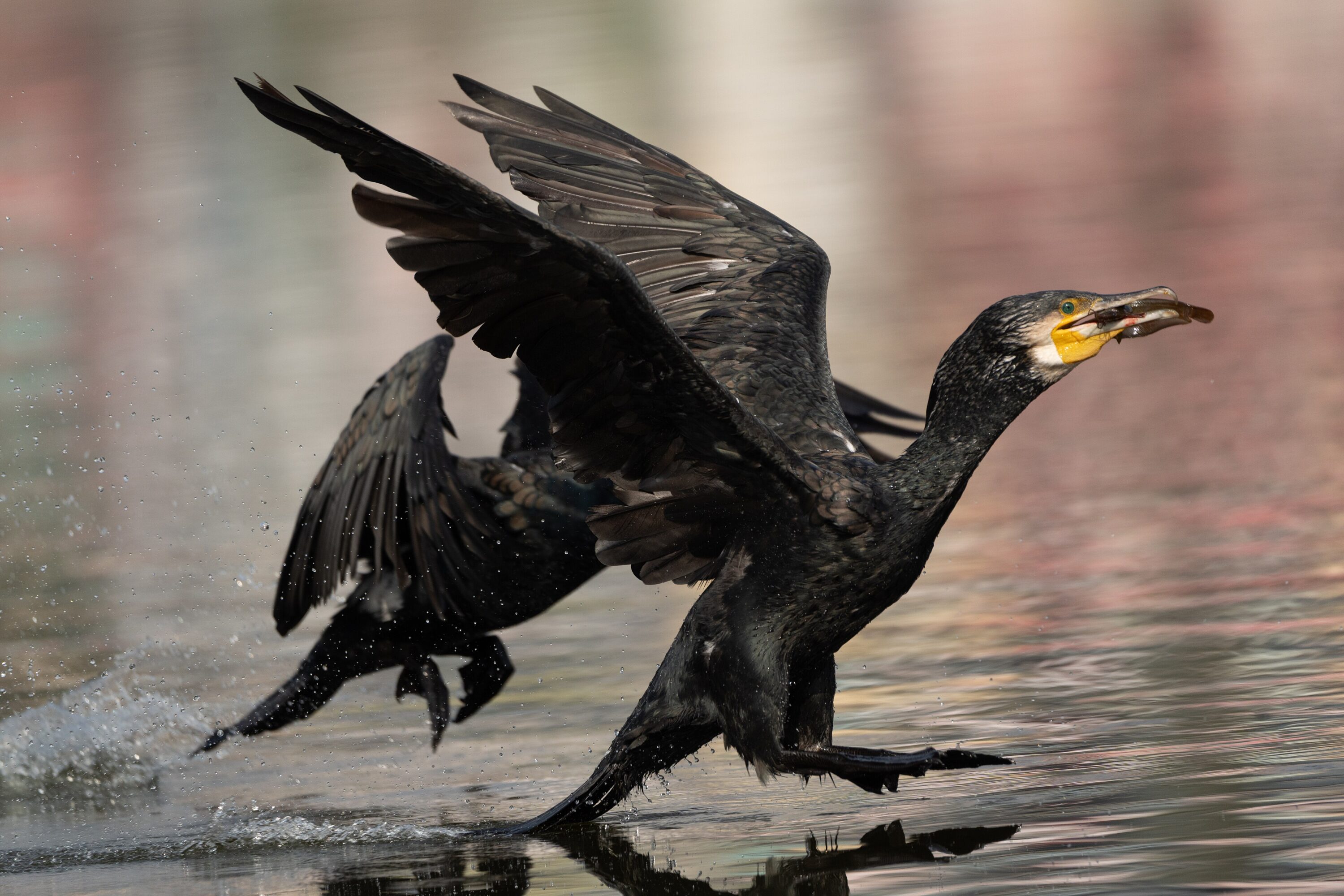
European Inventory Estimated More Than €670 Million in Annual Fish Damage From Great Cormorant Predation
A 2026 European inventory using information from more than 300 organizations estimates annual cormorant-related damage to fish stocks…
Read story →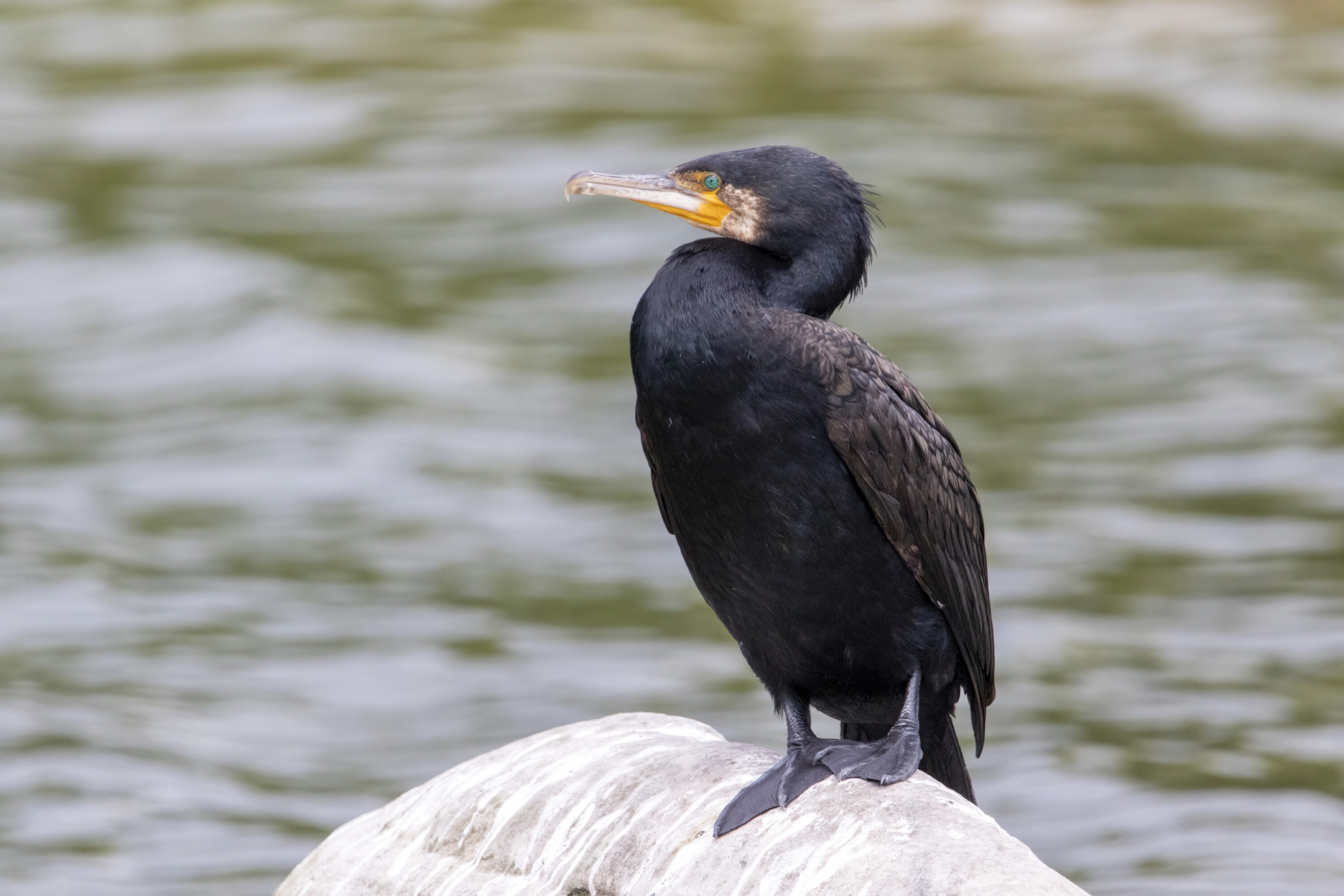
European Commission Replaced Its 2013 Guidance on Great Cormorant Derogations
A Commission Notice published on 31 July 2026 replaced the 2013 guidance on Great Cormorant derogations and updated…
Read story →SPECIES IN THIS STORY
Species in this story
Independent research and conservation news archive
Did you find this information useful?
Wildlife Vagabond is independently built and maintained. Voluntary support helps cover source verification, hosting and continued work on research and conservation news.
Support Wildlife VagabondThe news archive will remain freely available.