
Four Indian Palm Squirrel Species Visited Flowers of 20 Plant Species
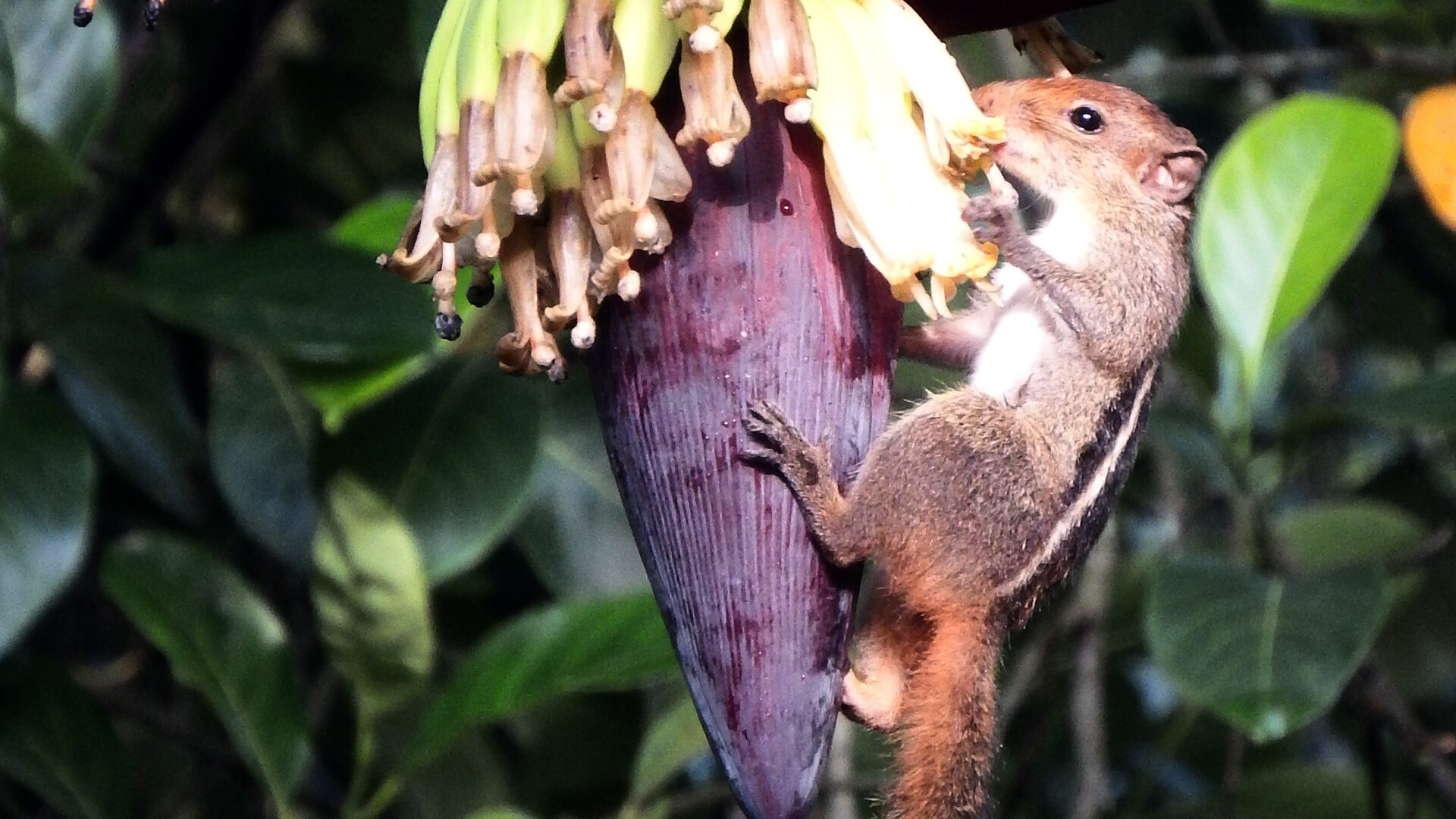
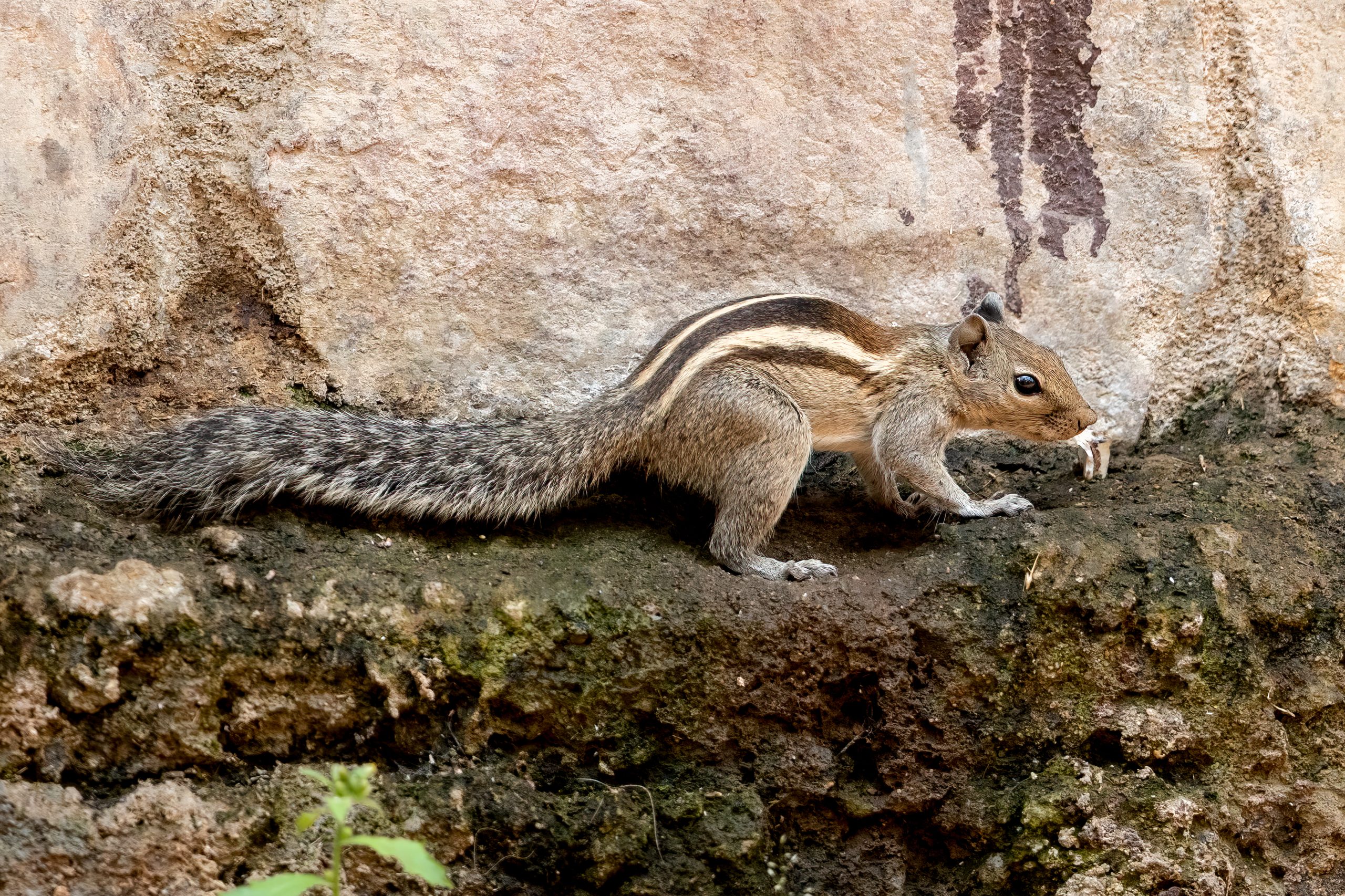
Four Indian palm squirrel species were documented visiting flowers of 20 plant species in a study published in 2026. The records included Indian palm squirrel (Funambulus palmarum) together with northern palm squirrel (Funambulus pennantii), jungle palm squirrel (Funambulus tristriatus) and Nilgiri striped squirrel (Funambulus sublineatus).
Forty opportunistic records covered 20 plant species
The researchers compiled 40 independent observations made between December 2019 and March 2021 in West Bengal, Odisha, Maharashtra, Tamil Nadu and Kerala, using direct observation plus photographic or video documentation where available. The study was opportunistic rather than a standardised survey. Visits were classified as nectar robbing when nectar was accessed without normal pollination and with floral damage, flower predation when floral tissue was eaten, or occasional visitation when squirrels used flowers without the same destructive behaviour.
Across the 20 plant species, eight were recorded only with occasional visitation, five only with flower predation, one only with nectar robbing and six with more than one interaction type. Jungle palm squirrel had the greatest number of recorded plant associations, whereas Nilgiri striped squirrel had the fewest, with only two observation events. Because the sampling was opportunistic, the authors caution that this difference may reflect unequal observation effort, geographic range, habitat use and abundance as well as biology; it should not be read as evidence that one species is intrinsically more specialised on flowers than another.
Indian palm squirrels were among the species recorded repeatedly at flowers. They fed on lantana inflorescences while damaging flowers, visited drumstick tree and champak flowers, fed among copperpod flower clusters and were also recorded taking nectar from flame-of-the-forest and ornamental banana flowers.
Flower visits did not automatically mean pollination
Across all four squirrel species, many visits involved nectar access accompanied by floral damage, especially on small and fragile insect-pollinated flowers. Visits to larger, more robust flowers were often less destructive and sometimes brought the squirrels’ head or snout into contact with anthers and stigmas. Pollen adhesion to fur or nasal bristles was observed during some visits, showing that squirrels could physically pick up pollen.
That is not the same as demonstrating effective pollination. The study did not quantify pollen loads, measure pollen deposition on receptive stigmas or test whether squirrel visits increased fruit or seed production. The authors therefore present these observations as evidence of possible incidental pollen transfer and a reason for further experimental study, not as proof that palm squirrels are effective pollinators.
The researchers also constructed a presence–absence interaction network: each confirmed squirrel–plant association counted as a link, but visit frequencies were not standardised or used as weighted interaction strengths. Eleven of the 20 plant associations were reported as new flower-visitation records for palm squirrels. The study therefore broadens the documented ecological role of these rodents while leaving the consequences for plant reproduction unresolved.
Ecology
Related news
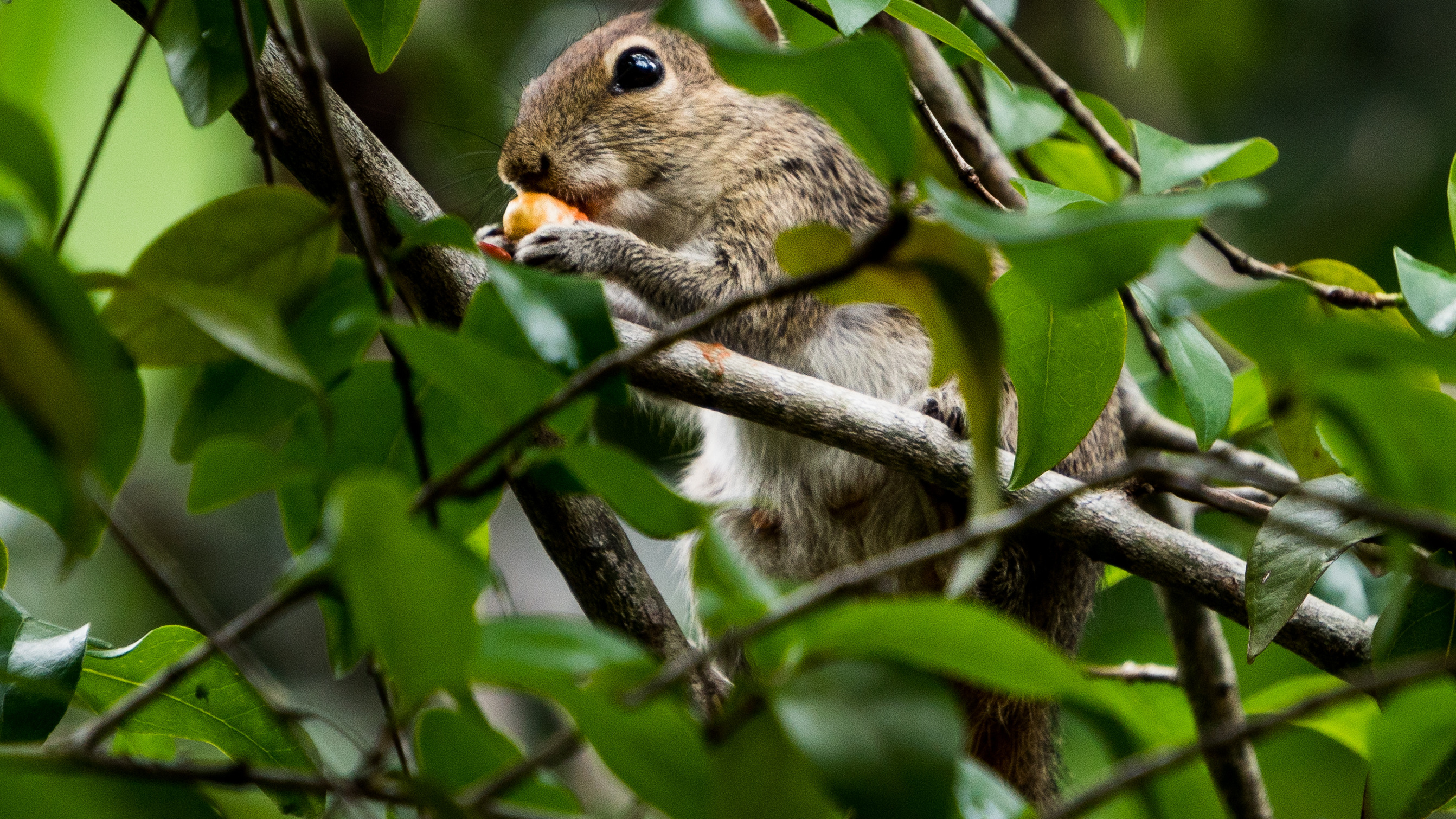
Birds and Indian Palm Squirrels Shared Seed-Dispersal Roles on a Lucknow Campus
A 2026 campus study in Lucknow recorded complementary seed-dispersal roles among birds and Indian palm squirrels, with squirrels…
Read story →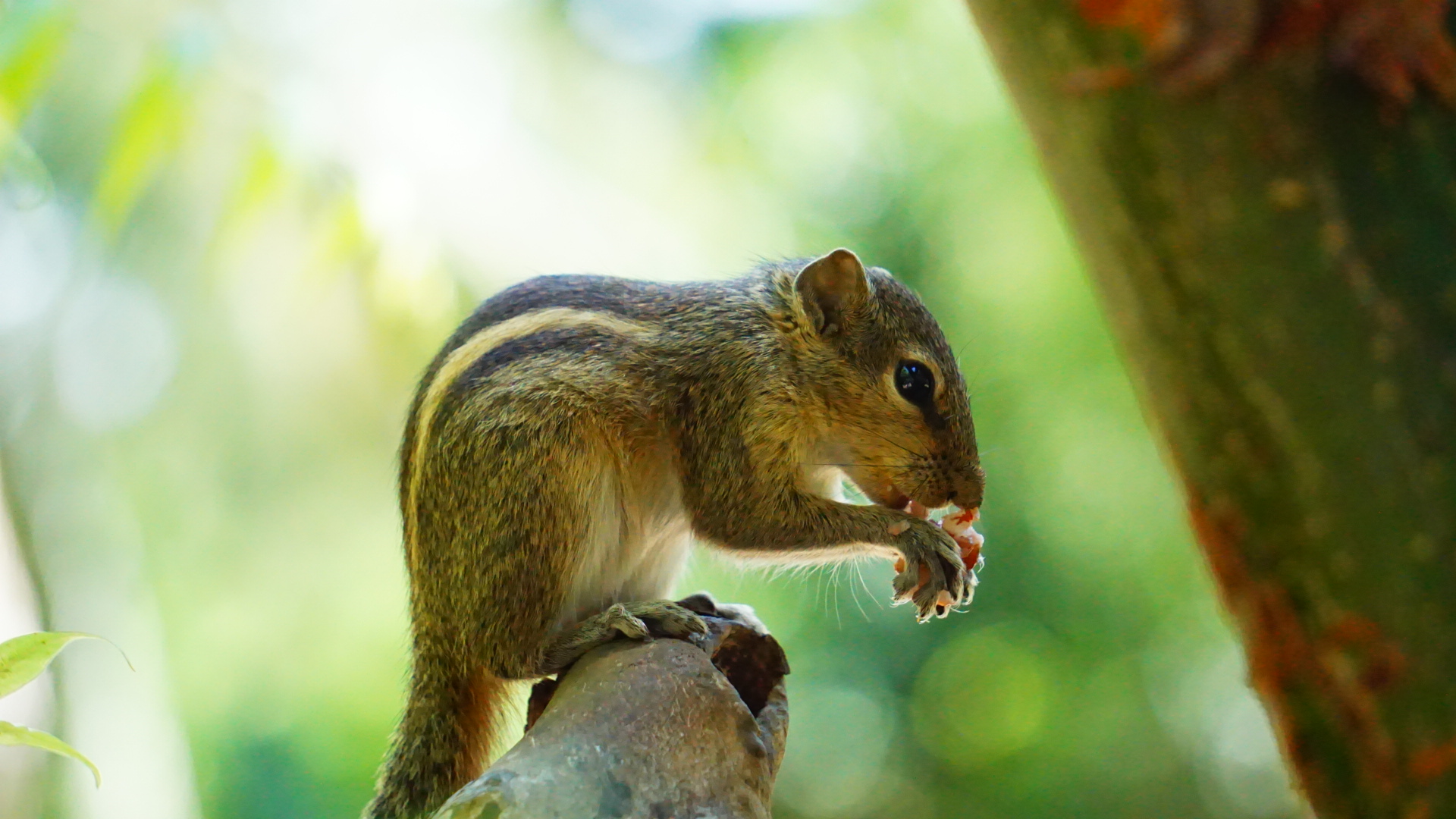
Albino Indian Palm Squirrel Documented in Chennai for the First Time
A 2026 scientific note documented the first record of albinism in an Indian palm squirrel from Chennai, based…
Read story →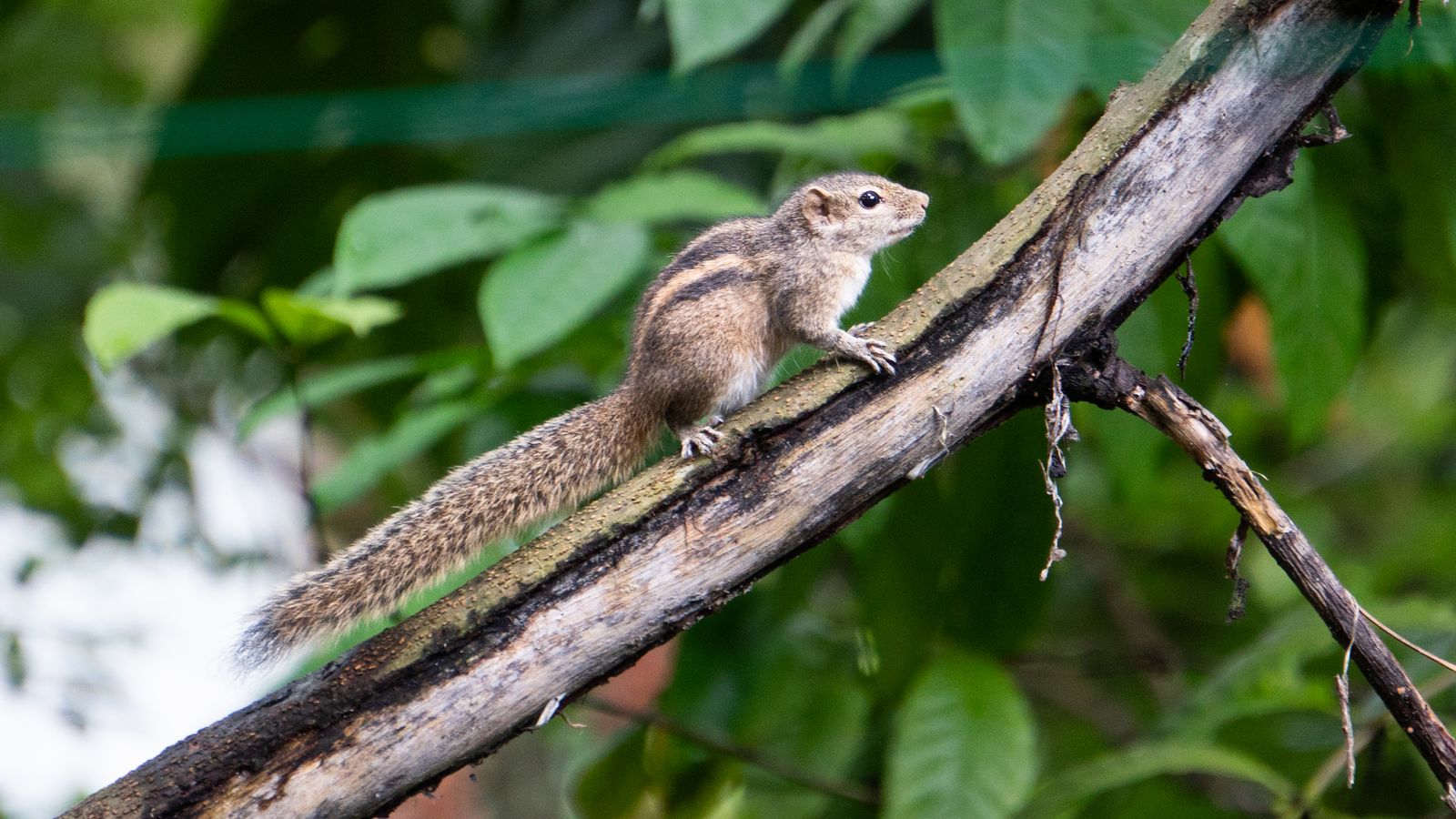
Four Sri Lankan Indian Palm Squirrel Samples Showed Preliminary Maternal-line Genetic Differences
One mitochondrial COI sequence from each of four historical Indian palm squirrel subspecies ranges in Sri Lanka showed…
Read story →SPECIES IN THIS STORY
Species in this story
Independent research and conservation news archive
Did you find this information useful?
Wildlife Vagabond is independently built and maintained. Voluntary support helps cover source verification, hosting and continued work on research and conservation news.
Support Wildlife VagabondThe news archive will remain freely available.