
Four RHDV2 Recombinant Lineages Circulated in European Hares in Catalonia
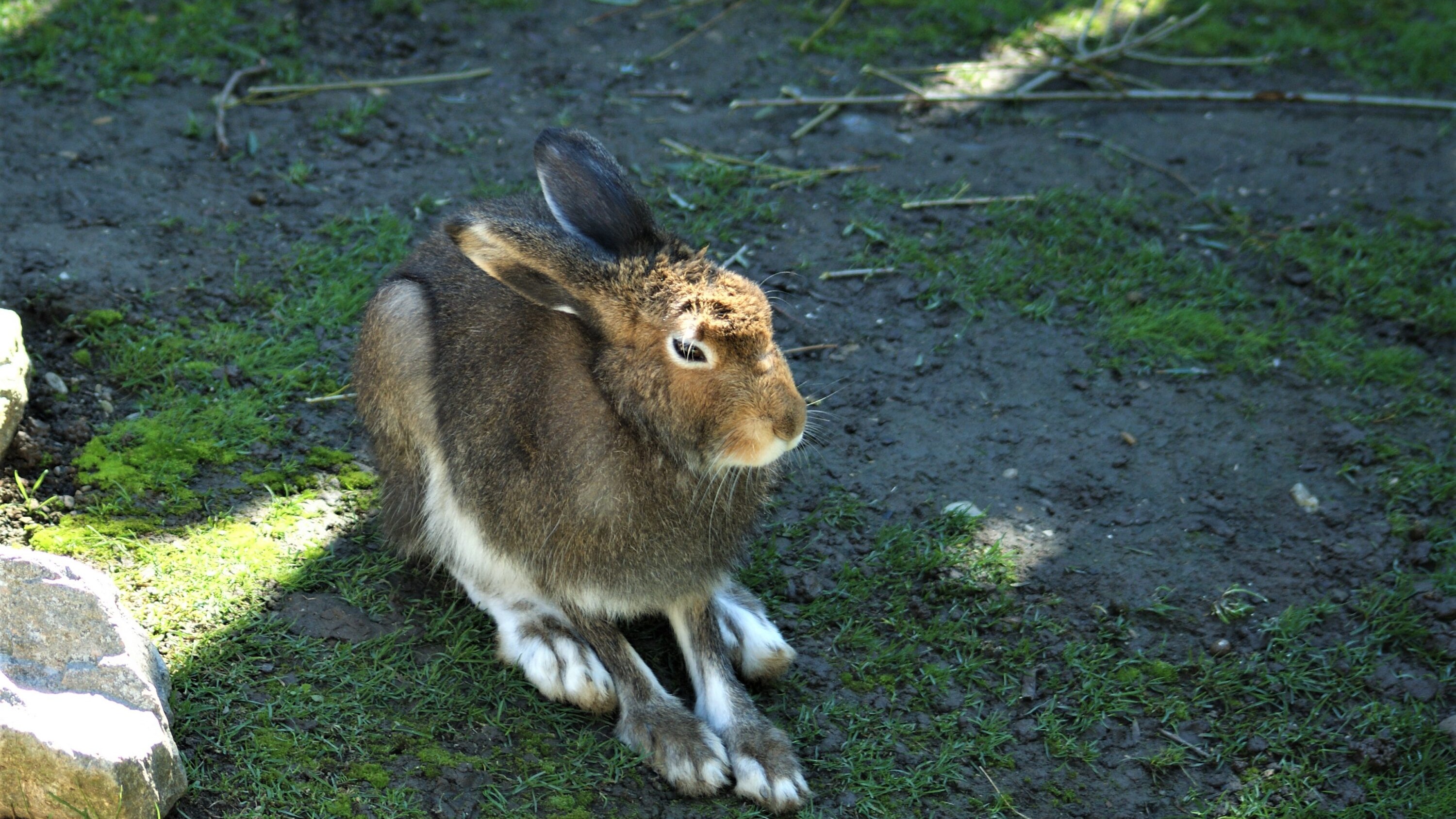
A 2026 study traced the genetic turnover of rabbit haemorrhagic disease virus 2, RHDV2/GI.2, in wild lagomorphs from Catalonia in northeastern Spain. Researchers analysed viral coding sequences from 44 European rabbits, 21 European hares (Lepus europaeus) and one Iberian hare collected through wildlife disease surveillance between 2014 and 2024.
RHDV2 is a highly virulent lagovirus that causes rabbit haemorrhagic disease and has caused substantial mortality in European rabbits, while infections also occur in hares. Tracking recombinant lineages therefore helps show how a damaging wildlife virus is evolving and circulating among lagomorph hosts.
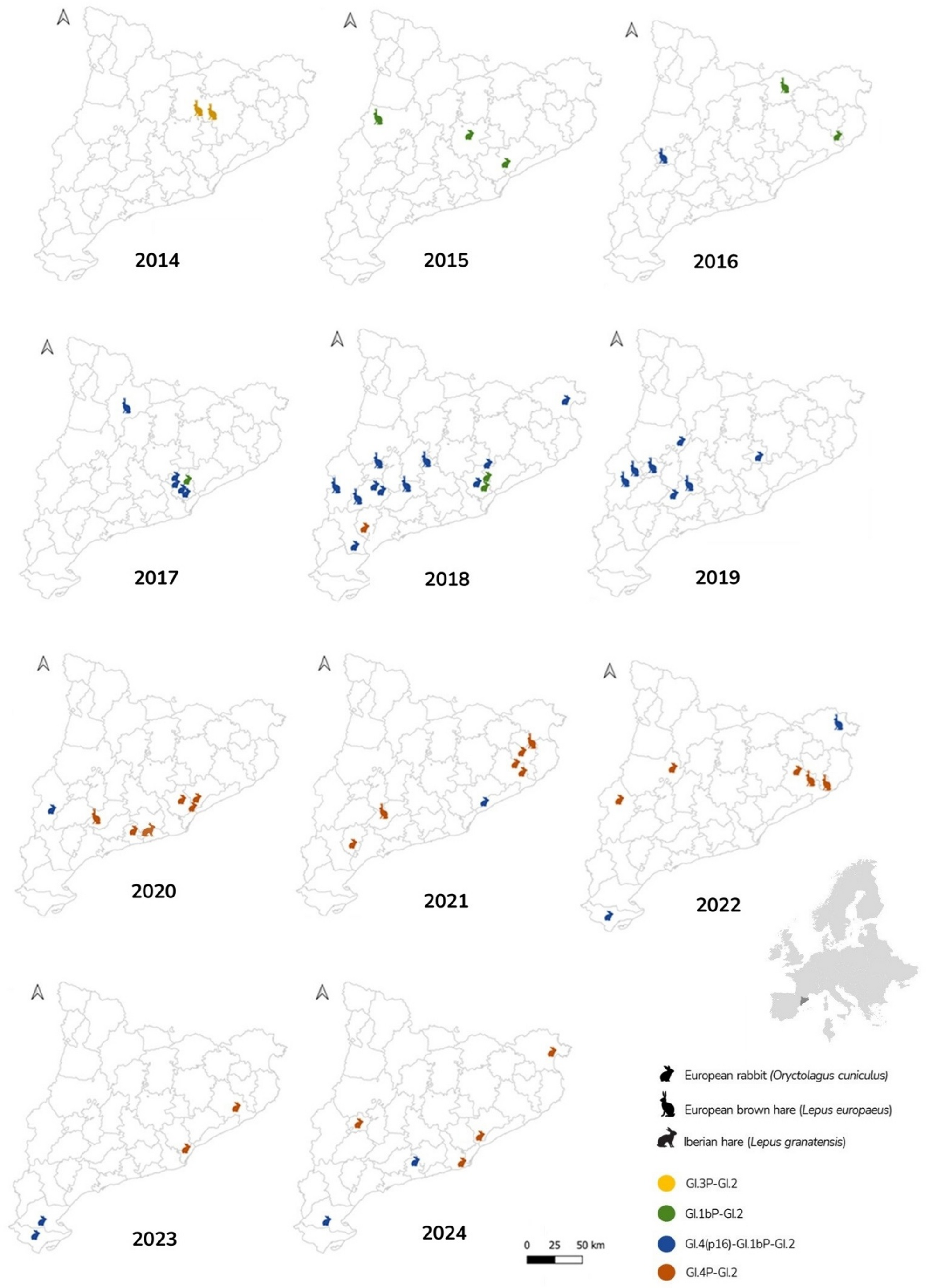
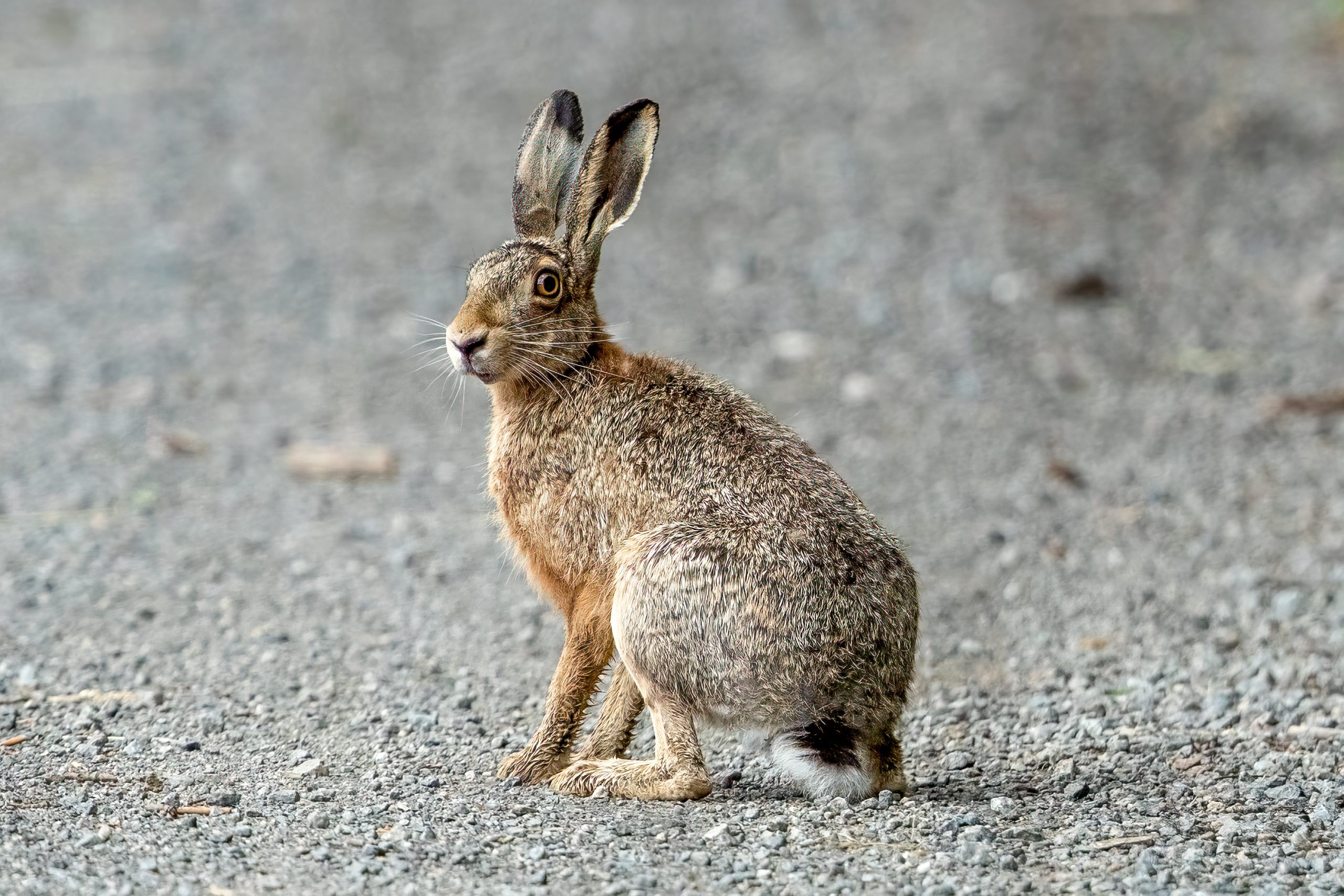
All viruses carried the GI.2 capsid — the protein shell surrounding the viral genome — but parts of the non-structural genome came from other lagovirus lineages. This is viral recombination: genetic material from different viral lineages is combined into a new genome. Four recombinant profiles were identified, and all four occurred in European hares: GI.3P–GI.2 and GI.1bP–GI.2 were each found in two hares, GI.4P–GI.2 in five, and the triple recombinant GI.4(p16)–GI.1bP–GI.2 in twelve. European rabbits carried three of them. One profile was a triple recombinant in which the p16 region came from GI.4, other non-structural regions from GI.1b and the capsid from GI.2. The same recombinant profiles were found in rabbits and hares in areas where both species had confirmed cases.
The dominant recombinant changed over the decade
The dominant recombinant changed over the decade. GI.3P–GI.2 appeared only in 2014, GI.1bP–GI.2 persisted from 2015 to 2018, and GI.4(p16)–GI.1bP–GI.2 became the most frequent profile from 2017 to 2019. GI.4P–GI.2 first appeared in 2020 and then became predominant through 2024.
The authors conclude that recombination and lineage replacement have been important features of RHDV2 evolution in Catalonia. The changing non-structural regions may influence viral fitness — how well a variant can reproduce and persist in circulation — and epidemiological behaviour, although the function of components such as p16 is still uncertain. The occurrence of the same lineages in several wild lagomorph species also shows that the virus has circulated across host-species boundaries in the region. Because the material came from passive surveillance of animals found dead or reported sick, sample numbers varied between years and the observed turnover should not be treated as a complete census of every lineage circulating at each point in time.
Disease, parasites & microbiology
Related news
Cryptosporidium Deer Mouse Genotype IV Was Recorded in Europe for the First Time in European Hares
Five of 370 faecal samples from wild European hares in Czechia and Slovakia contained Cryptosporidium deer mouse genotype…
Read story →
Classic and Recombinant Myxoma Viruses Were Found Together in Pooled Tissue From Two Hares in West Hungary
Whole-genome sequencing of pooled material from two European hares in western Hungary detected both classic MYXV and the…
Read story →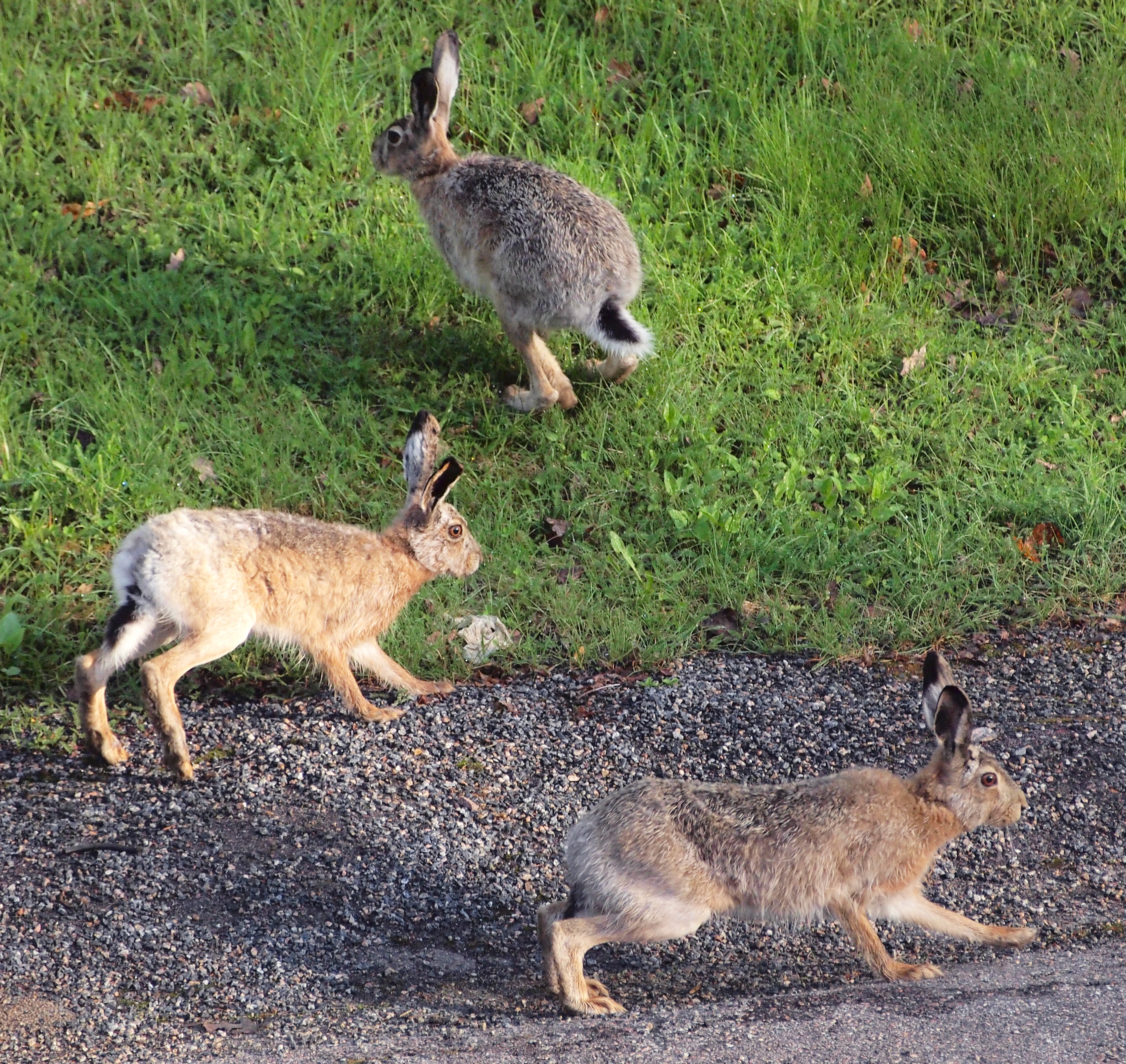
Hungary’s First ha-MYXV Outbreak Was Confirmed in 33 of 37 Targeted Hare Samples
During Hungary’s first confirmed outbreak of hare-adapted recombinant myxoma virus, 33 of 37 targeted European hare samples from…
Read story →SPECIES IN THIS STORY
Species in this story
Independent research and conservation news archive
Did you find this information useful?
Wildlife Vagabond is independently built and maintained. Voluntary support helps cover source verification, hosting and continued work on research and conservation news.
Support Wildlife VagabondThe news archive will remain freely available.