
Fourteen Uncinaria stenocephala Hookworms Were Found in One Golden Jackal From Mordovia
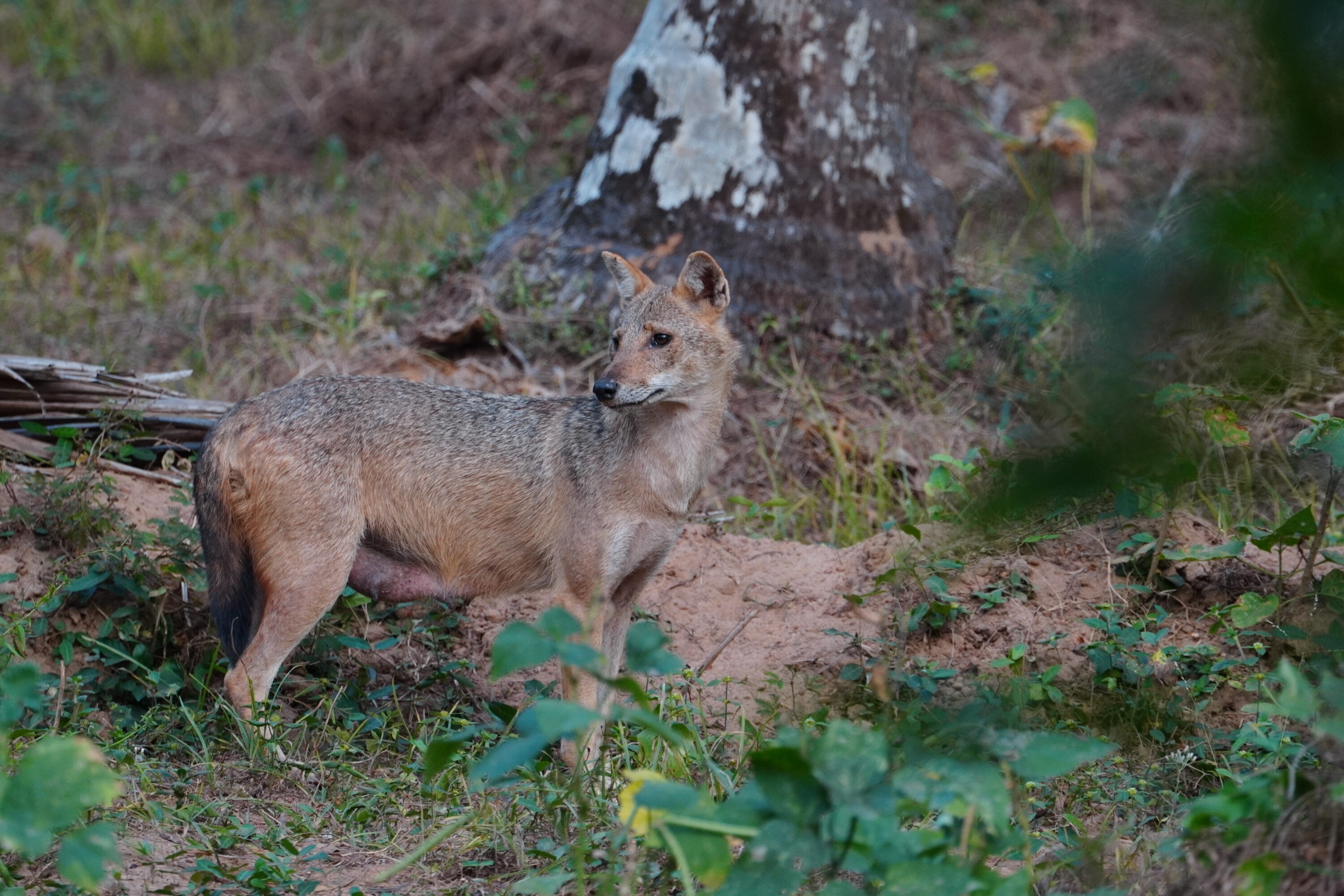
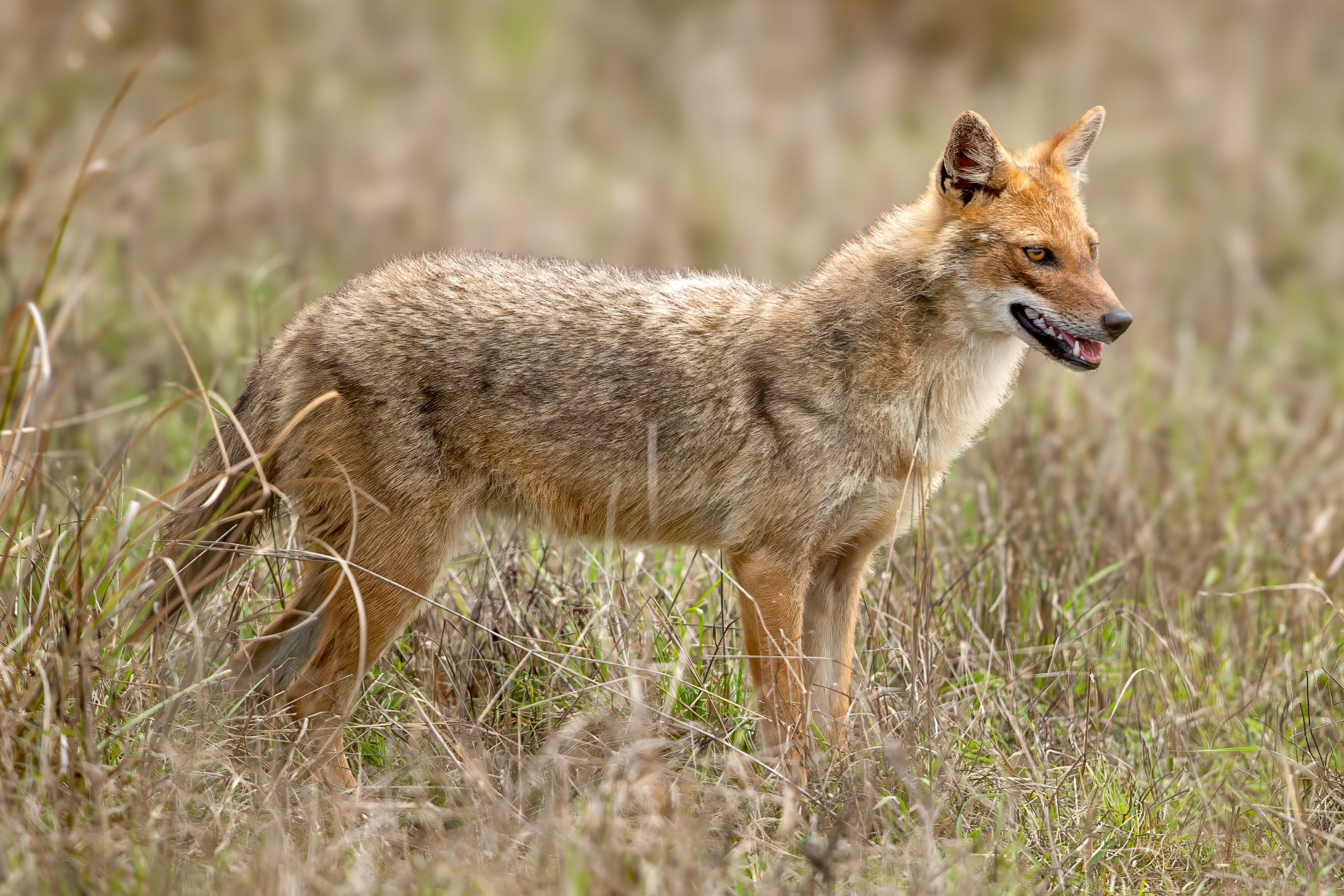
The first published helminth data from a golden jackal (Canis aureus) in Russia’s Middle Volga region came from a single animal found dead on a road in the Republic of Mordovia in 2024. Researchers recovered 14 nematodes from the jackal, all identified as the hookworm Uncinaria stenocephala.
The study is therefore a regional first record rather than a survey of parasite prevalence in the local jackal population. Only one host was examined, and the paper’s main contribution is to document the parasite and describe the recovered worms in detail.
Fourteen worms, all one species
The authors report 14 specimens of U. stenocephala from the examined golden jackal. Both male and female worms were present. The paper provides morphological and morphometric descriptions together with photographs of the parasites, allowing the Mordovian material to be compared with existing descriptions of the species.
U. stenocephala is a nematode in the hookworm family Ancylostomatidae. In this study, however, the important result is not a new parasite species or a population estimate: it is the first published helminth record from a golden jackal in the Middle Volga region and the identification of all recovered worms as U. stenocephala.
A narrowly defined first regional record
The primary article does not establish how common the infection is among golden jackals in Mordovia or elsewhere in the Middle Volga region. With a single host animal, the finding cannot be converted into a prevalence estimate or used to describe the regional parasite community of golden jackals.
The result is therefore deliberately narrow: one golden jackal found dead on a road in Mordovia yielded 14 U. stenocephala, and the study supplies the first published helminth data for the species from this part of European Russia.
Disease, parasites & microbiology
Related news
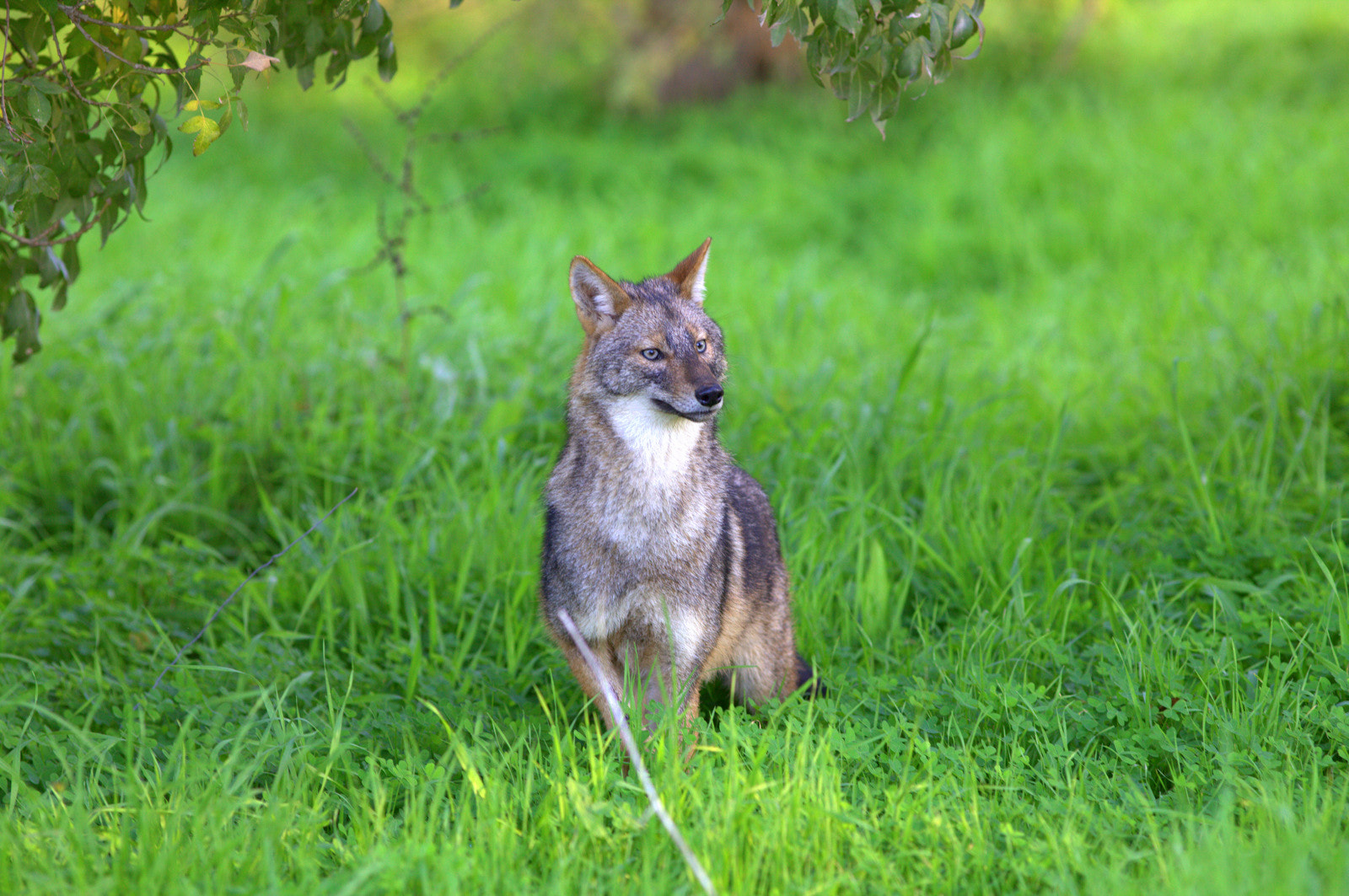
Similar Mammal Diversity, Different Activity Patterns in Grazed and Ungrazed Areas
Camera traps in four northern Israeli reserves found similar numbers of mammal species with and without livestock grazing.…
Read story →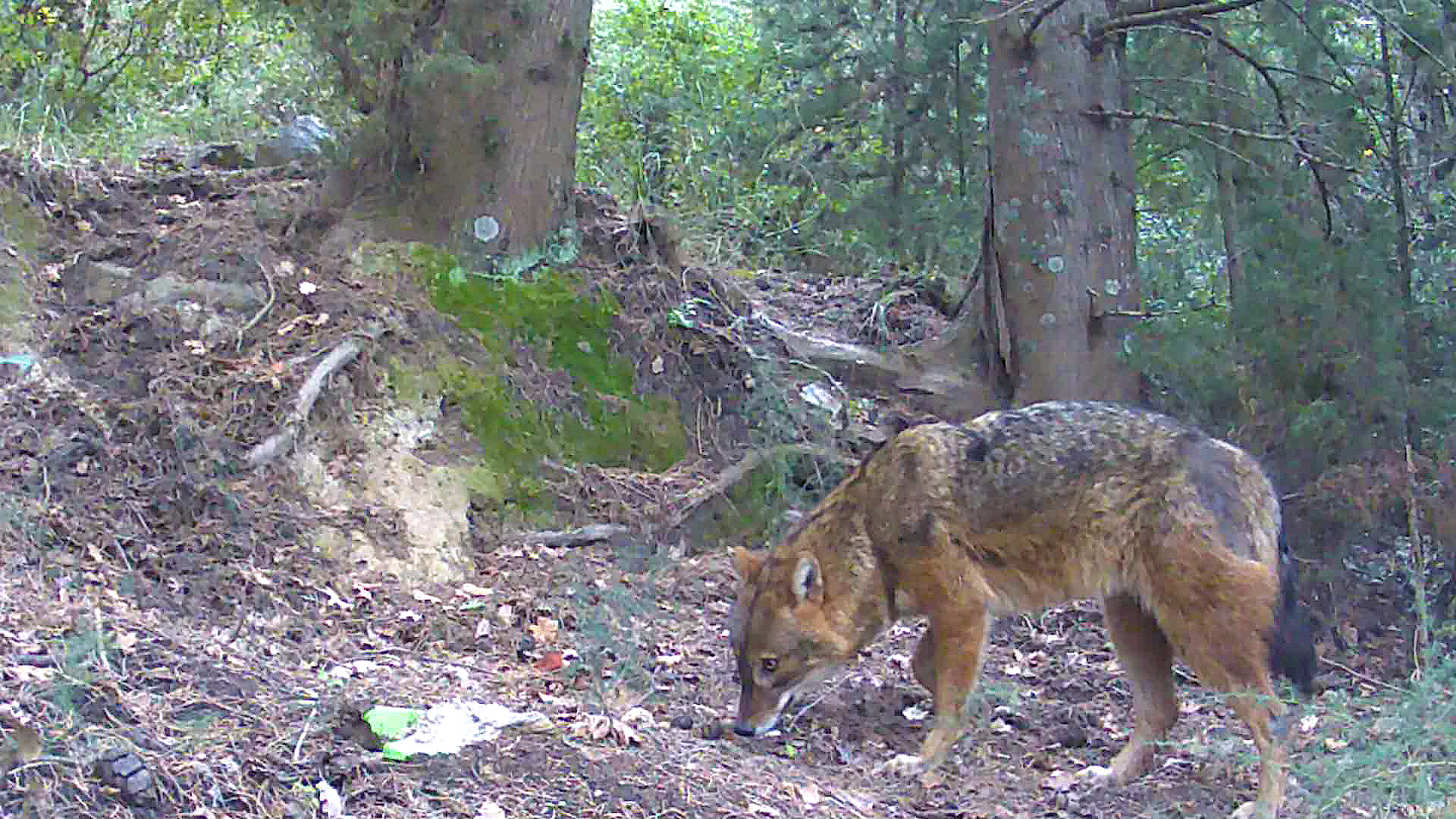
Climate Best Explained Fine-Scale Genetic Connectivity in Expanding Golden Jackals
A Eurasian landscape-genomics study of 363 golden jackals found that geography dominated genetic structure at continental scale, while…
Read story →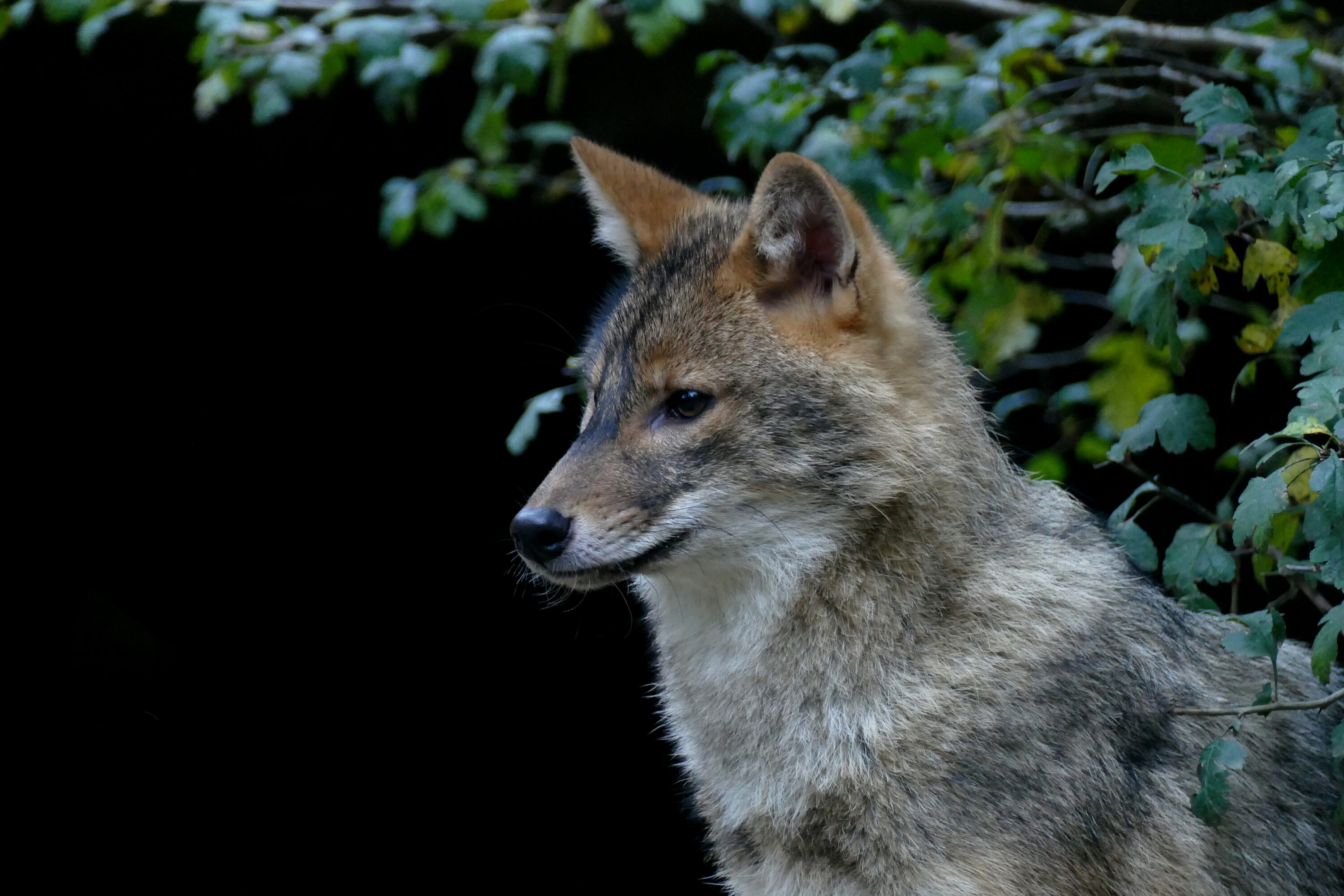
Most New Golden Jackal Samples Around the Adriatic Matched the Pannonian Genetic Cluster
Microsatellite analysis of 27 new golden jackal samples from Croatia, Italy, Austria and Greece assigned most animals to…
Read story →SPECIES IN THIS STORY
Species in this story
Independent research and conservation news archive
Did you find this information useful?
Wildlife Vagabond is independently built and maintained. Voluntary support helps cover source verification, hosting and continued work on research and conservation news.
Support Wildlife VagabondThe news archive will remain freely available.