
Giant Kingfisher’s Middle Ear Stood Out From Other Diving Birds in Comparative Study
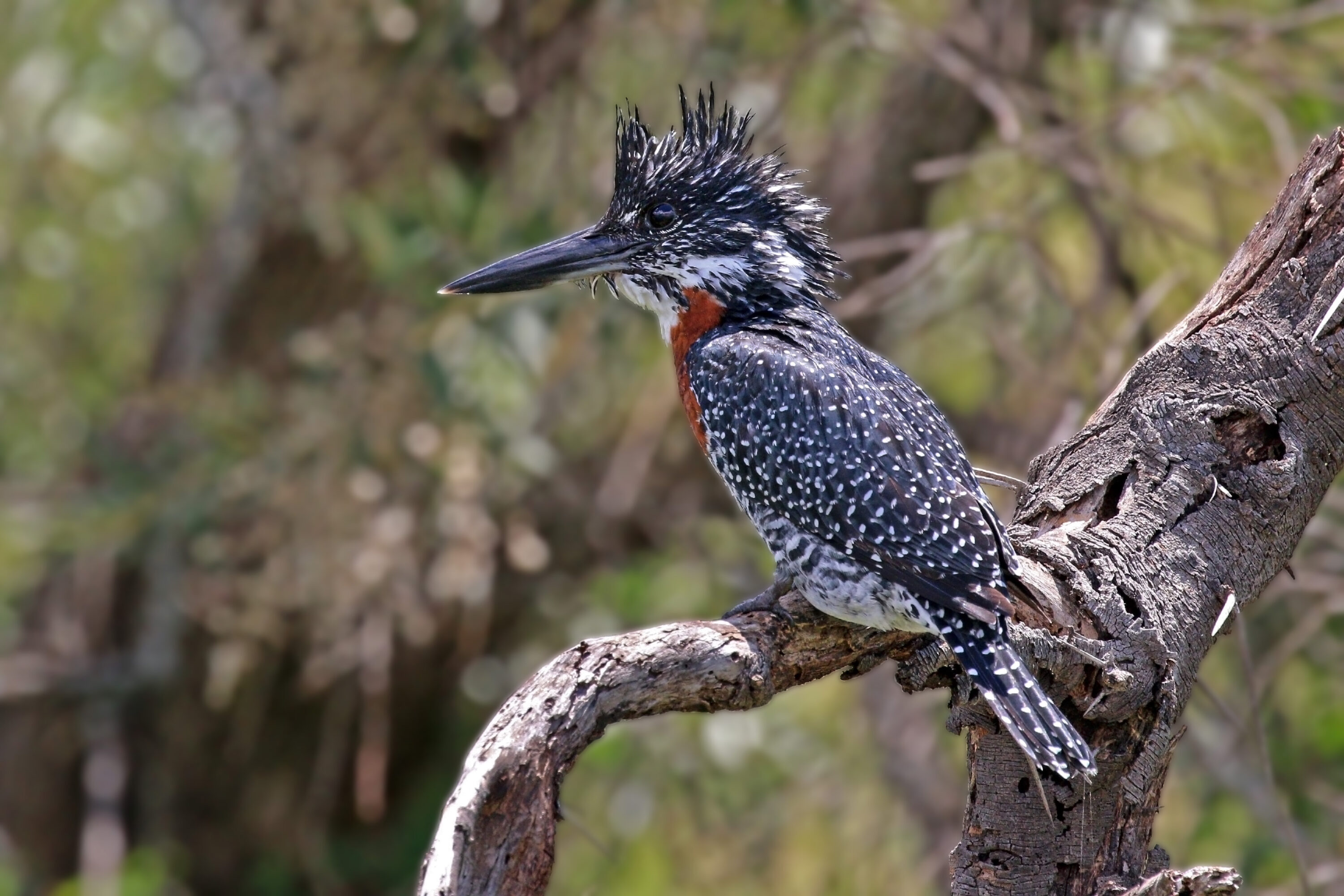
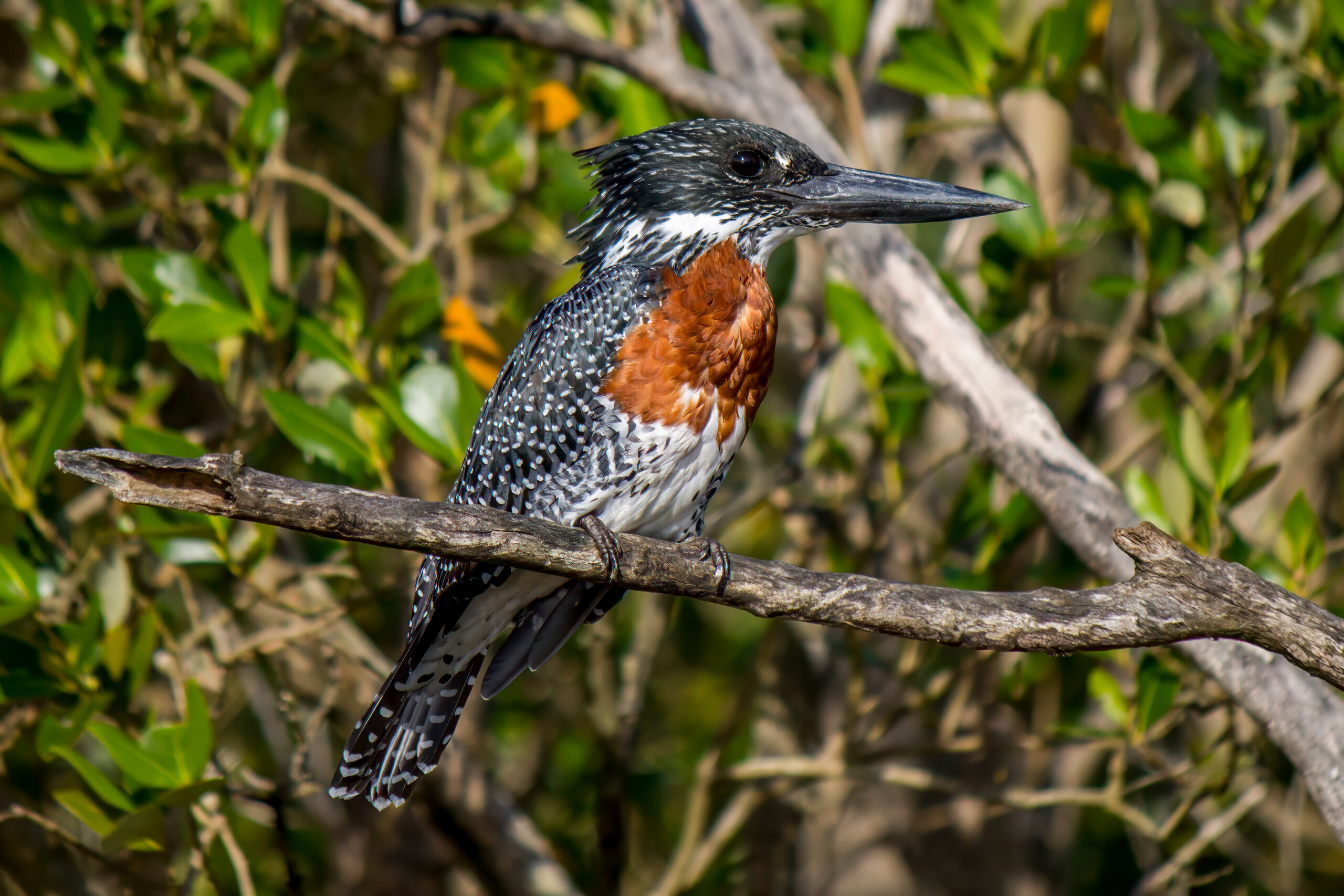
A comparative study of bird middle ears found that the giant kingfisher (Megaceryle maxima) differed strikingly from the general pattern seen in other diving birds.
Birds have a single middle-ear bone called the columella. Its broadened base, the footplate, sits in the oval window leading to the inner ear and is held in place by an annular ligament. The relative sizes of the footplate, oval window and ligament influence how the middle ear moves and transmits vibrations. When the footplate is much smaller than the oval window, more space is occupied by the flexible ligament around it; when the footplate fills more of the opening, the ligament is relatively narrower and the system can be stiffer.
Diving birds generally had larger annular ligaments
Across the species examined, aquatic birds — and diving birds in particular — generally had proportionally larger annular ligaments than terrestrial species. The author argues that the especially large ligaments found in many diving birds may make the middle ear more able to yield under changing water pressure during dives, potentially reducing the risk of barotrauma—tissue damage caused by pressure differences.
Giant kingfisher had an unusually large footplate
The giant kingfisher did not follow this general diving-bird pattern. Its footplate was unusually large for a diving bird, and its ratio between oval-window area and footplate area fell within the range typical of terrestrial birds rather than the other divers. In practical terms, its footplate occupied more of the oval window, leaving proportionally less annular ligament around it than is typical for diving birds.
The study does not establish why the kingfisher differs. The author proposes two possibilities. One is that giant kingfishers are relatively shallow divers, so they may experience less pressure-related selection on the middle ear than birds that dive more deeply. Another is that kingfishers possess other structural adaptations in the columella that could protect the ear while retaining a stiffer system and potentially better transmission of higher-frequency sounds.
The author stresses that the giant kingfisher was the only member of the kingfisher family included in the sample. A broader comparison of kingfishers is therefore needed before the unusual anatomy can be interpreted confidently as a family-level or diving adaptation.
The study was published in Journal of Morphology on 20 April 2026.
Anatomy & morphology
Related news
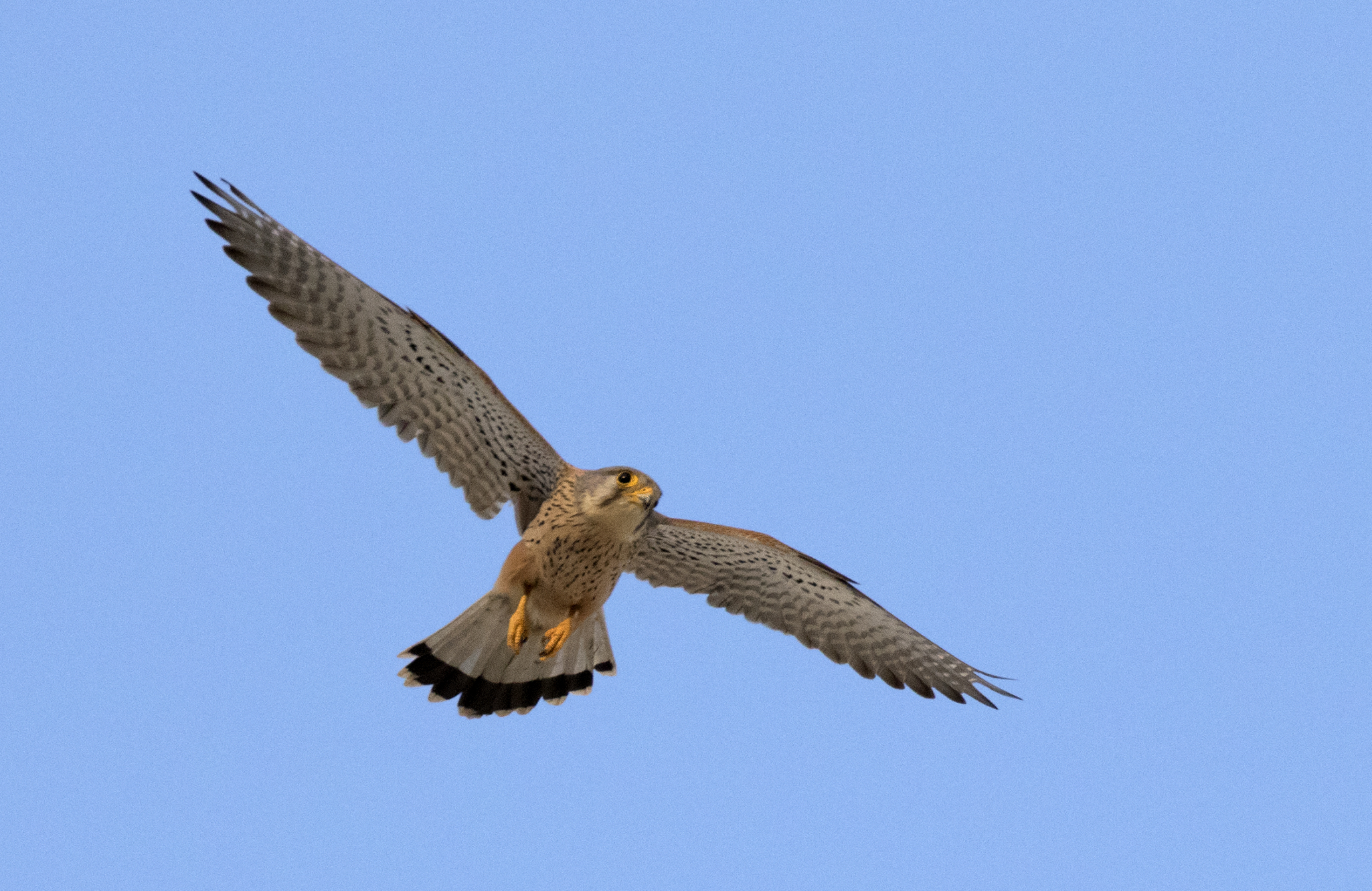
Common Kestrels Had About Twice the Tracheal Mucous-Gland Density of White Storks
A comparative study of three adult males from each of three bird species found 11.32 tracheal mucous glands…
Read story →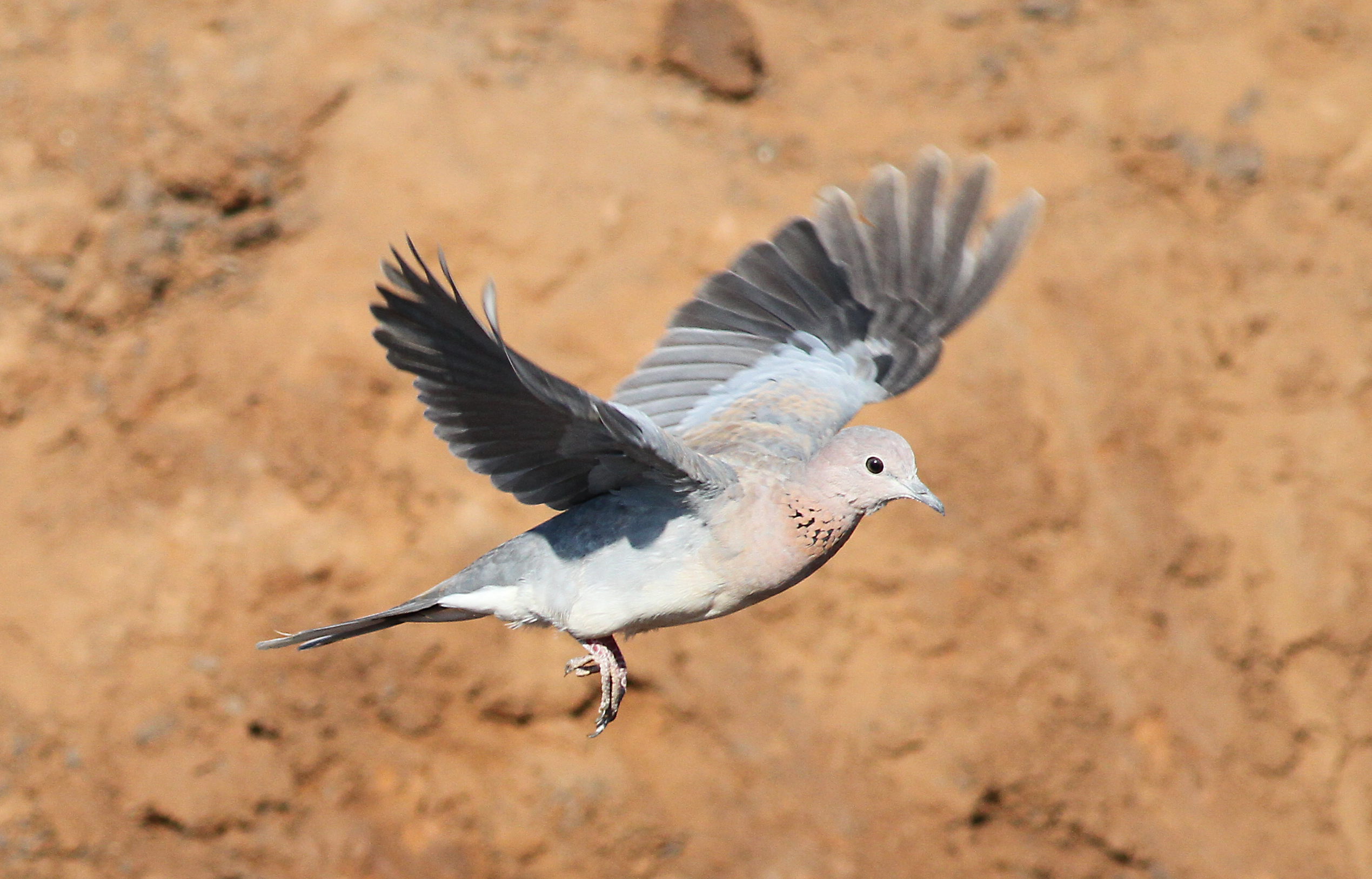
Laughing Dove Eye Pecten Mapped From 12–13 Pleats to Cell Markers
Researchers mapped the pecten oculi, a vascular structure unique to bird eyes, in the laughing dove. Its 12–13…
Read story →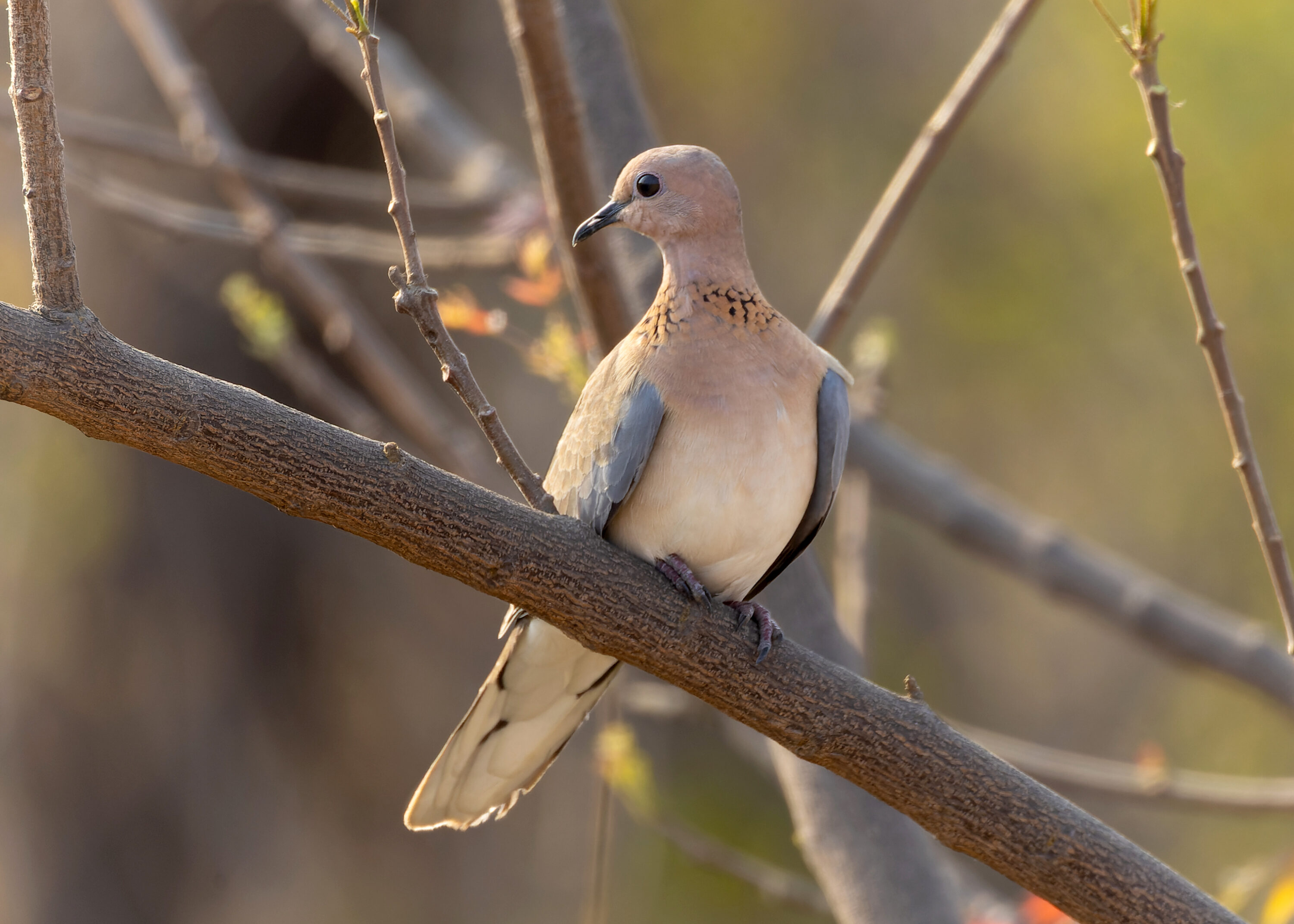
Progressive Greying Recorded in a Laughing Dove in Asia for the First Time
An adult laughing dove photographed in Karnataka, India, had localised white feathers on the head and shoulder region.…
Read story →SPECIES IN THIS STORY
Species in this story
Independent research and conservation news archive
Did you find this information useful?
Wildlife Vagabond is independently built and maintained. Voluntary support helps cover source verification, hosting and continued work on research and conservation news.
Support Wildlife VagabondThe news archive will remain freely available.