
First Reported Giardia Detections in Four Wild Herbivore Species in Kenya
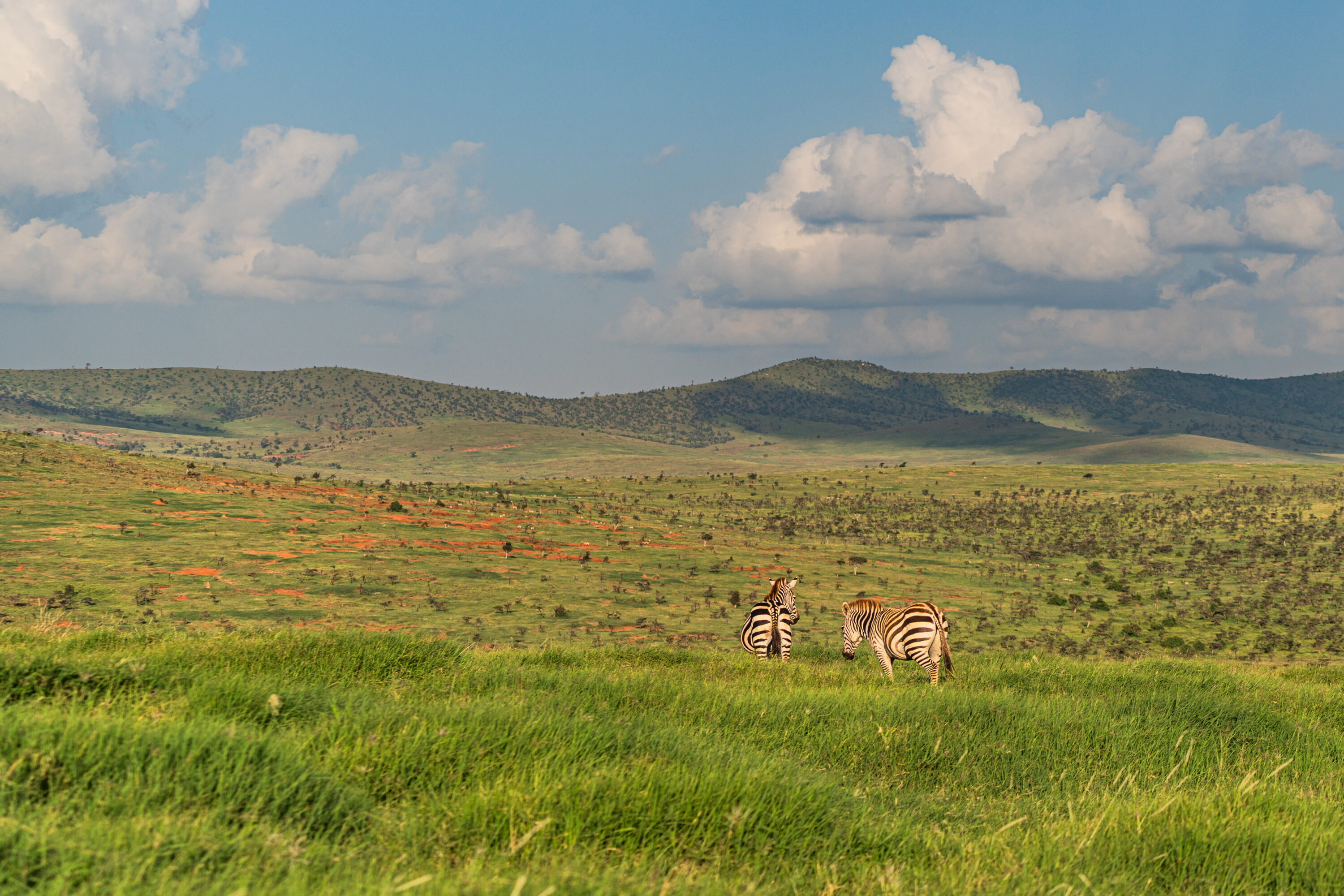
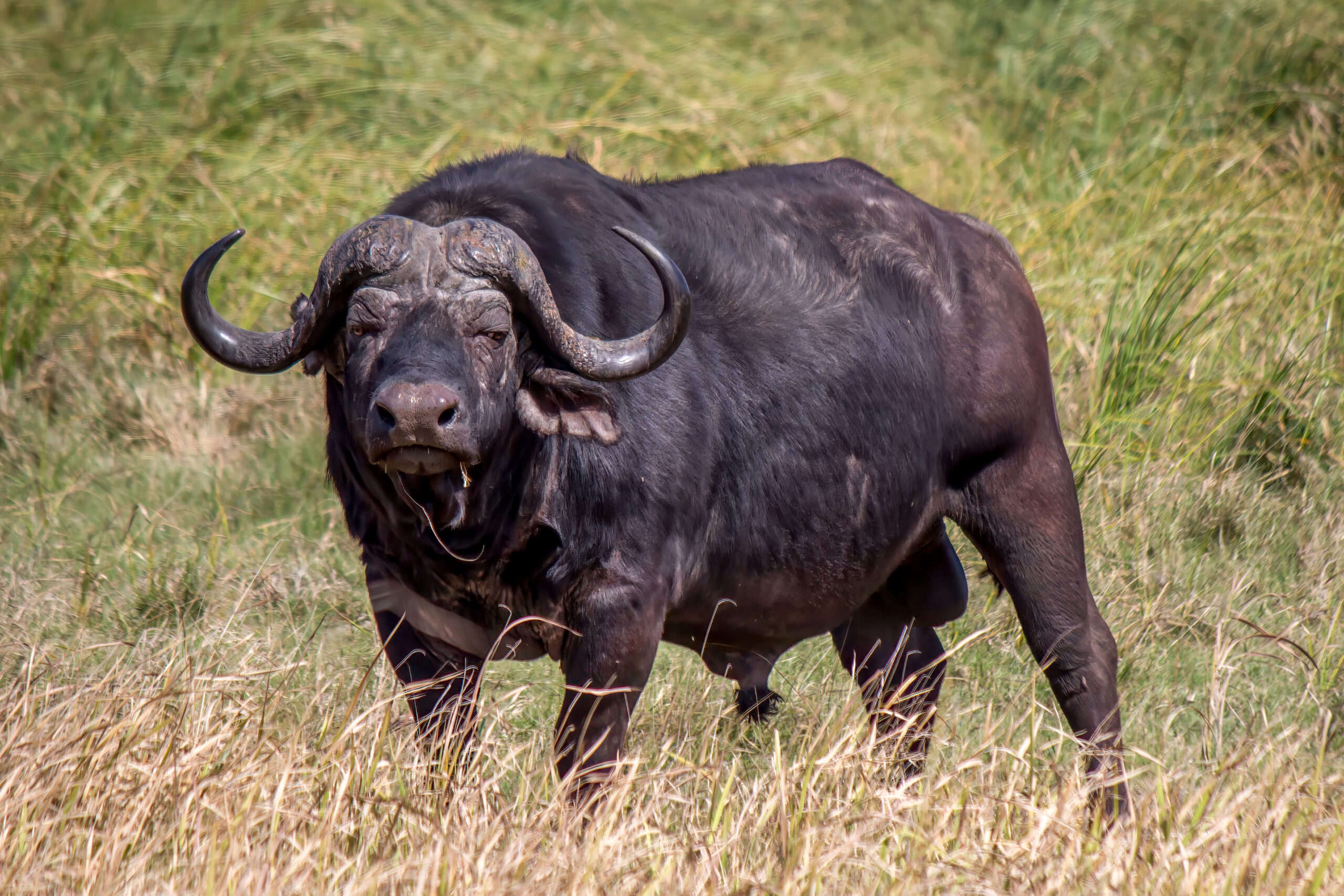
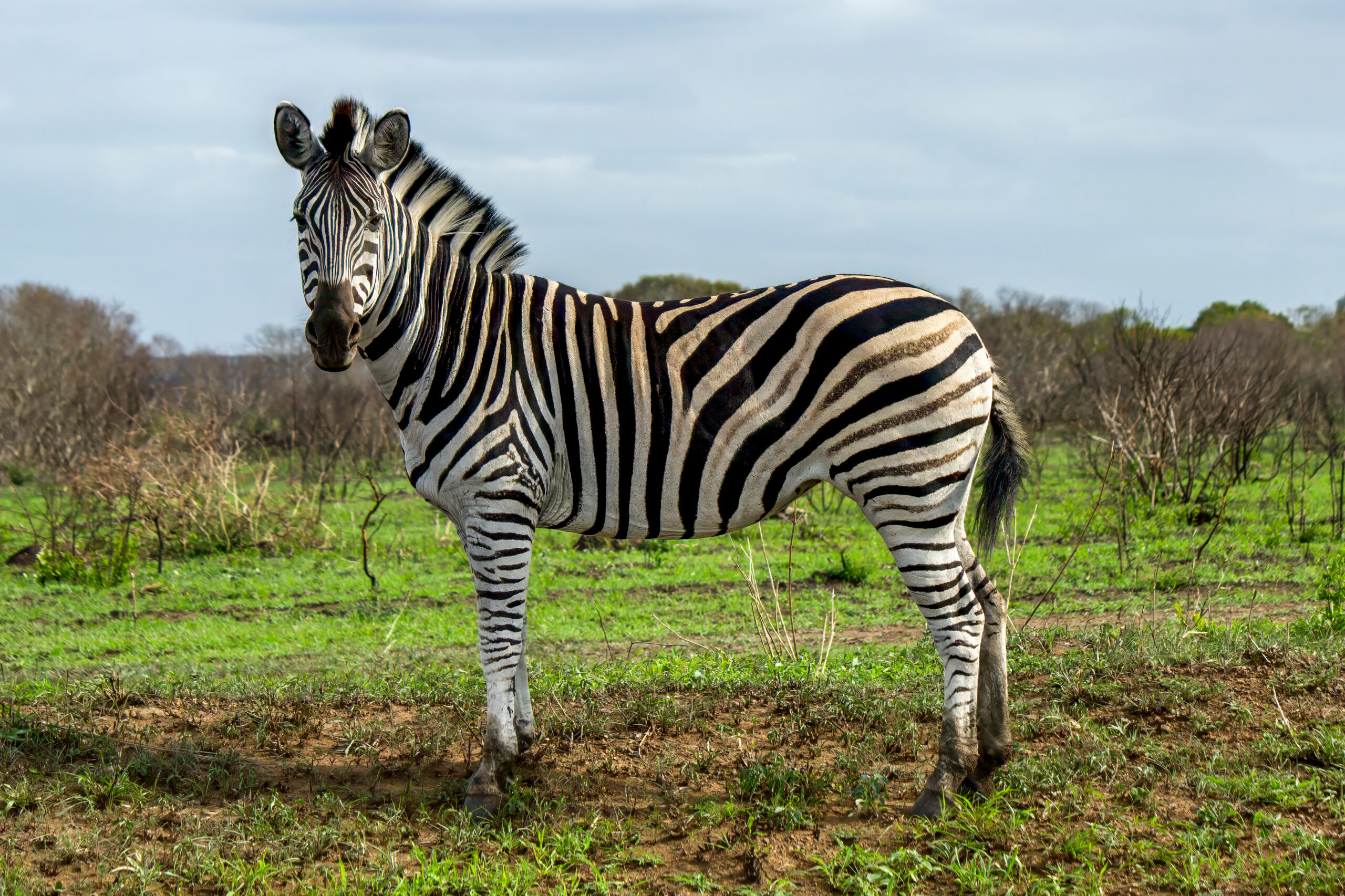
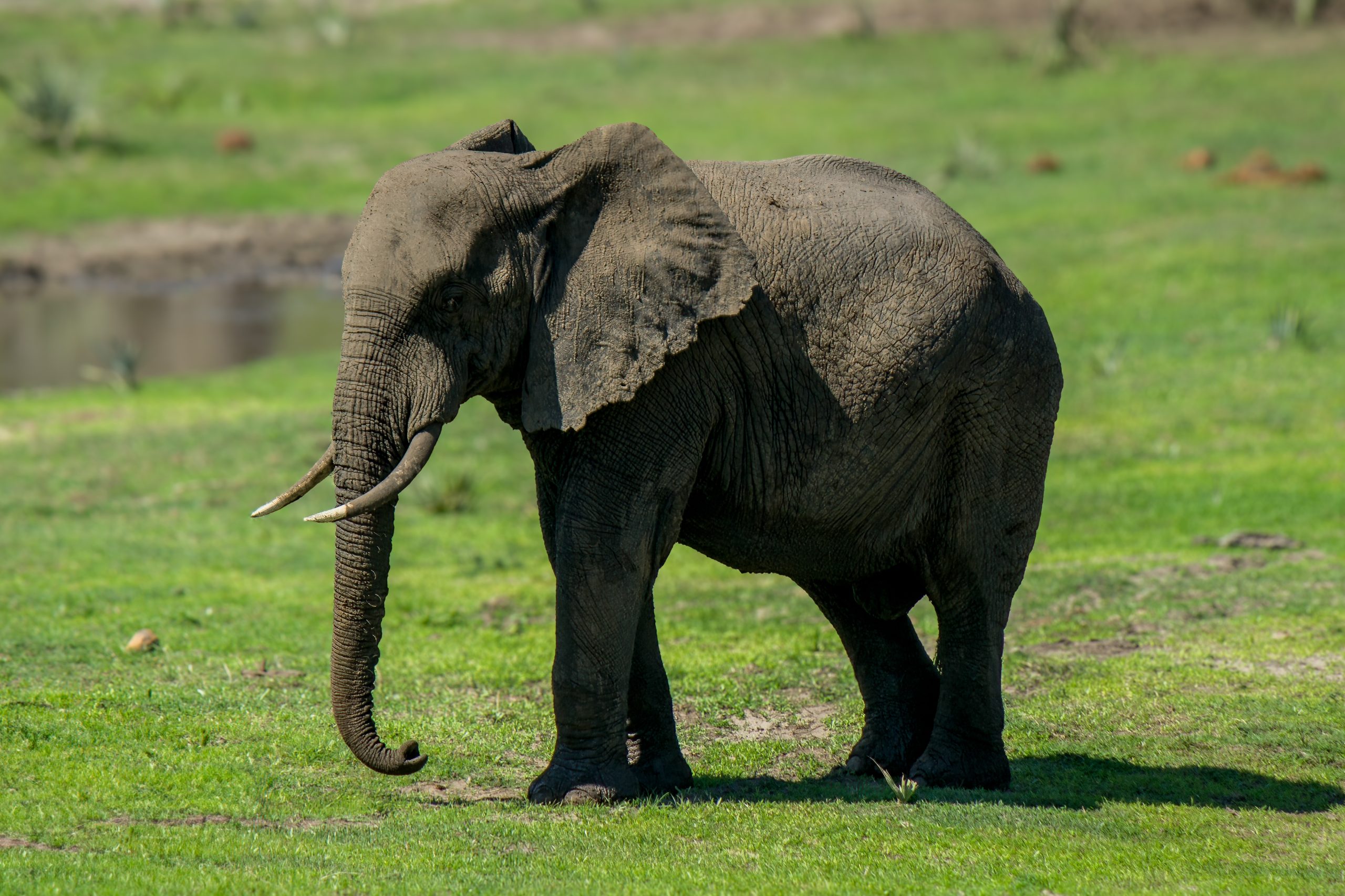
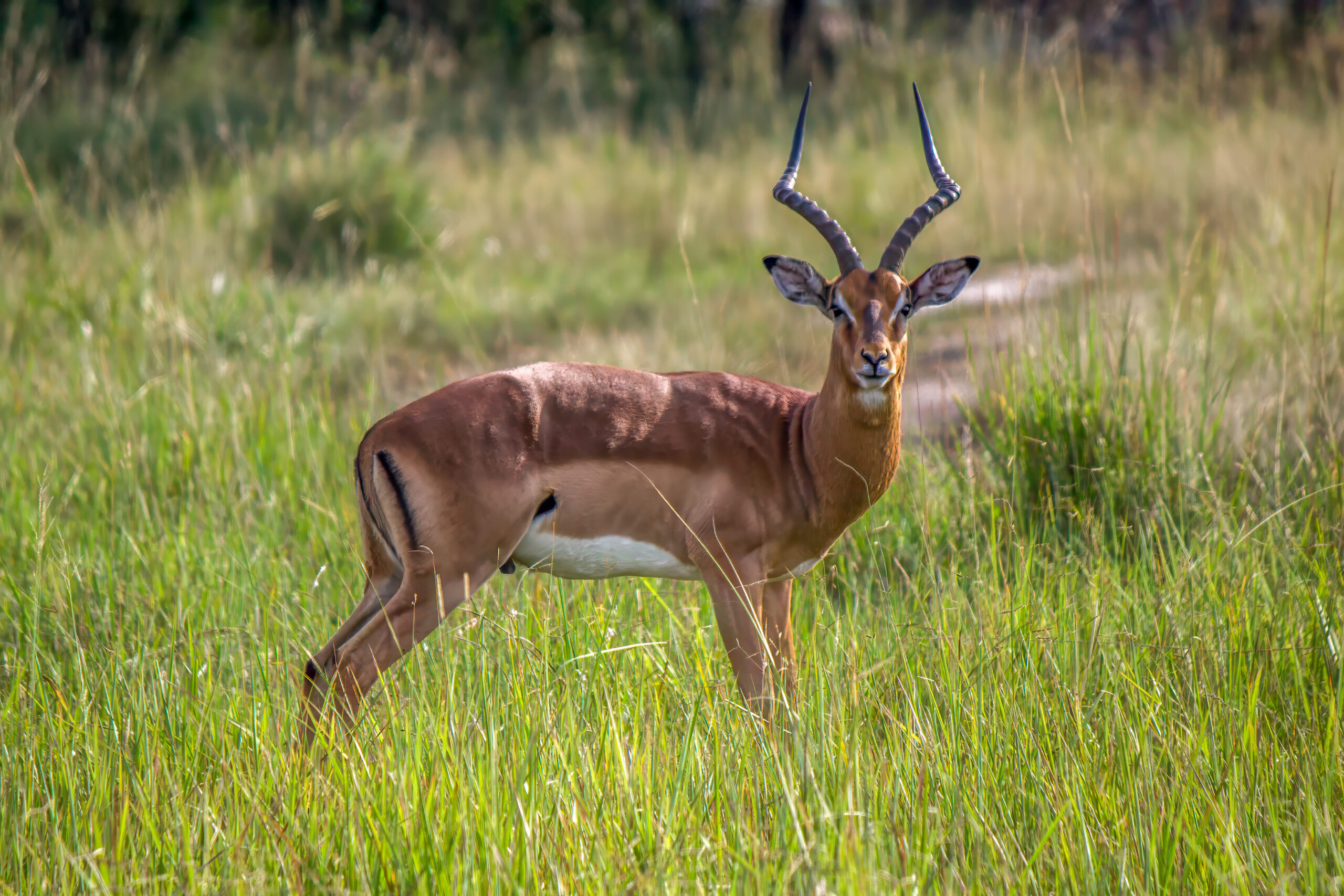
A 2026 molecular study from Laikipia, Kenya, documented Giardia in four wild herbivores in which the parasite had not previously been reported: African buffalo (Syncerus caffer), plains zebra (Equus quagga), African bush elephant (Loxodonta africana) and impala (Aepyceros melampus). The work examined parasite occurrence across a landscape where wildlife and livestock share grazing areas and water sources.
Researchers collected 839 faecal samples from ten host species during 2022, 2024 and 2025. Six wildlife species and four livestock species were sampled, with cattle, sheep, goats, impala and plains zebra providing the largest sample sizes. The samples were screened molecularly for the intestinal protozoan parasites Giardia and Cryptosporidium, which are associated with diarrhoeal disease and include genetic types capable of infecting both animals and people. A subset of positive samples was sequenced to identify genetic assemblages and species. A positive PCR meant parasite DNA was detected in a faecal sample; the test did not measure infection intensity, show whether the animal was clinically ill or reveal the direction of transmission between hosts.
Giardia was detected far more often than Cryptosporidium
Giardia was much more frequently detected than Cryptosporidium. Across the sampled host species, mean observed Giardia sample positivity ranged from 21% in 2022 to 27% in 2025, whereas Cryptosporidium sample positivity ranged from 0 to 5%. Among the five best-sampled host species, plains zebra had the lowest observed share of Giardia-positive samples: 20 of 150 zebra samples were positive, or 13.3%. Impala had 44 positive samples among 153 tested, corresponding to 28.8%.
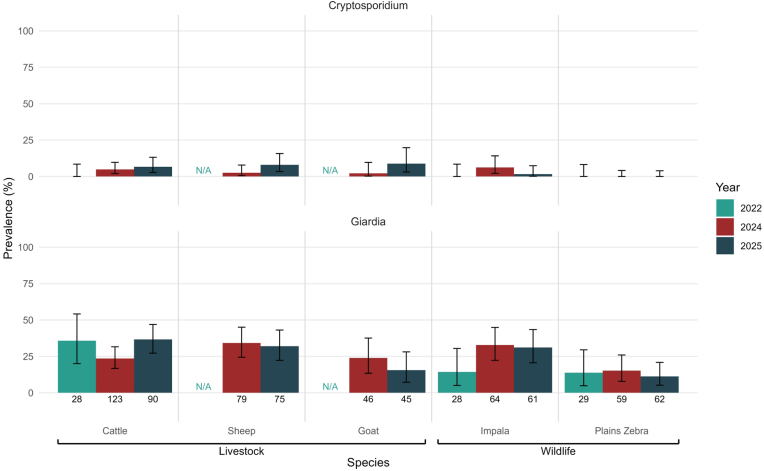
The smaller opportunistic samples also produced positive Giardia detections in African buffalo and African bush elephant. Two of ten buffalo samples and one of ten elephant samples were positive. The authors note that this is the first reported detection of Giardia in African buffalo, plains zebra, African bush elephant and impala.
Animal-adapted parasite types predominated
Genetic analysis showed that animal-adapted parasite types predominated. The livestock-associated Giardia duodenalis assemblage E was most common. An assemblage is a genetically defined major group within G. duodenalis; potentially zoonotic assemblages AI and AII — genetic types capable of infecting people — occurred much less often. Among Cryptosporidium, most identified species were adapted to ungulates, although the potentially zoonotic Cryptosporidium ubiquitum was also detected.
The study also recorded G. duodenalis assemblage A for the first time in plains zebra and impala, as well as in dromedary camel. Because several parasite types occurred in both wild and domestic hosts, the authors point to shared grazing areas and water points as possible routes for transmission between species. At the same time, the predominance of animal-adapted genotypes suggests greater potential for animal-to-animal transmission cycles than for animal-to-human transmission in this landscape.
Disease, parasites & microbiology
Related news
Food Leaves Its Mark on the Gut Bacteria of Kruger’s Wildlife
Gut bacteria in nine mammal species from Kruger National Park followed clear patterns linked to food and digestion.…
Read story →
Elephants, Buffalo and Impala Began Fleeing at Greater Distances in a Zimbabwe Hunting Area During the Dry Season
During the dry season, elephants, African buffalo and impala collectively began moving away from vehicles at greater distances…
Read story →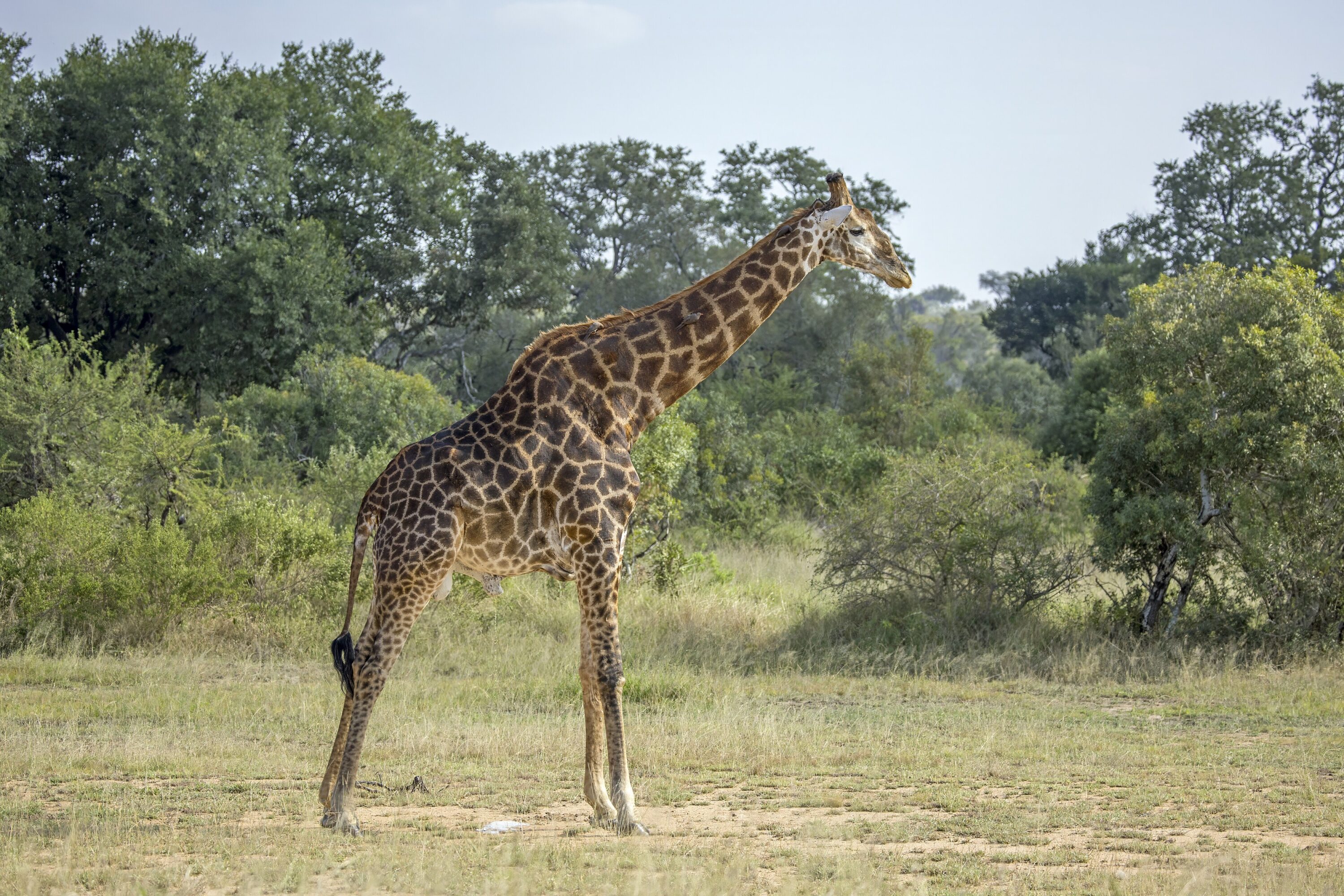
Kruger Herbivores Concentrated Around Reservoirs, but Three Species Favoured Undammed Drainages
Camera traps around 11 reservoirs and 11 undammed drainages in Kruger found higher modelled metabolic biomass around reservoirs…
Read story →SPECIES IN THIS STORY
Species in this story
Independent research and conservation news archive
Did you find this information useful?
Wildlife Vagabond is independently built and maintained. Voluntary support helps cover source verification, hosting and continued work on research and conservation news.
Support Wildlife VagabondThe news archive will remain freely available.