
Elephants, Buffalo and Impala Began Fleeing at Greater Distances in a Zimbabwe Hunting Area During the Dry Season
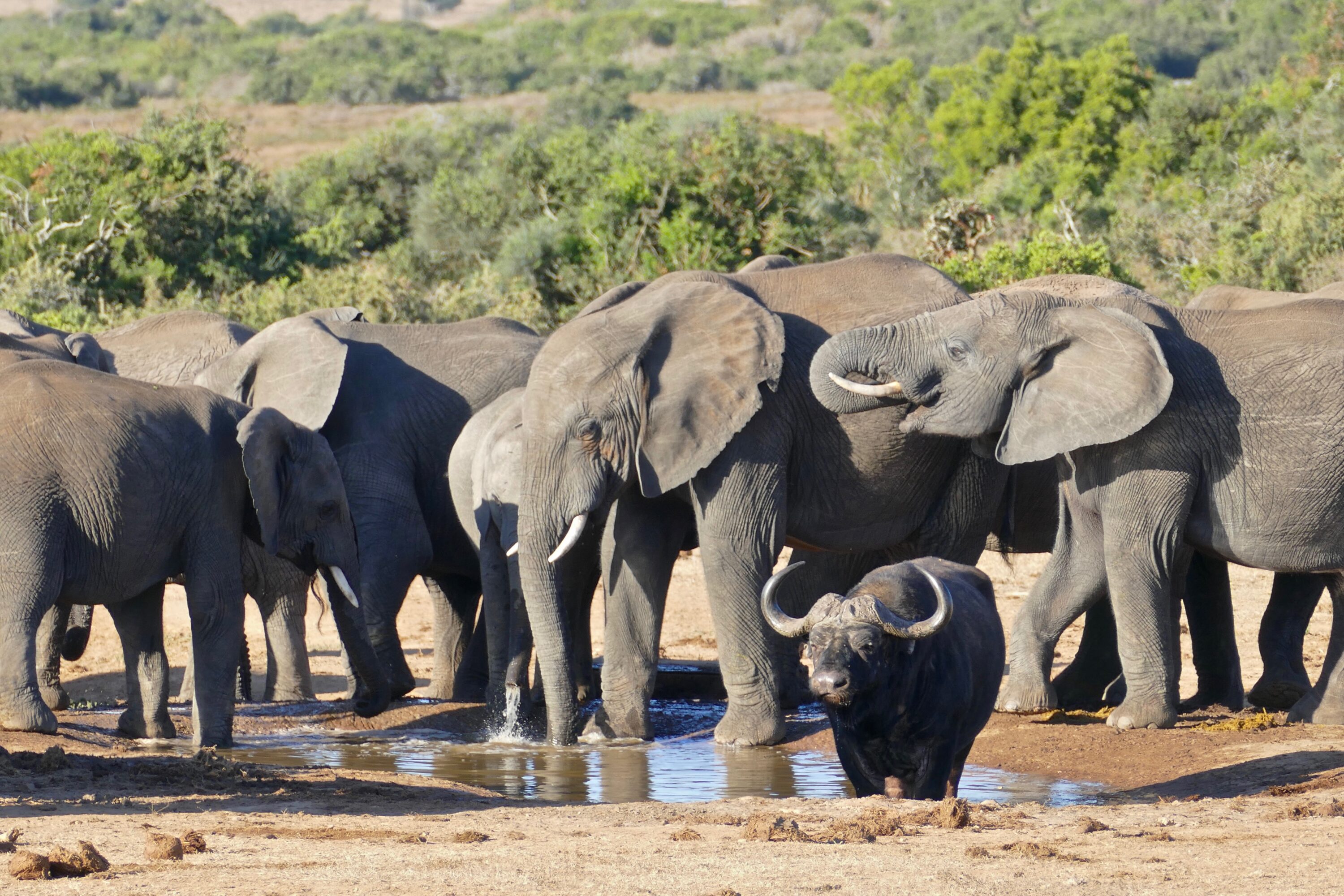
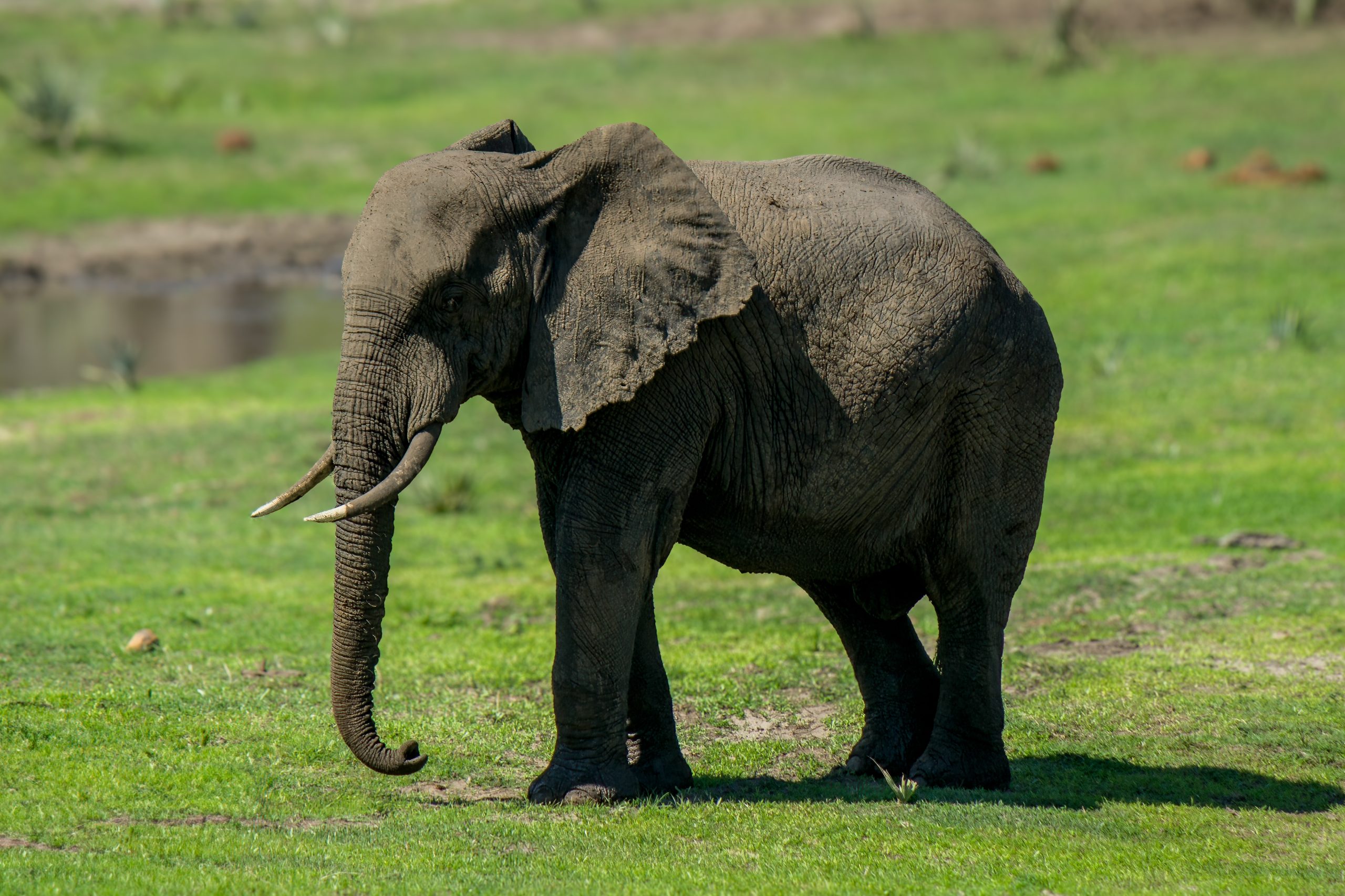
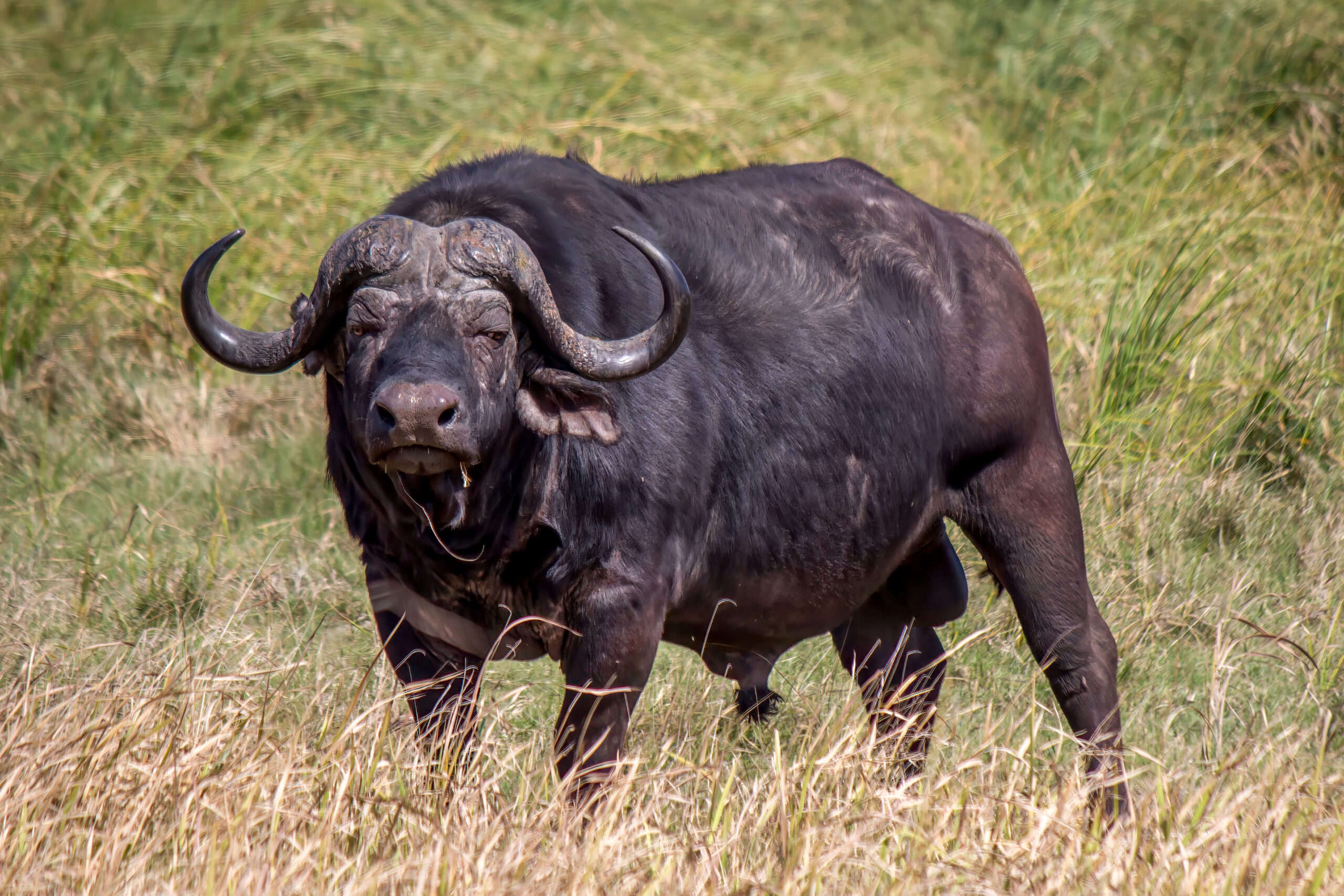
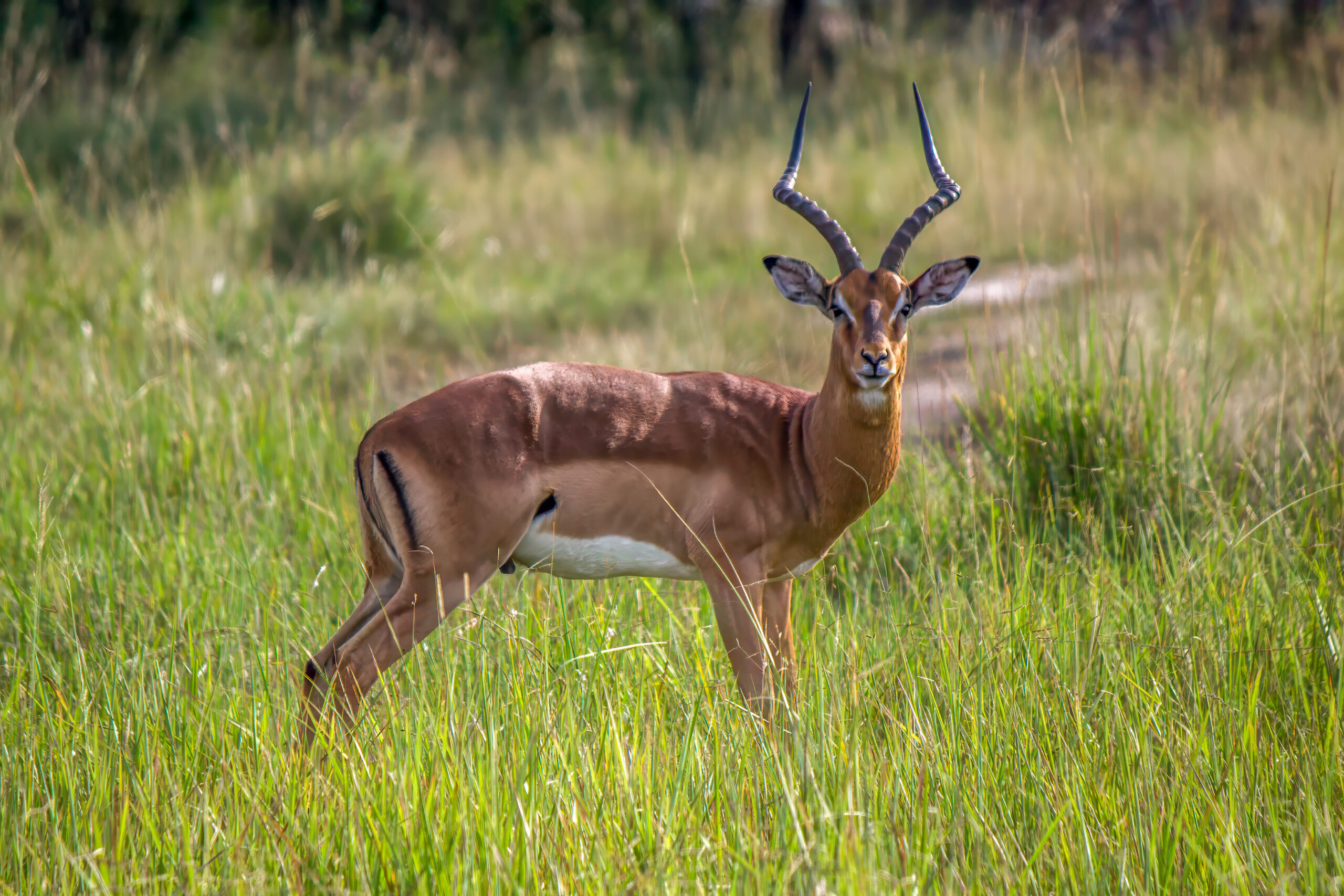
A field study in northern Zimbabwe found that African bush elephants (Loxodonta africana), African buffalo (Syncerus caffer) and impala (Aepyceros melampus) began moving away from approaching vehicles at greater distances in a hunting section than in a neighbouring non-hunting section during the dry season. The same land-use difference was not statistically clear during the wet season.
The researchers compared Nyakasanga, where hunting occurs, with the adjacent Rifa section of Hurungwe Safari Area, which is managed without hunting. They surveyed twenty 10-km road transects — fixed survey routes along which observers repeatedly recorded wildlife — during August–October 2023 and again during January–March 2024.
Flight-initiation distance was greater in the hunting section during the dry season
Flight-initiation distance is the distance between an animal and an approaching threat when the animal first begins to move away. During the dry season, the three focal species collectively showed significantly greater flight-initiation distances in Nyakasanga than in Rifa. During the wet season, the difference between the two sections was not statistically clear.
The species did not all show the same seasonal pattern. Impala had significantly greater flight-initiation distances in the dry season than in the wet season. African buffalo showed the same direction of change but without clear statistical support, and African bush elephants also showed no statistically clear seasonal difference when analysed separately.
Animals in the non-hunting section more often stopped to assess the vehicle
Behaviour after detecting the vehicle also differed between sections. In Nyakasanga, about 27% of observations involved animals stopping and staring, compared with 45% in Rifa. Animals in the hunting section were more likely to move directly into escape behaviour, and 33% of recorded escape responses there involved running 51–100 metres.
The authors interpret the combination of greater dry-season flight distances and different vigilance responses as evidence that wildlife in the hunting section perceived approaching vehicles as a greater threat. They suggest the pattern may be strongest in the dry season because animals are more concentrated around limited water and vegetation cover is reduced.
The comparison does not isolate every influence on behaviour
The study compared neighbouring management sections rather than experimentally assigning hunting pressure. Sex, age and group size could not be controlled fully, and the observations were divided into only two broad seasonal categories. Habitat also varied within the study area. The authors therefore recommend larger, longer studies with more individual-level information.
They note that repeated vigilance and escape can potentially reduce time available for feeding or resting and increase energetic costs. Greater flight distances can also affect wildlife viewing because animals become harder to approach. The main result, however, is the behavioural contrast observed between the hunting and non-hunting sections, especially during the dry season.
Behaviour
Related news
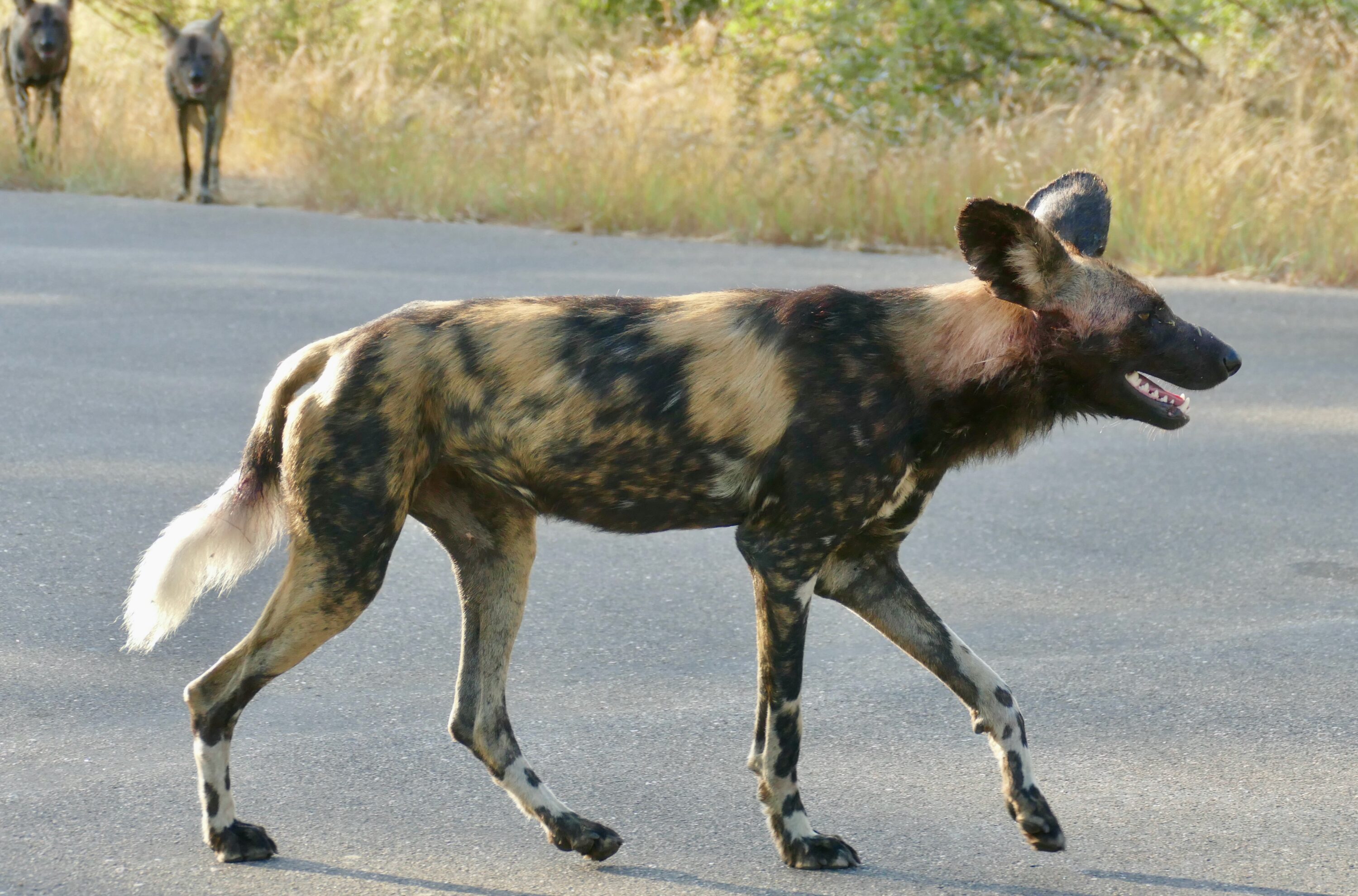
Food Leaves Its Mark on the Gut Bacteria of Kruger’s Wildlife
Gut bacteria in nine mammal species from Kruger National Park followed clear patterns linked to food and digestion.…
Read story →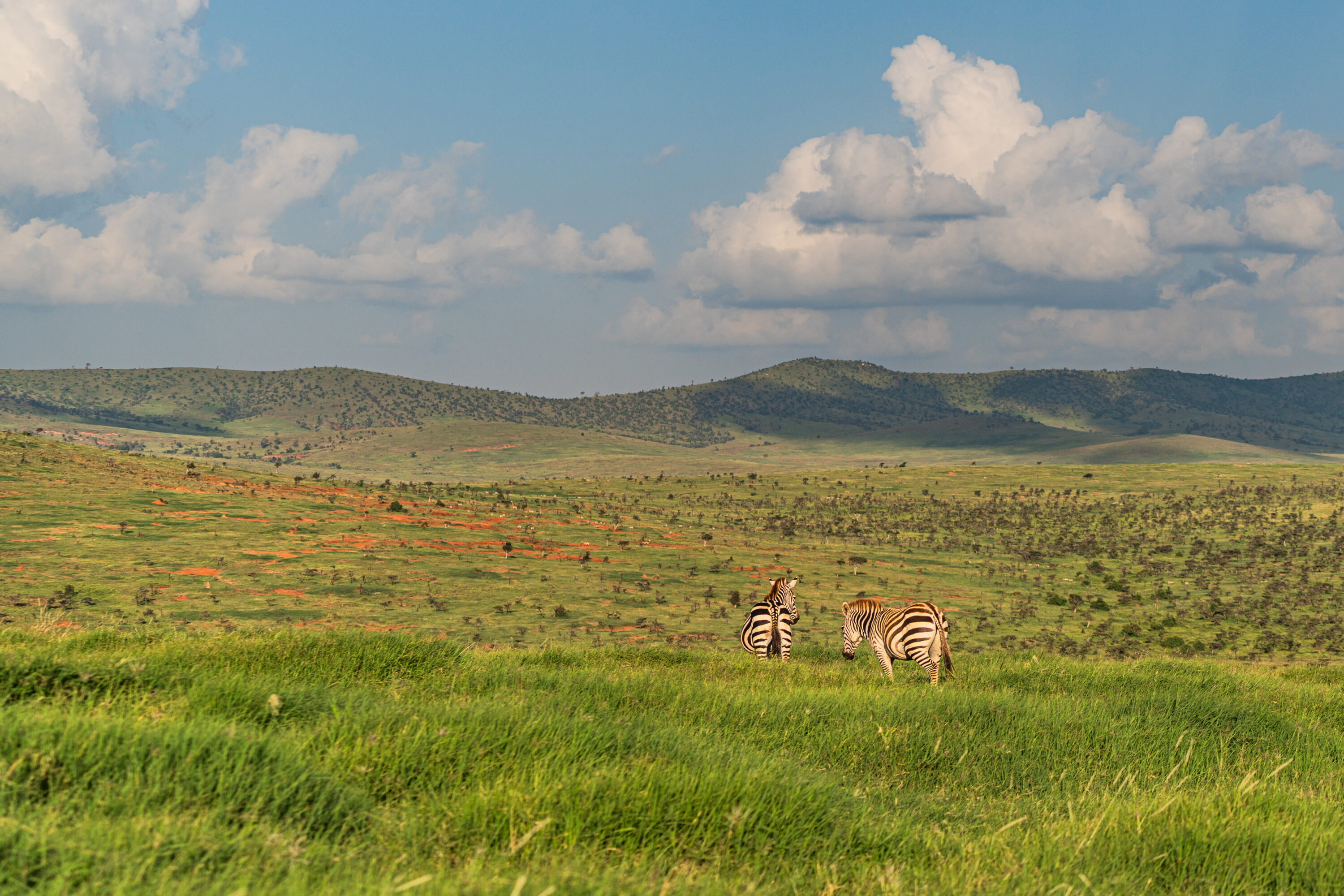
First Reported Giardia Detections in Four Wild Herbivore Species in Kenya
Molecular screening of wildlife and livestock in Laikipia produced the first reported Giardia detections in African buffalo, plains…
Read story →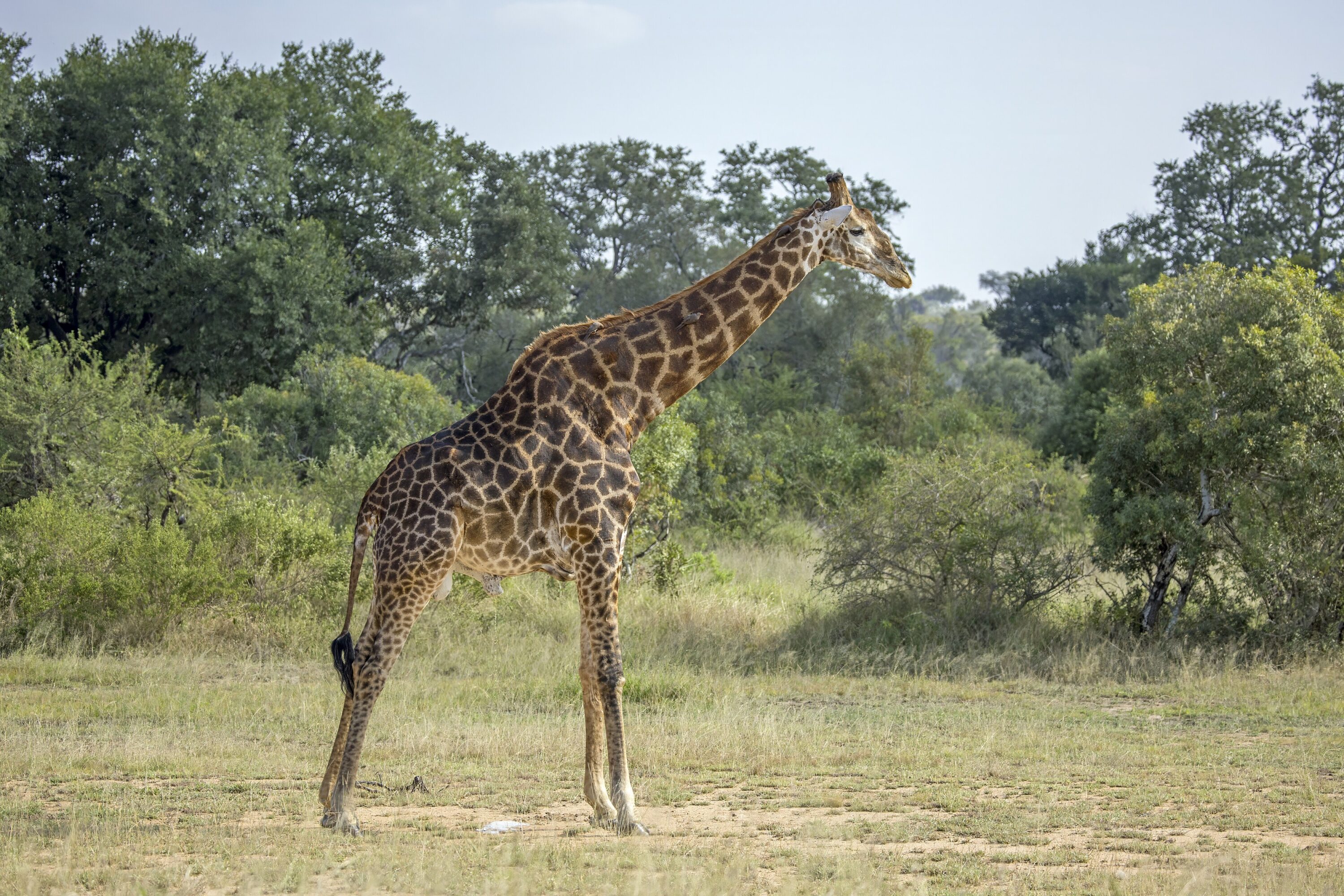
Kruger Herbivores Concentrated Around Reservoirs, but Three Species Favoured Undammed Drainages
Camera traps around 11 reservoirs and 11 undammed drainages in Kruger found higher modelled metabolic biomass around reservoirs…
Read story →SPECIES IN THIS STORY
Species in this story
Independent research and conservation news archive
Did you find this information useful?
Wildlife Vagabond is independently built and maintained. Voluntary support helps cover source verification, hosting and continued work on research and conservation news.
Support Wildlife VagabondThe news archive will remain freely available.