
Goldcrest Song Activity Was Higher in Spruce-rich Polish Forests

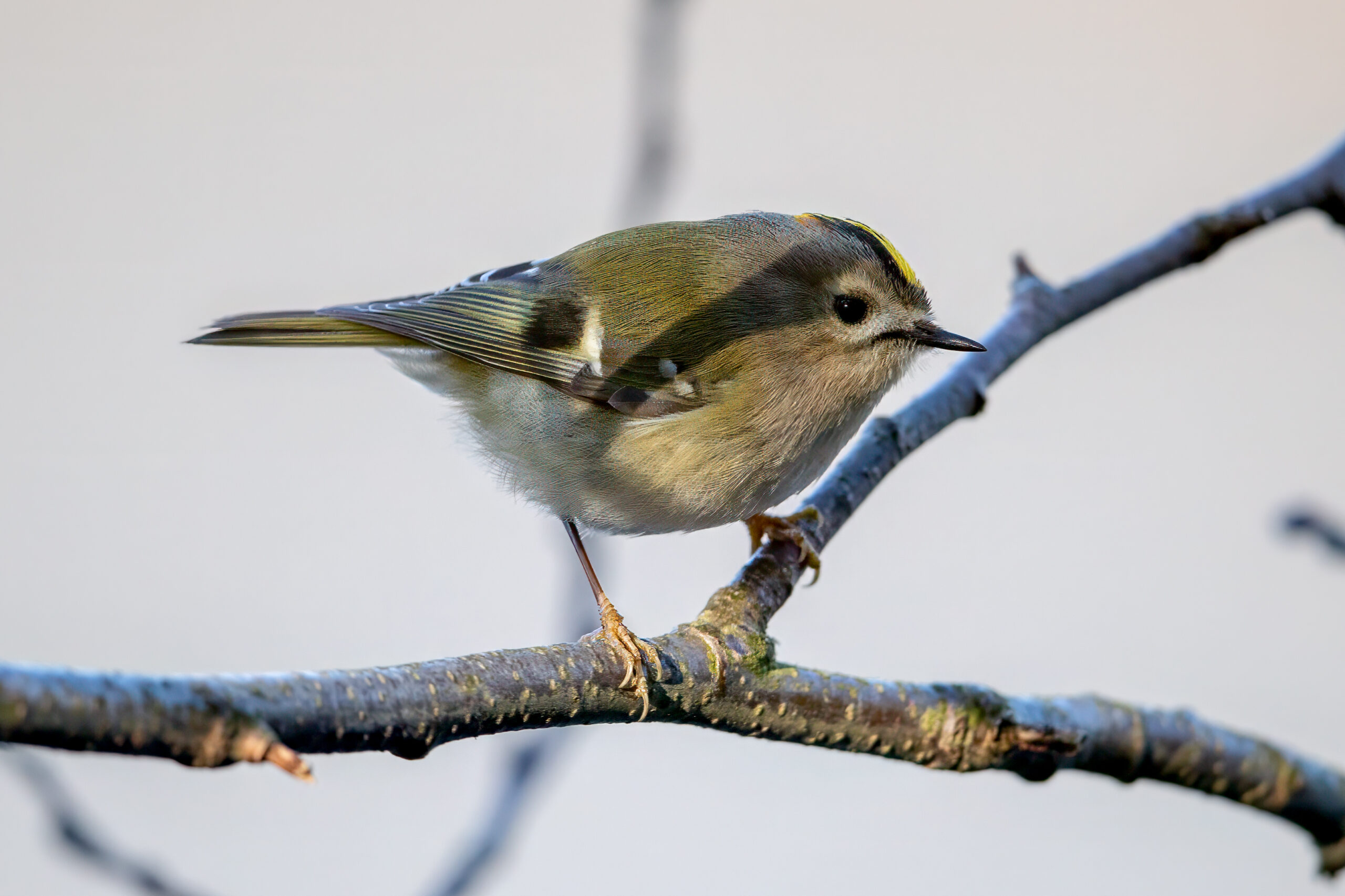
Goldcrest (Regulus regulus) song activity was strongly associated with conifer cover, especially Norway spruce, in a Polish forest study published on 23 March 2026. Researchers compared passive acoustic monitoring with conventional point counts for goldcrest and firecrest (Regulus ignicapilla) at 30 sites in the Romincka Forest.
A point count is a survey in which observers remain at a fixed location for a set period and record birds seen or heard, allowing sites to be compared in a standardised way.
Automated recorders collected more than 33,000 songs from the two species. Measures of vocal activity from the recordings were positively correlated with both field detections and mapped territories, supporting the use of passive acoustic monitoring as a complementary indicator of abundance for these small and often inconspicuous forest birds.
Goldcrests were linked to conifers and tree diversity
Goldcrest vocal activity increased with the proportion of coniferous trees and showed its strongest association with spruce. Activity was also higher where local tree-species richness was greater. The authors interpret these relationships as consistent with the species’ affinity for structurally diverse, conifer-dominated stands.
Firecrests showed a different pattern. Their abundance was not related to forest structure in the passive acoustic data, while conventional point counts indicated avoidance of pine and fewer detections in stands with greater tree-species richness. Neither species showed a significant relationship with stand age.
The two monitoring methods broadly agreed
Traditional point counts indicated that goldcrests were more numerous than firecrests, with an estimated territorial ratio of about three to two. The generally positive relationships between acoustic activity and conventional survey measures show that recording devices can reveal meaningful spatial variation while allowing much longer observation periods than short field visits.
Ecology
Related news
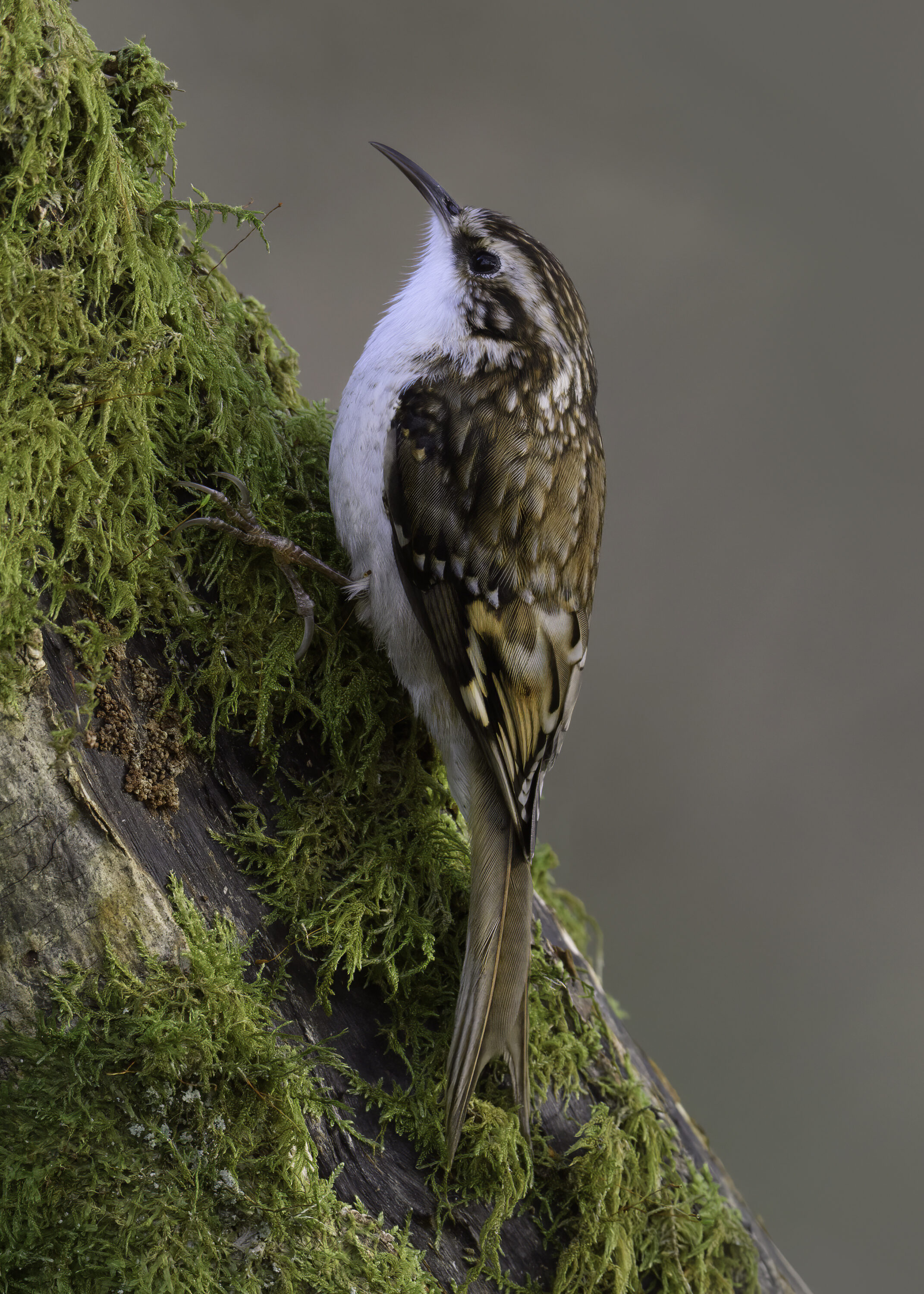
Eurasian Treecreeper Vocal Activity Declined Even at Low-impact Clearcut Sites
A Finnish before-and-after study found lower Eurasian treecreeper vocal activity even where less than one-third of nearby forest…
Read story →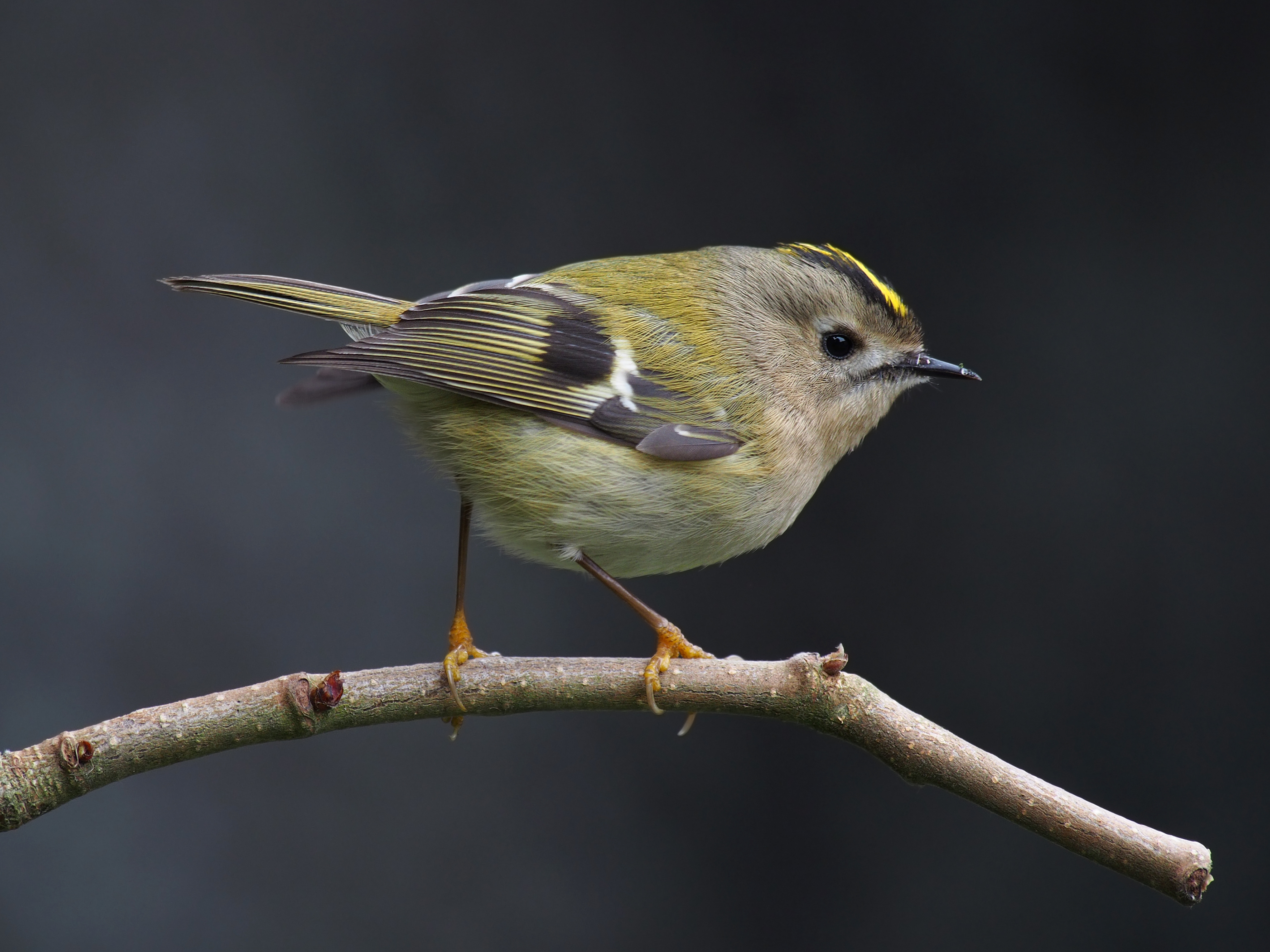
Goldcrest Was Associated With Conifer-Dominated Forest Sites Around Jena
A year-round acoustic study around Jena recorded goldcrest on 778 activity-days and associated it, together with crested tit…
Read story →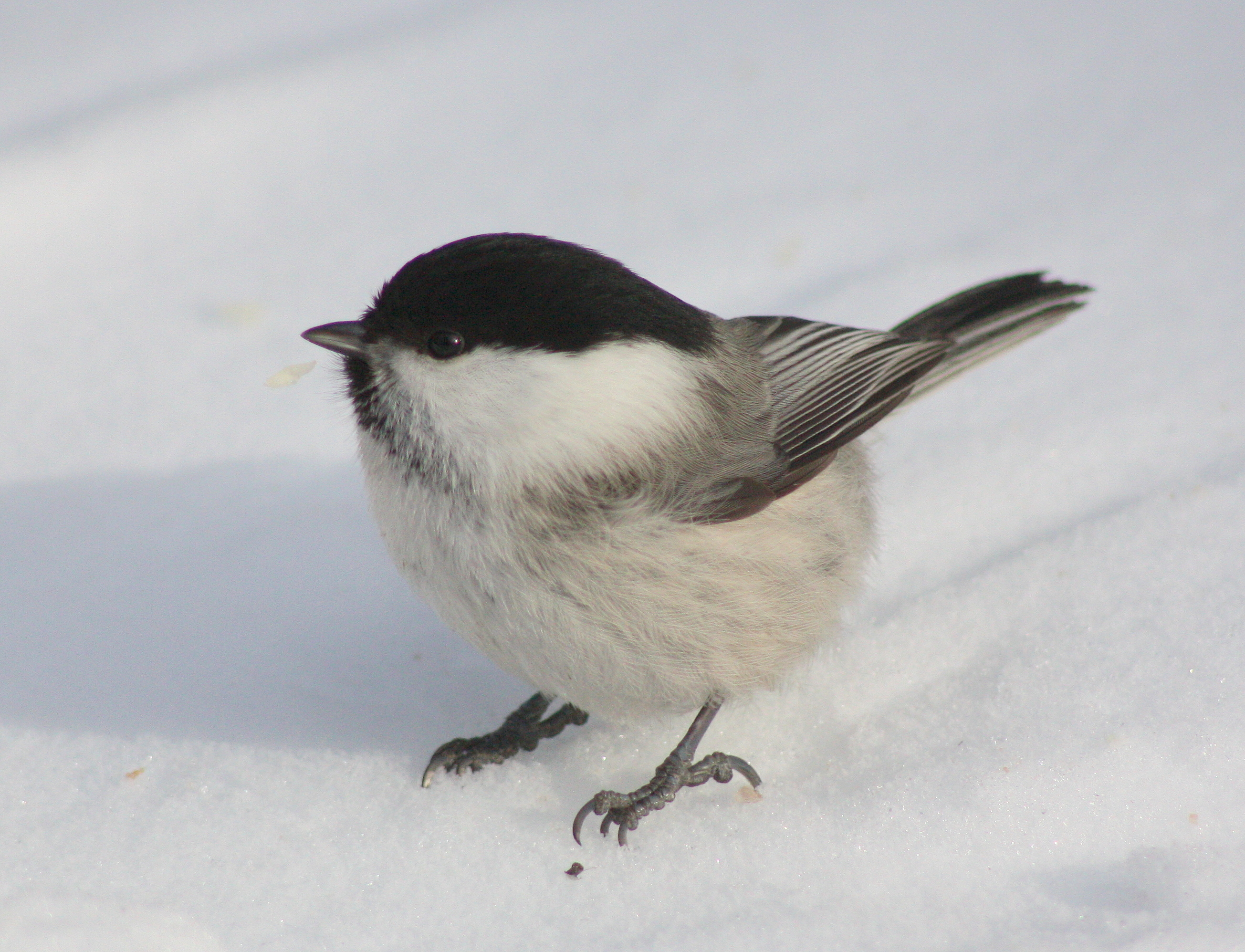
Willow Tits Were Much Less Likely to Be Recorded Beyond 50 Metres From Green Corridors in Oulu
Across 153 forest patches in Oulu, willow tits were much less likely to be recorded once patches lay…
Read story →SPECIES IN THIS STORY
Species in this story
Independent research and conservation news archive
Did you find this information useful?
Wildlife Vagabond is independently built and maintained. Voluntary support helps cover source verification, hosting and continued work on research and conservation news.
Support Wildlife VagabondThe news archive will remain freely available.