
Golden Jackal Added to Dutch National Protection Regime
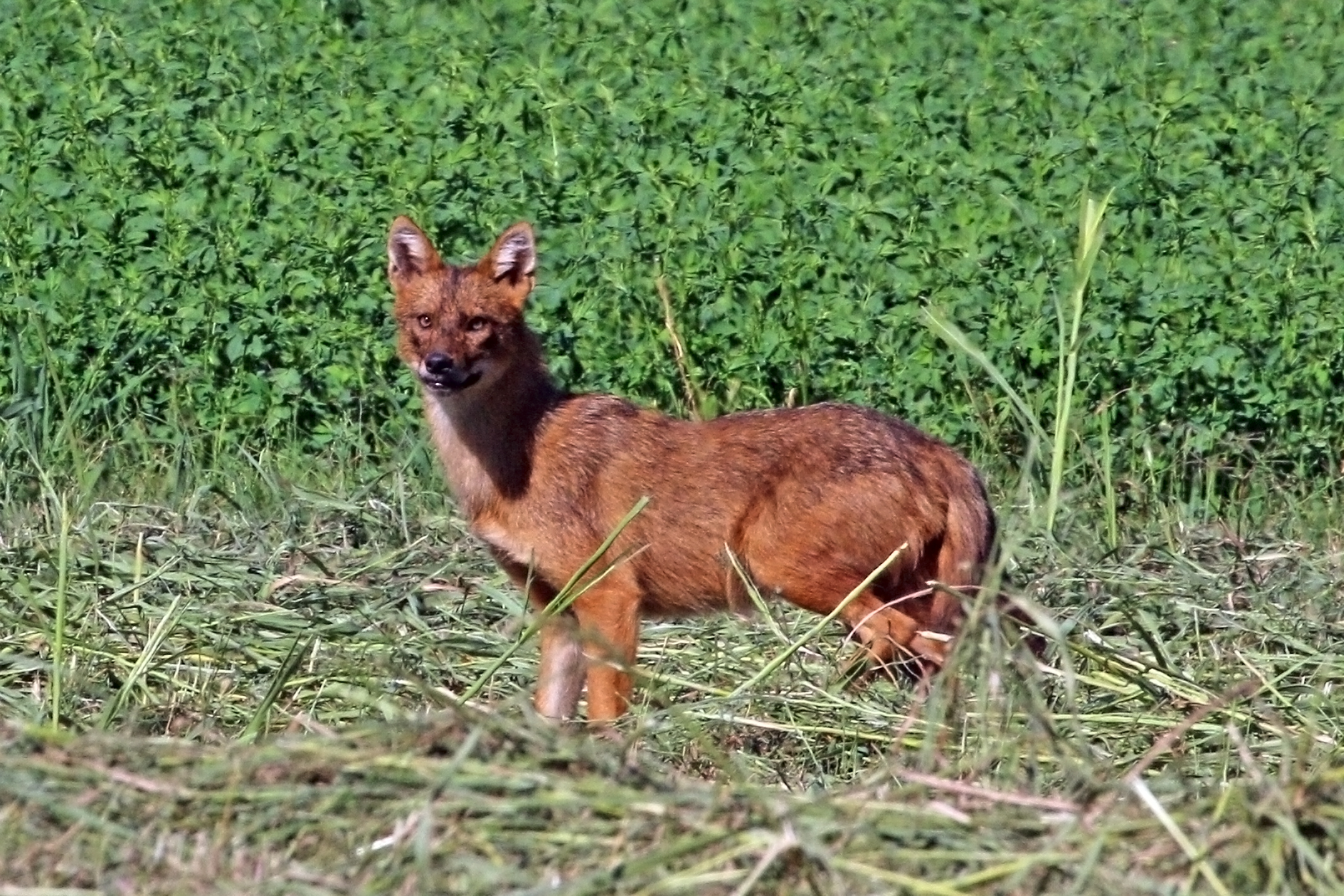
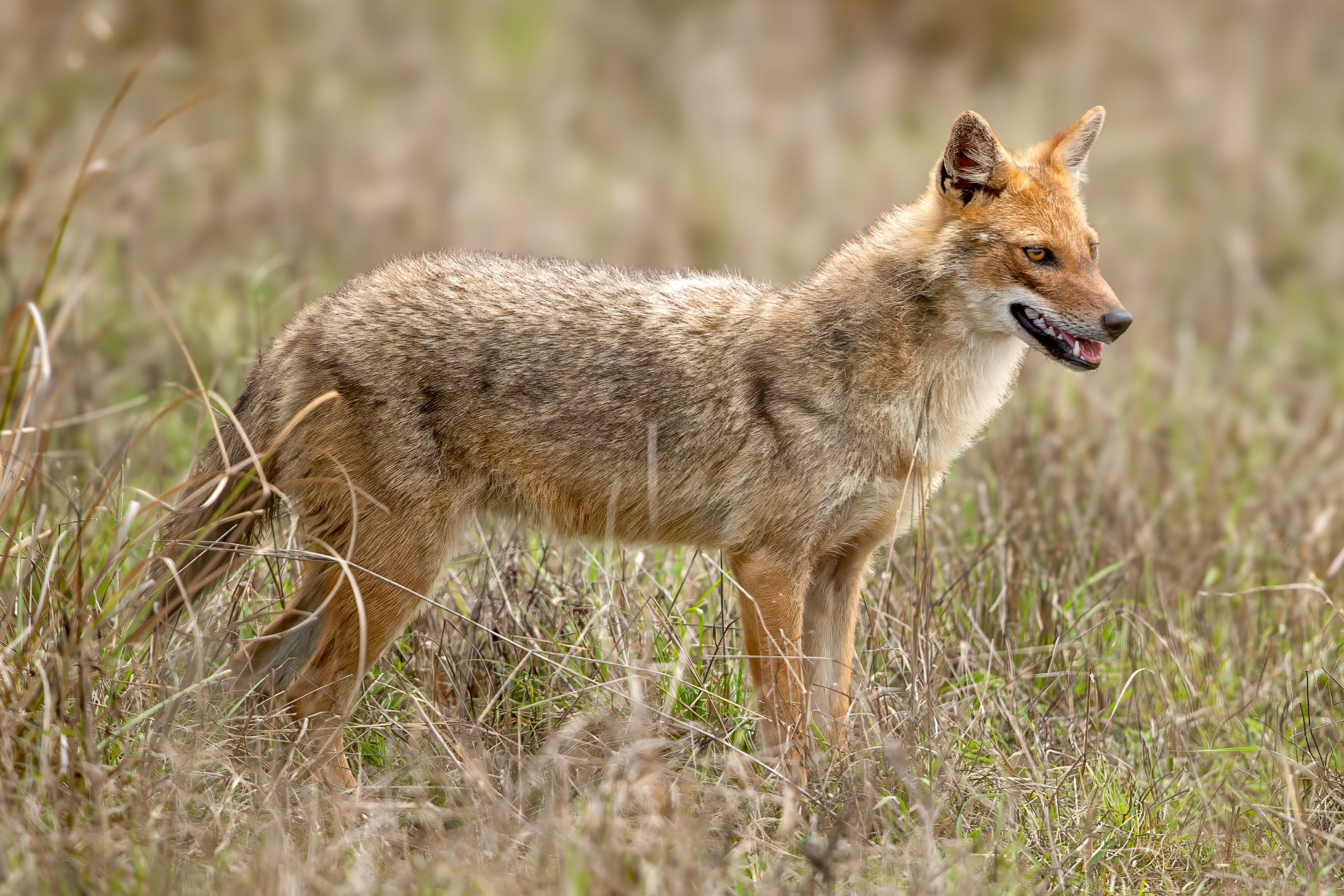
The Netherlands added the golden jackal (Canis aureus) to its national protected-mammal regime through a royal decree published on 10 July 2026. The decree entered into force the following day. The species was inserted into Annex IX of the Dutch Activities Decree, bringing it under the permit rules that apply to several naturally occurring mammals that are protected but not classed as strictly protected under the EU Habitats Directive.
For golden jackals, the regime means that intentionally killing or capturing an animal, or intentionally damaging or destroying a fixed breeding or resting site, requires an environmental permit for a flora-and-fauna activity. The change gives the species an explicit legal position in the Netherlands after its recent natural arrival.
The species is still very rare in the Netherlands
The explanatory memorandum notes that the first Dutch golden jackal was recorded by camera trap on the Veluwe on 19 February 2016. The species has since remained very rare. Dutch authorities also state that reported attacks on livestock have so far been very limited and are expected to occur only occasionally.
The decree links the national rules to the golden jackal’s status under Annex V of the EU Habitats Directive. Species on that annex are of European conservation interest, and management must be compatible with maintaining or restoring a favourable conservation status within their natural range.
The change also provides a basis for damage compensation
Dutch provinces had asked for the golden jackal to be formally included in national legislation so that existing arrangements for compensation for wildlife damage could also be applied when the legal conditions are met. The decree therefore does more than regulate direct harm to the animals: it also creates a clearer administrative framework for dealing with occasional conflicts as the species expands naturally into the country.
Management
Related news
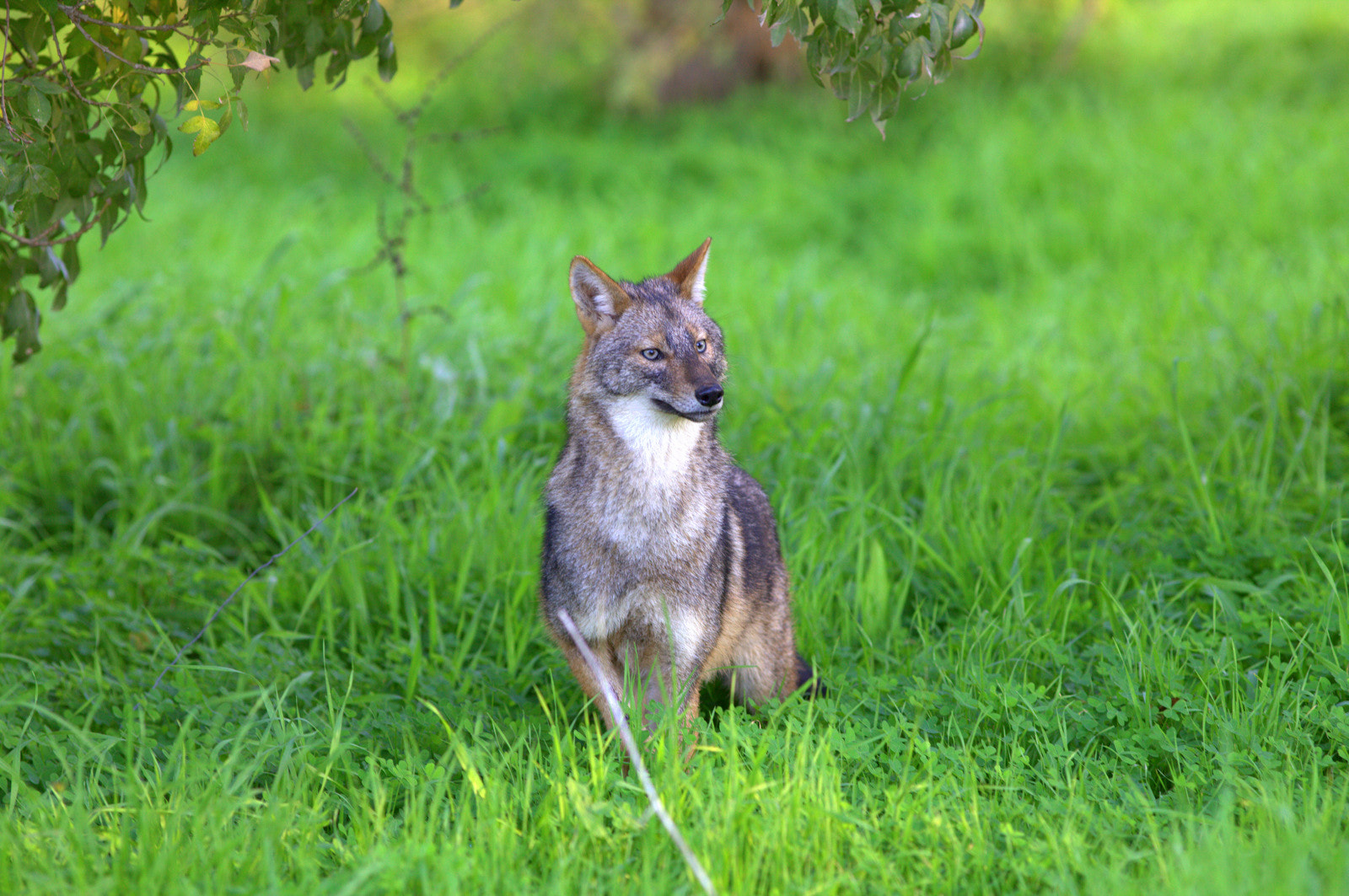
Similar Mammal Diversity, Different Activity Patterns in Grazed and Ungrazed Areas
Camera traps in four northern Israeli reserves found similar numbers of mammal species with and without livestock grazing.…
Read story →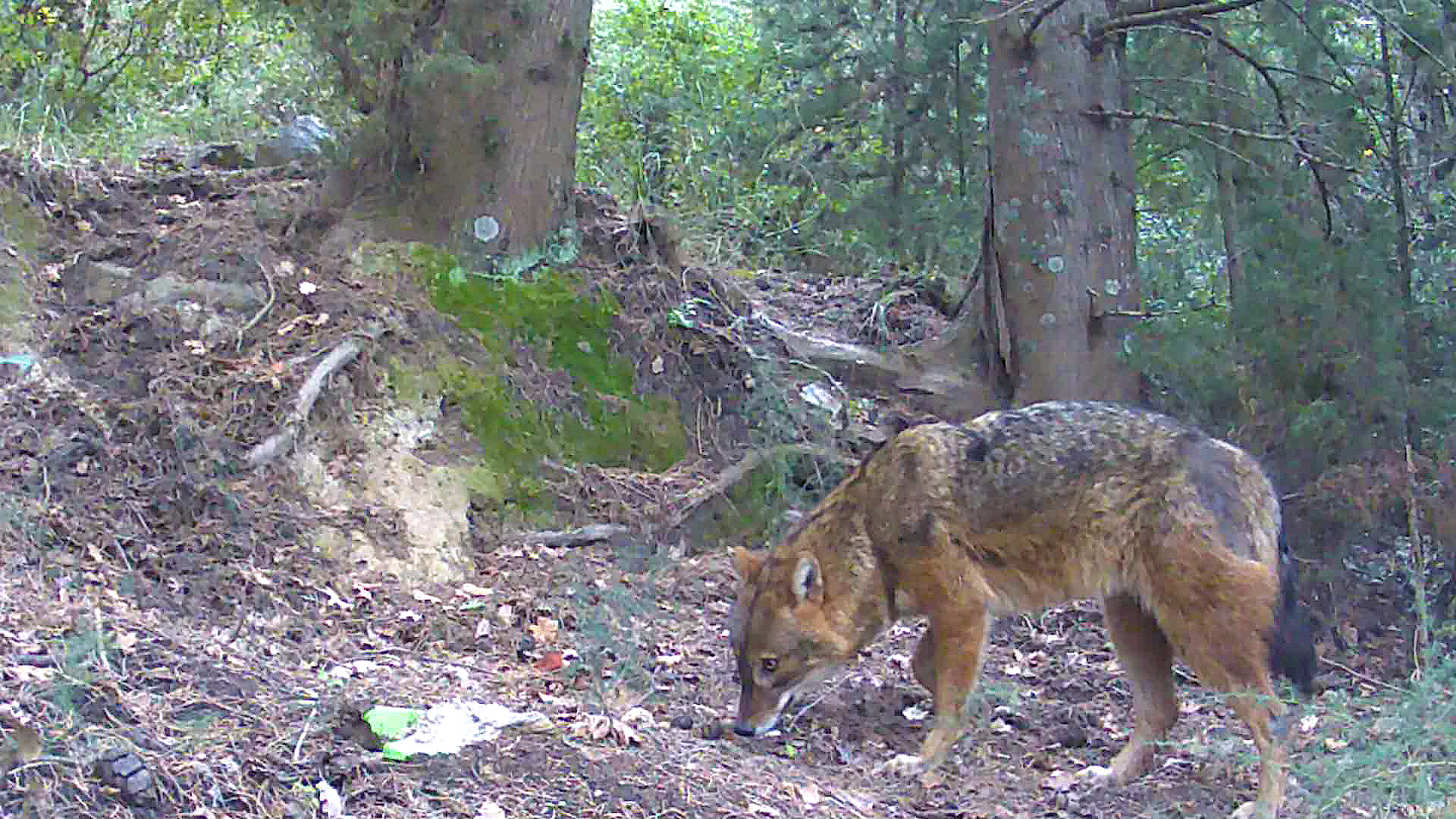
Climate Best Explained Fine-Scale Genetic Connectivity in Expanding Golden Jackals
A Eurasian landscape-genomics study of 363 golden jackals found that geography dominated genetic structure at continental scale, while…
Read story →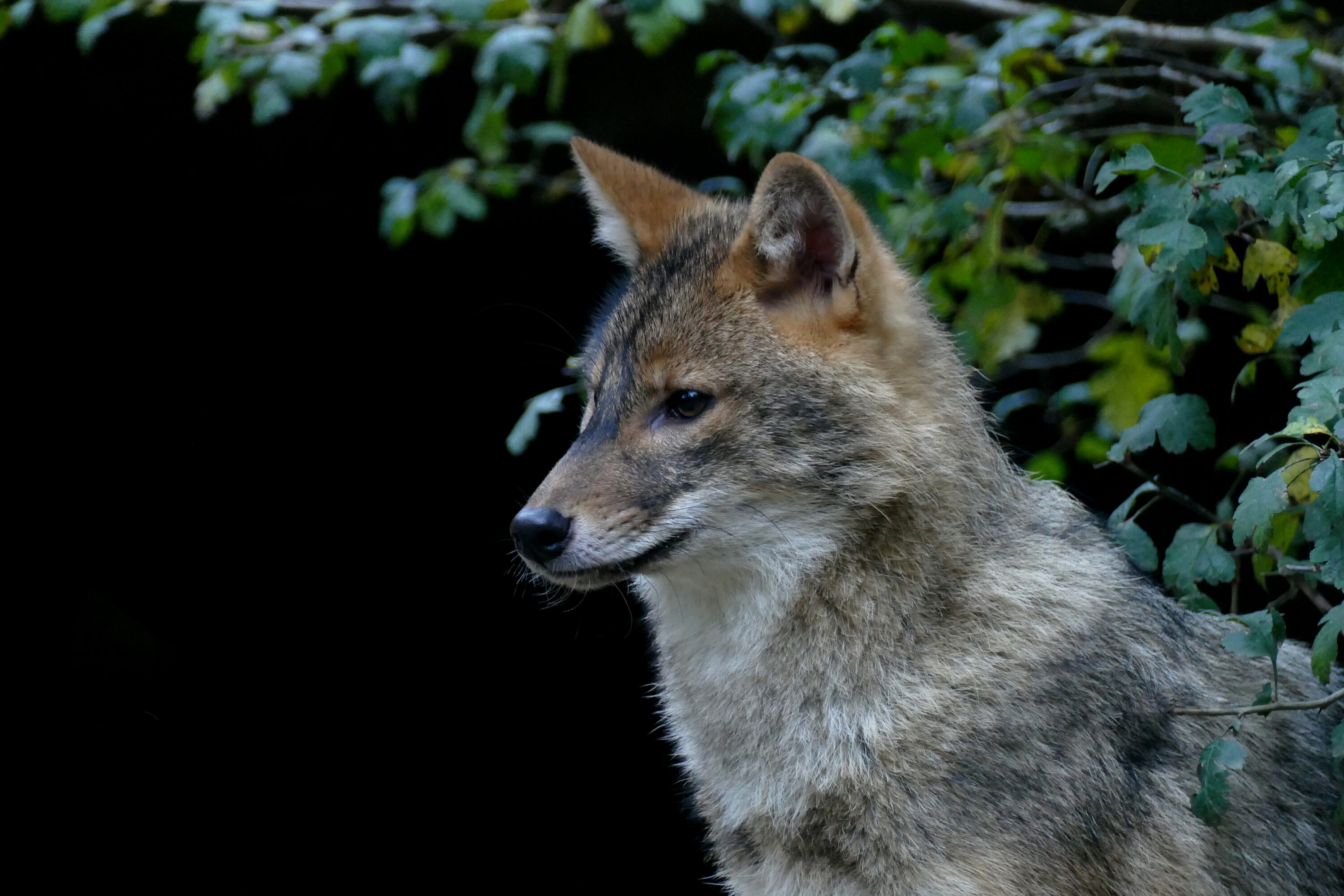
Most New Golden Jackal Samples Around the Adriatic Matched the Pannonian Genetic Cluster
Microsatellite analysis of 27 new golden jackal samples from Croatia, Italy, Austria and Greece assigned most animals to…
Read story →SPECIES IN THIS STORY
Species in this story
Independent research and conservation news archive
Did you find this information useful?
Wildlife Vagabond is independently built and maintained. Voluntary support helps cover source verification, hosting and continued work on research and conservation news.
Support Wildlife VagabondThe news archive will remain freely available.