
Gongshan Muntjac Genetically Confirmed in Arunachal Pradesh for the First Time
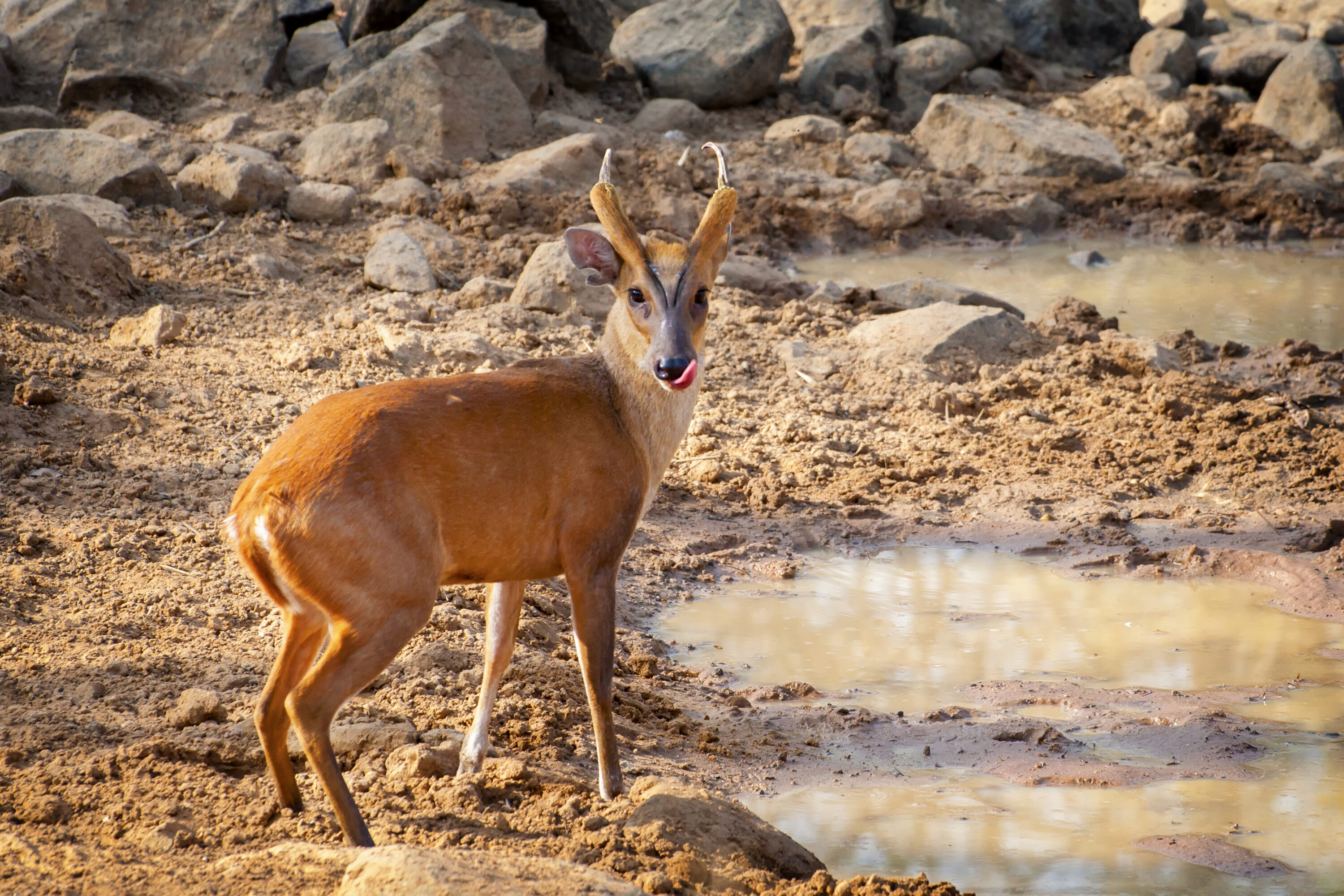
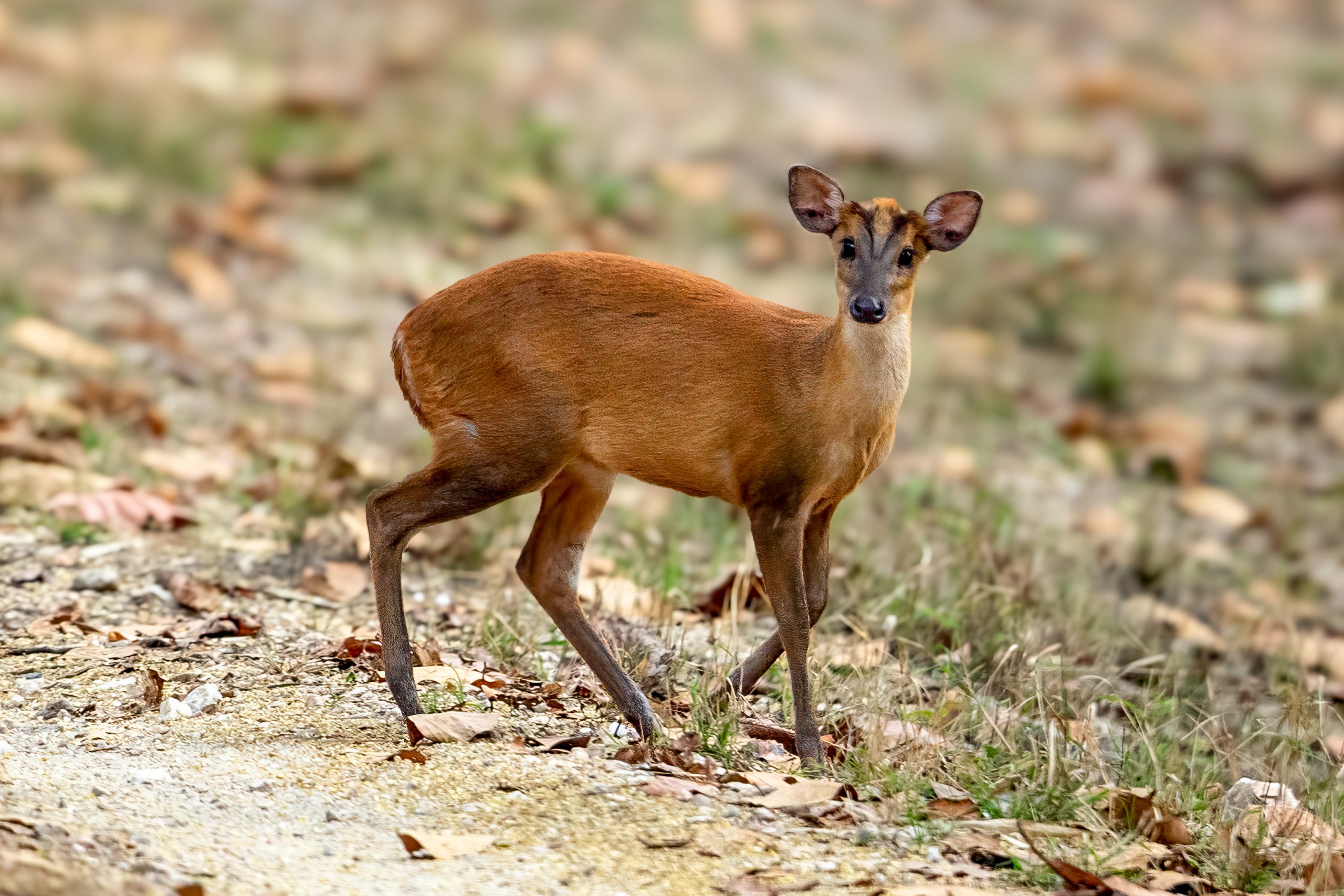
A Research Square preprint posted on 27 January 2026 reports the first genetic evidence of Gongshan muntjac (Muntiacus gongshanensis) in India. The evidence came from preserved hunting trophies sampled in Sethi village, Anjaw district, during fieldwork in eastern Arunachal Pradesh in March 2024. The same material also contained northern red muntjac (Muntiacus vaginalis), raising the possibility that the two species overlap in this part of the eastern Himalayas.
Two mitochondrial markers identified both muntjac species
Researchers sampled tissue from 18 preserved ungulate heads displayed in local households. Four belonged to muntjacs. Because the heads lacked enough diagnostic external morphology for secure identification, the team extracted DNA and sequenced partial mitochondrial cytochrome-b and 12S rRNA markers.
Two samples were identified as M. gongshanensis and two as M. vaginalis. BLAST comparisons showed more than 99% sequence similarity to their respective reference species. The new cytochrome-b and 12S sequences were deposited in GenBank, and multiple phylogenetic analyses grouped all four study specimens with the expected species.
The four muntjac trophies came from the same household. According to the hunter, both species had been taken on Warti mountain, but in different seasons. The authors therefore treat the records as firm genetic evidence that M. gongshanensis occurs in eastern Arunachal Pradesh, while the claim that the two species overlap on Warti mountain remains based on the provenance reported by the hunter rather than direct field observations of living animals.
The phylogeny also supports earlier taxonomic corrections
The analyses placed the study sequences within a broader mitochondrial phylogeny of Muntiacus. The authors also recovered the clustering pattern reported by Zhang and colleagues in 2021 for eight GenBank sequences that earlier studies had labelled as black muntjac (M. crinifrons) but that were later reassigned to Gongshan muntjac. Their results therefore support that earlier correction rather than treating those sequences as M. crinifrons.
This matters because the distribution and species limits of Asian muntjacs remain difficult to resolve. Before this study, Gongshan muntjac was documented from south-western China and northern Myanmar, while its presence in India had remained uncertain. The new sequences extend the genetic evidence into Arunachal Pradesh. Because mitochondrial DNA is inherited through the maternal line, these markers primarily identify maternal ancestry; on their own they cannot fully resolve hybridisation, introgression or the animals’ nuclear-genome ancestry.
They therefore call for denser geographic sampling, nuclear genetic markers and morphology to test the apparent overlap with northern red muntjac and to refine species boundaries in the region.
The study is currently available as a preprint and has not yet undergone peer review.
Evolution & taxonomy
Related news
Tigers kept a stable daily activity pattern across seasons while deer shifted in Bardia
Five years of camera-trap data from Bardia National Park showed that tiger activity remained similar across seasons, while…
Read story →
DNA Metabarcoding Found 15 Vertebrate Prey Species in Tadoba Dhole Scats
DNA metabarcoding of 169 dhole scats in Tadoba detected 15 vertebrate prey species. Indian hare occurred in 30.8%…
Read story →
All Sampled Thai Red Muntjacs Belonged to the Northern Red Muntjac Lineage
A 2026 comparative genomics study found that every sampled Thai red muntjac grouped with the northern red muntjac…
Read story →SPECIES IN THIS STORY
Species in this story
Independent research and conservation news archive
Did you find this information useful?
Wildlife Vagabond is independently built and maintained. Voluntary support helps cover source verification, hosting and continued work on research and conservation news.
Support Wildlife VagabondThe news archive will remain freely available.