
Remote Feeders Test How Grackles Unlearn a Winning Choice
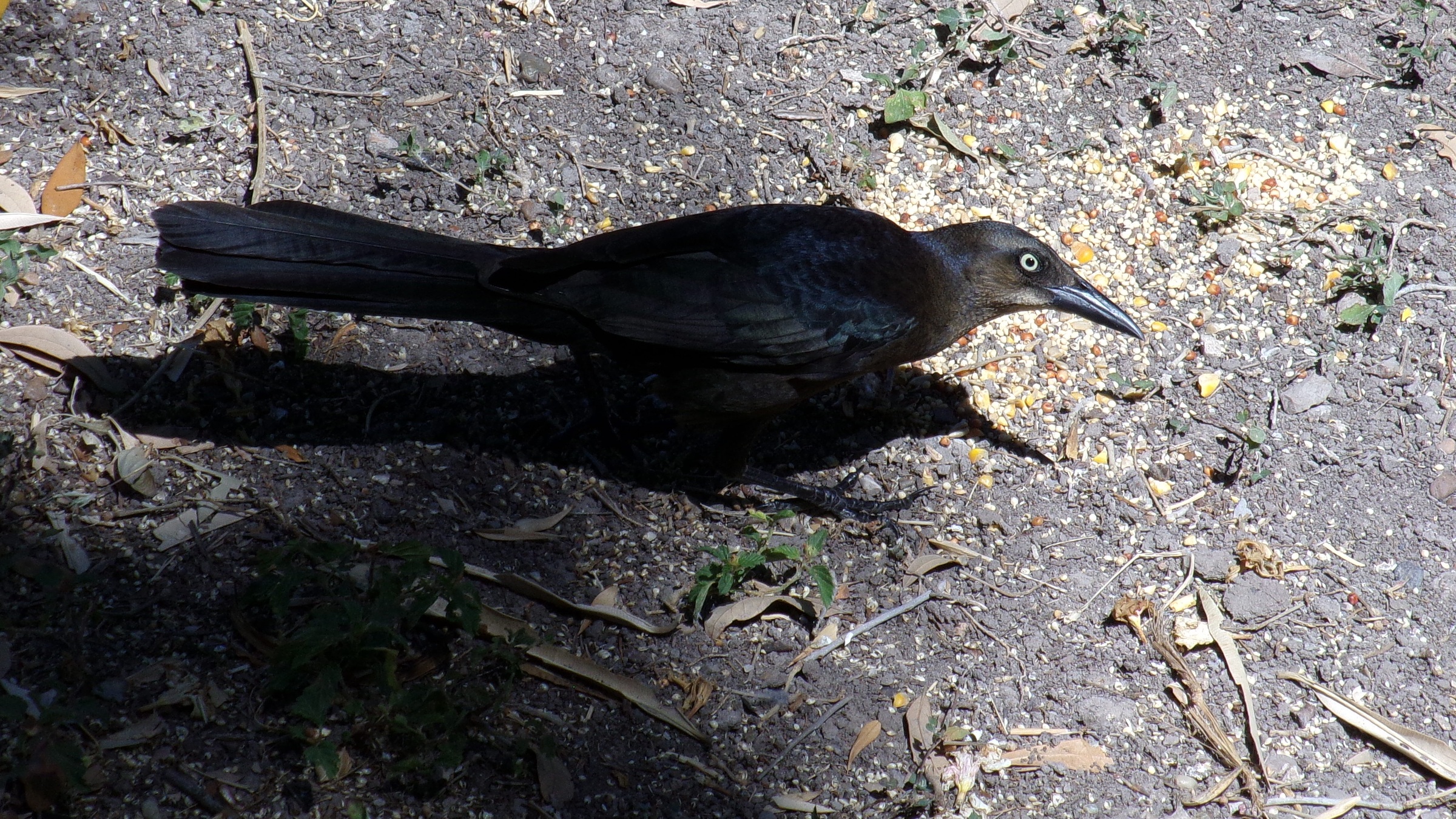
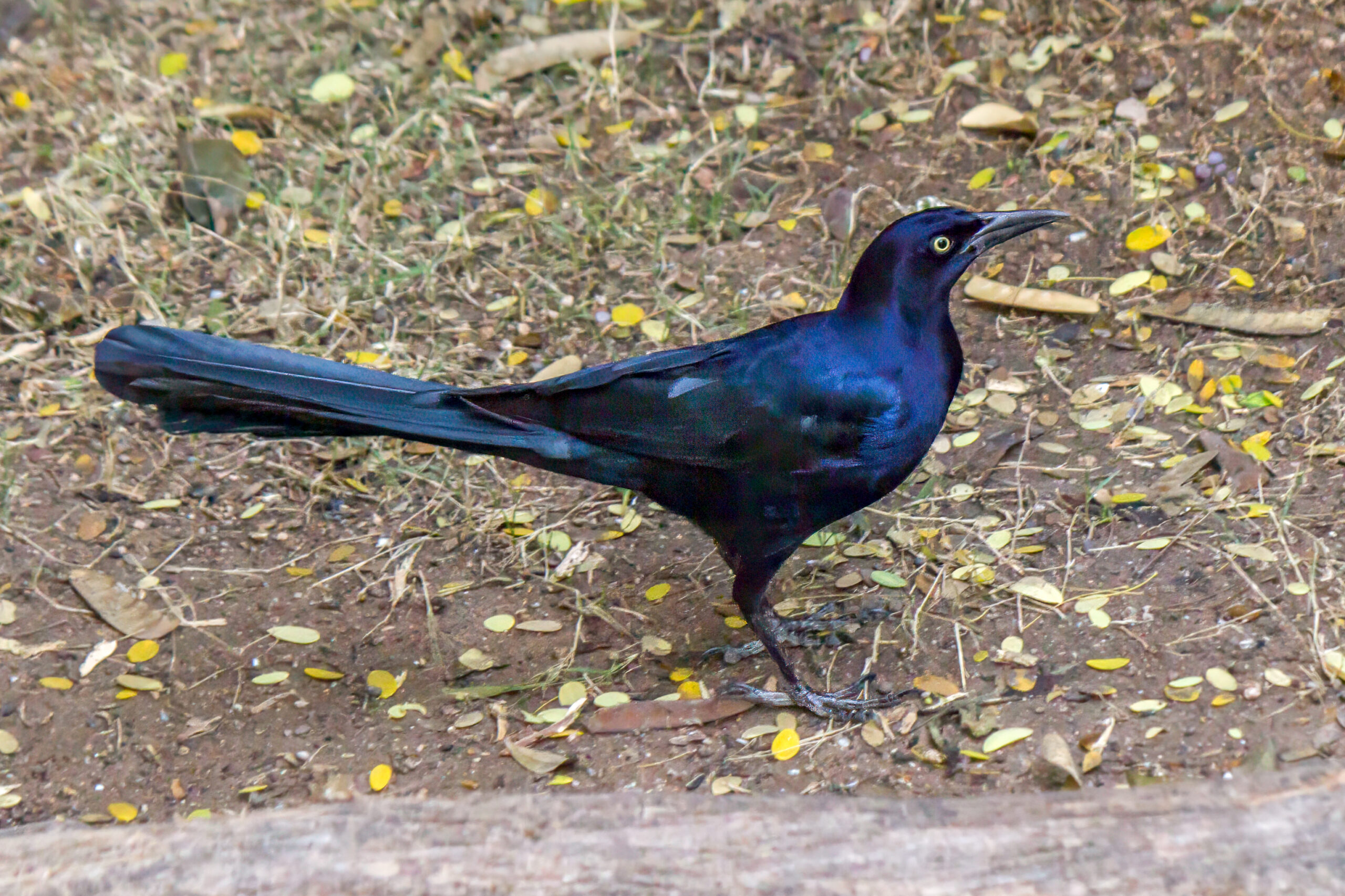
Two remote-controlled feeders and a supply of crackers are helping researchers test how quickly wild great-tailed grackles (Quiscalus mexicanus) abandon a choice that has stopped working. The field experiment in Santa Barbara, California, USA, is designed to measure behavioral flexibility in birds living in a human-modified environment.
UC Santa Barbara described the ongoing project on 28 April 2026. Corina Logan and Dieter Lukas are working with great-tailed grackles at Leadbetter Beach Park, where the birds voluntarily approach experimental equipment in return for food.
How the Reversal-Learning Test Works
The test begins with two remote-controlled pet feeders, one light grey and one dark grey. Researchers dispense Goldfish crackers from only one feeder when a bird lands near it. Once the grackle has learned which colour predicts a reward, the researchers reverse the arrangement and make the other feeder profitable.
This “reversal learning” task asks the bird to update a preference it has just acquired. The researchers examine both how its choices change after a reward and how often it departs from the learned pattern. A bird that promptly shifts to the newly rewarded feeder demonstrates one aspect of flexibility rather than persisting with an outdated rule.
The experiment also lets the team observe how individual grackles behave around one another. According to the university’s account, males commonly use dominance to gain access, whereas females often rely on speed. Some birds solve the tasks sooner, while others remain at a distance and watch. Researchers have even seen birds vocalize and throw leaves after discovering that their former choice no longer pays, although Lukas emphasized that this cannot establish that the birds are having a human-like tantrum.
Great-tailed grackles offer a conspicuous natural test case because their North American range has expanded greatly. The species was recorded no farther north than southern Texas in the 1880s, according to the project account, but now reaches Vancouver in Canada. Logan’s hypothesis is that changing behavior as conditions change may be part of what makes such expansion possible.
What Earlier Experiments Found
The Santa Barbara work is the latest stage of a longer research program. Earlier experiments summarized by UC Santa Barbara found that grackles trained to become more flexible performed better when foraging in the wild. Birds near the edge of the range also tended to be more persistent than birds farther from the boundary.
However, previous comparisons did not produce a simple equation between flexibility and expansion. Edge populations showed the greatest variation among individuals, but the average flexibility was similar in great-tailed grackles, which are expanding rapidly, and boat-tailed grackles (Quiscalus major), which are not. That result is one reason the researchers are examining individual differences and multiple behavioral measures rather than treating “adaptability” as a single score.
The work contributes to ManyIndividuals, an international project intended to test behavioral hypotheses across many animals and research sites. One central question is whether experiences such as reversal learning can increase flexibility in ways that help animals respond to rapid environmental change.
Behaviour
Related news
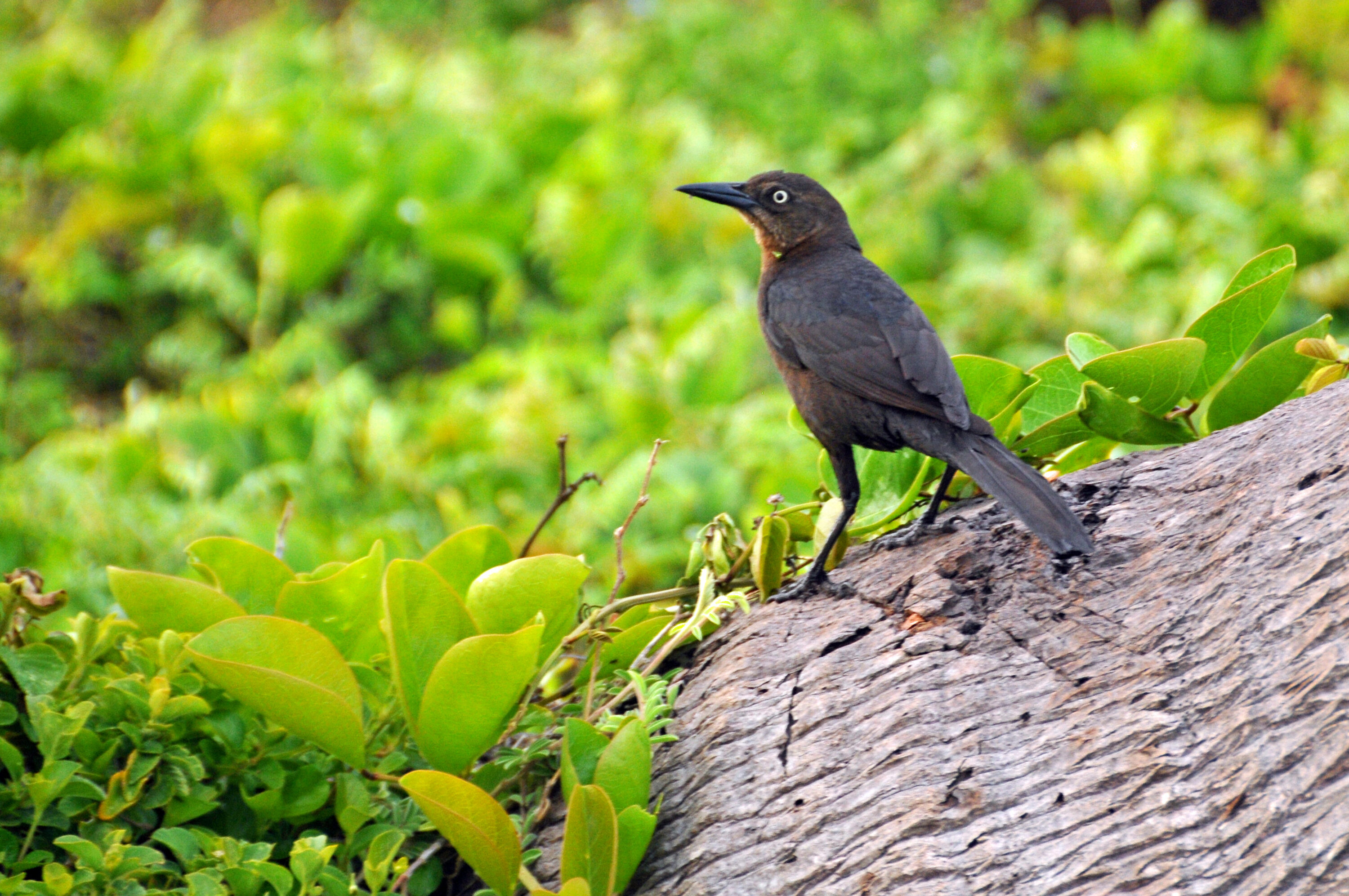
Great-tailed Grackles Hovered Over Floating Sargassum to Catch Swimming Crabs
During more than 13 hours of observation across 12 days on Cozumel, Mexico, great-tailed grackles made 57 flights…
Read story →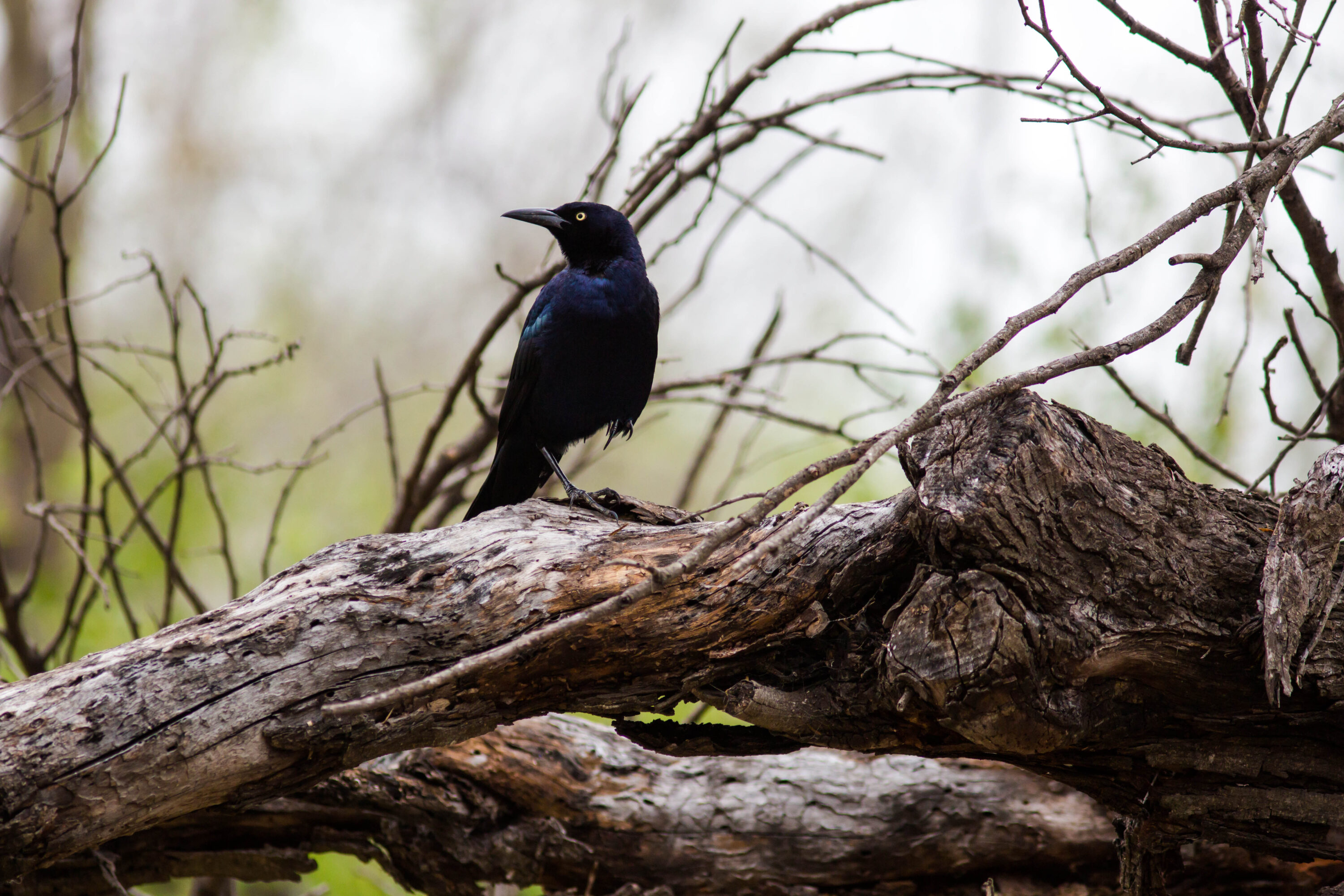
Great-tailed Grackle Is Now Known from 44 of Arkansas’s 75 Counties
A 2026 Arkansas review documents Great-tailed Grackle from 44 of 75 counties, while breeding and year-round populations are…
Read story →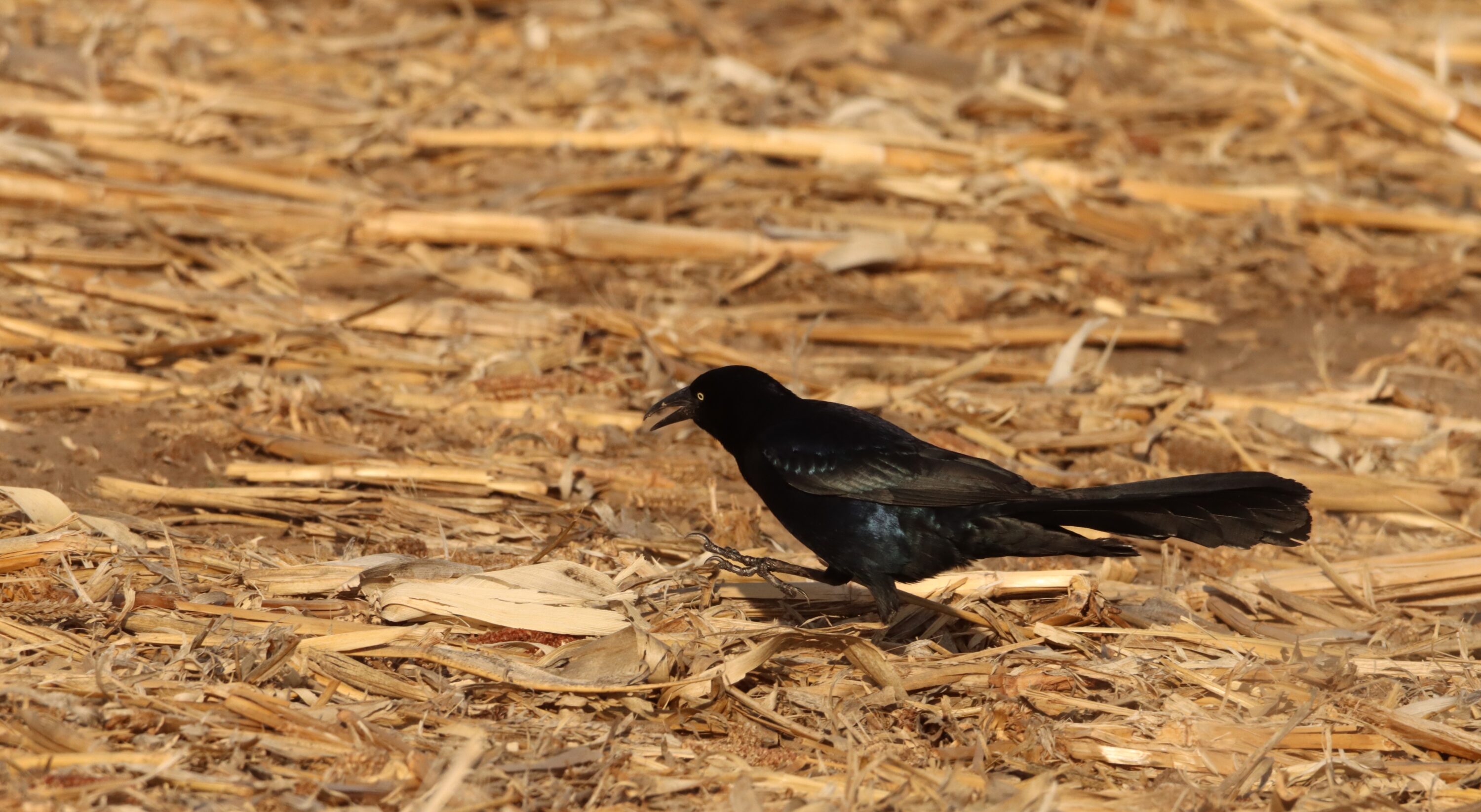
Great-tailed Grackles Now Breed Widely and Winter Regularly in Nebraska
A 2026 Nebraska synthesis documents the species' expansion from isolated records in the 1970s to widespread breeding and…
Read story →SPECIES IN THIS STORY
Species in this story
Independent research and conservation news archive
Did you find this information useful?
Wildlife Vagabond is independently built and maintained. Voluntary support helps cover source verification, hosting and continued work on research and conservation news.
Support Wildlife VagabondThe news archive will remain freely available.