
Great Egrets Returned to Familiar Colonies, Used Wetlands Most and Avoided Cities

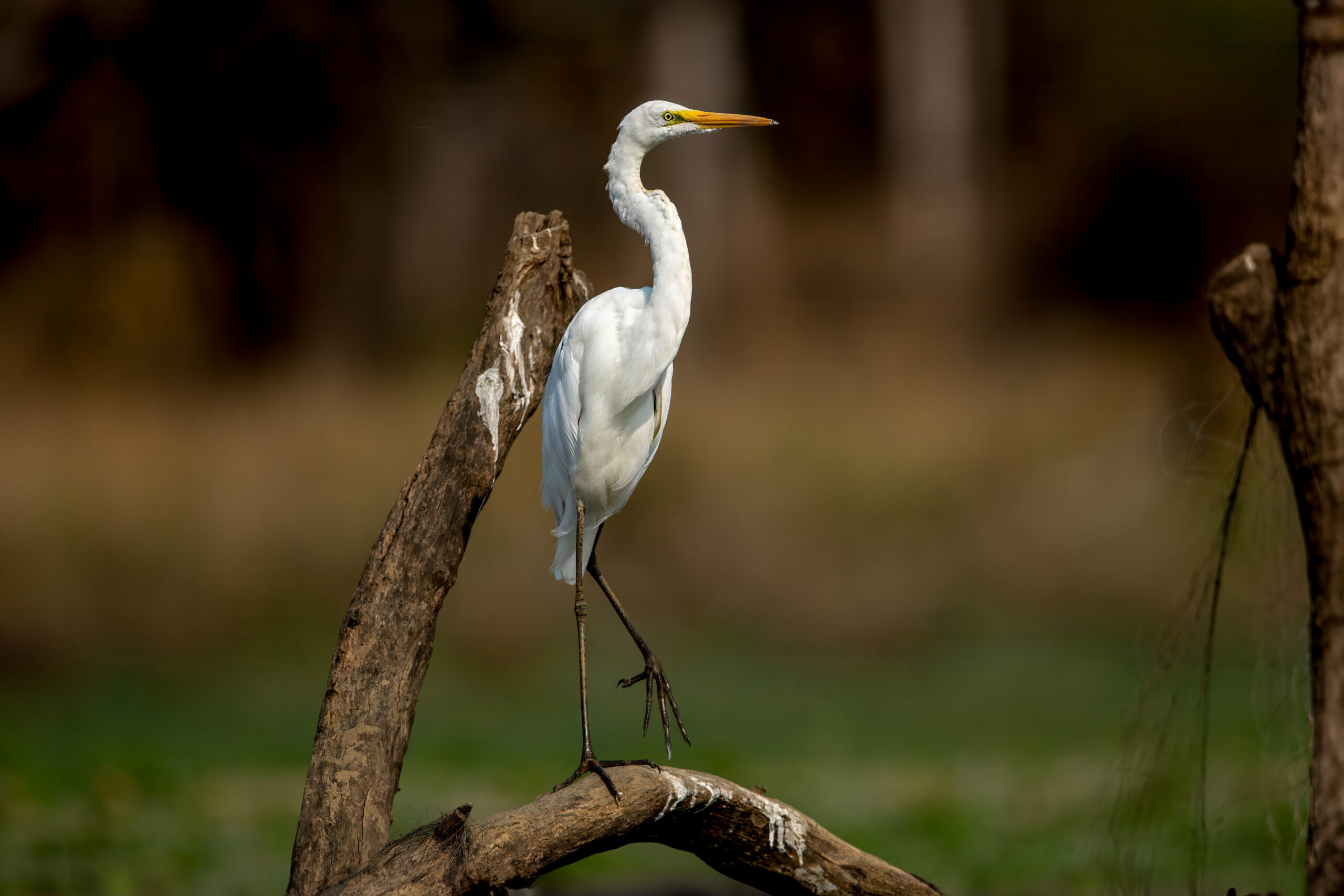
GPS tracking of seven Great Egrets (Ardea alba) breeding in Eastern Europe revealed two recurring patterns: some birds returned to colonies and foraging areas they had used before, and wetlands dominated their habitat use. Urban areas, by contrast, were consistently avoided.
The birds were fitted with GPS loggers at Lake Druzno in northern Poland and tracked during breeding seasons between 2016 and 2023. Their breeding colonies ranged from eastern Poland to western Russia and from eastern Latvia to central Ukraine. By comparing GPS locations with the habitats available within each bird’s breeding range, researchers could distinguish the habitats birds used most from those they used more or less than expected based on availability.
Birds returned to familiar colonies and foraging grounds
Of the six birds recorded in at least two breeding seasons, four returned to colonies they had used in earlier seasons. Those four birds had used between one and four colony locations; three had used more than one colony but still returned to a colony they knew. When birds used the same colony in successive seasons, their foraging areas overlapped by an average of about 45%, although the overlap varied widely, from 0.4% to 100%.
The tracked birds also made longer foraging trips during chick-rearing than during incubation, although the average distances were close: about 11.5 km and 11.1 km, respectively. The authors suggest that the growing chicks’ higher energy needs may help explain the longer trips. Estimated breeding-season home ranges—the areas the birds used during that period—were much larger on average after failed breeding attempts: about 57,500 km², compared with 1,360 km² after successful attempts. The estimates varied enormously, particularly among unsuccessful breeders, so these averages do not describe a typical individual. The authors suggest that birds without chicks to care for may have had greater freedom to explore.
These patterns show how familiar breeding and feeding areas can be reused while movements still vary with breeding stage and outcome. The results apply to this small group of tracked birds and cannot establish how common these patterns are across the wider population.
Wetlands dominated, while cities were avoided
Wetlands were the most frequently used habitat during both successful and unsuccessful breeding attempts, accounting for 41% and 37% of recorded locations, respectively. Forests came next, at 22% and 21%. Pastures, farmland and other aquatic habitats also featured in the birds’ movements. Urban areas accounted for only 0.3% of locations during successful attempts and 0.08% during unsuccessful ones.
Comparing habitat use with habitat availability showed that individual birds sometimes selected or avoided different habitats. Wetlands were both the most-used and preferred habitat relative to their availability, regardless of breeding outcome, and no tracked bird avoided them. Urban areas were avoided in every breeding period; this avoidance was most evident among successful breeders. The authors link the strong use of wetlands and other aquatic habitats to feeding opportunities, especially fish. Pastures and farmland can offer other prey, while forests may provide nesting and roosting sites.
Together, the results show that the tracked egrets used a range of habitats, but not equally: wetlands were central to their breeding-season movements, and urban areas were largely left out. Many returned to familiar colonies and foraging grounds, without always using the same colony from one season to the next.
Ecology
Related news

Inside the great egret’s eye: a detailed anatomical portrait
An examination of six great egrets describes the eye’s structure, from its 10-layered retina to the glands around…
Read story →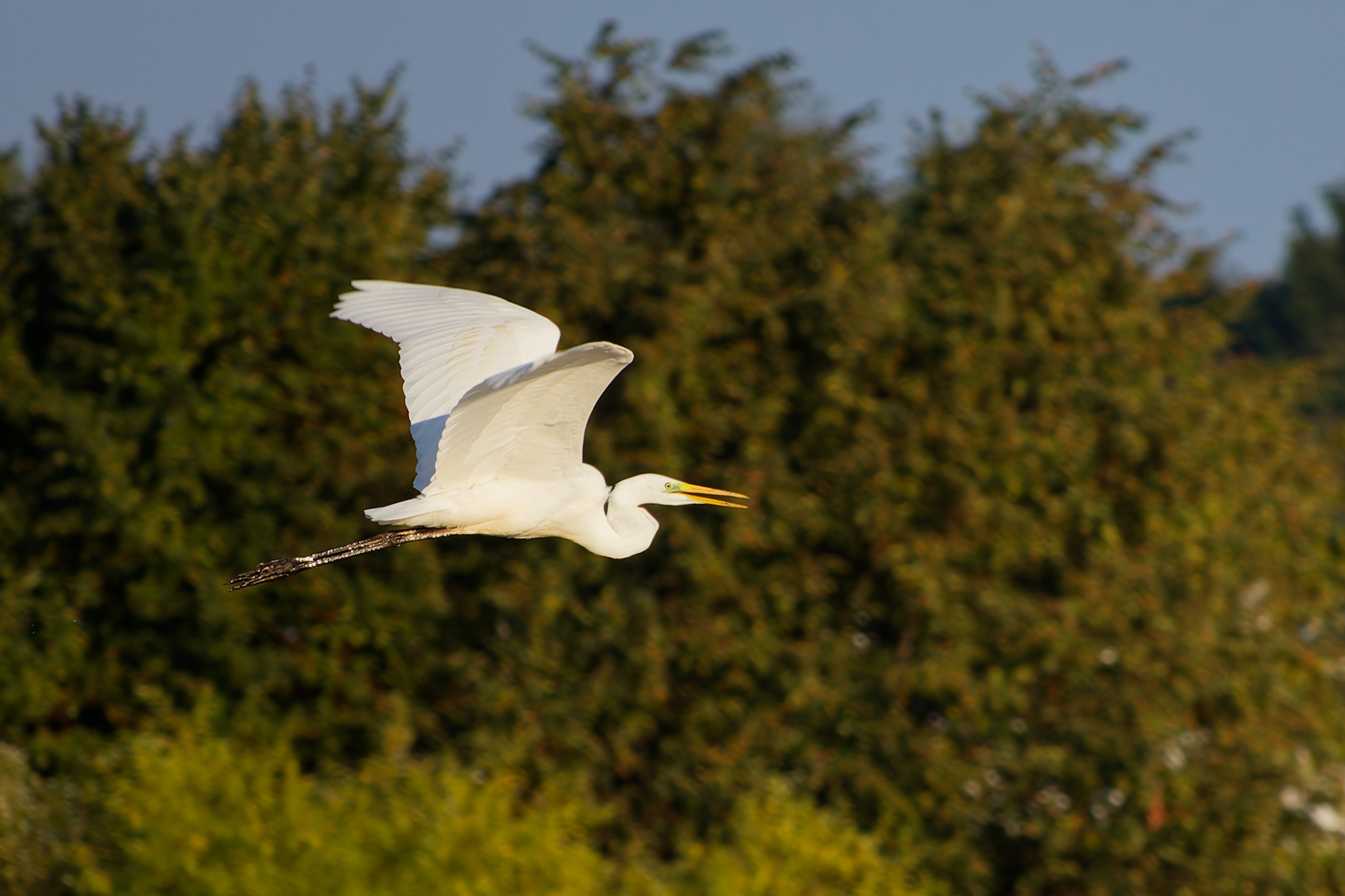
Six of Seven GPS-Tracked Great Egrets Returned to the Same Wintering Grounds
Six of seven great egrets tracked across at least two complete winters returned to the same wintering grounds;…
Read story →
Poland’s Breeding Great Egret Population Reached 1,150–1,250 Pairs
Poland’s breeding great egret population increased by 84% from 2013 to 2025. Breeding was documented at 31 sites,…
Read story →SPECIES IN THIS STORY
Species in this story
Independent research and conservation news archive
Did you find this information useful?
Wildlife Vagabond is independently built and maintained. Voluntary support helps cover source verification, hosting and continued work on research and conservation news.
Support Wildlife VagabondThe news archive will remain freely available.