
Green-backed Camaroptera breeding territories recovered quickly after drought in Namibia
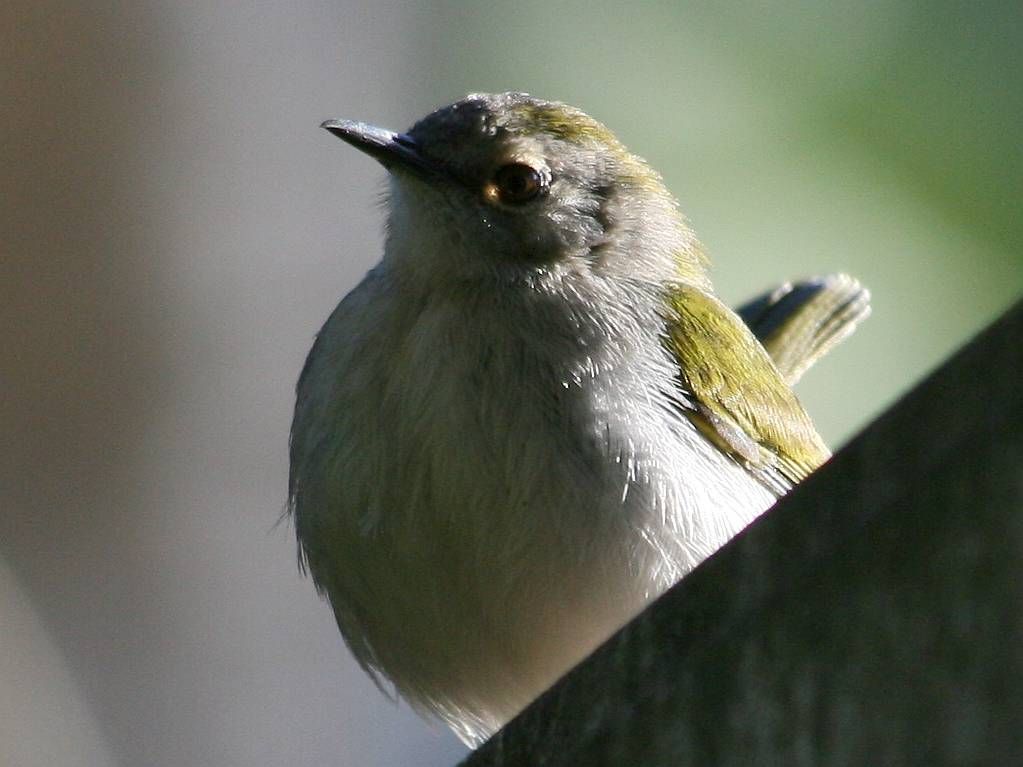
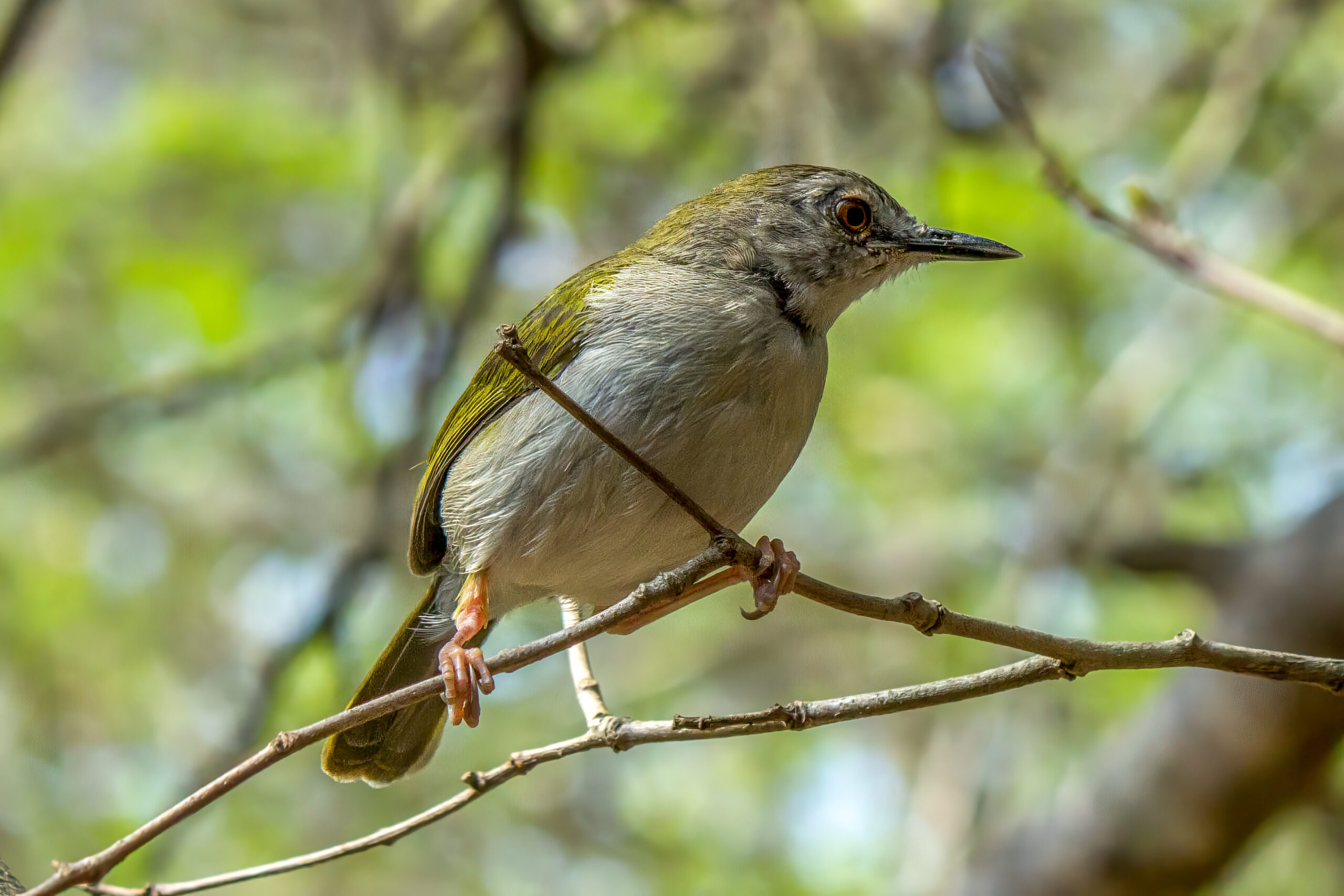
How quickly can a small savanna bird reoccupy an area after a severe drought? At Ogongo in north-central Namibia, the number of mapped Green-backed Camaroptera (Camaroptera brachyura) territories fell from a stable pre-drought level to none detected in late 2019, then recovered rapidly during the 2020 rainy season. The results come from a preprint posted on 24 November 2026 and have not been peer reviewed. The author uses the name Grey-backed Camaroptera for this taxon; Green-backed Camaroptera is another English name.
The researcher repeatedly surveyed a 400-hectare landscape containing acacia savanna, settlements, small cultivated areas and water sources. Songs and other territorial behaviour helped locate occupied areas. Each mapped territory was interpreted as one breeding pair. The figures therefore describe estimated territorial-pair density, not counts of all individual birds or proof that exactly the same birds returned.
Density rose rapidly in 2020
Before the drought, researchers estimated 2.3 pairs per 100 hectares in 2012 and 2.5 in 2017. After the prolonged drought of 2018–2019, none were recorded in October–November 2019. Two territories were located in February–March 2020; by April the estimated density had reached its 2017 level, then rose to 4.3 pairs per 100 hectares in May–June. The last figure corresponds to roughly 17 mapped pairs in the 400-hectare plot.
Such a rapid local change is important because territory maps can show how breeding-season use of a habitat varies, rather than simply whether a species is present somewhere in a region. But this sequence does not establish that drought caused every change, or whether the recovery came from the same individuals or birds immigrating from elsewhere.
Water alone did not explain the pattern
Most territories were close to artificial water bodies bordered by relatively lush vegetation. The bird was not found nesting in pure acacia savanna nearby, even where water was present. This suggests that vegetation structure may be important alongside access to water. Territory boundaries also shifted between surveys and years, so the same territory was not necessarily used in the same position.
The preprint compares Ogongo with much higher densities reported separately from urbanised habitat around Katima Mulilo, up to 13 pairs per 100 hectares. Those were observations at another place, not a measurement of recovery at Ogongo. The study offers a local example of how a bird’s breeding distribution can change under shifting environmental conditions, while leaving the drivers of these changes open for further investigation. The original research contains maps of territories by year (Figure 5).
Ecology
Related news
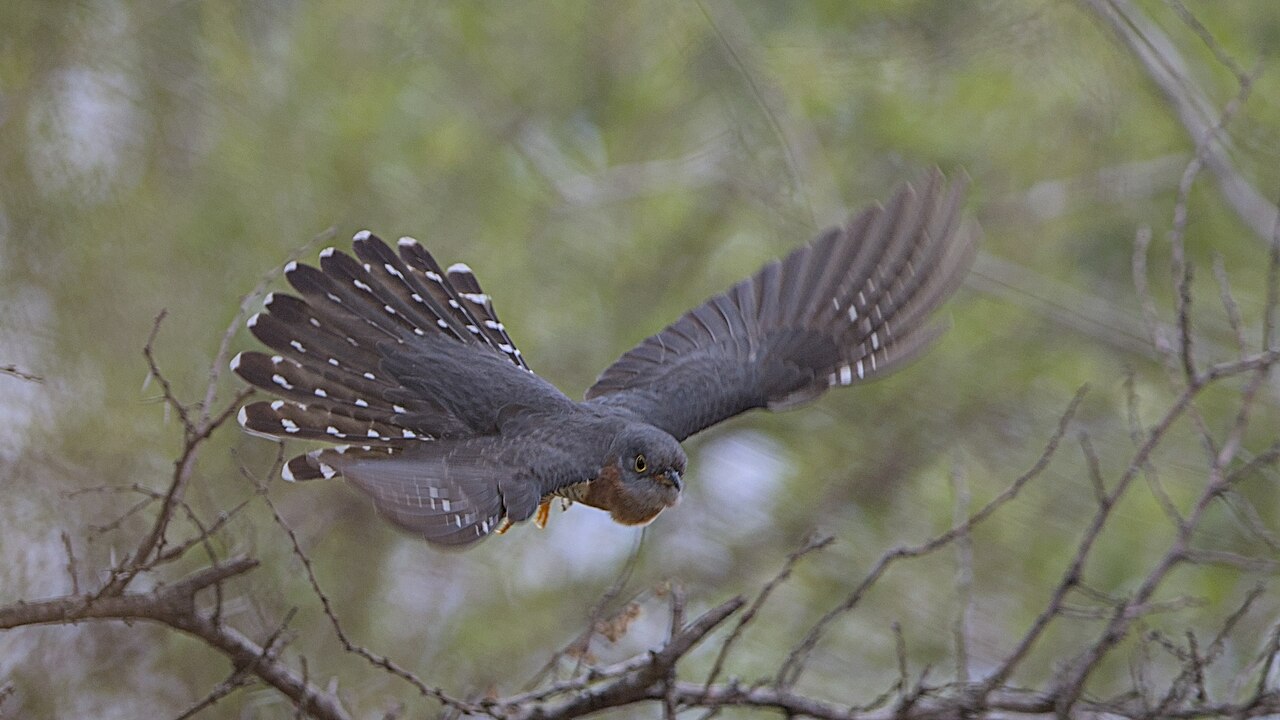
Red-chested Cuckoo Was Linked to Primary Forest and Green-backed Camaroptera to Cocoa Farms in Eastern DRC
Surveys at 19 sites in eastern DR Congo linked Red-chested Cuckoo with primary forest and Green-backed Camaroptera with…
Read story →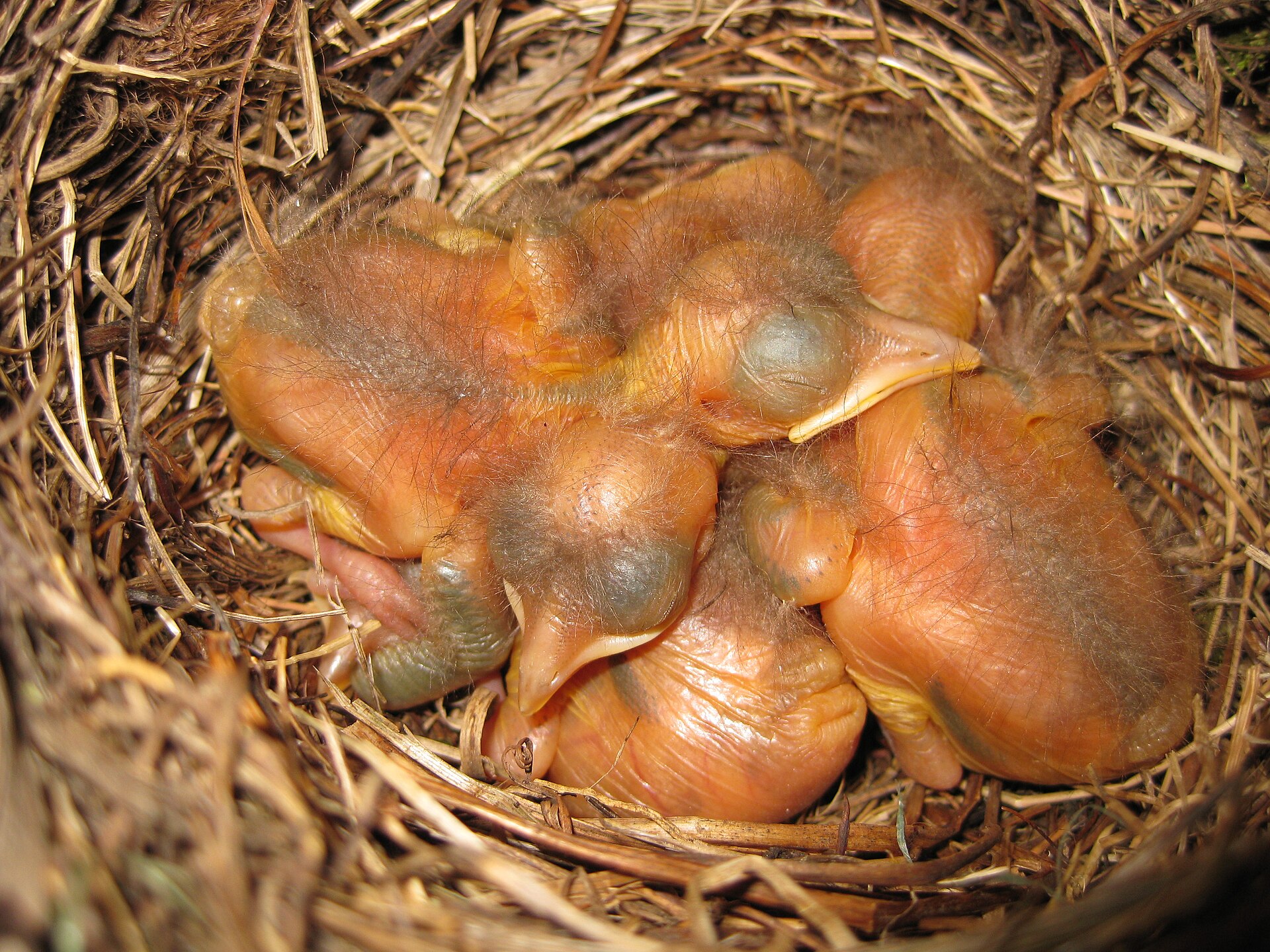
In Tunisian Oases, Three Bird Species Had More Plastic in Nests Where It Was More Available
A study of 326 nests found human-made debris in nearly 60% of them, though it made up only…
Read story →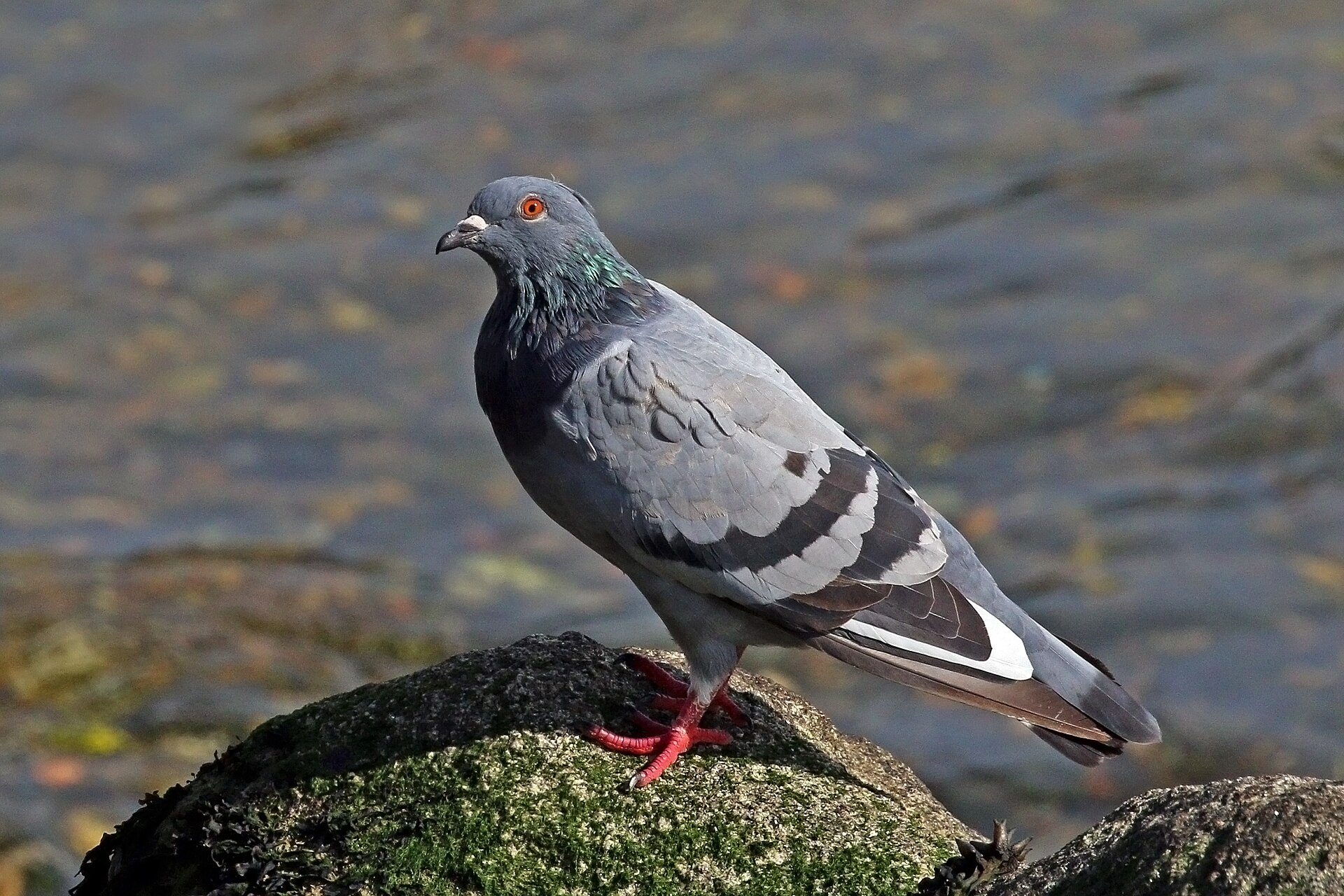
What Chenab Valley residents say about using birds for food and medicine
Interviews in three districts of Jammu and Kashmir recorded reported food, medicinal and cultural uses of 31 bird…
Read story →SPECIES IN THIS STORY
Species in this story
Independent research and conservation news archive
Did you find this information useful?
Wildlife Vagabond is independently built and maintained. Voluntary support helps cover source verification, hosting and continued work on research and conservation news.
Support Wildlife VagabondThe news archive will remain freely available.