
Red-chested Cuckoo Was Linked to Primary Forest and Green-backed Camaroptera to Cocoa Farms in Eastern DRC
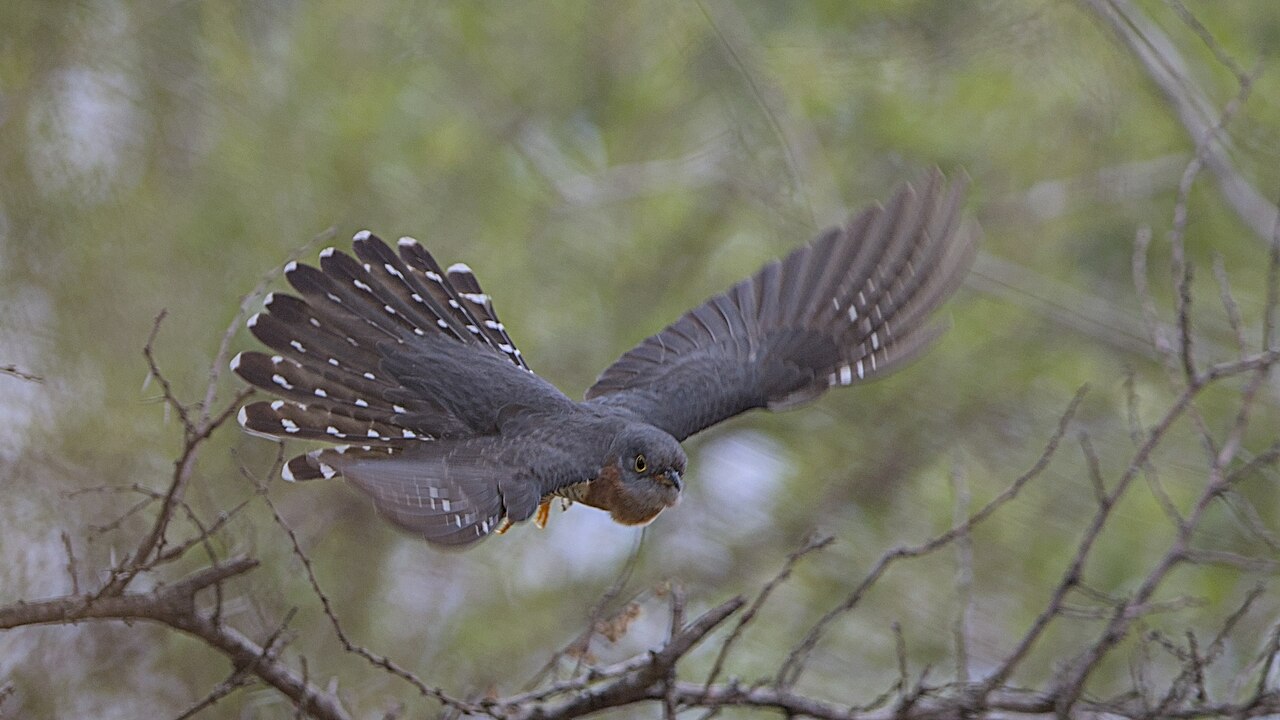
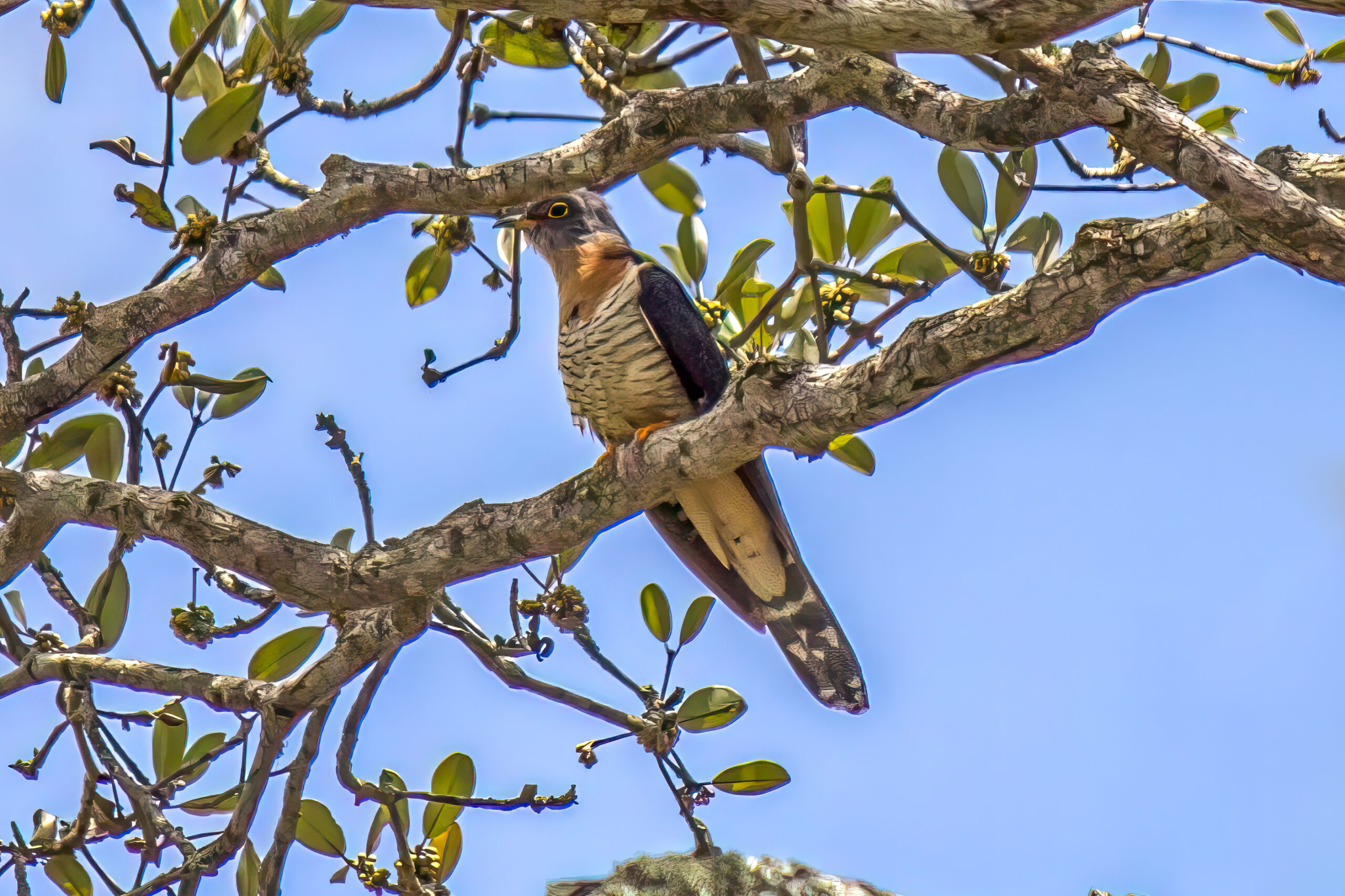
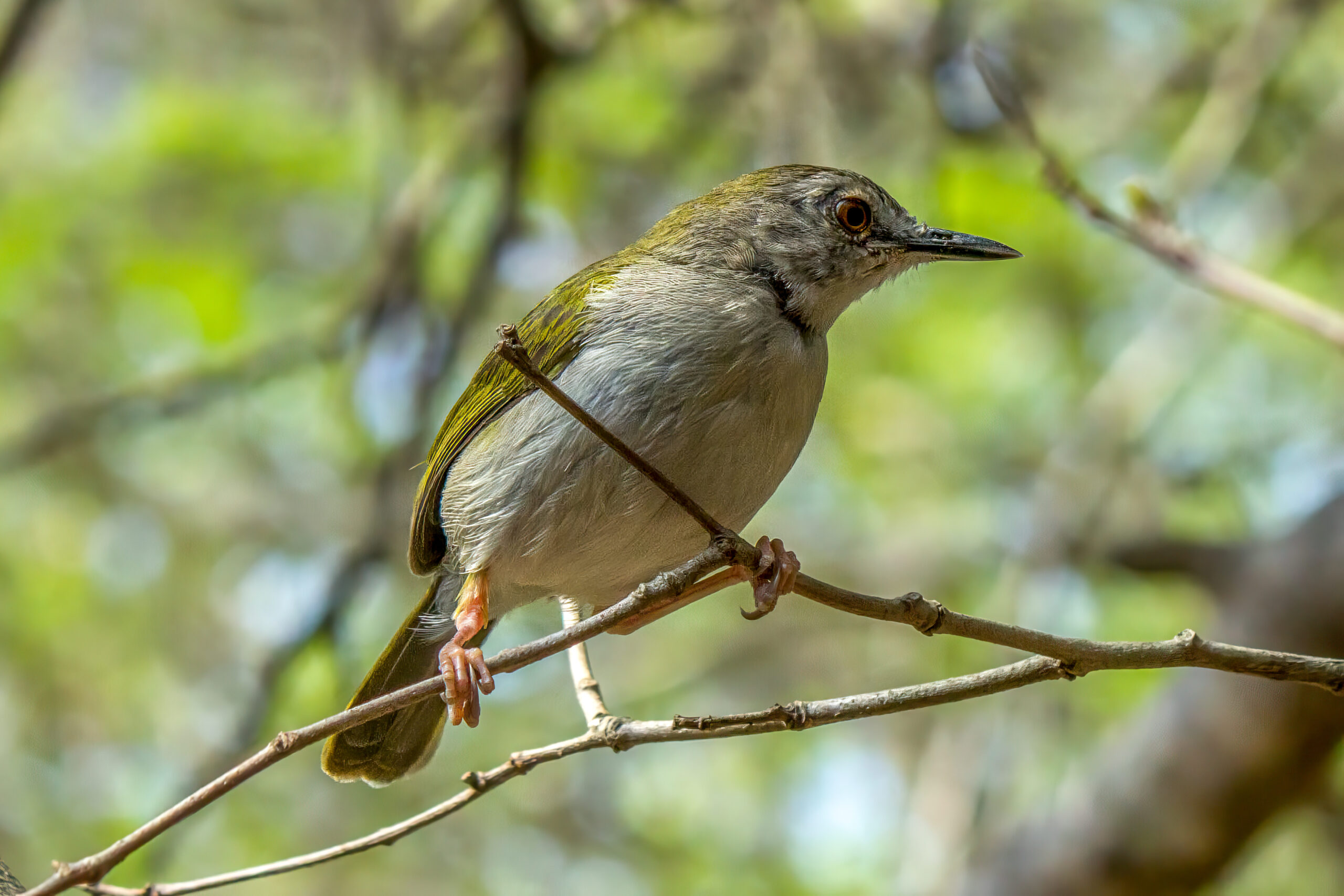
Bird surveys in and around the Okapi Wildlife Reserve in eastern Democratic Republic of the Congo found distinct bird communities in primary forest, cocoa farms and annual-crop fields. Among the habitat indicators, red-chested cuckoo (Cuculus solitarius) was associated with primary forest, while green-backed camaroptera (Camaroptera brachyura) was associated with cocoa farms.
Mist nets are fine mesh nets stretched between supports to temporarily capture flying birds so they can be handled, measured or sampled.
Researchers surveyed 19 sites in the reserve and the surrounding Mambasa agroforestry landscape using mist nets and passive acoustic recorders. They documented 95 bird species. In the acoustic surveys, cocoa farms had the highest species richness — the number of species present — followed by primary forest and annual-crop fields. Primary forest, however, had the highest diversity indices, which also reflect how abundances are distributed among species, followed by cocoa farms and annual-crop fields.
Acoustic monitoring identified several species with strong habitat associations. Red-chested cuckoo was one of nine species associated with primary forest. The authors describe these forest-associated species as potentially valuable indicators for monitoring the effects of human activities. Green-backed camaroptera was one of two species associated specifically with cocoa farms.
The bird communities in primary forest remained distinct from those in both cocoa farms and annual-crop fields. The researchers note that structurally diverse cocoa farms, including remnant forest trees used for shade, can provide important habitat for some birds in fragmented landscapes, while the results also underline the role of protected primary forest in maintaining a different and more diverse bird community.
Ecology
Related news
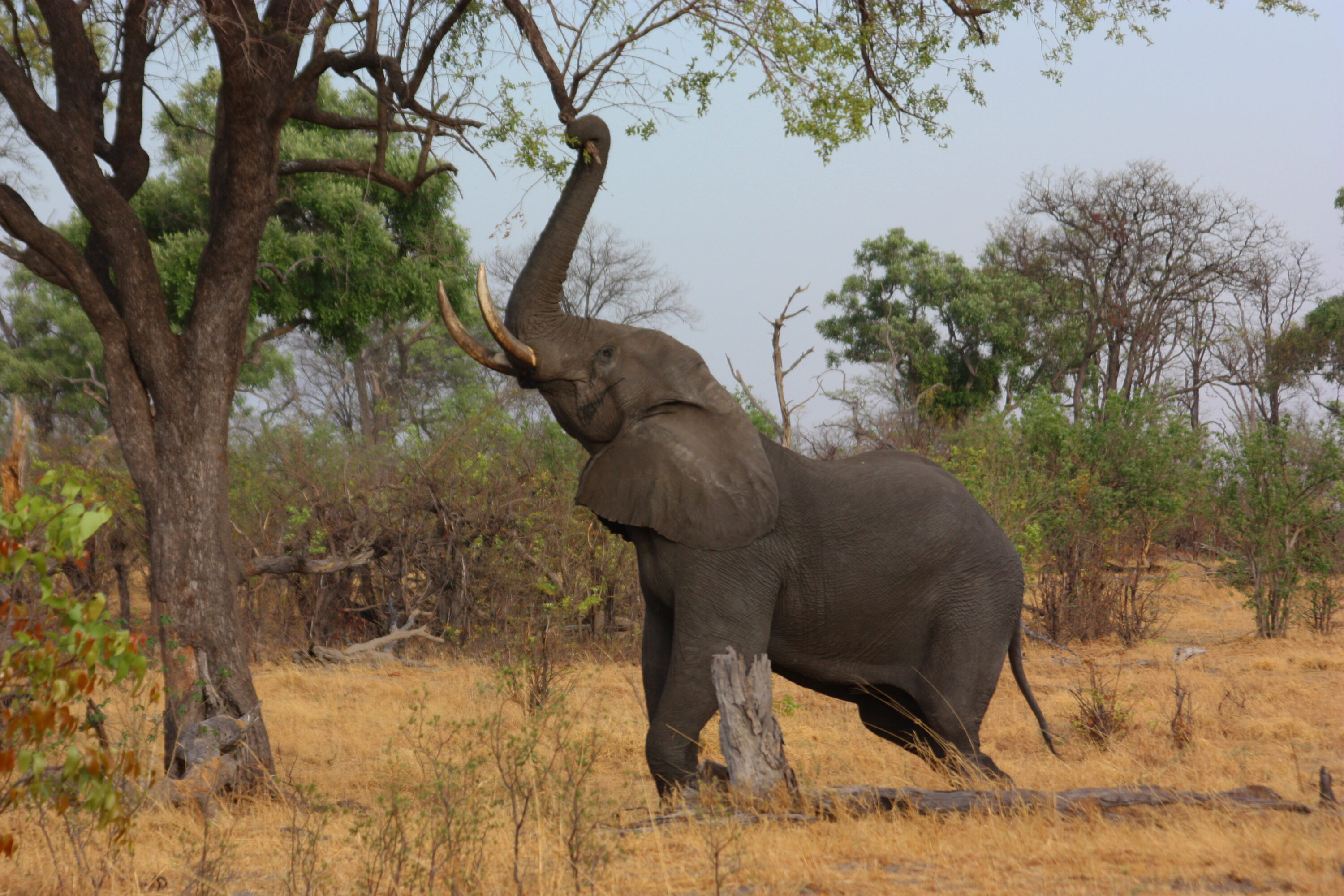
African Bush Elephants Distinguished Artificial Food-Quantity Patterns at Close Range
In experiments in South Africa, four semi-tame elephants chose between visual patterns representing canopy size and leaf density.…
Read story →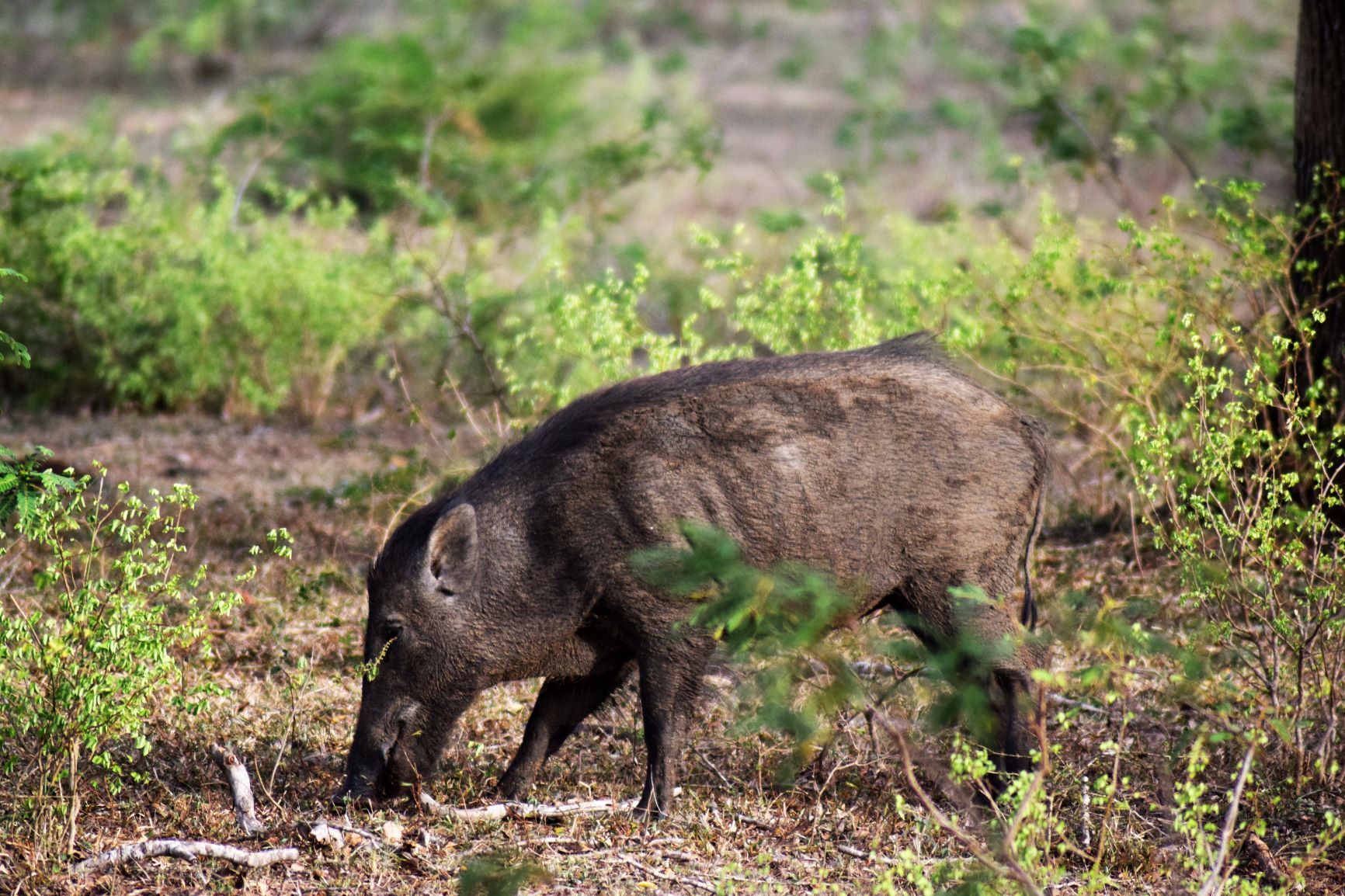
Maps Show Where Wild Boar Could Thrive and Spread on Jeju Island
Researchers mapped potentially suitable wild-boar habitat across roughly 36% of Jeju Island and identified eight possible corridors linking…
Read story →
What African Bush Elephants Eat in Nigeria’s Dry Season
Three weeks of observations in Yankari Game Reserve recorded elephants feeding mainly on leaves. Of four sampled forage…
Read story →SPECIES IN THIS STORY
Species in this story
Independent research and conservation news archive
Did you find this information useful?
Wildlife Vagabond is independently built and maintained. Voluntary support helps cover source verification, hosting and continued work on research and conservation news.
Support Wildlife VagabondThe news archive will remain freely available.